
The Hidden Risks Inside an Aging Heating System
Your 12-year-old gas furnace is running longer to keep up with the dropping temperatures, but the house still feels chilly, and there is a strange, metallic odor coming from the vents. If you are noticing unusual smells, soot around the cabinet, or a flickering burner, you might be seeing the early signs of a cracked heat exchanger. These are not just normal quirks of an older heating system settling into the late fall and pre-winter heating season. They are critical safety warnings that require immediate attention.
At Comfort Central Inc., our team has spent years preparing homes for freezing Mid-Atlantic winters right around the corner in Williamsport MD, and we know firsthand that a compromised furnace is a severe risk right before the deep cold sets in. The heat exchanger is the absolute heart of your furnace's safety mechanism. It is the only barrier standing between the clean, warm air circulating through your home and the dangerous exhaust gases created during the combustion process.
When an aging heating system begins to show these subtle warning signs, you face a critical decision point. Ignoring the symptoms or hoping the system will just make it through one more winter is a gamble with your home's air quality and safety. Recognizing these signs means shutting the system down immediately and seeking professional diagnostics, rather than waiting it out to see if the problem gets worse.
Understanding Thermal Metal Fatigue in Older Furnaces
To understand why a 12-year-old gas furnace is particularly vulnerable to this issue, we have to look at the physics of how your heating system actually generates warmth. A cracked heat exchanger is rarely the result of a sudden, catastrophic event. Instead, it is the predictable outcome of a slow, steady process known as thermal metal fatigue.
When a homeowner hears that a part is broken, the instinct is often to assume a simple mechanical glitch—a loose wire or a worn-out belt. However, a crack in this crucial component is a permanent structural failure of the metal itself.
The Anatomy of a Heat Exchanger
Inside your furnace cabinet sits a series of curved metal tubes or chambers known as the heat exchanger. When your thermostat calls for heat, the furnace ignites gas burners inside these metal chambers. The flames heat the metal walls of the exchanger to very high temperatures.
At the same time, your blower motor pulls cold air from your home's return vents and pushes it over the outside of these hot metal chambers. The air absorbs the heat from the metal and is then pushed back into your living spaces. The critical function of the heat exchanger is acting as an impenetrable barrier. It keeps the toxic combustion exhaust (inside the chambers) completely separated from the breathable air (outside the chambers).
The Impact of Thousands of Heating Cycles
Every single time your furnace turns on, the metal heat exchanger heats up and expands. When the cycle finishes and the system cools down, the metal contracts. This process of thermal expansion and contraction happens thousands of times every single winter.
Think of a metal paperclip. If you bend it back and forth once or twice, it holds its shape. But if you bend it back and forth hundreds of times, the metal eventually suffers from fatigue, becomes brittle, and snaps. After 12 years of constant temperature fluctuations, the metal walls of a heat exchanger experience the exact same cumulative metal fatigue. Eventually, the stress becomes too much, and a hairline fracture develops. Because older systems have endured vastly more heating cycles, they are inherently more vulnerable to this specific structural failure.
Carbon Monoxide: The Invisible Danger of Structural Failure
When metal fatigue finally compromises the structural integrity of your 12-year-old gas furnace, the consequences go far beyond a lack of warm air. The primary concern shifts immediately to indoor air quality and life safety. A crack in the heat exchanger breaks the vital seal that protects your home's airflow.
As the blower motor pushes air over the cracked chamber during the late fall and pre-winter heating season, the pressure dynamics inside the furnace change. This pressure can force toxic combustion gases out of the crack and into the clean air stream that is destined for your living room, bedrooms, and hallways. The most dangerous of these gases is carbon monoxide (CO).
According to data from the Centers for Disease Control and Prevention (CDC), carbon monoxide is an odorless, colorless gas responsible for over 400 non-fire-related deaths annually in the United States. Because you cannot see, taste, or smell carbon monoxide, a leak can go undetected for days or weeks if you do not know what secondary signs to look for.
This danger is exacerbated during heavy, continuous heating cycles. As the weather gets colder, your furnace runs longer, pushing more exhaust through the system and forcing the metal to expand further, which can actually cause a small crack to open wider while the system is running. This is why having working carbon monoxide detectors installed on every level of your home, especially near sleeping areas, is an absolute necessity.
Recognizing the Physical Signs of a Cracked Heat Exchanger
While the crack itself is usually hidden deep inside the furnace cabinet, the system will often give you secondary clues that something is structurally wrong. Knowing what to look for during the late fall and pre-winter heating season can help you catch a failing 12-year-old gas furnace before it becomes a severe safety hazard.
Visual Cues on the Equipment
You should periodically inspect the area around your furnace for visual abnormalities. While you should never open the sealed combustion chamber yourself, a simple visual check of the exterior and the burner window can reveal a lot.
- Yellow or dancing burner flames: A healthy gas furnace should produce a steady, bright blue flame. If the flame is yellow, orange, or flickers wildly, it indicates that the burners are not getting the correct mixture of oxygen and gas. A cracked heat exchanger can alter the airflow inside the burner compartment, causing this unstable flame.
- Soot buildup: If you notice fine black powder (soot) accumulating inside the furnace window, around the exterior casing, or near the registers, it is a sign of incomplete combustion, often linked to a compromised heat exchanger.
- Corrosion or rust: External rust on the furnace cabinet or near the base often points to moisture issues, which can accelerate metal fatigue and indicate that the internal components are degrading.
- Water pooling: In certain high-efficiency condensing furnaces, a cracked secondary heat exchanger can cause acidic water to leak and pool around the base of the unit.
Sensory Warnings in the Home
Beyond visual cues, your senses of smell and hearing, along with your home's safety devices, can alert you to a structural failure.
- Unusual, lingering odors: While a faint dusty smell is normal the very first time you turn on the heat, persistent odors are not. If you notice a strong, pungent smell resembling formaldehyde or sharp metallic odors spreading through the vents, shut the system down. You can learn more about differentiating between normal and dangerous smells by understanding fall heating odors and equipment age.
- Carbon monoxide detector alarms: If your CO detector sounds an alarm, treat it as an immediate emergency. Never assume it is a false alarm or a dead battery without verifying.
- Physical symptoms: Frequent headaches, nausea, dizziness, or flu-like symptoms that miraculously clear up when you leave the house can be a sign of low-level carbon monoxide exposure from poor indoor air quality.
| Symptom | Normal Operation | Warning Sign of Failure |
|---|---|---|
| Burner Flame Color | Steady, bright blue flame with a small yellow tip. | Lazy, flickering, entirely yellow or orange flame. |
| Furnace Odors | Brief dusty smell during the first run of the season. | Persistent formaldehyde, chemical, or metallic smells. |
| System Sounds | Smooth whirring of the blower motor and a gentle click upon ignition. | Loud popping, rattling, or banging as the metal heats up. |

Why You Should Never Attempt a DIY Furnace Inspection
When a homeowner suspects a problem with their 12-year-old gas furnace, the temptation to grab a flashlight and look for the crack is strong. However, diagnosing a compromised heat exchanger is strictly a job for licensed professionals. You should never attempt a DIY furnace inspection for several critical reasons.
First, the heat exchanger is buried deep inside the furnace cabinet. It is surrounded by the blower compartment, the burner assembly, and the exhaust flue. You cannot fully inspect the metal chambers with the naked eye from the outside. Hairline cracks often occur in the tightest bends of the metal, making them completely invisible without dismantling the system.
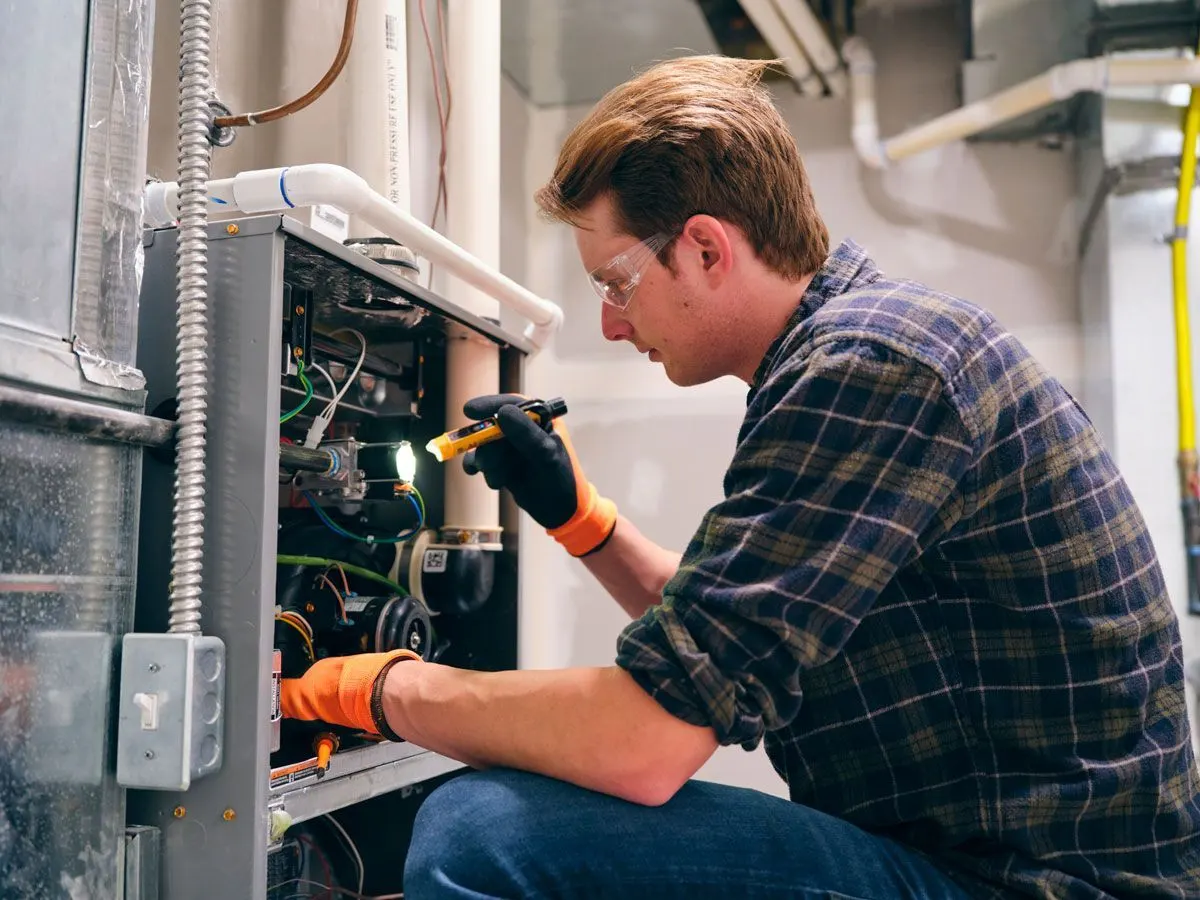
Second, certified technicians use specialized tools to accurately detect these microscopic failures. Professionals utilize digital combustion analyzers to measure the exact parts-per-million of gases in the exhaust stream, looking for anomalies that indicate a breach. They also use specialized infrared inspection cameras snaked deep into the chambers to visually confirm hairline cracks that open only when the metal is hot.
Finally, tampering with gas lines, sealed combustion chambers, and exhaust flues without proper licensing is incredibly dangerous. A mistake during reassembly can create a worse carbon monoxide leak or a fire hazard. This is why our team at Comfort Central Inc. relies on a commitment to thorough, safety-first diagnostics and transparent findings. Having inspected countless aging furnaces across the Williamsport area, we know that expert technical authority is required to definitively confirm metal fatigue, ensuring you get the facts without guesswork.
Can a Cracked Heat Exchanger Be Repaired?
One of the most common questions our technicians at Comfort Central Inc. hear from homeowners facing this diagnosis in a 12-year-old gas furnace is whether the crack can simply be patched or welded. The short answer is no. A cracked heat exchanger cannot be repaired safely.
The Problem: When metal fatigue causes a fracture, the structural integrity of that specific chamber is gone. The metal has lost its ability to safely withstand the extreme thermal expansion and contraction required during a heating cycle.
The Cause of Repair Failure: Attempting to weld a crack in a heat exchanger is extremely dangerous. The extreme heat of the welding process alters the temper of the surrounding metal, making it brittle. The very next time the furnace heats up, the metal will simply crack again, right next to the weld. Furthermore, the complex curves of the chambers make it impossible to guarantee a completely airtight seal.
The Solution: Because the part cannot be repaired, the entire heat exchanger assembly must be replaced. However, the logistical reality of replacing this component in a 12-year-old system is often highly impractical. The labor required to completely dismantle the furnace, remove the old assembly, install the new one, and rebuild the system is extensive. When factoring in the age of the other components (like the blower motor and control board), a full furnace replacement is typically the safer and more reliable long-term solution for an aging system suffering from structural failure.
Immediate Safety Steps Before the Deep Cold Sets In
If you notice any of the warning signs discussed above during the late fall and pre-winter heating season, you must act quickly. Taking these steps in November prevents an emergency breakdown or a severe safety crisis during the peak freezing months of December and January.
- Turn off the furnace immediately: Go to your thermostat and switch the heating system to the "Off" position. Do not let the system run another cycle if you suspect a structural failure.
- Check your carbon monoxide detectors: Ensure that all CO detectors in your home have fresh batteries and are functioning correctly. Press the test button on each unit to confirm the alarm sounds loudly.
- Ventilate the home: If you smell unusual metallic or chemical odors, or if anyone in the home is feeling dizzy or nauseous, open windows and doors to allow fresh air to circulate immediately.
- Evacuate if necessary: If a carbon monoxide alarm is actively sounding, leave the house immediately and call emergency services from outside.
- Contact a licensed HVAC professional: Call a certified technician for an emergency diagnostic. Clearly explain the symptoms you observed, such as soot, yellow flames, or strange smells, so they arrive prepared to test for exhaust leaks.
Prioritizing Safety This Heating Season
The invisible dangers of carbon monoxide and thermal metal fatigue are not something to take lightly, especially as your 12-year-old gas furnace enters another demanding late fall and pre-winter heating season. A heat exchanger failure is a permanent structural issue that compromises the very safety of your home's air supply.
By learning to recognize the physical signs—from yellow burner flames to lingering metallic odors—you can catch a failing system before it turns into a mid-winter emergency. Never rely on guesswork when it comes to combustion appliances. Always prioritize professional safety diagnostics to ensure your home remains a safe haven against the cold. If you are concerned about the age and condition of your heating system, reach out to a licensed professional to schedule a comprehensive safety inspection today.
Frequently Asked Questions
What are the signs of a cracked heat exchanger?
The most common signs include yellow or dancing burner flames, soot buildup inside the furnace cabinet, and strong metallic or formaldehyde odors coming from your vents. You might also notice your carbon monoxide detectors sounding unexpectedly. If you see water pooling around the base of a high-efficiency furnace, this can also indicate a failure in the secondary heat exchanger. Any of these symptoms require immediate professional attention.
What causes a heat exchanger to crack?
The primary cause is thermal metal fatigue resulting from years of heating and cooling cycles. Every time your furnace turns on, the metal chambers heat up and expand, and then contract as they cool down. Over a decade or more, this constant expansion and contraction stresses the metal until it eventually becomes brittle and develops hairline fractures.
Can you run a furnace with a cracked heat exchanger?
No, you should absolutely never run a furnace if you know or suspect the heat exchanger is cracked. Doing so forces toxic combustion gases, including deadly carbon monoxide, directly into your home's breathable air supply. If you suspect a crack, you must shut the system off at the thermostat immediately and call a licensed professional for a safety diagnostic.
What does a cracked heat exchanger smell like?
A compromised heat exchanger often produces a sharp, unpleasant odor that resembles formaldehyde, strong chemicals, or hot metal. Unlike the brief, dusty smell that occurs the first time you turn on your heater in the fall, this chemical odor will persist and circulate through the vents into your living spaces as long as the system is running.
How long does a heat exchanger typically last before metal fatigue sets in?
Most heat exchangers are designed to last between 10 and 15 years under normal operating conditions. However, lack of routine maintenance, clogged air filters, or improper system sizing can cause the furnace to overheat frequently, which drastically accelerates metal fatigue and can lead to premature failure long before the 15-year mark.
Can a carbon monoxide detector catch a heat exchanger leak?
Yes, a functioning carbon monoxide detector will sound an alarm if a cracked heat exchanger is leaking significant amounts of CO into your living spaces. However, detectors are a last line of defense and may not trigger from very small, low-level leaks right away. This is why visual inspections and professional diagnostics are crucial for catching the problem early.