
Is It Time to Replace Your Aging HVAC System Before Winter?
At Comfort Central Inc., we often talk to customers who are dreading the mid-fall heating startup through deep winter, wondering if their failing equipment will survive another season, and looking for objective options comparisons for homeowners. When temperatures begin to drop in October, evaluating whether to repair or replace your aging heating system becomes a critical priority. Waiting until the first freeze often leads to emergency breakdowns, rushed choices, and uncomfortable nights. Instead, this mid-fall window is the perfect time to objectively evaluate the performance, efficiency, and overall reliability of modern heating technologies. Whether you are considering a straightforward like-for-like swap or an upgrade to a completely different type of system, understanding your choices now ensures long-term comfort and peace of mind.
Explore your choices: Learn more about our air conditioning systems and AC installation and replacement solutions.
How Long Does an HVAC System Last? The Baseline Averages
Understanding the life expectancy of your home comfort equipment is the first step in making an informed replacement decision. Based on our years of dispatching technicians across the region, our team typically sees that not all systems age at the same rate. The type of equipment you currently have dictates how long you can reasonably expect it to operate efficiently. When you reach these specific age milestones, exploring options like AC installation and replacement becomes a necessary part of home maintenance.
Central AC units typically last 10 to 15 years, depending heavily on how frequently they run and how consistently they receive professional maintenance. Because they only operate during the warmer months, they get a dedicated resting period each year.
Gas furnaces generally have a longer lifespan, often lasting between 15 and 20 years. Their internal components are robust, and because they sit completely dormant throughout the entire summer cooling season, the wear and tear is spread out over a longer timeline.
Heat pumps average around 15 years of reliable service. Unlike standalone air conditioners or furnaces, a heat pump operates continuously year-round, providing cooling in the summer and heating in the winter. This double-duty workload naturally accelerates the aging process of its moving parts.
When deciding whether to keep repairing an older unit, industry professionals often use a calculation known as the "5,000 rule." By multiplying the age of your equipment by the estimated repair cost, you generate a benchmark number. If that resulting number exceeds an acceptable threshold, a full system replacement is generally the smarter, more cost-effective move compared to sinking funds into failing machinery.
How Dual-Season Climates Accelerate System Wear and Tear
Local weather patterns directly impact the longevity and efficiency of your HVAC components. In our experience servicing homes throughout Williamsport, our technicians at Comfort Central Inc. see firsthand how intense the climate demands are on both ends of the spectrum. We experience hot, humid summers that transition abruptly into freezing winters. This dual-season extreme requires heavy, year-round operation from your home comfort systems.
Continuous operation during hot, humid summer months places a massive strain on compressors, cooling coils, and blower motors. The system has to work overtime not just to lower the ambient air temperature, but to extract heavy moisture from the indoor air. If you have ever wondered why your AC cools then stops cooling, a pattern we see often is this intense seasonal workload overwhelming aging components.
Transitioning directly into demanding winter heating cycles leaves virtually no downtime for dual-season systems like heat pumps. While a gas furnace gets to rest for half the year, a heat pump simply reverses its refrigerant flow and keeps working. Furthermore, the constant thermal expansion and contraction caused by seasonal temperature extremes can stress ductwork, warp heat exchangers, and degrade electrical connections over time. Proactive, seasonal maintenance is the only proven way to counteract the accelerated wear caused by these year-round climate demands.
Objective Signs Your Heating System Needs an Upgrade
Evaluating your current heating system should never feel like a high-pressure sales situation. At Comfort Central Inc., we focus on providing honest, objective diagnostics to help homeowners maximize their existing system's lifespan rather than aggressively pushing for premature replacements. Over countless pre-winter inspections, we have identified these objective signs that indicate your system is genuinely reaching the end of its usable life:
- Frequent, unexpected breakdowns: If you find yourself calling for emergency repairs during the mid-fall heating startup through deep winter, your system is losing its reliability. Multiple service calls in a single season indicate cascading component failures.
- Unexplained energy spikes: A steady, unexplained increase in your monthly energy consumption, despite keeping your thermostat at the same setting, means the internal motors and compressors are working harder to produce the same amount of heat.
- Uneven temperature distribution: When certain rooms feel like a sauna while others remain freezing cold, your system is likely losing its capacity to push conditioned air evenly throughout the ductwork.
- Unusual operational noises: Persistent grinding, loud banging, or aggressive rattling from the blower motor are physical indicators of metal fatigue, failing bearings, or cracked internal components.
If you notice several of these symptoms, scheduling routine AC maintenance and tune-ups can help you get a clear picture of whether a simple repair will suffice, or if a full upgrade is necessary.
Heat Pump vs. Gas Furnace: Understanding the Core Differences
When it is time to replace your heating system, the most significant choice you face is selecting the underlying technology. Gas furnaces and heat pumps operate on fundamentally different scientific principles to keep your home warm.
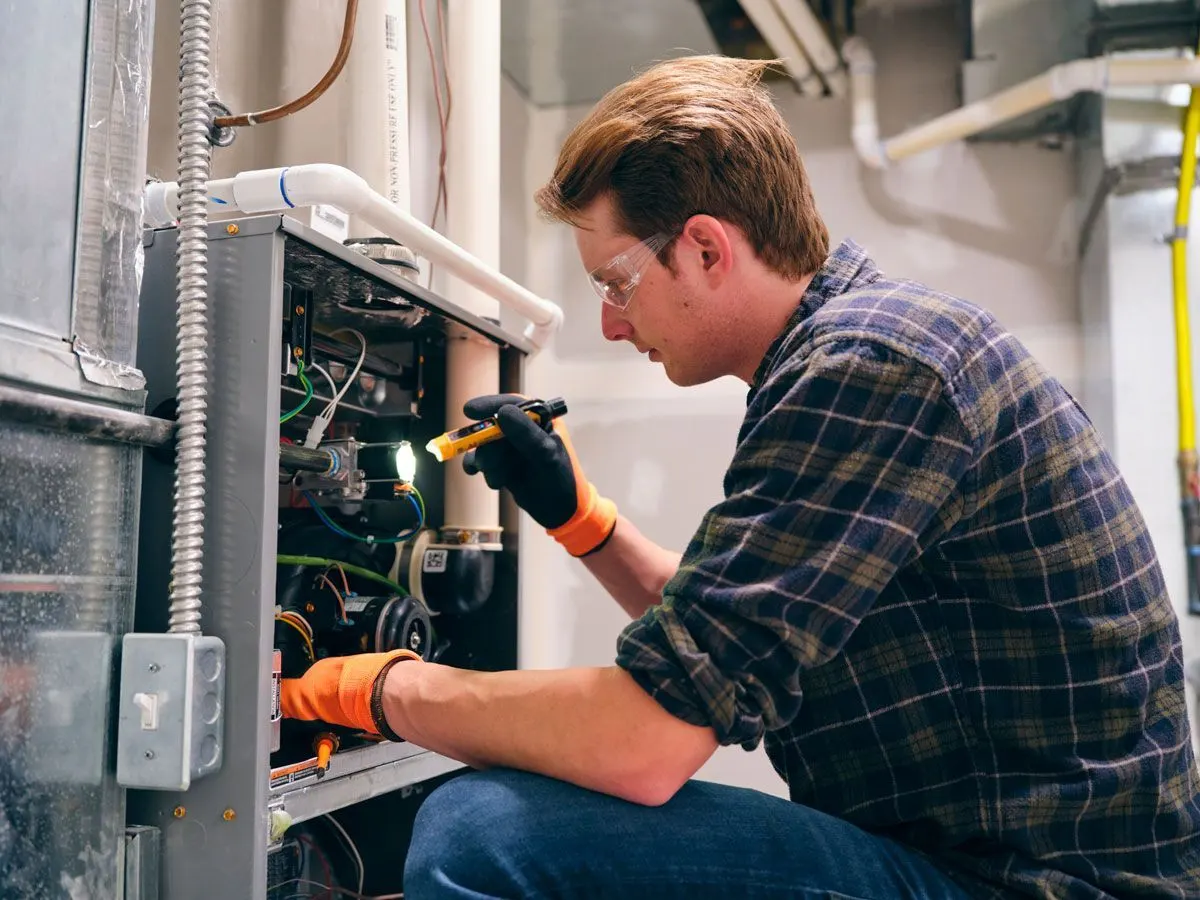
Gas furnaces generate heat through the active combustion of fossil fuels. They burn natural gas or propane in a sealed chamber, heating a metal component called a heat exchanger. The blower motor then passes indoor air over this hot metal, delivering high-temperature air output directly into your living spaces. Because they rely on combustion, furnaces require dedicated gas lines and secure flues for venting exhaust gases safely out of the home.
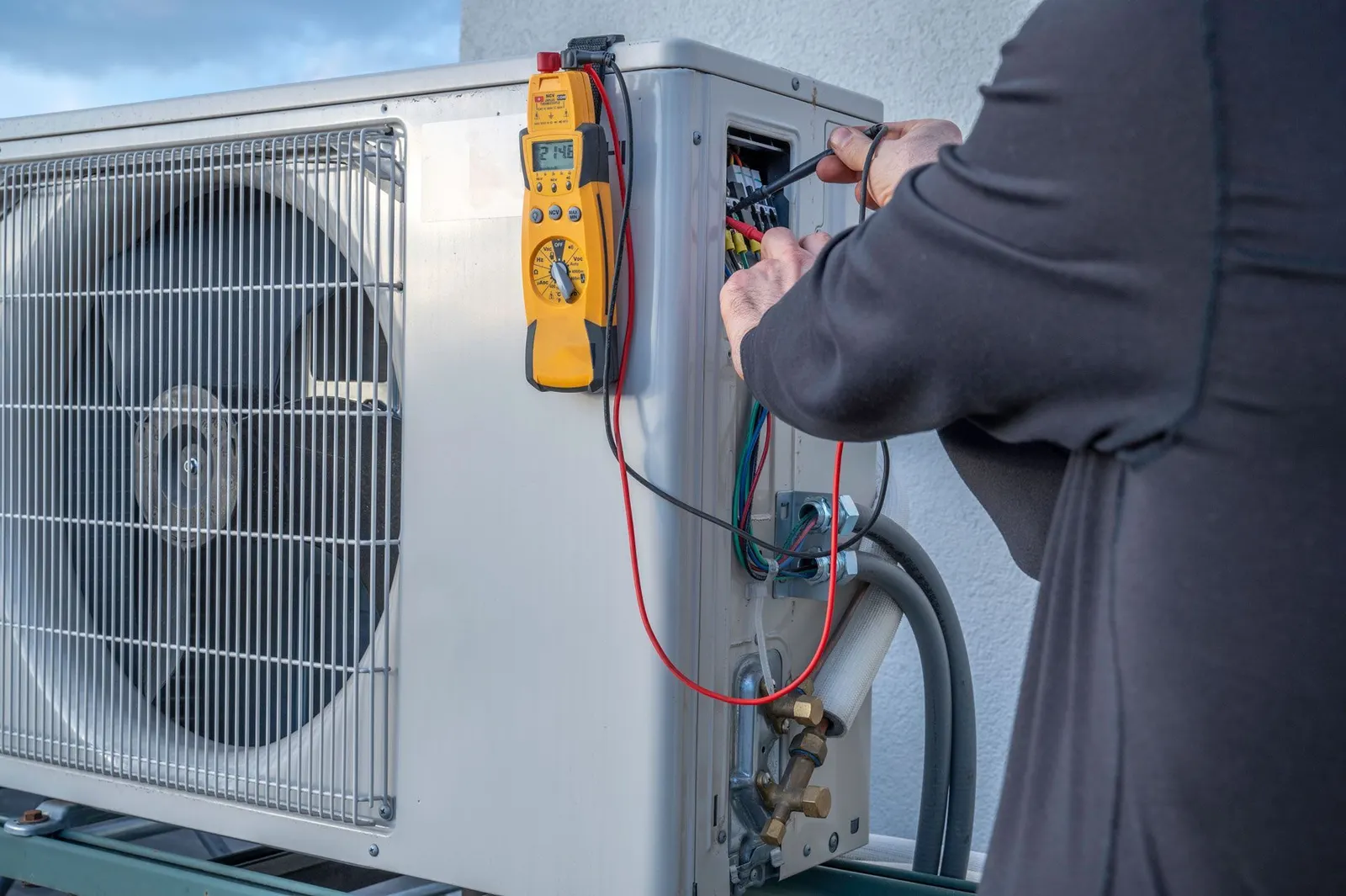
Heat pumps, on the other hand, do not generate heat—they move it. Operating entirely on electricity, a heat pump acts as a reversible air conditioner. During the winter, it absorbs existing ambient thermal energy from the outside air, compresses it to raise the temperature, and transfers that heat inside your home. This process consolidates both heating and cooling into a single outdoor unit.
| Feature | Gas Furnace | Heat Pump |
|---|---|---|
| Primary Energy Source | Natural Gas or Propane | Electricity |
| Heating Method | Fuel Combustion | Heat Transfer (Refrigerant) |
| Air Output Temperature | Very high, fast ambient heat | Moderate, gradual ambient heat |
| System Function | Heating only | Dual-season heating and cooling |
| Infrastructure Needed | Gas lines and exhaust flues | High-voltage electrical circuit |
Efficiency Metrics Explained
To compare these systems fairly, you need to understand how their efficiency is measured. Gas furnace efficiency is measured by AFUE (Annual Fuel Utilization Efficiency). An AFUE rating of 95% means that 95% of the fuel consumed is converted directly into usable heat, while only 5% escapes as exhaust. Heat pump heating efficiency is measured by HSPF (Heating Seasonal Performance Factor). A higher HSPF number indicates that the unit requires less electricity to extract and transfer heat over the course of a typical heating season.

Evaluating Cold Weather Performance in Sub-Freezing Temperatures
One of the most frequent questions our Comfort Central Inc. installers hear from homeowners in Williamsport is how a system performs when the winter weather turns harsh. Sub-freezing outdoor temperatures specifically test a heat pump's defrost cycle efficiency compared to a furnace's steady, uninterrupted combustion.
Gas furnaces provide a hotter, faster ambient heat blast. Because they burn fuel, the air coming out of your vents is significantly warmer than your body temperature. Many homeowners prefer this rapid, intense heat when coming in from the cold. A furnace's output remains completely unaffected by how cold it gets outside.
Historically, heat pumps struggled in sub-freezing outdoor temperatures because there was less ambient heat available to extract. However, modern heat pumps have advanced significantly. Today's cold-climate heat pumps are capable of extracting thermal energy even when temperatures drop well below freezing. To maintain efficiency in freezing precipitation, heat pumps utilize an automatic defrost cycle. The system temporarily reverses its operation, sending warm refrigerant to the outdoor coils to melt away ice buildup, ensuring the unit can continue absorbing heat.
For those who want the best of both worlds, our team often recommends dual-fuel systems as a highly effective hybrid solution. This setup pairs an electric heat pump with a gas furnace backup. The heat pump handles the heating duties during mild fall and early winter days, maximizing electrical efficiency. When extreme cold snaps hit and sub-freezing outdoor temperatures make heat extraction difficult, the system automatically switches to the gas furnace for reliable, high-capacity heating.
Efficiency, Environmental Impact, and Potential Incentives
The long-term energy implications of your replacement choice will impact your monthly utility usage for the next decade or more. Both technologies have made massive strides in efficiency, but they achieve their environmental benefits in different ways.
- Reduced electrical consumption: Because they move heat rather than generate it, modern heat pumps can reduce electricity use for heating by up to 50% compared to traditional electric resistance baseboard heating.
- Maximized fuel usage: High-efficiency gas furnaces (those with AFUE ratings of 90% or higher) utilize secondary heat exchangers to wring every bit of thermal energy out of the combustion process, wasting very little energy as exhaust.
- Federal tax credits: To encourage energy-efficient home upgrades, federal tax credits may apply to qualifying high-efficiency heat pump installations, helping to offset the initial upgrade costs.
- Local utility rebates: Local utility companies often incentivize the transition to energy-saving electric heat pump technology. These programs change frequently, so it is always wise to verify current offerings with your provider or a tax professional.
Electrifying your home heating with a heat pump completely removes on-site fossil fuel combustion, which improves indoor air quality and reduces your household's carbon footprint. However, upgrading to a high-efficiency gas furnace still represents a massive environmental improvement over running a failing, 20-year-old unit.
Making the Right Replacement Choice for Your Home
When our team at Comfort Central Inc. evaluates your home, synthesizing all these technical details into a final decision requires looking closely at your specific property and your long-term goals. There is no universal "best" system—only the system that is best for your home's unique infrastructure.
First, we evaluate your existing home infrastructure. If your home already has fully functional, properly sized natural gas lines and exhaust flues, installing a new gas furnace is often a straightforward process. If you lack gas lines, or if your home runs on expensive delivered propane, transitioning to an all-electric heat pump is usually the more logical path.
Next, consider how long you plan to stay in the home. Weigh the upfront installation requirements against the long-term energy savings. If this is your forever home, investing in a high-efficiency dual-fuel system might yield the best comfort and efficiency over the next twenty years. You should also factor in the convenience of having a single unified system. A heat pump handles both heating and cooling, which means you only have one outdoor unit to maintain, rather than managing a separate air conditioner and furnace.
Finally, consulting with a local expert for HVAC replacement in Williamsport ensures the new system is properly sized. An oversized furnace will short-cycle and waste fuel, while an undersized heat pump will run constantly and fail to keep you warm. A professional will calculate your home's specific thermal load, taking into account your square footage, insulation levels, and window quality to recommend the perfect fit.
Get Honest Guidance on Your Next Heating System
Choosing between a heat pump and a gas furnace does not have to be an overwhelming process when you have the right facts in front of you. Objective, technical guidance ensures you select the system that truly fits your home's infrastructure and your family's comfort needs.
At Comfort Central Inc., we believe in providing clear, jargon-free technical breakdowns so you can make an informed, confident decision without feeling pressured. Whether you are leaning toward the robust heat of a gas furnace or the dual-season efficiency of a modern heat pump, reach out to us to explore your choices. Let us provide the accurate options comparisons for homeowners you need to stay comfortable all winter long.
Frequently Asked Questions
Should I replace my gas furnace with a heat pump?
Transitioning from a gas furnace to a heat pump is an excellent choice if you want to consolidate your heating and cooling into a single, highly efficient electric system. It is particularly beneficial if you want to reduce your reliance on fossil fuels or if you currently use expensive propane. However, you will need to ensure your home's electrical panel can support the high-voltage requirements of a heat pump.
What is the life expectancy of a heat pump vs a gas furnace?
A gas furnace generally outlasts a heat pump because it only operates during the winter months. You can expect a well-maintained gas furnace to last between 15 and 20 years. A heat pump, which runs continuously year-round to provide both heating and cooling, typically averages a lifespan of about 15 years before major components begin to wear out.
Is it worth replacing a 15-year-old HVAC system?
Yes, replacing a 15-year-old system is usually the most cost-effective decision. At this age, heating and cooling equipment begins to lose significant efficiency, leading to higher monthly utility bills. Furthermore, the likelihood of expensive component failures increases dramatically, making a proactive replacement safer than risking a mid-winter breakdown.
How do sub-freezing temperatures affect heat pump longevity?
Sub-freezing temperatures force a heat pump to work harder to extract ambient heat, which can increase wear and tear on the compressor if the unit is undersized or poorly maintained. Modern cold-climate heat pumps are designed with advanced defrost cycles and variable-speed compressors specifically built to handle these extremes. Regular seasonal maintenance ensures the defrost cycle operates correctly, protecting the system from ice damage.
Can a heat pump effectively cool my home in the summer?
Absolutely. A heat pump is functionally identical to a central air conditioner during the summer months. It uses the exact same refrigeration cycle to absorb heat from inside your home and release it outdoors, providing excellent cooling and dehumidification even on the hottest, most humid days.