
Navigating the Heat: When Your System Cools Then Stops Cooling
Late August brings a heavy, oppressive heat to the region, and when your system struggles to keep up, having reliable home maintenance tips and troubleshooting strategies is essential for your comfort. You walk into your living room expecting a steady blast of cold air, only to find the AC running for five short minutes, shutting off abruptly, and leaving the house feeling like a swamp. This rapid on-and-off behavior is a specific mechanical symptom known as short-cycling. It is incredibly frustrating because the air blowing out of the vents might feel cold for a brief moment, but the August late-summer humidity lingers in the rooms, making the indoor air feel thick, sticky, and deeply uncomfortable.
Right now, you are facing an important decision point: distinguishing between a simple airflow fix you can handle yourself and the kind of cumulative seasonal wear that requires a trained technician. Short-cycling is not just an annoyance; it is a clear signal that your cooling system cannot complete its intended cycle. If you are dealing with this frustrating on-and-off rhythm, we can help with comprehensive air conditioning services, or step in for professional AC repair to get your home back to normal.
What Is Short-Cycling? Understanding Your AC's Cooling Rhythm
The Problem: Many homeowners assume that if cold air is coming out of the vents, the air conditioner is working correctly. However, if the system cools then stops cooling after just a few minutes, it is failing at half of its job. A healthy, properly functioning air conditioning cycle should last roughly 15 to 20 minutes. This duration is critical because cooling your home involves two distinct processes: lowering the temperature and removing the moisture.
The Cause: To understand why this rhythm matters, we have to look at how air conditioners manage different types of heat. "Sensible heat" refers to the actual temperature drop you can feel and measure on a thermometer. "Latent heat" refers to the thermal energy trapped in airborne moisture—the humidity. An air conditioner can drop the sensible heat (temperature) in just five to ten minutes. However, it takes at least 15 minutes of continuous operation for the system to pull enough air over the cold evaporator coils to extract the latent heat (humidity) and drain it away.
When an AC short-cycles, it shuts down before the dehumidification process can truly begin. The rapid on-and-off rhythm prevents the system from running long enough to extract moisture from the air. This is why a short-cycling house in Williamsport MD feels cold but incredibly clammy.
The Solution: Recognizing that short-cycling is a symptom of an underlying issue—not just a quirky habit of an aging machine—is the first step toward resolving it. By understanding the normal rhythm of your system, you can better identify when it falls out of sync.
| Condition | Cycle Duration | Temperature Control | Humidity Control |
|---|---|---|---|
| Normal Operation | 15 to 20 minutes | Steady, even cooling | Effectively removes indoor moisture |
| Short-Cycling | 5 to 10 minutes | Rapid, uneven cooling | Fails to dehumidify, leaving air sticky |
The Cumulative Toll of Late-Summer Humidity on Your System
As the summer drags on, the weather takes a cumulative toll on mechanical equipment. The deep dive into the Williamsport MD late-summer climate reveals exactly why end-of-season performance drops are so common. During August, the high relative humidity requires your air conditioner to run longer and work significantly harder to condense water out of the thick indoor air.
Heavy moisture forces the system into a state of constant strain. The indoor evaporator coil acts as a giant sponge for heat and humidity. As warm, moist air blows across the freezing cold metallic fins of the coil, the moisture condenses into water droplets. In a normal environment, this water drips safely into the condensate drain pan and flows outside. However, prolonged exposure to August late-summer humidity means the coil is constantly drenched.
The progression of seasonal fatigue: When the system is taxed by this heavy moisture load, any minor flaw in the system becomes a major roadblock. A slightly dirty filter that was fine in June suddenly restricts too much airflow in August. Without enough warm air blowing over the drenched evaporator coil, the condensation doesn't just drip away—it freezes. A thin layer of frost quickly turns into a solid block of ice. Once the coil is frozen, the system's internal safety switches detect the extreme temperature drop and shut the compressor off prematurely to prevent catastrophic damage. A few minutes later, the ice melts slightly, the system turns back on, and the short-cycling loop begins again. Understanding this process clarifies that your system's struggle is often the result of this cumulative strain rather than a sudden, spontaneous mechanical failure.
Common Culprits: Why Your Air Conditioner Cools Then Stops
Short-cycling rarely happens for no reason. It is usually the result of a specific mechanical bottleneck or an environmental factor disrupting the cooling cycle. If you find your AC running constantly in short bursts, one of the following culprits is likely to blame.
- Dirty or Clogged Air Filters: This is the most common reason an AC cools then stops. A clogged filter chokes off the vital airflow your system needs to operate. Without enough air moving through the return ducts, the system suffocates, leading to rapid temperature imbalances and safety shutdowns.
- Oversized AC Units: Bigger is not always better. If an air conditioner has too much cooling capacity for the square footage of the home, it will blast the rooms with cold air and satisfy the thermostat setting in just a few minutes. This rapid cooling completely bypasses the dehumidification phase.
- Dirty Condenser Coils: The outdoor unit houses the condenser coil, which is responsible for releasing the absorbed indoor heat into the outside air. If this coil is caked in grass clippings, mud, or cottonwood seeds, it cannot release the heat. The compressor overheats and shuts down on a thermal overload safety switch, causing a short cycle.
Airflow Restrictions and Frozen Coils
How does blocked airflow lead directly to freezing? The refrigerant inside your evaporator coil is incredibly cold. It relies on a steady stream of warm, unconditioned indoor air blowing across it to absorb heat and keep the coil above the freezing point of water. If a dirty filter, blocked vents, or a failing blower motor restricts that airflow, the coil temperature plummets. The heavy August late-summer humidity condensing on the coil instantly turns to ice. Once a frozen coil forces the system's safety switches to shut it down prematurely, you are locked into a short-cycling pattern until the ice is completely thawed and the airflow issue is resolved.
Electrical and Sensor Malfunctions
The role of the thermostat and internal sensors cannot be overstated. Your thermostat is the brain of the cooling operation. If it is located near a heat source (like a sunny window or an oven) or near a cold draft (like a supply vent), it will get false readings. It might think the room is already cool and shut the system down prematurely. Similarly, miscalibrated sensors inside the air handler can send incorrect shut-off signals to the compressor, interrupting the cycle even when the house is still warm.
Safe Homeowner Checks: What to Inspect Before Calling a Pro
Before you pick up the phone, there are several safe, actionable troubleshooting steps you can take. Ruling out simple fixes can save you time and restore your comfort quickly. However, it is crucial to recognize the boundary between safe homeowner checks and dangerous mechanical tampering. Never open electrical panels or handle refrigerant lines yourself.
- Verify thermostat settings: Ensure the thermostat is explicitly set to "Cool" and the fan setting is switched to "Auto" rather than "On." If the fan is set to "On," it will blow air continuously, even when the compressor is off, making it feel like the system is blowing warm air between cooling cycles.
- Inspect and replace dirty air filters: Pull out your return air filter and hold it up to a light. If you cannot see light shining through the material, it is too clogged. Replacing a dirty filter will immediately improve airflow and is the fastest way to resolve minor short-cycling.
- Check all indoor return and supply vents: Walk through your home and ensure all vents are open. Often, homeowners close vents in unused rooms, not realizing this increases static pressure and suffocates the blower motor. Ensure no heavy furniture or rugs are blocking the grilles.
- Look for visible ice on the indoor unit: Check the copper lines running to your indoor unit. If you see frost or solid ice forming on the lines or the coil itself, turn the system off immediately. Let the fan run to help thaw the ice, but do not turn the cooling function back on until a professional can assess the Williamsport MD system.

Professional Diagnostics: Identifying Complex Mechanical Issues
When safe DIY checks fail to resolve the short-cycling, it is time to bridge the gap between homeowner maintenance and professional intervention. Complex mechanical issues require specialized tools and training to diagnose safely.
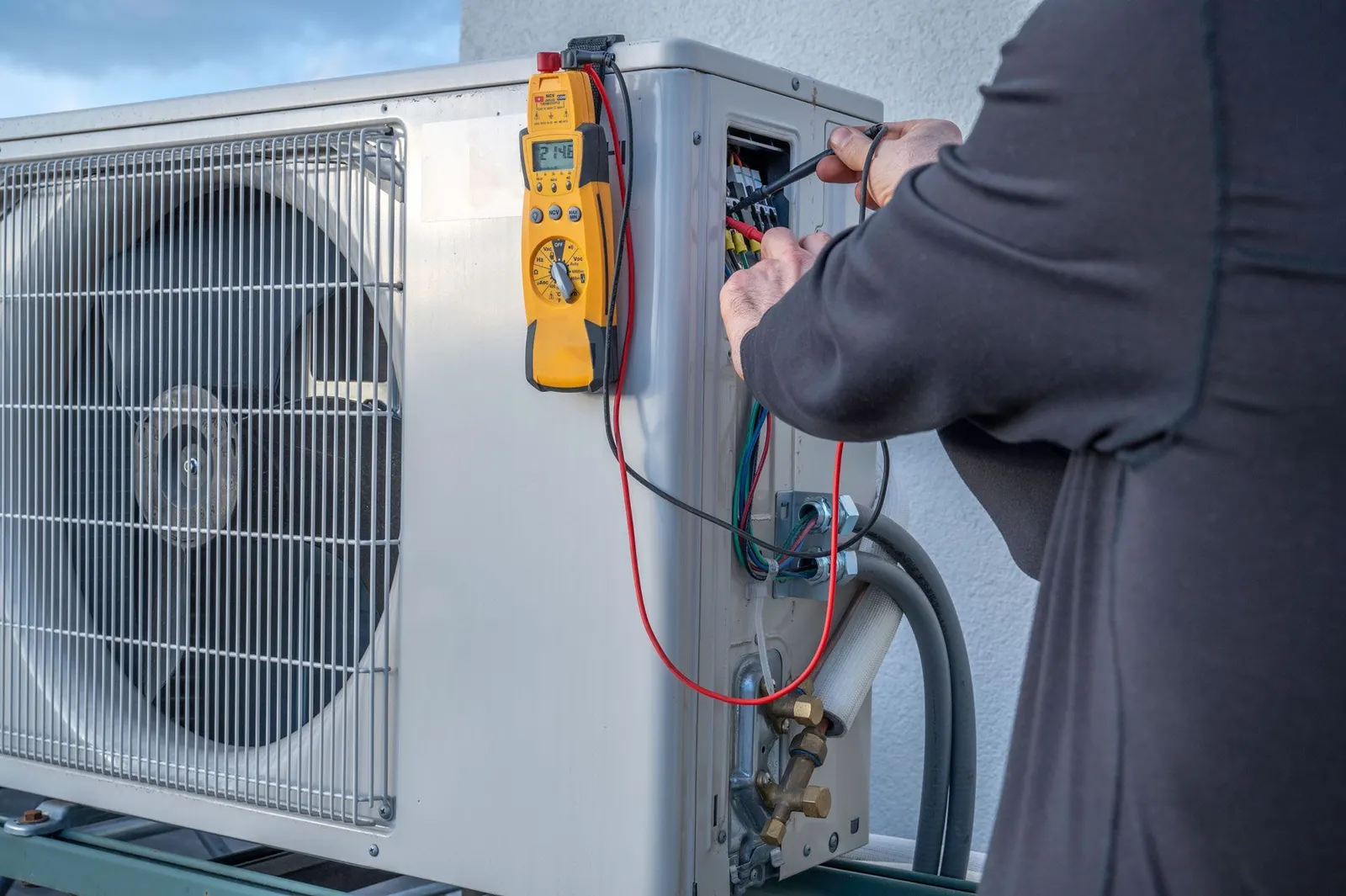
During a comprehensive evaluation, a technician looks for several invisible factors. They will check the exact refrigerant levels to ensure there is no leak causing the coil to freeze. They will measure the electrical draws of the compressor and blower motor to ensure they are not over-amping and tripping internal limits. They will also test the capacitor health, as a failing capacitor can cause the compressor to stutter and drop out of the cycle prematurely.
During hot and humid summer weather, a typical pattern we see involves systems struggling so severely that they require a deeper look. In one specific instance in our service area, a homeowner faced an AC issue that left the house unbearably hot and sticky. By diagnosing the problem quickly and transparently, the team determined the most reliable path forward. The new AC system was installed efficiently, and the technicians helped set up a newly configured thermostat to ensure perfect operation moving forward.
This highlights the peace of mind that comes from a transparent assessment of an aging system. Working with a team dedicated to family values and honest diagnostics ensures you get a truthful evaluation of your equipment. A short-cycling unit often requires a highly targeted repair—like replacing a faulty sensor or sealing a minor duct leak—not an automatic push for a full system replacement. Getting AC repair in Williamsport from technicians who prioritize pinpointing the exact cause rather than guessing provides long-term reliability.
The Long-Term Risks of Ignoring a Short-Cycling AC
The Problem: It can be tempting to ignore a short-cycling air conditioner as long as the house feels somewhat cool. However, allowing this erratic rhythm to continue poses severe long-term risks to the equipment.
The Cause: Starting the compressor requires significantly more electrical energy than keeping it running. Think of it like driving a car in heavy stop-and-go traffic versus cruising on the highway. The constant power surges of restarting the system every five minutes generate massive amounts of heat within the electrical components. This causes excessive wear and tear on the compressor, the start capacitor, and the contactor relays.
When the outside temperature hits 90°, ignoring a short-cycling unit can lead to total failure. A typical pattern we see is an outside air conditioning unit that completely stops working after days of erratic cycling. In one recent case, office staff scheduled a same-day service call for a severely overheated system that finally gave out. The technician explained the electrical fault clearly, repaired the unit, and got it up and running before the home absorbed the brutal afternoon heat.
The Solution: Addressing the issue promptly prevents catastrophic breakdowns. Beyond the mechanical damage, ignoring short-cycling has a direct impact on your utility bills. The massive electrical draw required to start the compressor dozens of times an hour will cause your energy usage to spike dramatically, even as the August late-summer humidity makes the house feel worse.
Frequently Asked Questions About AC Short-Cycling
Why does my AC stop cooling after a few hours?
This often points to a frozen evaporator coil that slowly builds up ice over time until airflow is completely blocked. When the system first turns on, it moves air normally, but as the ice thickens, it acts as an insulator. Eventually, the ice restricts the airflow so severely that the system shuts down on a safety limit. Thawing the ice and checking the filter is the first step.
What causes an AC to short cycle?
Primary causes include dirty filters, low refrigerant, oversized units, and faulty thermostats. Any issue that causes the system to overheat, freeze, or misread the indoor temperature will trigger a premature shutdown. In Williamsport MD, heavy humidity combined with restricted airflow is a leading driver of this rapid on-and-off behavior.
Why is my AC running but not cooling the house?
The system may be moving air, but if the compressor isn't engaged or the coil is frozen, no heat is being removed. The indoor blower motor can run independently of the outdoor cooling unit. If a safety switch has locked out the outdoor compressor, you will just feel room-temperature air circulating through the vents.
How do you fix an air conditioner that blows cold then warm?
Start by checking the filter and thermostat; if those are fine, a professional must check refrigerant levels and electrical components. A system blowing warm air mid-cycle usually means the outdoor compressor has tripped off while the indoor fan continues to run. This requires specialized tools to safely diagnose the electrical or pressure fault.
Can high humidity cause an AC to short cycle?
Yes, excessive moisture can overwhelm a system with restricted airflow, leading to rapid condensate freezing. When the air is incredibly thick, the AC has to remove gallons of water. If the airflow is even slightly weak, that water freezes on the coils instead of draining away, triggering a short-cycling safety shutdown.
Restore Your Home's Comfort Before the Season Ends
Addressing short-cycling promptly is the best way to protect your cooling system from unnecessary wear and tear. What starts as a simple airflow restriction from August late-summer humidity can quickly escalate into a frozen coil or a damaged compressor if left unchecked. By performing safe homeowner checks—like inspecting your air filters and verifying your thermostat settings—you can rule out the most basic culprits.
However, if your system continues to start and stop erratically, honest diagnostics are the best path forward. Reaching out for a professional evaluation ensures your home remains comfortable and your equipment stays protected through the end of the cooling season. Don't let a struggling system ruin your indoor comfort; schedule a thorough assessment for professional AC repair to get the clear, non-technical answers you need.