
Why Is My AC Running Constantly During the July Heatwave?
Is your air conditioning unit actually broken, or is it just struggling to keep up with the extreme summer weather? When your AC system runs continuously during peak July heatwaves in Williamsport without ever reaching the thermostat set point, it is incredibly easy to panic. You might immediately assume the entire system is failing and brace yourself for a massive replacement bill. However, continuous operation is not automatically a sign of a broken system. In many cases, it is exactly what the equipment was designed to do under extreme stress.
This guide serves as an objective diagnostic tool to help you understand your system's limits, recognize normal behavior, and avoid unnecessary replacements. We will break down exactly what happens to your equipment under a heavy peak summer heat load, walk you through safe troubleshooting steps, and highlight the clear signs of true mechanical failure. If you determine that your system needs professional attention, exploring your Air Conditioning Services options is the smartest next step to restore your home's comfort.
The 20-Degree Rule: Understanding Peak Summer Heat Load
To determine if your continuous run times are normal or problematic, you first need to understand the technical baseline for residential cooling. Air conditioning systems are not designed to create a meat locker environment on the hottest day of the year. Instead, they are engineered around a standard established by energy agencies known as the 20-degree temperature differential rule.
This rule states that a properly sized and functioning air conditioner is designed to maintain an indoor temperature that is roughly 20 degrees cooler than the outdoor temperature. If it is 95 degrees outside, an indoor temperature of 75 degrees means the system is operating at its maximum design capacity. It is running constantly because heat is infiltrating your home just as fast as the equipment can remove it. When the outdoor temperatures soar, comparing your thermostat set point vs actual indoor temperature is the only true way to diagnose performance.
If you set your thermostat to 68 degrees on a 98-degree afternoon, the unit will run continuously and never reach that target. This does not mean the system is failing; it means you are asking the unit to exceed its physical engineering limits. Understanding this peak summer heat load dynamic can save you the stress of assuming you need an immediate AC Repair Service when the system is actually doing exactly what it was built to do.
How to Measure Your System's Temperature Differential
Before assuming your system is broken, you can perform a simple check to measure its actual performance during a heatwave. Follow these steps during the hottest part of the afternoon:
- Check the outdoor temperature: Look at a reliable local weather app or an outdoor thermometer placed in the shade to get the true ambient temperature.
- Check the actual indoor reading: Look at what the thermostat says the current room temperature is, rather than looking at your target set point.
- Calculate the difference: Subtract the indoor reading from the outdoor temperature. If the difference is between 18 and 22 degrees, your system is operating efficiently and continuous running is normal.
Sensible vs. Latent Cooling: The Mid-Atlantic Humidity Factor
Beyond simple temperature changes, regional climate factors play a massive role in how long your equipment needs to run. In our area, we explicitly deal with Williamsport's hot, humid Mid-Atlantic summers where high latent heat requires longer continuous operation to properly dehumidify the home. To understand this, you need to know the difference between sensible cooling and latent cooling.
Sensible cooling is the process of dropping the actual air temperature—the number you read on the thermostat. Latent cooling is the process of extracting moisture and humidity from the air. Modern, properly sized air conditioners are intentionally designed to run longer, slower cycles to manage both. If a system only runs for ten minutes and shuts off (short-cycling), it might cool the air quickly, but it fails to remove the humidity. This leaves the home feeling clammy, sticky, and uncomfortable, even if the thermostat reads 70 degrees.
During a peak summer heat load, your system prioritizes removing that heavy, humid air. The evaporator coil inside your ductwork needs sustained airflow over it to condense the moisture and drain it outside. Longer run times directly connect to improved indoor air quality and overall comfort. If your unit is running for 45 minutes to an hour at a time but the house feels crisp and comfortable, the system is successfully managing both the sensible and latent heat loads. Continuous operation in this context is a sign of efficiency, not a symptom of a failing compressor.
Safe Homeowner Troubleshooting Before Calling a Pro
If you have checked the 20-degree rule and your home is still falling short of the expected temperature differential, there are a few safe steps you can take. Often, continuous running is caused by simple airflow restrictions rather than catastrophic mechanical failure. Before you assume the worst, check these basic items.
- Inspect and replace dirty air filters: A clogged air filter is the most common reason an AC runs constantly. When the filter is packed with dust, the blower motor cannot pull enough air over the evaporator coil. This severely restricts airflow, forcing the system to run nonstop to compensate, and can even cause the indoor coil to freeze solid.
- Ensure all vents are open and clear: Walk through every room in your home and check the supply registers and return grilles. Closing vents in unused rooms does not save energy; it increases static pressure inside the ductwork and makes the system work harder. Ensure no heavy furniture, rugs, or curtains are blocking the airflow.
- Clear the outdoor condenser unit: The large unit sitting outside your house needs space to exhaust the heat it removes from your home. Gently clear away any leaves, branches, or tall grass leaning against the metal fins. There should be at least two feet of clear clearance around the entire unit.
- Check the thermostat batteries: A blank or malfunctioning thermostat can send erratic signals to your equipment, causing it to run continuously or fail to turn on at all. Swap in fresh batteries if the screen is fading.
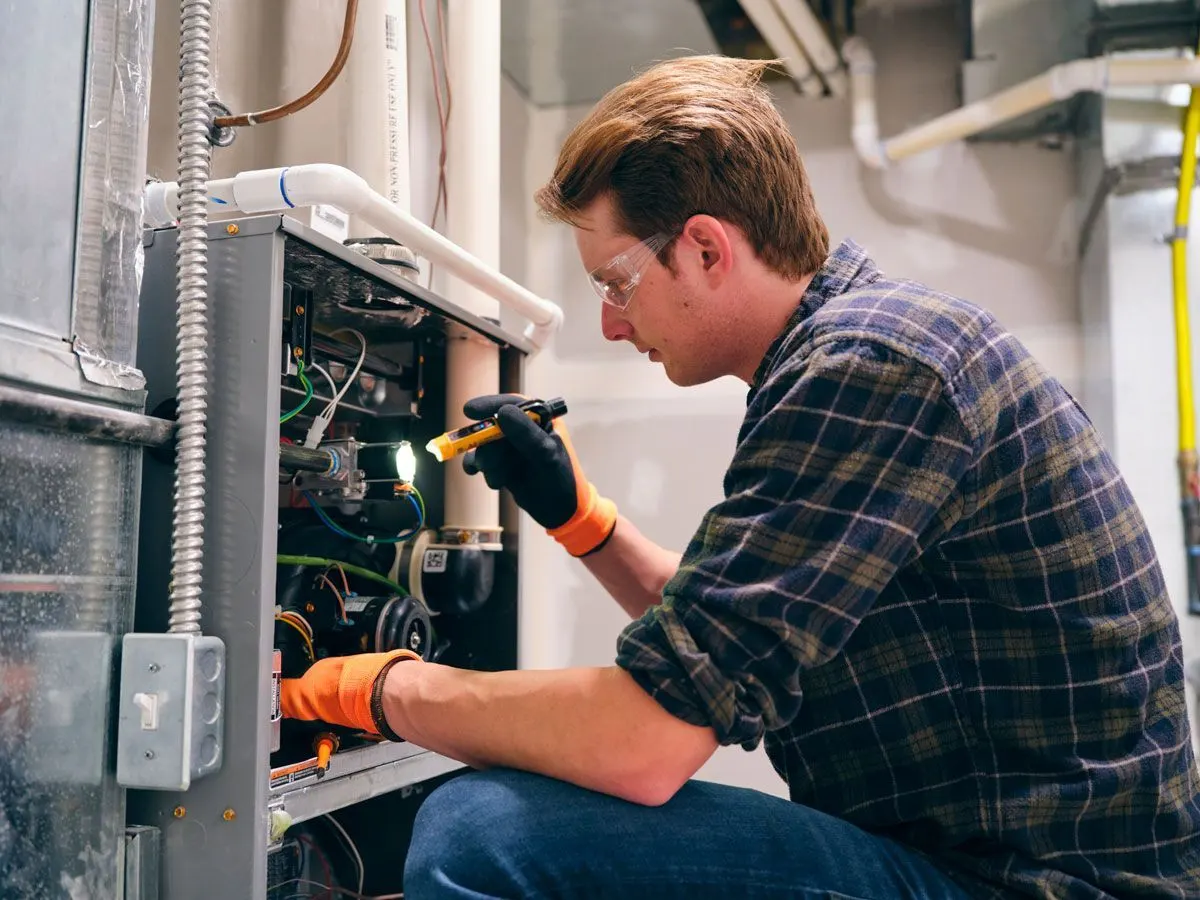
A critical safety warning: Never attempt DIY refrigerant checks, and never open the electrical panels on your indoor or outdoor units. Handling high-voltage capacitors or pressurized chemical refrigerants requires specialized training, licensing, and safety gear. If the basic airflow checks above do not solve the problem, it is time to rely on professional AC Maintenance to diagnose the deeper issue safely.

Minor Fixes: When Continuous Running is a Simple Repair
If your system is running constantly but failing to keep up with the thermostat set point vs actual indoor temperature, you might assume the entire unit needs to be replaced. However, a struggling air conditioner often just needs a targeted, fast repair. Many mechanical issues that cause long, inefficient cycles are surprisingly minor and can be fixed in a single visit.
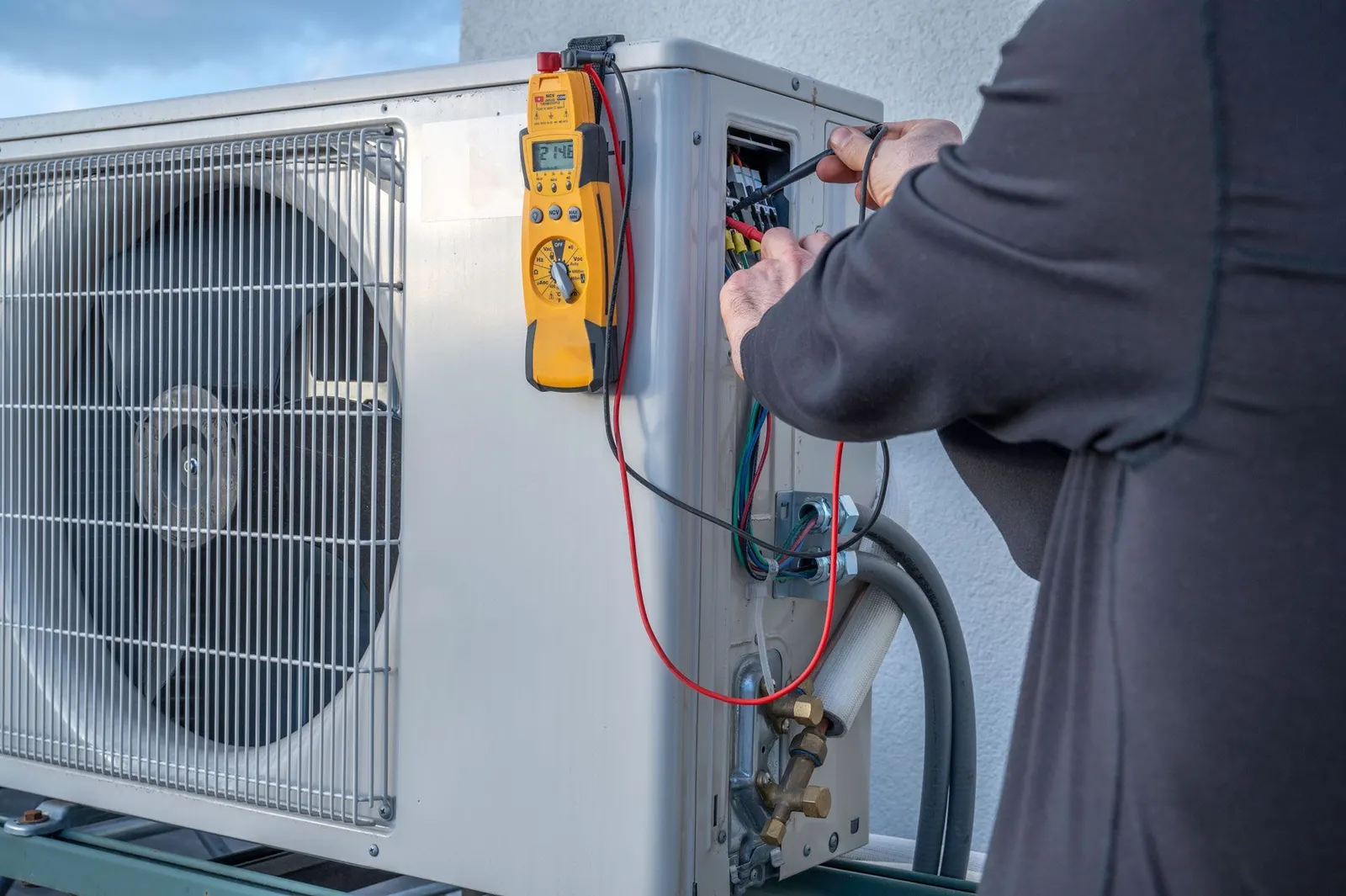
One common culprit is a failing electrical component, such as a dual run capacitor or a worn contactor. The capacitor acts like a heavy-duty battery that provides the initial jolt of energy needed to start the compressor and the fan motors. When a capacitor begins to degrade or burns up completely, the outdoor fan might stop spinning, or the compressor might fail to engage. The indoor blower will continue pushing air through your vents, but because the outdoor unit is not actively cooling the refrigerant, the air feels warm. The system runs endlessly trying to reach the set point, but without the compressor, it never will.
This exact scenario happens frequently during peak summer heat load. One local homeowner reached out when their three-year-old heat pump began malfunctioning and running continuously without cooling. A technician quickly diagnosed the issue—a pressure switch wire was touching the suction line and causing a fault—and the system was promptly repaired in under an hour. These types of electrical and sensor issues can be diagnosed and replaced quickly by a professional. Routine seasonal tune-ups are designed to catch these minor wear-and-tear items before they cause mid-summer breakdowns, saving you from days of uncomfortable heat.
Major Breakdowns: When Continuous Operation Signals System Failure
While many issues are minor, there are clear indicators of when an AC unit has crossed the line from struggling to actively failing. If your system is running constantly but the air coming from the vents is warm, or if the system is making loud grinding or screeching noises, you are likely facing a major mechanical breakdown.
For example, if the outside unit stops completely during 90-degree weather while the indoor fan continues to run, the compressor may have failed or the system may have tripped a high-pressure safety switch. Another homeowner called when their outside air conditioning unit stopped working completely on a 90-degree day. The office scheduled a same-day service call, and the technician was able to explain the failure and restore the unit. However, when core components like the compressor fail on older units, the repair costs can be staggering.
Chronic refrigerant leaks are another major red flag. An air conditioner does not "consume" refrigerant; it circulates it in a closed loop. If your system is low on refrigerant, there is a physical hole in the copper lines or coils. Simply "topping it off" year after year is a non-compliant, temporary fix that forces the compressor to work twice as hard, leading to continuous running and eventual total failure. When evaluating these major repairs, the 15-to-20-year lifespan benchmark for central air conditioners becomes a critical factor. Dropping thousands of dollars into a system that is 18 years old is rarely a wise investment, and it is usually the point where AC Installation and Replacement becomes the most logical step.
AC Repair vs Replace: An Honest Diagnostic Framework
Making the decision between a major repair and a full system replacement can be overwhelming. As a company grounded in strong family values, we believe in providing honest home repairs and transparent diagnostics—never aggressively pushing unnecessary replacements. You deserve a clear breakdown of the facts so you can make the best choice for your home and budget.
When weighing your options, consider the long-term value of repairing a newer unit versus upgrading an inefficient, aging system. Newer systems offer significantly better SEER (Seasonal Energy Efficiency Ratio) ratings, which dramatically improves efficiency and lowers utility bills during a peak summer heat load. If your current system uses older, phased-out refrigerants and requires a major compressor replacement, investing that money into a modern, warranty-backed system is almost always the better financial move.
| System Status & Symptoms | The Case for Repair | The Case for Replacement |
|---|---|---|
| Under 10 years old, minor electrical failure (e.g., bad capacitor) | Highly recommended. Parts are likely under warranty, and the fix is fast and affordable. | Not recommended unless the unit is severely undersized for the home. |
| 10-15 years old, running constantly due to a minor refrigerant leak | Viable if the leak can be permanently brazed and sealed without major coil replacement. | Consider replacement if the leak is in a corroded evaporator coil, as efficiency is already dropping. |
| Over 15 years old, compressor failure or chronic breakdowns | Rarely recommended. The cost of a new compressor on an outdated system offers poor ROI. | Highly recommended. A new system provides better SEER ratings, a fresh warranty, and reliable comfort. |
During a transparent diagnostic visit, your technician should also discuss alternative cooling options if your central system is struggling to cool specific areas, like a sunroom or an upstairs master suite. For example, comparing central air vs mini split systems can reveal that adding a targeted ductless unit is a better solution than ripping out and upsizing your entire central ductwork system.
Frequently Asked Questions About AC Performance in Extreme Heat
When the temperature spikes, homeowners naturally have questions about their system's performance. Here are objective, technical answers to the most common concerns regarding AC run times.
Why is my AC running constantly in extreme heat?
The short answer is that it takes continuous operation to remove heat as fast as it enters your home during peak temperatures. When the outdoor temperature reaches 95 degrees or higher, the heat load on your house is immense. The sun beats down on your roof, and warm air infiltrates through windows and doors. Your air conditioner must run non-stop just to maintain the current indoor temperature. As long as the air coming from the vents is cold and the indoor temperature isn't rising, continuous running is a sign of the system working at its maximum capacity, not a sign of failure.
Is it normal for my AC to run all day in the summer?
Yes, if the outdoor temperature is 20 degrees higher than your thermostat set point, continuous running is normal design behavior. Air conditioners are sized based on average historical high temperatures, not the absolute hottest day of the decade. If you set your thermostat to 70 degrees on a 95-degree day, the system will likely run all day without ever reaching 70 degrees. This long cycle is also essential for latent cooling, which extracts the heavy humidity from the air, making the home feel more comfortable even if the thermostat reads a few degrees warmer than you prefer.
When is it not worth repairing an air conditioner?
A standard rule of thumb is to avoid expensive repairs if the unit is over 15 years old and the repair cost approaches half the price of a new system. As systems age, their efficiency drops and the likelihood of cascading failures increases. If a 16-year-old system suffers a major compressor failure or a severe coil leak, investing thousands of dollars into a repair is a poor financial decision. That money is much better spent on a modern, high-efficiency system backed by a comprehensive 10-year parts warranty.
How do I know if my AC needs to be replaced?
You should consider replacement if you experience frequent breakdowns, rising energy bills despite normal usage, or if your system relies on phased-out refrigerants. If you find yourself calling for repairs every single summer, the system is clearly failing. Additionally, if you notice your utility bills spiking dramatically compared to previous years, it means the internal components are working harder and consuming more electricity to produce the same amount of cooling. An honest diagnostic check can confirm if the wear and tear is irreversible.
Why is my AC running constantly but not cooling?
This usually points to specific mechanical failures like frozen evaporator coils, severe refrigerant leaks, or a dead compressor. If the indoor fan is blowing but the air feels warm, the system cannot remove heat from your home. A clogged air filter can cause the coils to freeze, blocking airflow entirely. A failed capacitor might prevent the outdoor compressor from turning on. Because the thermostat never senses a drop in the room temperature, it continuously signals the system to keep running, resulting in endless cycles that waste electricity without providing any comfort.
Get an Honest Assessment for Your Cooling System
Knowing the difference between normal peak load operation and a true mechanical failure can save you significant time, stress, and money. If your system is maintaining a 20-degree differential during extreme weather, it is doing its job. However, if you have walked through the safe homeowner troubleshooting checklist—like changing your filter and checking your vents—and your thermostat set point vs actual indoor temperature is still drastically mismatched, it is time for an expert set of eyes.
You deserve a definitive, expert explanation of your system's health without high-pressure sales tactics. If your AC is running continuously and blowing warm air, do not wait for a total breakdown. Reach out for a transparent, honest diagnostic visit today to ensure your home stays reliably comfortable all summer long.