
That First Chilly Morning: When Your System Cools Briefly and Shuts Down
Navigating home maintenance tips and troubleshooting becomes especially critical when you wake up on that first 50-degree morning of the year to a chilly house and an HVAC system that refuses to stay running. You walk over to the thermostat, bump the temperature up, and hear the system kick on. Warm air begins to flow, but just a few minutes later, the entire unit abruptly shuts down before the house actually feels comfortable. This frustrating cycle of starting, running briefly, and stopping is one of the most common challenges homeowners face during the seasonal shift.
This rapid on-and-off behavior leaves many homeowners confused, wondering if their equipment is experiencing a harmless seasonal quirk or a serious mechanical failure. During the early fall transition, your climate control system is asked to perform double duty—sometimes cooling during a surprisingly warm afternoon and then heating during a brisk night. This back-and-forth puts unique stress on shared components like the blower motor and indoor coils.
Understanding exactly why your system behaves this way is the first step toward restoring reliable comfort. If you are dealing with a system that refuses to complete a full cycle, reaching out for professional air conditioning services is the safest way to protect your equipment from long-term wear and tear.
Understanding the Mechanics: What is Short-Cycling?
To truly understand why your system cools or heats briefly and then stops, you have to look at a mechanical phenomenon known as short-cycling. Short-cycling occurs when the compressor or furnace burner turns on and off rapidly, terminating the cycle long before the thermostat reaches its set temperature. Instead of running a smooth, continuous cycle to condition the air, the system panics and aborts the process.
The hidden costs of rapid cycling:
Every time your HVAC system starts up, it draws a massive surge of electricity—significantly more power than it uses while simply running continuously. When a system short-cycles, it demands that massive power surge over and over again. This places immense strain on your electrical components, particularly the compressor and the run capacitor. Over time, this repeated stress can lead to premature component failure and drastically increased monthly energy consumption.
One Williamsport homeowner experienced the reality of this mechanical stress firsthand during a morning emergency when they woke up to a house with absolutely no heat. Because they recognized the rapid cycling wasn't normal, they reached out immediately. A service technician arrived promptly, diagnosed the underlying fault causing the rapid shut-offs, and fixed the problem quickly and affordably before it could destroy the compressor.
Normal Operation vs. Short-Cycling
It helps to know exactly what a healthy cycle looks like compared to a failing one. Here is a breakdown of how your system should operate under normal conditions versus when it is trapped in a short-cycle loop:
| Operational Metric | Normal HVAC Cycle | Short-Cycling System |
|---|---|---|
| Cycle Duration | 15 to 20 minutes per cycle | Under 10 minutes (often just 2 to 5 minutes) |
| Temperature Consistency | Even temperatures throughout the home | Hot and cold spots in different rooms |
| Component Wear | Gradual, expected wear over 10-15 years | Accelerated wear on contactors and compressors |
| Energy Efficiency | Optimal power usage after initial startup | High energy spikes from constant restarting |
If your system's behavior aligns with the right-hand column, you likely need a professional AC repair service in Williamsport to diagnose the root cause and restore normal operation.
Normal Seasonal Quirks vs. Actual Mechanical Failures
During the September early fall transition, your system will exhibit some behaviors that are entirely normal, alongside others that are massive red flags. The most common source of panic during the first chilly morning of the year is the infamous burning dust smell. When you switch your thermostat to "heat" for the first time in months, you might notice a distinct, slightly acrid odor wafting from your vents.
The cause of the odor:
Throughout the long summer cooling season, dust, pet dander, and microscopic airborne debris settle on the furnace's heat exchanger and burners. Because these components sit dormant while the AC runs, the dust accumulates undisturbed. The very first time the burners ignite in the fall, that accumulated dust instantly burns off. This creates a temporary odor that usually dissipates within 15 to 30 minutes. A brief burning smell is usually a harmless seasonal quirk, but rapid, repeated system shut-offs are not.
When to Worry and When to Wait
The shift from heavy summer cooling to early fall heating stresses dual-system components. To help you differentiate between a harmless transition issue and a true mechanical failure, keep an eye out for these specific symptoms:
- Harmless quirk: A burning smell that lasts less than an hour on the first heating day of the year.
- Mechanical failure: A persistent electrical burning smell that smells like melting plastic or ozone, which indicates a failing wire or motor.
- Harmless quirk: The system taking an extra minute to blow warm air as the heat exchanger comes up to temperature.
- Mechanical failure: The blower motor turning on, running for three minutes, and shutting off before the room temperature changes at all.
- Harmless quirk: Minor popping sounds from ductwork expanding as warm air hits cold metal.
- Mechanical failure: Grinding, squealing, or violent shuddering noises coming directly from the indoor cabinet or outdoor condenser.
If your system exhibits any of the mechanical failure symptoms, it is actively protecting itself from further damage by shutting down. Forcing it to run by constantly resetting the thermostat will only turn a minor repair into a major replacement.

Common Culprits Behind an AC That Stops Cooling
When an air conditioner or heat pump aborts its cooling cycle prematurely, it is usually because a built-in safety sensor has detected an operating condition that could destroy the equipment. These sensors act as the brain's defense mechanism. Here are the specific technical reasons why a cooling cycle will stop shortly after it begins:
- Dirty Air Filters Restricting Airflow: The single most common reason a system short-cycles is a clogged air filter. Your HVAC system requires a very specific volume of air moving over the indoor coils to function. When a filter is packed with summer dust and pollen, it chokes the blower motor. The system rapidly overheats, and the high-limit switch steps in to shut the entire unit down to prevent a fire hazard.
- Frozen Evaporator Coils: Williamsport's high summer humidity forces air conditioners to work overtime extracting moisture from the air. As outdoor temperatures begin to drop in early fall, a system with poor airflow or slightly low refrigerant can easily freeze. The moisture in the air literally turns to solid ice on the evaporator coil. Once the coil is encased in ice, heat transfer stops completely, and the system shuts down to protect the compressor from liquid slugging.
- Thermostat Miscalibration: Modern thermostats are incredibly sensitive. During the fall transition, rapid outdoor temperature swings can confuse older or poorly placed sensors. If a thermostat is located near a drafty window or in direct sunlight, it may read a false temperature, telling the system that the room is already cool and forcing it to shut off just minutes after starting.
- Oversized Units: Bigger is rarely better when it comes to climate control. If your system has a higher tonnage capacity than your square footage requires, it will blast the space with cold or hot air, satisfying the thermostat in just five minutes. While this sounds great in theory, it prevents the system from running long enough to remove humidity, leaving your home feeling clammy and causing the unit to short-cycle constantly.
Addressing these common culprits early is exactly why scheduling routine AC maintenance before the seasons fully shift is so critical. A technician can catch a dirty coil or a failing sensor before it leaves you stranded on a freezing night.
The Hidden Danger of Refrigerant Leaks and Electrical Faults
While changing a dirty air filter is a simple task any homeowner can handle, many causes of short-cycling involve high-voltage electricity and pressurized chemicals. These hidden dangers require specialized training, specific EPA certifications, and professional diagnostic tools to resolve safely.
The threat of low refrigerant:
Air conditioners and heat pumps do not "consume" refrigerant like a car consumes gas. The refrigerant lives in a closed, sealed loop. If your system is low on refrigerant, it means there is a physical leak somewhere in the copper lines or coils. When refrigerant drops, the pressure inside the system drops with it. Modern units are equipped with a low-pressure safety switch. The moment this switch detects that pressure has fallen below a safe threshold, it instantly cuts power to the compressor. The system might try to restart a few minutes later, only to trip the switch again, resulting in a continuous short-cycle.
Electrical faults and failing capacitors:
Your outdoor compressor requires a massive jolt of electricity to start spinning. This jolt is provided by a component called a run capacitor, which acts like a powerful, rechargeable battery. Over time, heat and heavy use degrade the capacitor. When it begins to fail, it cannot deliver enough voltage to keep the compressor running smoothly. The compressor overheats, trips its internal thermal overload protector, and shuts down.
Opening the electrical cabinet, testing a high-voltage capacitor, or handling chemical refrigerant is never a safe DIY project. Attempting to bypass a safety switch or recharge a system without finding the leak first can result in catastrophic equipment failure or severe personal injury. If you suspect an electrical fault or a leak, the only safe path forward is booking a professional AC inspection.
How Summer Dormancy Affects Fall Furnace Performance
Because the September transition involves both cooling and heating, it is vital to understand how the long summer months impact your furnace. Homeowners often assume that because the furnace hasn't been used since March, it should be perfectly fresh and ready to run in October. In reality, mechanical systems degrade when they sit idle.
While your air conditioner was working hard all summer, the furnace burners, igniters, and flame sensors were sitting dormant in a dark, slightly humid basement or utility closet. During this dormancy, microscopic dust particles settle on the delicate surface of the flame sensor. Minor oxidation and corrosion can build up on the igniter. When you finally call for heat on that first chilly morning, the igniter may struggle to glow hot enough, or the dirty flame sensor may fail to detect the burner's flame.
The shared blower motor:
It is also important to remember that your AC and furnace share a critical component: the indoor blower motor. The fan that pushes cold air in July is the exact same fan that pushes warm air in November. If the blower motor was strained by a dirty filter or a failing capacitor during the summer, that preexisting damage doesn't magically disappear when the seasons change. The motor will struggle to push warm air, potentially causing the furnace heat exchanger to overheat and trip its high-limit switch.
This deep interconnection between the two systems is why addressing cooling issues promptly prevents unexpected heating failures later. For more insight into how these shared components interact, understanding why your AC cools then stops cooling gives you a tremendous advantage in protecting your entire HVAC setup.
Transparent Diagnostics: Knowing When to Call an Expert
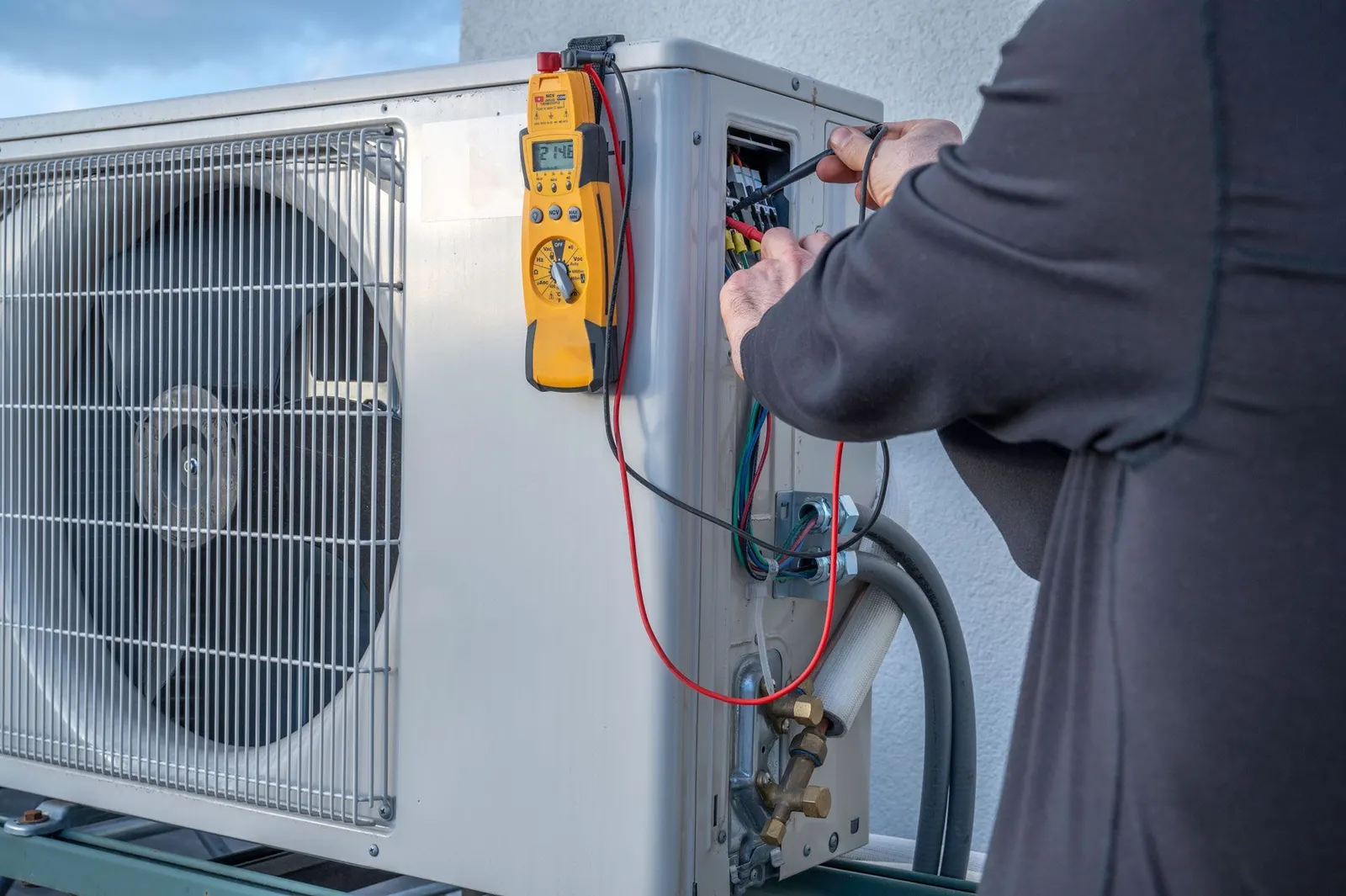
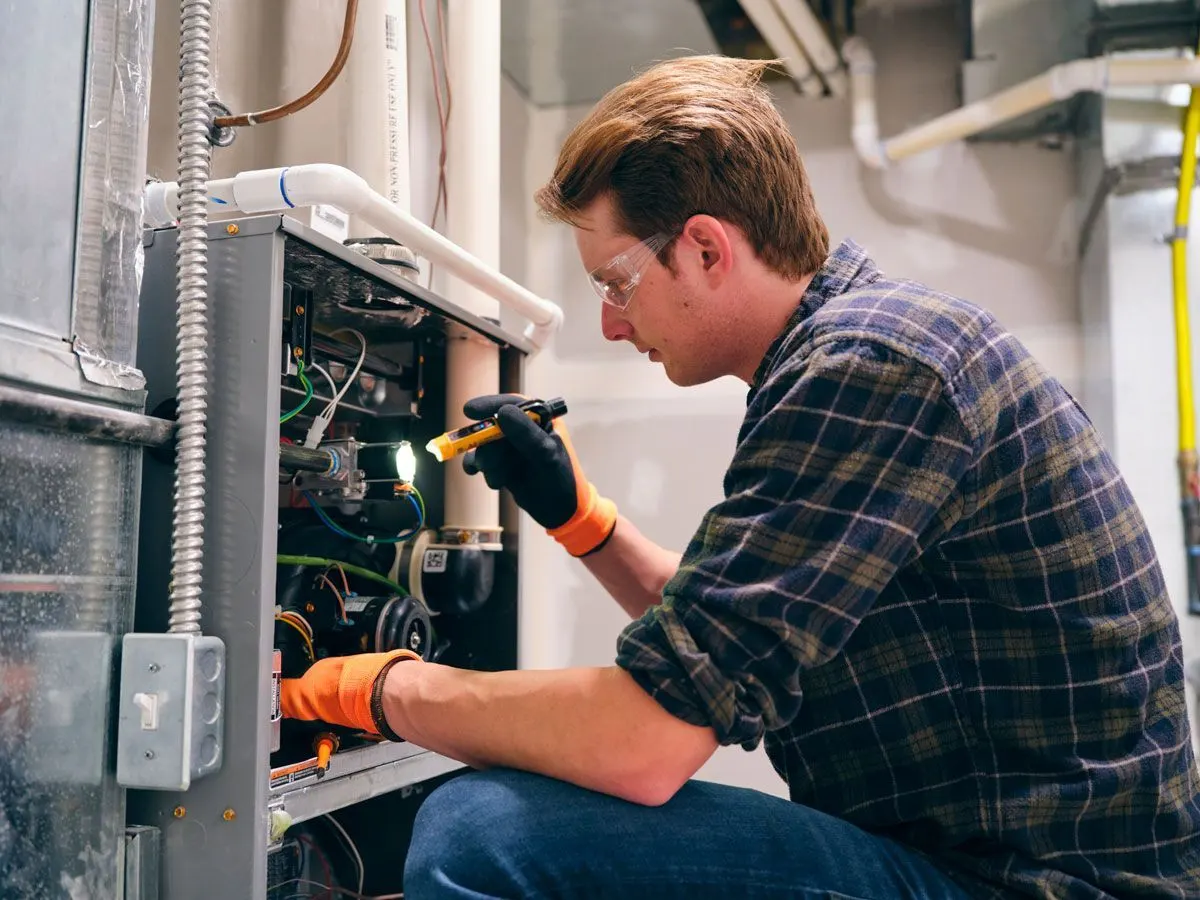
When you are faced with a system that simply won't stay running, the right next step is partnering with a professional who prioritizes education over aggressive sales tactics. While changing a filter is always a great first step, persistent short-cycling requires proper diagnostic tools like digital manifolds and multimeters to uncover the true root cause.
A professional technician doesn't just guess at the problem; they measure the static pressure in your ductwork, test the microfarad output of your capacitors, and check the temperature drop across your evaporator coil. This comprehensive approach ensures you understand the 'why' behind the breakdown. Working with a team that values family-oriented integrity means you get transparent diagnostics—ensuring you understand the true issue without fear of pushy sales tactics.
This commitment to transparency applies year-round, no matter the season. For example, one local customer faced a complete unit failure over a hot Memorial Day weekend. Instead of using the holiday emergency to push a high-pressure replacement sale, the responding technician provided a temporary cooling solution to keep the family comfortable while warrantable replacement parts were shipped and installed. That level of honest assessment prioritizes system longevity and true peace of mind over a quick sale.
Frequently Asked Questions
Why does my AC run for 10 minutes then shut off?
This behavior is known as short-cycling, and it usually indicates a restricted airflow issue or a failing electrical component. The most common cause is a severely clogged air filter that causes the system to overheat and trip a safety switch. If replacing the filter does not solve the issue, a professional needs to inspect the unit for low refrigerant or a failing run capacitor.
How do I fix an AC that short cycles?
The first and only DIY step is to check and replace your indoor air filter, ensuring all room vents are fully open and unblocked by furniture. If the filter is clean and the system continues to short-cycle, the fix requires a licensed technician. They will need to test the electrical components, clean the evaporator coil, or locate and repair a refrigerant leak using specialized tools.
Why does my AC blow cold air then stop?
When an AC blows cold air initially but stops prematurely, the evaporator coil may be freezing over due to poor airflow or low refrigerant. The system produces cold air until the ice buildup completely blocks the heat transfer process, forcing the safety limit switch to shut the compressor down. Allowing the system to thaw and calling for a professional inspection is the safest response.
Is a burning smell normal when turning on the heat for the first time?
Yes, a brief burning dust smell is entirely normal during the first heating cycle of the early fall transition. Dust and airborne particles settle on the furnace burners and heat exchanger during summer dormancy, and this debris burns off when the system ignites. However, if the smell resembles melting plastic or lasts longer than 30 to 60 minutes, turn the system off immediately and call a technician.
Why does my HVAC system short cycle during the fall transition?
During the fall transition, rapid outdoor temperature swings can confuse older thermostats, causing them to misread the indoor climate and shut the system down prematurely. Additionally, the stress of switching back and forth between cooling and heating exposes underlying wear and tear on shared components like the blower motor and run capacitor.
Can a dirty air filter cause my AC to stop cooling?
Absolutely. A dirty air filter is the leading cause of HVAC performance issues because it chokes the blower motor of the air it needs to function. Without adequate airflow, the indoor coil drops below freezing, the system overheats, and built-in safety mechanisms shut the entire unit down to prevent permanent mechanical damage.
Protecting Your Comfort Through the Transition
Navigating the shift from summer cooling to fall heating doesn't have to be a stressful guessing game. By understanding the clear criteria for distinguishing between normal seasonal startup quirks and actual mechanical failures, you can protect your equipment from unnecessary wear. A safe, non-DIY understanding of your system's mechanics proves exactly why pre-season professional tune-ups matter. If you are tired of a system that short-cycles and leaves you uncomfortable, scheduling a thorough diagnostic check before the winter freeze hits will ensure your home stays perfectly conditioned all season long.