
The Frustration of an AC That Cools Then Stops Cooling
If you are searching for home maintenance tips and troubleshooting advice because your AC is running nonstop but your living room still feels sticky and uncomfortably warm, you are not alone. At Comfort Central Inc., our team fields countless calls just like this during the late-summer back-to-school transition. You hear the familiar hum of the equipment outside, and maybe a brief blast of cold air comes through the vents, but it abruptly stops cooling long before the house reaches the temperature you set on the thermostat. Dealing with the thick, heavy late-summer August humidity makes this physical discomfort even worse. You are left sweating indoors, listening to the system struggle, and wondering exactly what went wrong behind the scenes.
The primary decision point you face right now is figuring out if your system is just struggling with minor end-of-season wear, or if this behavior points to a failing component that requires immediate professional intervention. Before you start worrying about replacing the entire unit, it helps to understand the mechanics of why an air conditioner loses its cooling power. For comprehensive support, exploring Air Conditioning Services can give you a baseline of what to expect, and reaching out for professional AC repair service is often the safest way to restore your home's comfort without risking further damage to the equipment.
Is It Short-Cycling or a Humidity-Handling Failure?
When your air conditioner seems to cool for a few minutes and then gives up, you are usually dealing with one of two distinct problems: true short-cycling or a humidity-handling failure. Understanding the difference between a temperature-cooling failure and a humidity-handling failure is critical for getting your home comfortable again.
The Problem: As we often see in our daily service calls, the heavy late-summer heat and extreme humidity in Washington County put an incredible load on your HVAC system. A system that ran perfectly fine in June or July might suddenly start struggling by late August because the environmental demands have peaked and overwhelmed the unit's dehumidification capacity. You might notice the air coming from the vents feels lukewarm, or the system turns on and off rapidly.
The Cause: True short-cycling happens when the cooling cycle terminates prematurely. The physical equipment turns on, runs for a brief period (often less than ten minutes), and then abruptly shuts down before reaching the thermostat's set temperature. On the other hand, a humidity-handling failure means the system runs continuously, but it has lost its ability to dehumidify the air. The fan keeps blowing, but because the moisture is not being extracted, the air inside feels warm and heavy. If you are trying to figure out why your system is running constantly, distinguishing between these two behaviors is the missing puzzle piece.
The Solution: To diagnose what is happening in Williamsport MD and surrounding Washington County, you need to listen to the unit and feel the air. Here is a quick breakdown of what to look for:
| Symptom | System Behavior | Likely Root Cause |
|---|---|---|
| Rapid on/off switching | Unit runs for 5-10 minutes, stops, repeats | Electrical safety switch, oversized unit, or severe airflow restriction |
| Constant running, no cold air | Fan blows continuously, air feels sticky | Frozen coil, refrigerant issue, or clogged condensate drain |
Both of these symptoms share common root causes that require prompt investigation before they lead to permanent equipment damage.
How Restricted Airflow Leads to Frozen Evaporator Coils
One of the most common reasons an air conditioner stops blowing cold air is a frozen evaporator coil. While it might sound strange to have a block of ice inside your HVAC system during the hottest part of the year, it happens frequently when airflow is restricted.
By the time we reach the late-summer August humidity, your air filter has likely trapped months of dust, pet dander, and airborne particles. If that filter is not changed regularly, it becomes a dense wall that blocks warm indoor air from pulling through the return vents. According to the U.S. Department of Energy (DOE), a dirty air filter can reduce your system's efficiency by up to 15 percent. But the consequences go far beyond just higher energy bills—it directly impacts the system's ability to cool your home.
The Freezing Process Explained
When airflow is restricted, the normal cooling process completely breaks down. Here is exactly how a dirty filter turns into a frozen system:
- Lack of heat transfer: Your air conditioner does not actually "make" cold air; it removes heat from the indoor air. The warm air must blow over the indoor evaporator coil for this heat transfer to happen.
- Temperature drop: Without enough warm air moving across the coil, the cold refrigerant inside the copper lines causes the coil's temperature to drop below freezing.
- Condensation freezes: The natural moisture and condensation that the system pulls from the humid indoor air instantly freezes upon contact with the super-cooled metal coil.
- Ice blockage: A solid block of ice forms over the fins, acting as an insulator and completely blocking any remaining airflow.
Once the coil is frozen solid, cold air cannot circulate through your ductwork. The fan will continue to push air, but it will feel like room-temperature air. To you, it feels like the AC simply stopped cooling, but inside, the system is suffocating under a layer of ice.
Electrical Strain: When the Compressor Shuts Down
If your system is genuinely short-cycling—turning on and off rapidly—the physical toll on the equipment is severe. The compressor, located in the outdoor unit, is the heart of your air conditioning system. It acts as the pump that circulates refrigerant between the indoor and outdoor coils.
The compressor draws an immense amount of electricity during startup. In fact, starting the compressor requires significantly more power than keeping it running. When a system short-cycles, it forces the compressor to endure this massive electrical surge over and over again, multiple times an hour. This constant stopping and starting generates excessive heat and places tremendous strain on the electrical components that support the compressor.
The Vulnerability of Capacitors
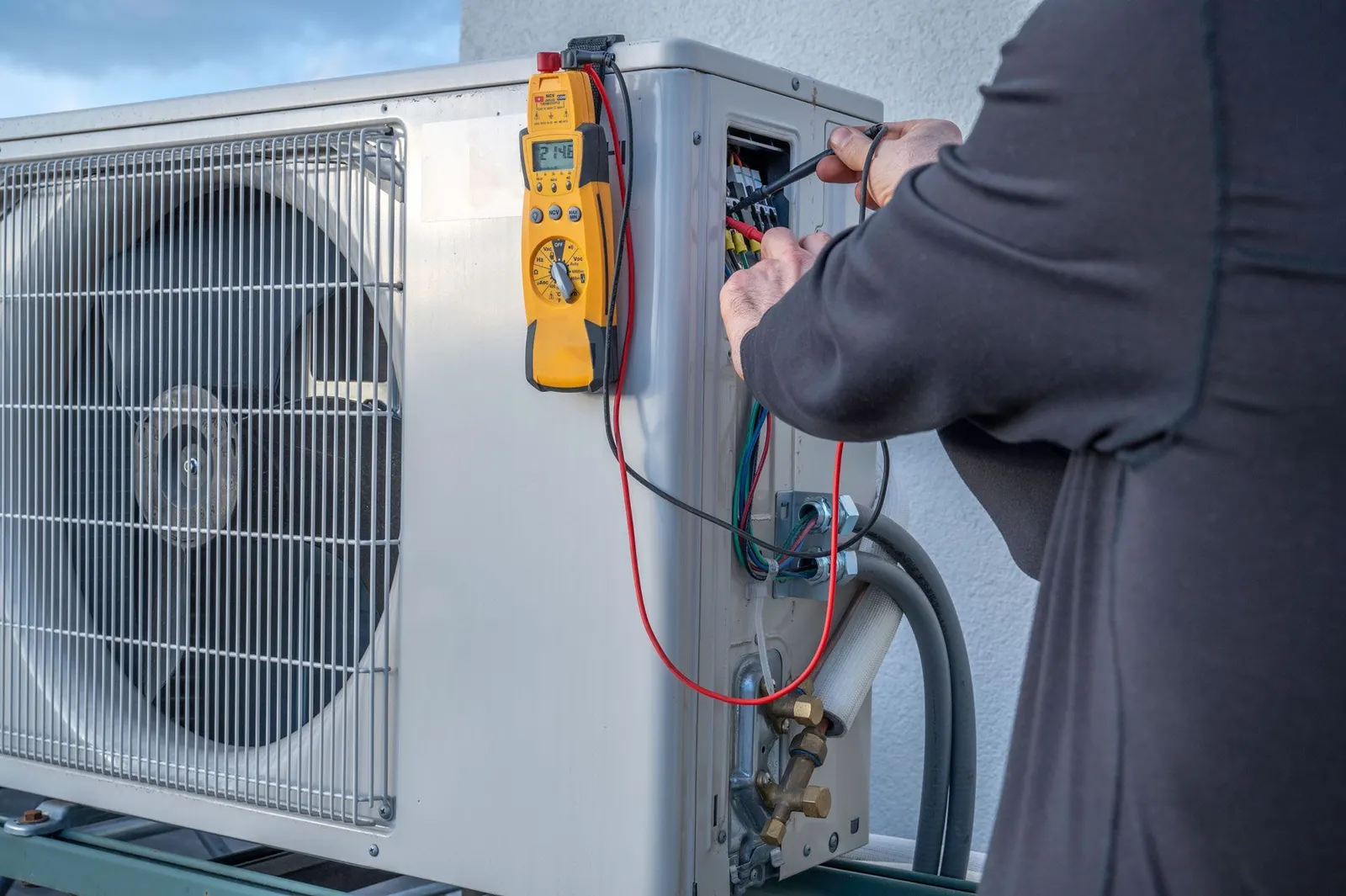
Capacitors are small, cylindrical devices that store energy and give the compressor and fan motors the extra electrical jolt they need to start up. Under the stress of rapid cycling, these capacitors can easily overheat, swell, and eventually burn out. When a capacitor fails, the compressor cannot start. You might hear a humming or clicking sound from the outdoor unit, but the fan will just blow un-cooled air through your home.
This is a common pattern our technicians at Comfort Central Inc. see across Williamsport MD and surrounding Washington County during peak heatwaves. We recently helped a local family who experienced this firsthand during the late-summer heat when a capacitor burned up on their indoor blower, causing the system to stop cooling. Because they reached out promptly, our technician arrived quickly with the correct part in stock, and the repair was completed in less than 30 minutes.
Many modern systems also feature built-in safety mechanisms, like thermal overload switches, that will intentionally shut the compressor down if it gets too hot. This safety feature prevents catastrophic failure, but it results in the system blowing room-temperature air. Addressing short-cycling quickly prevents a minor electrical replacement from escalating into a complete, full-system compressor failure.
End-of-Season Wear and Clogged Condensate Lines
The Problem: As your air conditioner runs throughout the summer, it acts as a massive dehumidifier. In our years of maintaining local HVAC systems, we've seen how the Williamsport MD summer humidity averages force AC units to work overtime, extracting gallons of water from your indoor air every single day. By late summer, this constant moisture removal takes a massive toll on the system's drainage components.
The Cause: All that extracted water drips into a drain pan and flows outside through a PVC pipe known as the condensate drain line. Because the drain pan is dark, damp, and constantly wet, it becomes the perfect breeding ground for algae, mold, and biological slime. Over the course of a long cooling season, this sludge builds up inside the narrow PVC pipe. Eventually, the buildup creates a complete blockage, preventing the water from draining away safely.
The Solution: To prevent water from overflowing the pan and causing severe ceiling or floor damage inside your home, modern air conditioners are equipped with a safety device called a float switch. When the water level in the drain pan rises too high because of a clogged line, the float switch trips and automatically cuts the power to the cooling function.
When this safety switch activates, the outdoor compressor shuts off, but your indoor fan may continue to run. This creates a highly confusing situation for homeowners: you hear the system running, and air is blowing out of the vents, but it is entirely warm air. The system has intentionally stopped cooling to protect your home from water damage. Clearing the thick, late-summer August humidity sludge out of the drain line is usually required to reset the switch and restore the cooling cycle.
Safe Homeowner Checks Before Calling a Professional
When your air conditioner starts acting up, it is tempting to try and fix it yourself. However, modern HVAC systems are complex and carry high-voltage electricity and pressurized chemicals. Establishing firm boundaries between safe homeowner maintenance and licensed professional repairs is crucial for your personal safety and the longevity of your equipment.
Before you pick up the phone, our team recommends a few safe, non-technical troubleshooting steps you can take. If you live in Williamsport MD and surrounding Washington County, run through this checklist first:
- Check thermostat settings: Ensure the thermostat is explicitly set to "cool" and the temperature is set lower than the current room temperature. Verify that the fan setting is on "auto" rather than "on." If the fan is set to "on," it will blow air continuously 24/7, even when the outdoor cooling unit is resting, which makes it feel like the system is blowing warm air.
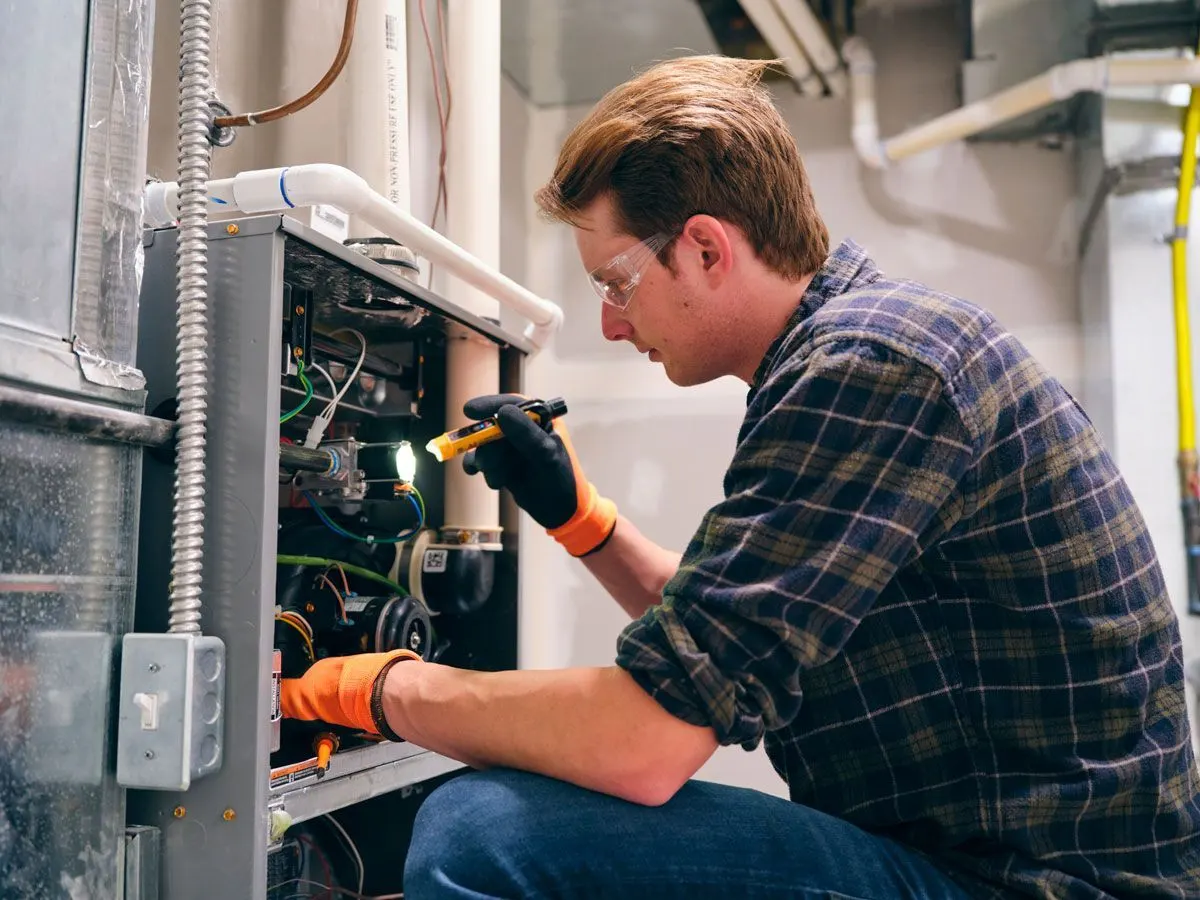
- Inspect the air filter: Turn off the system and pull out the indoor air filter. Hold it up to a light source. If you cannot see light passing through it, it is clogged with late-summer dust and debris. Replace it immediately with a fresh filter to restore proper airflow.
- Look for ice on the indoor coil or refrigerant lines: Check the copper lines running to your indoor unit. If you see frost or solid ice, your system is frozen. Turn the thermostat setting from "cool" to "off," but turn the fan to "on." This will blow warm indoor air over the ice to help it thaw. Do not try to scrape the ice off, as this can puncture the delicate coils.
- Ensure the outdoor unit is clear: Walk outside and inspect the condenser unit. Remove any tall grass, fallen leaves, branches, or debris blocking the metal fins. The unit needs at least two feet of clear clearance on all sides to properly exhaust the heat it pulls from your house.
- Establish firm boundaries: Never attempt to check refrigerant levels, handle high-voltage electrical components, or open sealed equipment panels without a proper license. These tasks require specialized training and tools to perform safely.

Recognizing When You Need Fast Local Diagnostics
If you have walked through the basic airflow and thermostat checks and your system still cools for a bit and then stops, it is time to halt the DIY troubleshooting. Persistent short-cycling or a continuous lack of cold air means the system requires professional diagnostic tools to accurately uncover the root cause.
Ignoring a system that exhibits these symptoms is risky. Forcing an air conditioner to run when it is constantly tripping safety switches or struggling with a frozen coil can lead to permanent compressor damage. What might have started as a simple airflow issue or a minor electrical part replacement can quickly turn into a massive, costly repair if the equipment is continuously pushed past its operational limits.
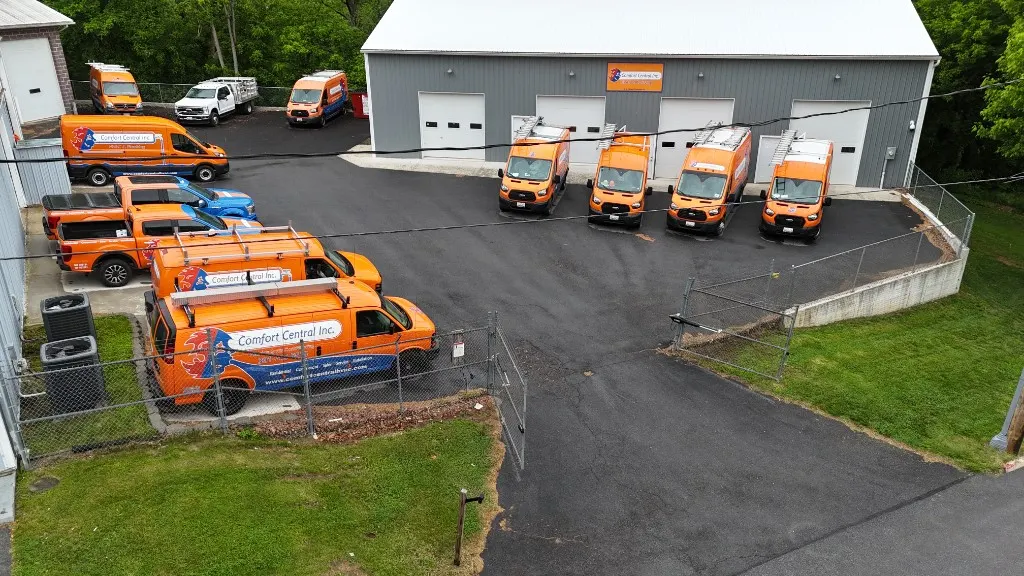
Accurately identifying whether the interruption is a simple fix or a complex refrigerant leak requires a trained eye. This is where our team's fast, reliable local diagnostics at Comfort Central Inc. make all the difference. Having our professionals evaluate the system ensures that the exact cause is isolated, preventing a minor late-summer August humidity issue from becoming an emergency breakdown.
Prompt intervention can restore your comfort quickly, even on the hottest days. We recently assisted a homeowner who woke up to a sudden morning emergency where their climate control system failed completely. Our service tech arrived promptly, diagnosed the underlying issue accurately, and fixed the problem affordably with total honesty. When you need dependable answers, reaching out for AC repair in Williamsport ensures your home returns to a safe, comfortable temperature without unnecessary delays.
Frequently Asked Questions
Why does my AC blow cold then room temperature?
This usually happens when the outdoor compressor shuts off while the indoor fan continues to run. It is often caused by a tripped safety switch, an overheating compressor, or a frozen evaporator coil. Checking your air filter and thermostat settings is the best first step to rule out basic airflow issues.
What causes an AC to short cycle?
Short-cycling occurs when the system turns on and off rapidly before reaching the set temperature. Common causes include an oversized AC unit, severe airflow restrictions from dirty filters, failing electrical capacitors, or low refrigerant levels tripping pressure switches. Because short-cycling damages the compressor, it requires prompt attention.
Why does my AC turn off before it reaches the set temperature?
Your AC turns off prematurely when a safety mechanism detects a critical problem, such as an overheating motor or a clogged condensate drain line tripping the float switch. It can also happen if the thermostat is malfunctioning or placed in a location where it gets false readings, like direct sunlight. Professional diagnostics can pinpoint the exact sensor or switch causing the shutdown.
What causes an AC compressor to shut off after a few minutes?
A compressor shuts off quickly due to electrical strain, thermal overload, or pressure imbalances within the refrigerant lines. A failing start capacitor is a frequent culprit, as it struggles to provide the necessary electrical boost, causing the compressor to overheat and shut down to prevent permanent damage.
How can I tell if my evaporator coil is frozen?
You can often tell your evaporator coil is frozen if you see visible frost or solid ice on the copper refrigerant lines running to your indoor unit. You might also notice a significant drop in airflow from your vents, or the air feeling warm despite the system running constantly. If you suspect a freeze-up, turn the cooling off and leave the fan on to help it thaw.
Can high humidity cause my AC to stop cooling effectively?
Yes, extreme humidity forces your air conditioner to work significantly harder to extract moisture from the air before it can lower the actual temperature. If the humidity is too high, the system may run constantly but fail to dehumidify properly, leaving your home feeling sticky and warm even though the equipment is technically functioning.
Getting to the bottom of why your air conditioner cools and then stops does not have to be a guessing game. By understanding the common causes of end-of-season wear, checking your filters, and knowing when to call for professional help, you can protect your equipment. Reliable diagnostics provide the clear explanation and safe solutions you need to restore your home's comfort.