
Navigating Intermittent AC Failures During the Late Summer Heat
By the time late summer arrives, the relentless heat has already put your cooling equipment through its paces, which is why finding reliable home maintenance tips and troubleshooting is essential when your system runs for a few minutes and then abruptly shuts off. You hear the compressor kick on, feel a brief rush of cold air from the vents, and then, before the room even begins to feel comfortable, the system powers down again. The August late-summer cooling load is notoriously heavy, and an air conditioner that continuously cycles on and off without actually cooling your living space is both frustrating and concerning.
This rapid on-and-off behavior is known in the HVAC industry as short-cycling. It is not a quirk of the weather, nor is it something that will resolve itself as the temperatures drop. Instead, it is a clear mechanical symptom indicating that your system is struggling under the cumulative weight of the season. Before assuming the worst about your air conditioning systems, it helps to understand the objective mechanical realities behind these intermittent cooling drops. The goal of effective home maintenance tips and troubleshooting is to help you identify whether you are dealing with a basic airflow restriction that you can safely correct, or a serious mechanical issue that requires immediate professional intervention.
Understanding Short-Cycling: Why Your System Turns Off Prematurely
To fully grasp why your air conditioner is behaving erratically, a core part of home maintenance tips and troubleshooting involves understanding what a normal cooling cycle looks like. Under standard conditions, an air conditioning system should run for approximately 15 to 20 minutes per cycle. This duration is critical because your AC has two primary jobs: removing sensible heat (lowering the temperature) and removing latent heat (extracting humidity from the air). If the system does not run long enough, it cannot effectively dehumidify the space, leaving your home feeling cold but uncomfortably clammy.
Short-cycling occurs when the compressor turns on and off too rapidly to complete this full, standard cooling cycle. Instead of running for 15 minutes, the system might run for only three to five minutes before shutting down. By the time August arrives, the cumulative summer run-time has already subjected the internal components to hundreds of hours of continuous operation. This end-of-season fatigue makes Williamsport MD area homes particularly susceptible to short-cycling, as minor issues that began in June compound into major operational hurdles by late summer.
It is crucial to recognize that short-cycling is a symptom, not an independent breakdown. The rapid shutdowns are almost always triggered by built-in safety switches designed to protect the compressor from catastrophic damage. When the system detects abnormal pressure, extreme heat, or electrical instability, it cuts the power. If your system is stuck in this loop, scheduling a professional AC repair service is the safest way to diagnose the root cause without risking further damage to the equipment.
| Operational Metric | Normal Cooling Cycle | Short-Cycling System |
|---|---|---|
| Cycle Duration | 15 to 20 minutes per cycle | Under 10 minutes (often 2-5 minutes) |
| Humidity Removal | Excellent (pulls moisture effectively) | Poor (leaves the house feeling clammy) |
| Component Wear | Standard, expected wear and tear | Severe strain on the compressor and contactor |
| Energy Efficiency | Optimal power consumption | High energy waste due to constant restarting |
5 Common Reasons Your Air Conditioner Cools and Then Stops
When diving into home maintenance tips and troubleshooting for a system that cools and then stops, the diagnostic process always begins by looking at the most common mechanical culprits. While the August late-summer cooling load exacerbates these issues, the underlying triggers usually fall into one of five categories. Understanding these triggers is essential if you want to understand why your AC stopped cooling completely.
1. Dirty or Clogged Air Filters
The airflow suffocator: The most frequent cause of short-cycling is also the easiest to prevent. Your air conditioner relies on a precise volume of air moving across the indoor evaporator coil to function properly. When an air filter becomes heavily clogged with dust, pet dander, and debris, it acts like a wall, suffocating the system. According to the U.S. Department of Energy, replacing a dirty, clogged filter with a clean one can lower an air conditioner's energy consumption by 5% to 15%. When airflow is restricted, the internal temperature of the system rises, causing the blower motor to overheat and triggering a thermal limit switch that shuts the entire unit down prematurely.
2. Frozen Evaporator Coils
The ice block effect: Related directly to poor airflow or low refrigerant levels, a frozen evaporator coil is a major reason for intermittent cooling. Inside your home, the evaporator coil absorbs heat from your indoor air. If there is not enough warm air blowing across the coil, the temperature of the refrigerant drops below freezing. The natural condensation on the coil turns to ice. The system will blow cold air briefly until the ice block completely restricts the airflow, at which point the safety switches will kill the power to prevent liquid refrigerant from flowing back to the compressor.
3. Thermostat Miscalibration or Placement
The ghost readings: Sometimes the mechanical components of the AC are perfectly fine, but the brain of the system—the thermostat—is sending erratic signals. If a thermostat is placed in direct sunlight, near a heat-producing appliance, or directly over a supply vent, it will read the wrong temperature. It might sense that the room has reached the target temperature in just a few minutes and shut the system off. Additionally, electrical faults between the thermostat and the control board can cause sudden stops. For example, one afternoon, a local homeowner dealt with a sudden loss of cooling. Upon inspection, a technician found that a capacitor had burned up on the indoor blower. Because the part was in stock, the afternoon repair was completed quickly, restoring airflow and preventing further short-cycling.
4. Refrigerant Leaks
The pressure drop: Air conditioners do not consume refrigerant; it circulates in a closed loop. If your system is low on refrigerant, there is a leak somewhere in the lines or coils. Low refrigerant alters the delicate pressure balance inside the system. Modern air conditioners are equipped with low-pressure safety switches. When the system turns on and the pressure drops below a safe threshold, the switch automatically shuts the compressor off to prevent it from pulling a vacuum or overheating. This results in the classic "cools for a minute, then stops" behavior.
5. Oversized AC Units
The rapid cooling flaw: Bigger is not always better in HVAC. If your air conditioner is too large for your home's square footage, it will cool the air much faster than it can remove the humidity. The thermostat registers that the target temperature has been reached and shuts the system down quickly. Because the humidity was never removed, the house warms up quickly, prompting the oversized unit to turn right back on. This mechanical reality leads to continuous, rapid on/off cycles that wear out the equipment prematurely.

The Impact of High Humidity on Mid-Atlantic Cooling Systems
Proper home maintenance tips and troubleshooting must always take the local climate into account. In the mid-Atlantic region, the weather is not just hot; it is incredibly thick with moisture. Williamsport MD area homes face a unique challenge because local cooling systems must manage both sensible heat (the actual temperature reading) and latent heat (the heavy humidity in the air).
When an air conditioner runs, it acts as a massive dehumidifier. Warm, moist indoor air is pulled across the cold evaporator coil. The moisture in the air condenses on the cold metal, drips into a drain pan, and is channeled outside. Because the latent cooling load in Williamsport is so high during the summer, a tremendous amount of condensation forms on these coils. If the system is already fatigued by late summer, or if the airflow is even slightly impeded by a dirty filter or blocked vent, that heavy moisture load increases the risk of condensation freezing.
Once a thin layer of frost forms on the coil, it acts as an insulator, preventing the refrigerant from absorbing heat. This accelerates the freezing process until the entire coil is encased in a solid block of ice. The heavy, humid mid-Atlantic summers mean that local systems have far less margin for error when it comes to airflow. A filter that might last three months in a dry climate could easily cause a system freeze-up in just six weeks during a muggy Williamsport August.
Safe Homeowner Checks vs. Professional Diagnostics
A critical component of home maintenance tips and troubleshooting is knowing exactly where to draw the line between safe DIY checks and dangerous mechanical repairs. When your system starts short-cycling, there are a few objective steps you can take before calling for help, but it is vital to respect the boundaries of licensed professional work.
Safe homeowner checks you can perform today:
- Inspect and replace the air filter: Check the filter monthly, especially during the August late-summer cooling load. If you cannot see light through the filter media, it is time for a replacement.
- Ensure all supply and return vents are open: Closing vents in unused rooms disrupts the system's static pressure. Keep all vents fully open and unblocked by furniture or rugs to maintain proper airflow.
- Check the thermostat batteries: A dying battery can cause the thermostat to send erratic, intermittent signals to the control board. Replace the batteries to rule out a simple power issue.
- Clear debris from the outdoor unit: Ensure there is at least two feet of clearance around the outdoor condenser. Remove leaves, branches, and tall grass that might be suffocating the exhaust fan.
When to step back and call a professional:
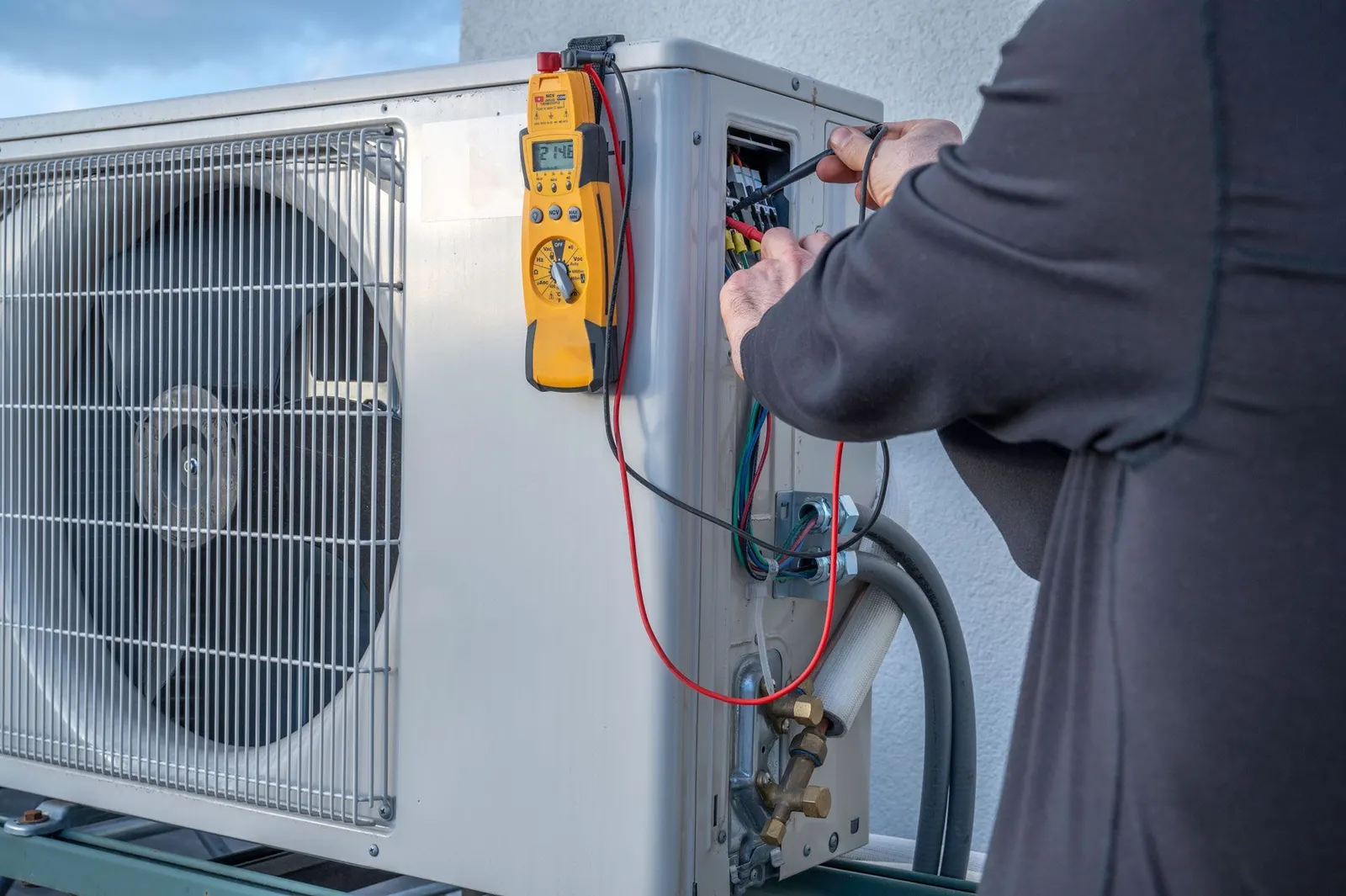
You should never attempt dangerous DIY repairs involving high-voltage electrical components, control boards, or pressurized refrigerant lines. These systems require specialized gauges, EPA certifications, and rigorous safety training. Engaging in honest, family-oriented diagnostics means relying on technicians who focus on objective repair versus replacement criteria without aggressive sales tactics.
In one instance, a customer's outside air conditioning unit stopped working completely while it was 90 degrees outside. After scheduling a same-day service call, a technician arrived and explained everything clearly, diagnosing the fault and getting the AC unit repaired and running again smoothly. An objective, pressure-free diagnostic assessment determines if the short-cycling is a simple fix (like a blown fuse) or a larger mechanical issue. Relying on reliable AC repair in Williamsport ensures you get the truth about your system's health.
The Hidden Danger of Ignoring Short-Cycling
Ignoring intermittent cooling stops is one of the biggest mistakes a homeowner can make when researching home maintenance tips and troubleshooting. Short-cycling is not just an annoyance; it is actively destroying your equipment. The most expensive and critical component in your air conditioner is the compressor, located in the outdoor unit. The compressor's job is to pump and pressurize the refrigerant through the system.
Every time the compressor turns on, it draws an immense amount of electrical current—often three to five times its normal running amperage. This massive influx of power creates significant heat within the motor windings. In a normal cycle, the compressor runs long enough for the cool refrigerant returning from the house to dissipate that heat. However, when the system short-cycles, the compressor experiences the violent surge of starting amps repeatedly, without ever running long enough to cool itself down.
This continuous, rapid starting drastically reduces the operational lifespan of the compressor. The electrical contacts in the system pit and burn, the capacitors degrade rapidly, and the motor windings slowly bake. What might have started as a minor repair—such as a dirty filter or a failing capacitor—can quickly escalate into a catastrophic, end-of-life compressor failure if left unaddressed. For Williamsport MD area homes, investing in routine AC maintenance is the best defense against this cumulative end-of-season degradation.
Frequently Asked Questions About Home Maintenance Tips and Troubleshooting for Intermittent AC Cooling
Navigating late-season AC issues requires accurate information. Here are the answers to the most common questions homeowners ask when their systems begin to short-cycle during the August late-summer cooling load.
Why does my AC turn off before reaching the set temperature?
Your AC turns off prematurely because internal safety switches have cut the power to protect the equipment. These switches monitor vital metrics like refrigerant pressure and motor temperature. If the system overheats due to poor airflow, or if the pressure drops too low due to a refrigerant leak, the control board will shut the compressor down before it destroys itself, regardless of what the thermostat says.
Can a dirty filter cause my AC to stop cooling?
Yes, a severely clogged filter is a primary cause of cooling failures. When the filter blocks airflow, the indoor evaporator coil cannot absorb enough heat from your home's air. This causes the coil's temperature to drop below freezing, turning the normal condensation into a solid block of ice. Once the coil is frozen, air can no longer pass through it, and the system will stop blowing cold air entirely.
Is it bad if my AC short cycles?
Short-cycling is incredibly damaging to an air conditioning system. The compressor draws a massive surge of electrical current every time it starts up, generating significant heat. When the system turns on and off rapidly, it never runs long enough to cool the internal motor windings, leading to severe electrical and mechanical degradation that drastically shortens the lifespan of the equipment.
Why does my AC blow cold air for a while then stop?
This is the classic symptom of an evaporator coil slowly freezing over. When the cycle begins, the system has enough airflow to blow cold air. However, if the refrigerant is low or the airflow is restricted, ice begins to form on the coil. As the ice thickens, it gradually chokes off the airflow until the vents stop blowing cold air completely, eventually triggering a safety shutdown.
How long should a normal air conditioning cycle last?
A healthy air conditioning cycle should last between 15 and 20 minutes under standard summer conditions. This duration provides the system enough time to lower the indoor temperature while also extracting heavy humidity from the air. If your system consistently runs for less than 10 minutes at a time, it is short-cycling and requires professional diagnostic attention.
Restoring Consistent Comfort to Your Home Before Summer Ends
Understanding why your cooling system struggles late in the season empowers you to take the right action before a minor issue becomes a major failure. Excellent home maintenance tips and troubleshooting always emphasize the balance between proactive homeowner care and timely professional intervention. By keeping your filters clean, ensuring your vents are open, and monitoring your cycle times, you give your system the best chance of surviving the heavy August heat.
However, when those basic checks do not resolve the issue, ignoring a short-cycling system is a risk you cannot afford to take. The excessive wear and tear on your compressor will quickly turn a simple mechanical adjustment into a catastrophic breakdown. If you are noticing intermittent cooling drops in Williamsport MD area homes, do not wait for the system to fail completely. Schedule an objective, pressure-free diagnostic inspection today to restore consistent comfort and ensure your equipment runs safely through the remainder of the summer.