
Is Your AC Struggling to Keep Up, or Is It Short-Cycling?
Is your cooling system actually broken—or just struggling to keep up with the weather? When the August late-summer humidity peaks, one of the most common homeowner questions answered by our team is why an air conditioner seems to run constantly but leaves the house feeling warm and clammy. You walk into your living room expecting a blast of cold air, but instead, the vents are blowing tepid air, and your skin feels sticky. This is a frustrating scenario, but it is also an important warning sign from your HVAC system.
For immediate assistance with your cooling system, learn more about our air conditioning services.
The first step in solving this problem is understanding the difference between an air conditioner that is simply overwhelmed by extreme heat and one that is actively short-cycling. Short-cycling occurs when your system turns on, cools for a brief moment, and then shuts down before completing a full cooling cycle. Figuring out whether you are dealing with a simple homeowner-level fix—like a clogged air filter—or a complex issue requiring professional refrigerant diagnosis is the critical decision point. By recognizing these early symptoms, you can often prevent a complete, expensive system breakdown right when you need your cooling the most.
The Mechanics of Short-Cycling: Why It Leaves Your Home Feeling Clammy
To understand why your house feels so uncomfortable when your air conditioner short-cycles, you have to look at what your system is actually designed to do. An air conditioner does not just lower the temperature; it also acts as a powerful dehumidifier. When a system short-cycles, it turns on and off rapidly, never running long enough to properly condition the air.
If your system is struggling, you might need a professional AC repair service to restore proper operation.
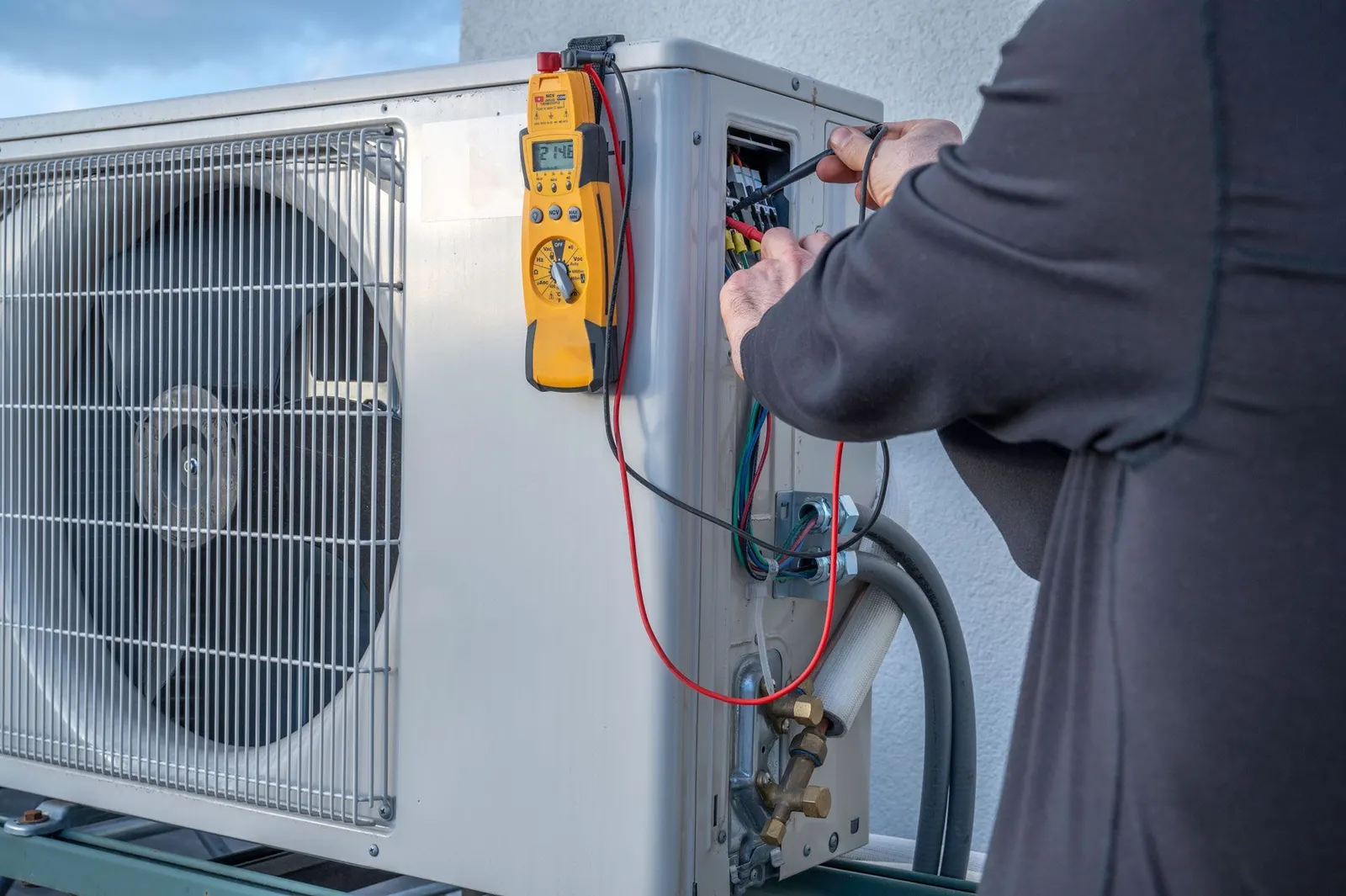
End-of-season wear and tear plays a massive role here. By the time late summer rolls around, your system has been working hard for months. Dust buildup, minor electrical fatigue, and constant operation can push an aging unit past its operational threshold. Even though we typically associate short-cycling with summer cooling, internal mechanical faults can trigger erratic behavior year-round. For example, one Williamsport homeowner recently experienced an issue with their heat pump where a pressure switch wire was touching the suction line, causing the system to behave unpredictably. A technician quickly diagnosed the issue, fixed the wire, and restored operation—proving that what seems like a simple airflow failure often traces back to hidden internal components that require an expert eye.
Temperature vs. Humidity Control
The role of the evaporator coil: Your indoor unit houses the evaporator coil, which gets extremely cold during operation. As warm, humid indoor air blows over this coil, moisture condenses on the cold metal—much like water droplets forming on the outside of a cold glass of ice water. This moisture then drips into a drain pan and is carried out of your home.
Why brief cooling blasts fail: Removing latent heat (humidity) takes time. An air conditioner needs to run in sustained cycles—usually 15 to 20 minutes—to pull enough moisture out of the air. When your system short-cycles and only runs for five minutes at a time, it might drop the temperature a degree or two, but it leaves all the humidity behind. This is exactly why homes in the Williamsport MD area, which require robust dehumidification during hot spells, feel so sticky and uncomfortable when a unit is short-cycling.
Culprit 1: Airflow Restrictions and Frozen Evaporator Coils
The most common cause of an air conditioner cooling and then abruptly stopping is a severe restriction in airflow. Throughout the spring and summer, your system pulls in a massive amount of airborne dust, pet dander, and pollen. If this debris is not caught by a clean filter, it settles directly onto your internal components.
Routine AC maintenance and tune-up visits are the best way to prevent this kind of buildup before it causes a breakdown.
When airflow is blocked, the cold air generated by the evaporator coil has nowhere to go. The temperature inside the unit drops rapidly, causing the condensation on the coil to freeze into a solid block of ice. Once the coil is encased in ice, the system can no longer cool your home, and it will eventually shut down.
- Check your air filter: This is the single most important maintenance task you can perform. A dirty air filter severely restricts airflow and can increase your system's energy consumption by 5 to 15%. Pull the filter out and hold it up to a light source. If you cannot see light shining through the material, it is time for a replacement.
- Inspect your return vents: Walk through your home and ensure that all return grilles are completely unobstructed. Furniture, thick rugs, or heavy curtains blocking these vents will starve your system of the air it needs to function.
- Verify supply vent positions: Make sure the supply registers in every room are open. Closing vents in unused rooms does not save energy; it actually increases the static pressure inside your ductwork and forces the blower motor to work much harder.
- Look for visible ice: Check the copper refrigerant lines running outside to your compressor, as well as the indoor air handler. If you see ice forming on the pipes, turn the cooling function off immediately to allow the system to thaw.
Culprit 2: Electrical Issues and Thermostat Miscommunications
Sometimes the problem has nothing to do with airflow and everything to do with the electrical signals controlling your system. Your thermostat acts as the brain of your HVAC setup. If it is receiving false readings, it will send the wrong commands to your cooling equipment.
Thermostat placement matters: If your thermostat is installed near a heat-generating appliance, directly in the path of a sunny window, or too close to a drafty hallway, it will misread the actual temperature of your home. The thermostat might sense that the room has reached the target temperature and shut the system down prematurely, leaving the rest of the house sweltering.
Failing capacitors and blower motors: Inside your equipment, small electrical components called capacitors act like batteries, providing the necessary jolt of energy to start your motors. When a capacitor begins to fail, the motor has to work much harder and runs hotter. Eventually, the system will overheat and shut itself down as a safety precaution. When temperatures hit 90° outside, these electrical components are pushed to their absolute limits. One local homeowner experienced this firsthand when their outside air conditioning unit abruptly stopped working during a summer heatwave. After scheduling a same-day service call, our technician discovered the root cause—a burned-up capacitor on the indoor blower—and clearly explained the situation before getting the unit running again safely.
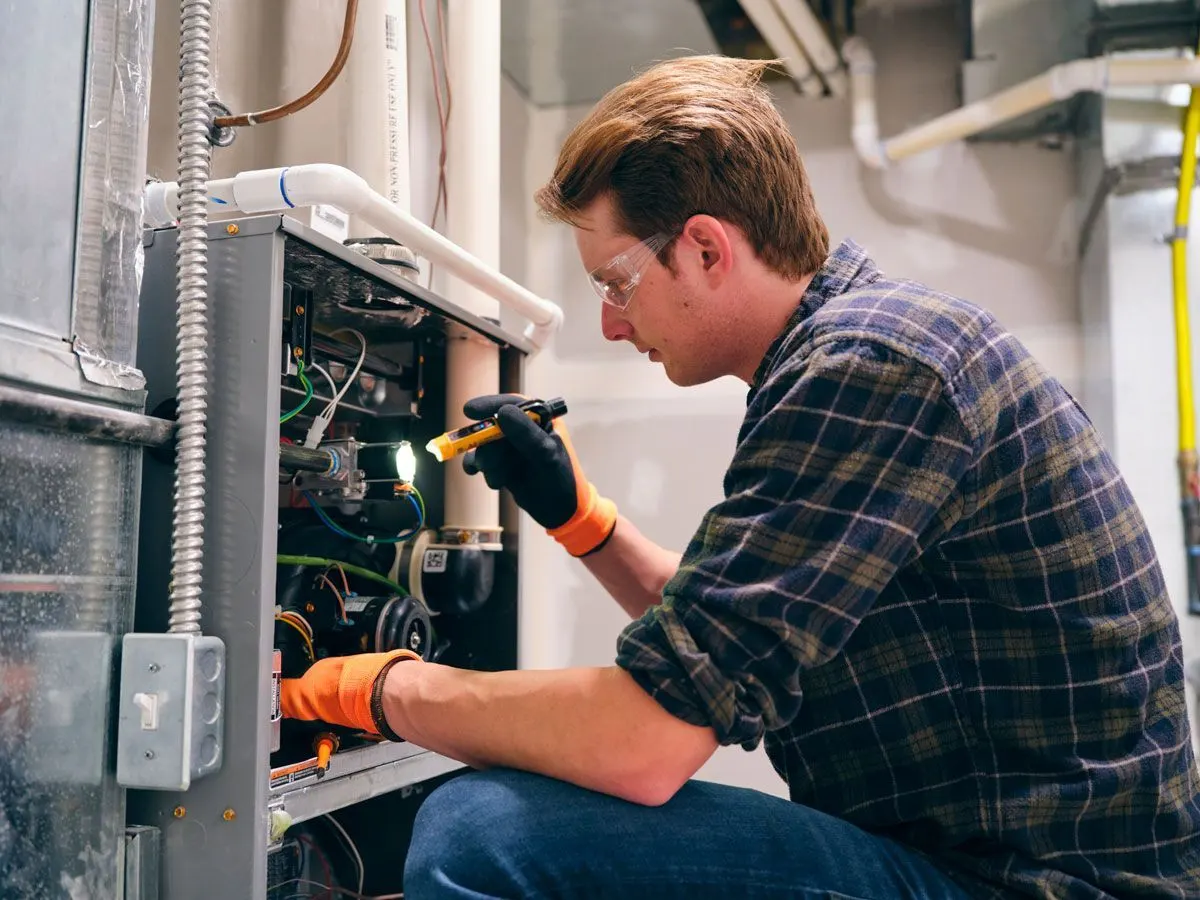
The warning signs: You can often differentiate an electrical issue from an airflow issue by how the system behaves. If the unit shuts off completely—meaning the fan stops, the outside unit goes quiet, and the thermostat goes blank—you are likely dealing with an electrical fault. Because handling internal wiring and high-voltage capacitors carries serious risks, checking internal electrical components is never a safe DIY task.
Culprit 3: Low Refrigerant and Compressor Overheating
If your airflow is clear and your thermostat is functioning properly, the next major culprit is a refrigerant leak. Air conditioners do not "consume" or "burn up" refrigerant like a car uses gas. The system operates on a closed loop. If your refrigerant levels are low, it means there is a physical leak somewhere in the coils or the copper lines.
If you suspect a leak, prompt Williamsport AC repair is essential to protect your compressor from permanent damage.
The domino effect of low pressure: When refrigerant leaks out, the pressure inside the system drops. Counterintuitively, this drop in pressure causes the temperature of the remaining refrigerant to plummet. Just like a dirty air filter, this freezing refrigerant will cause the evaporator coil to ice over entirely. The system might blow cold air for a few minutes, but as the ice thickens, the airflow stops, and the house warms up.
Compressor safety shutdowns: The compressor, located in your outdoor unit, relies on the cool returning refrigerant to keep its own motor from overheating. If the system is low on refrigerant, the compressor runs hotter and hotter until an internal thermal overload switch forces it to shut down. This results in severe short-cycling. Handling refrigerant requires specialized gauges, EPA certification, and professional training, so this diagnosis must always be left to a licensed professional.

When to Wait It Out vs. When to Call for Diagnostics
Knowing when to troubleshoot safely and when to call for backup can save you significant stress during the August late-summer humidity. We believe in family-valued diagnostics, which means we want to empower you with transparent repair options rather than pressuring you into an immediate system replacement.
If you have an older unit, you might worry that any service call will result in a heavy-handed sales pitch. That is never our approach. For instance, when one local customer called us about their aging system this past spring, our technician provided an honest assessment, thoroughly explaining the diagnostic process and advising only on the necessary repairs. The customer understood exactly what needed to be done without feeling pressured.
Read more about why your AC cools then stops cooling to better understand your system's warning signs.
| Symptom or Situation | Recommended Action |
|---|---|
| Air filter is visibly caked in dark gray dust and debris. | Wait it out: Turn the system off, replace the dirty filter, wait a few hours to ensure any internal ice has melted, and then restart the system. |
| System is running, but the vents are blowing warm or room-temperature air. | Wait it out (briefly): Check your thermostat settings to ensure the fan is set to "Auto" and not "On." If the setting is correct, turn the system off and check for a frozen coil. |
| You hear a distinct hissing or bubbling sound near the indoor or outdoor unit. | Call for diagnostics: This is a classic indicator of a pressurized refrigerant leak. Turn the system off immediately to prevent compressor failure. |
| The outside unit turns on, runs for 30 seconds, and aggressively shuts off repeatedly. | Call for diagnostics: This points to a failing capacitor, a bad contactor, or an overheating compressor safety switch. Do not keep trying to run it. |
| You notice a burning electrical smell coming from your vents. | Call for diagnostics: Turn the system off at the thermostat and shut off the breaker. Electrical faults require immediate professional attention. |
Frequently Asked Questions About AC Short-Cycling
Why does my AC blow cold air for a while then stop?
This usually points to a frozen evaporator coil or an overheating compressor that forces the system to shut down prematurely. When your air conditioner first turns on, it functions normally, producing cold air. However, if airflow is restricted by a dirty filter or blocked vents, the temperature inside the unit drops too low, causing the condensation on the coils to turn to ice. Once the ice forms a solid barrier, the cold air can no longer push through into your ductwork. Alternatively, if your system is low on refrigerant, the compressor outside will overheat after a few minutes of operation and trigger a safety shutdown to prevent the motor from burning out entirely.
Why is my AC short cycling?
The top reasons for AC short-cycling include dirty air filters, oversized units, thermostat miscalibrations, or hidden refrigerant leaks. Short-cycling is a symptom, not a specific disease. It means your system is trapped in a loop of starting up and shutting down before the cycle is complete. A clogged filter chokes the system, causing rapid temperature fluctuations that trick the sensors. An oversized air conditioner cools the house too quickly without removing humidity, leading to rapid shut-offs. Thermostat issues can cause false temperature readings, while electrical faults—like a failing capacitor—can cause the motors to overheat and trip their internal breakers.
How do you unfreeze an AC coil?
To safely unfreeze an AC coil, turn the cooling function off at your thermostat and switch the fan setting to "ON" to help melt the ice. Never try to chip the ice away with a tool, as the copper coils are delicate and easily punctured, which would cause a massive refrigerant leak. While the ice is melting, check your air filter and replace it if it is dirty. Ensure all your return and supply vents are fully open. Once the ice has completely melted—which can take several hours—turn the cooling back on. If the coil freezes again, you likely have a refrigerant leak and need to call a professional.
Why does my air conditioner turn off before reaching the set temperature?
An air conditioner turning off early is usually caused by poor thermostat placement, calibration errors, or a safety switch tripping due to internal overheating. If your thermostat is located in a chilly hallway, directly under a supply vent, or near a drafty door, it will register that the home is cool and shut the system down, even if the bedrooms are still sweltering. Dust inside the thermostat housing can also interfere with the sensors. If the thermostat is fine, the system is likely shutting itself down because an internal component, like the blower motor or the compressor, is overheating and triggering a high-limit safety switch.
Can high humidity cause my AC to stop cooling?
Yes, excessive moisture can accelerate coil freezing if your system's airflow is already restricted by dust or a dirty filter. During the August late-summer humidity, your air conditioner has to work twice as hard to remove the latent heat (moisture) from the air. This heavy condensation on the evaporator coil is normal. However, if the airflow is sluggish due to an old filter, that heavy moisture will freeze rapidly. High humidity combined with poor maintenance is the perfect recipe for a frozen system that runs constantly but fails to actually cool the home.
Is it safe to keep running an AC that short-cycles?
No, continuing to run a short-cycling air conditioner is not safe and can permanently damage your compressor. The startup phase of a cooling cycle draws the most electrical current and puts the most mechanical stress on your system. When a unit short-cycles, it is enduring that heavy startup stress over and over again without the benefit of a long, steady run time to cool its own motors. Ignoring a short-cycling problem will rapidly accelerate wear and tear, spike your monthly energy bills, and dramatically increase the likelihood of a catastrophic compressor failure, which is one of the most expensive repairs in the HVAC industry.
Get Honest Answers for Your Cooling Troubles
A cooling system that blasts cold air for a few minutes and then abruptly stops is crying out for attention. Ignoring the sticky, clammy feeling in your home will only lead to higher energy bills and the risk of a complete system breakdown right when the Williamsport MD area weather is at its worst.
You do not have to guess what is wrong with your equipment. A proper, professional diagnostic will uncover the root cause—whether it is a simple electrical fault, a hidden refrigerant leak, or severe airflow restriction—without any unnecessary upselling. Reach out to your local experts today to get the honest answers you need and restore true, reliable comfort to your home.