
When Your AC Quits Before the House is Cool
Finding the right home maintenance tips and troubleshooting strategies becomes a top priority when your air conditioning system is running continuously but failing to actually cool or dehumidify your living space. You hear the familiar hum of the compressor, and cold air might even blow from the vents for a few minutes, but the system abruptly shuts down before the house reaches a comfortable temperature. This leaves you dealing with high indoor humidity levels despite continuous AC operation throughout the day.
For comprehensive air conditioning services or to schedule professional AC repair, our team at Comfort Central Inc. is ready to help diagnose the root cause of these frustrating cooling interruptions. As we help our Williamsport neighbors transition into late August and end-of-season cooling, the accumulated wear and tear on your HVAC equipment often brings underlying mechanical issues to the surface. A system that cools briefly and then quits is not just struggling against the late-summer heat; it is exhibiting a specific mechanical symptom known as short-cycling.
Short-cycling occurs when the cooling cycle is interrupted prematurely by a safety mechanism or a failing component. Acknowledging this uncomfortable reality is the first step toward restoring your home's comfort. Rather than assuming the unit is simply broken beyond repair, understanding the mechanics behind these abbreviated cooling cycles can help you determine whether the issue requires a simple filter change or an in-depth professional evaluation from our licensed technicians.
Understanding the Physics: Temperature vs. Humidity
To understand why a house can feel incredibly uncomfortable even when the air conditioner seems to be working, it helps to look at the physics of indoor climate control. An air conditioning system actually performs two distinct jobs simultaneously: it lowers the temperature of the air (removing sensible heat) and it extracts moisture from the air (removing latent heat). Both processes are critical for achieving a comfortable indoor environment.
Sensible heat reduction happens relatively quickly. When warm indoor air passes over the freezing cold evaporator coils, the temperature of that air drops almost instantly. Latent heat removal, however, takes significantly more time. Moisture must condense on those cold coils drop by drop, eventually draining away outside. If an AC unit shuts off too quickly, it leaves the latent heat behind, resulting in a cold but clammy environment that feels heavy and uncomfortable.
Here in Williamsport, our late-summer weather frequently features high dew points and humidity levels exceeding 70%, which places extreme latent heat removal demands on residential systems. According to ASHRAE standards, ideal indoor humidity levels should be maintained between 30% and 50% for optimal comfort and indoor air quality. When you experience high indoor humidity levels despite continuous AC operation, it is a clear indicator to our team that the system's runtime is fundamentally mismatched with the latent cooling load of the home.
If your system is cutting off after just five or ten minutes, it is physically impossible for it to extract enough moisture from the air. The temperature on your thermostat might read 72 degrees, but the retained humidity makes it feel closer to 80 degrees, forcing your body to sweat without the relief of evaporation.
What is Short-Cycling? (The 15-Minute Rule)
Short-cycling is a technical term for an air conditioner that turns on and off rapidly before completing a full, effective cooling cycle. During a normal operation phase, the compressor engages, the refrigerant circulates, and the system runs long enough to condition the entire volume of air in your home. When a system short-cycles, this process is forcefully aborted over and over again.
The Department of Energy (DOE) provides a helpful guideline for homeowners: an ideal cooling cycle should last approximately 15 to 20 minutes. This duration provides the exact window of time necessary for the evaporator coil to chill, the blower to circulate the air, and the condensation process to effectively strip humidity from the environment. If your system is running in erratic bursts of five to eight minutes, it is failing the 15-minute rule.
Continuous short cycles put immense, unnecessary wear and tear on the compressor, the capacitors, and the electrical relays. The startup phase of an air conditioner requires the highest surge of electricity and places the most mechanical stress on moving parts. If you are noticing rapid on-and-off behavior, you might also want to learn what strange AC noises mean for your system, as our technicians frequently see short-cycling precede grinding or clicking sounds from a strained compressor.
It is also important to contrast mechanical short-cycling with an oversized AC unit. A system that is too large for the square footage of the home will forcefully blast the rooms with cold air, dropping the sensible temperature in just ten minutes and shutting off automatically. While the cause is different, the result is the same: the air is cooled too quickly without being dehumidified, leaving the house feeling damp and uncomfortable.

Common Culprits: Why Your AC Blows Cold Then Stops
When an air conditioning system shuts down prematurely, it is usually because an internal safety switch has been triggered to prevent catastrophic damage. Diagnosing the exact reason requires looking at the system's airflow, electrical health, and sensor accuracy. Based on our years of field experience, here are the most common reasons your system might be blowing cold air and then suddenly quitting.
Airflow Restrictions and Safety Switches
- Severely Clogged Air Filters: A dirty air filter suffocates the system. When warm return air cannot reach the evaporator coil, the temperature inside the air handler drops dangerously low. The condensation on the coil freezes into a block of ice, which eventually triggers a low-temperature safety limit switch, shutting the system down.
- Blocked Supply Vents: Closing too many vents in unused rooms increases static pressure inside the ductwork. This backs up the airflow, causing the blower motor to work harder and overheat. Once the motor's internal thermal overload switch detects excessive heat, it cuts the power mid-cycle.
Electrical and Sensor Failures
- Failing Run Capacitors: The capacitor provides the electrical jolt needed to keep the blower motor and compressor spinning. When a capacitor begins to degrade, the motors draw excessive amperage and overheat. One local Williamsport customer reached out during a late-summer heatwave when their outside air conditioning unit stopped working completely. Our office staff scheduled same-day service, and our technician, Cory, explained exactly why the failure occurred before getting the unit repaired and running again.
- Thermostat Miscalibration or Placement: If your thermostat is located near a heat-generating appliance, under a direct skylight, or right next to a supply vent, it will read the room temperature inaccurately. A thermostat hit by a blast of cold air from a nearby vent will falsely register that the house is cool, shutting off the AC long before the rest of the home is comfortable.
Refrigerant Leaks and End-of-Season Wear
A pattern we see often at Comfort Central Inc. is the misconception among homeowners that air conditioners slowly "use up" refrigerant over time. The reality is that the refrigerant loop is a completely sealed system. If your system is low on refrigerant, it is never because the system consumed it—it means there is a physical leak somewhere in the copper lines or the coils.
When refrigerant levels drop, the pressure dynamics inside the system change drastically. The compressor relies on a very specific volume of refrigerant returning to it to stay cool. If the pressure drops too low, a specialized safety mechanism called the low-pressure switch will immediately trip, halting the cooling cycle to protect the compressor from burning out. This often manifests as an AC that runs for a few minutes, blows slightly cool air, and then abruptly turns off.
By the time late August and end-of-season cooling demands arrive, months of continuous, heavy operation can push a slightly worn component to the point of failure. A tiny pinhole leak that started in June might finally deplete enough refrigerant by August to trigger the pressure switches continuously. Scheduling routine AC maintenance with our team is the most effective way to catch these pressure drops early.
Addressing these leaks before the cooling season completely ends is vital. Forcing a system to run repeatedly on low refrigerant doesn't just cause short-cycling; it forces the compressor to run dangerously hot, which can lead to permanent, irreversible mechanical failure.
Extreme Weather Strain vs. Mechanical Failure
During intense late-August heat combined with high dew points, it is completely normal for an air conditioner to run for long periods of time. However, there is a distinct difference between a system that is struggling against extreme weather and a system that is experiencing mechanical failure.
If your AC is running continuously for an hour but the house is slowly cooling down, the system is likely just overwhelmed by the heat load. If the AC is turning off abruptly after five minutes, failing to remove humidity, and leaving the house warm, you are dealing with a mechanical short-cycle.
| Symptom | Weather Strain | Mechanical Failure |
|---|---|---|
| Cycle Length | Runs continuously for 45+ minutes | Shuts off abruptly under 10 minutes |
| Air at the Vent | Cool and steady | Warm, weak, or stops suddenly |
| Indoor Humidity | Slowly dropping | Remains high and sticky |
| System Sounds | Normal humming | Clicking, buzzing, or grinding |
During a hot back-to-school afternoon, one local homeowner experienced a sudden shutdown when the capacitor burned up on their indoor blower. Because they recognized that the system had stopped pushing air entirely—a clear sign of mechanical failure rather than just weather strain—they called Comfort Central Inc. for help immediately. Our technician arrived quickly with the correct part and completed the repair efficiently, preventing further damage to the unit.
Homeowners can perform simple checks before calling for help: verify the air filter is clean, ensure the thermostat is set to "cool" and "auto," and check the electrical breaker panel for a tripped switch. If these basic elements are in order but you still have high indoor humidity levels despite continuous AC operation, the issue is mechanical.
Honest Diagnostics: When to Call a Professional
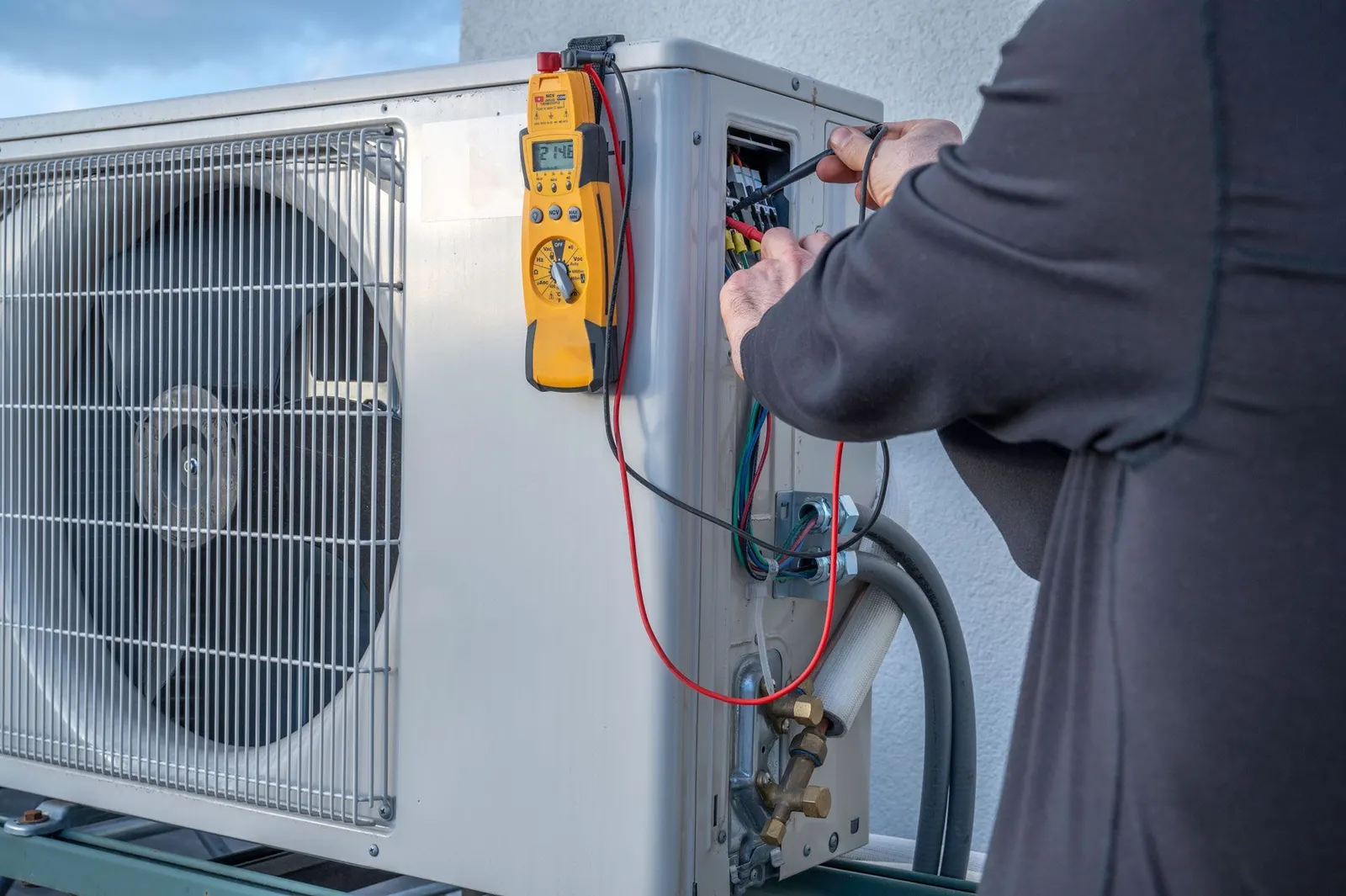
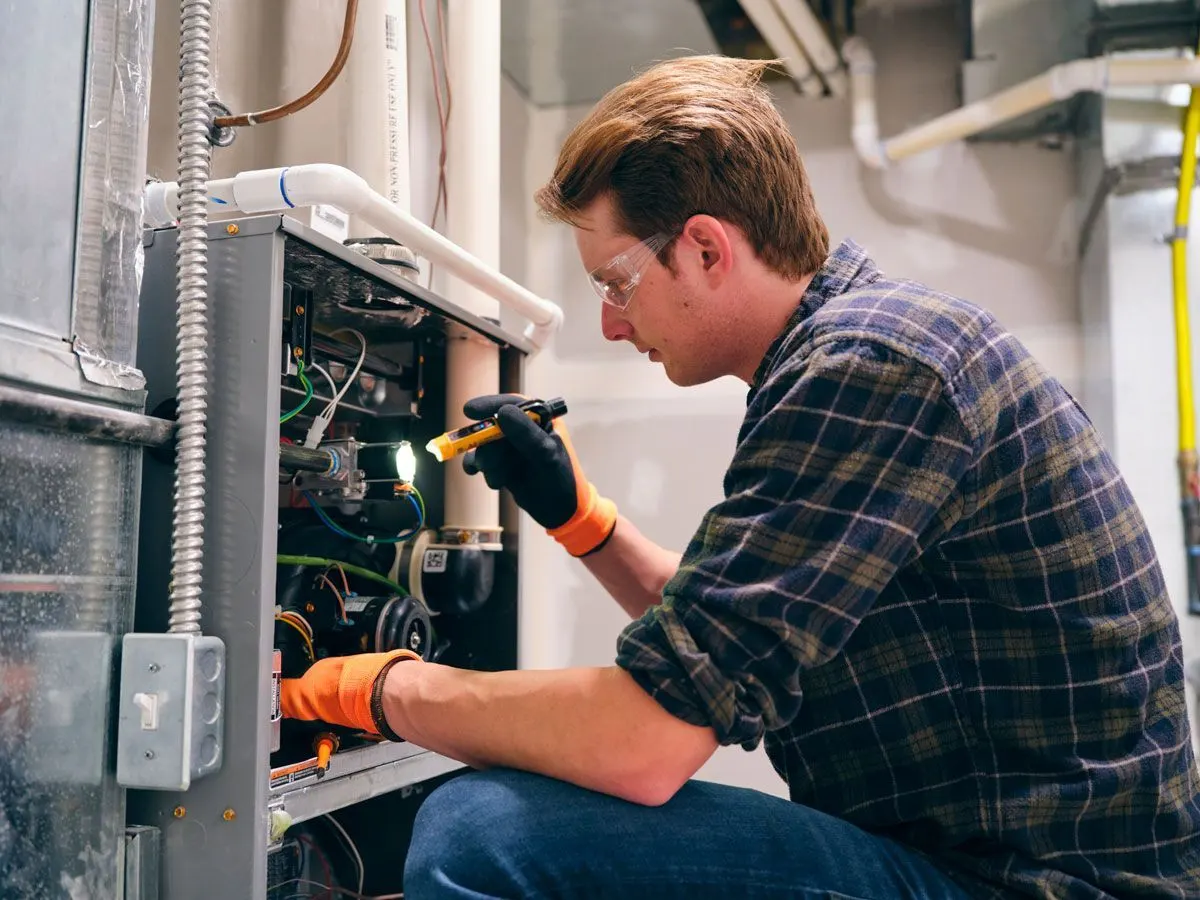
While replacing a dirty air filter or opening closed vents are safe, easy tasks for any homeowner, diagnosing the internal components of an HVAC system requires specialized tools and licensing. Checking refrigerant pressures, testing high-voltage electrical capacitors, and diagnosing compressor health are not DIY projects.
When basic troubleshooting doesn't resolve the short-cycling, it is time to bring in an expert. The true value of a professional service call lies in honest diagnostics. An experienced technician will test the electrical draw of the motors, measure the temperature drop across the evaporator coil, and inspect the safety limit switches to identify the exact failing component. Rooted in strong family values and honest diagnostics, our team at Comfort Central Inc. focuses on helping Williamsport homeowners understand if they are dealing with a simple fix or a larger system issue without automatically hard-selling a full replacement. (If a new system is ultimately needed, we always advise checking with your utility or a tax professional, as generic federal tax credits or local utility incentive programs may apply to qualifying high-efficiency installations.)
We recently helped a customer who simply needed to understand their HVAC system and repair options after a complex failure. Our technicians spent the time necessary to explain the system details transparently, ensuring the customer fully understood the issue and their choices moving forward. This level of communication ensures you are never left in the dark about what is happening inside your home's most expensive appliance.
If your system is repeatedly shutting down and refusing to cool the house, continuing to force it to run will only cause further damage. Reaching out for emergency AC repair can save a struggling compressor before it burns out completely.
Frequently Asked Questions About AC Shut-Offs
Why does my AC stop cooling after a while?
Our technicians frequently find this is caused by a frozen evaporator coil or an overheated compressor shutting down defensively. When airflow is severely restricted by a dirty filter or blocked vents, the internal coils drop below freezing and ice over. Once the ice blocks the airflow entirely, the system can no longer push cold air into the home, triggering an automatic shutdown to prevent damage.
How do I know if my AC is short cycling?
If the system turns on and off in bursts of less than 10 minutes without reaching the target temperature on your thermostat, it is short-cycling. You will typically hear the compressor kick on, run briefly, and then abruptly click off. This rapid cycling prevents the system from properly dehumidifying the air, leaving your home feeling warm and clammy.
Why is my house humid even with the AC running?
The system may be oversized, cooling the air too quickly before it has time to extract latent heat (moisture) from the indoor air. Alternatively, if the system is short-cycling due to a mechanical failure, it simply isn't running long enough to allow condensation to form on the coils and drain away. Effective dehumidification requires a steady cooling cycle of at least 15 to 20 minutes.
Can a dirty filter cause the AC to stop blowing cold air?
Yes, severe airflow restriction causes the internal coils to freeze, blocking cold air from circulating and eventually tripping a safety switch. The blower motor has to work incredibly hard to pull air through a clogged filter, which can cause the motor to overheat and shut down mid-cycle. Replacing your filter regularly is the easiest way to prevent this specific failure.
Is it safe to keep running an AC that short-cycles?
No, continuous short-cycling places extreme stress on the compressor and electrical components, risking permanent damage. The startup phase uses the most energy and creates the most heat in the electrical relays. Forcing the system to start and stop dozens of times an hour will rapidly degrade the capacitors and can ultimately lead to complete compressor failure.
Restoring Consistent Comfort to Your Home
Dealing with a hot, sticky house during late August and end-of-season cooling is incredibly frustrating, especially when you can hear the air conditioner trying to work. Ignoring a system that cools briefly and then shuts off will not resolve the issue; it will only lead to higher utility bills and more expensive repairs down the line. A clear, technical understanding of short-cycling helps you recognize when simple troubleshooting ends and professional intervention begins.
If you have checked your filters and vents but the system continues to struggle, seeking an honest, expert evaluation is the safest next step. We invite you to schedule professional AC repair so our licensed Comfort Central Inc. technicians can accurately diagnose the failing component, restore your system's efficiency, and bring consistent, reliable comfort back to your Williamsport home.