
Is Your AC Struggling to Keep Up with the August Heat?
Is your air conditioner turning on, running for just a few minutes, blasting a quick burst of cold air, and then abruptly shutting down? If you are dealing with this frustrating cycle, you are not alone. When a cooling system behaves this way, finding objective options comparisons for homeowners is the best way to determine your next steps. This rapid on-and-off behavior is known in the HVAC industry as "short-cycling." It is a clear sign that your system is under severe mechanical or electrical stress, and it rarely resolves on its own.
Experiencing this issue during late summer (August) end-of-season cooling forces a critical decision. You rely on your system to keep your family comfortable, and a sudden breakdown means choosing between a late-season repair or a full system replacement. The good news is that understanding the technical causes behind this behavior empowers you to make objective, confident choices about your home's comfort. If you need immediate help evaluating your system, reach out for professional AC repair service.
Understanding Short-Cycling: Why Your AC Starts and Stops
To understand why short-cycling is so damaging, you first need to know how a normal cooling cycle operates. Under typical conditions, an air conditioner should run continuously for about 15 to 20 minutes per cycle. This duration allows the system to evenly distribute cool air throughout your home and, just as importantly, remove latent heat and moisture from the indoor air. A short-cycling unit, however, runs for only three to five minutes before shutting down prematurely.
This abbreviated timeline severely impacts your indoor comfort. With Williamsport, MD experiencing hot and humid summers, an AC that short-cycles fails to dehumidify the home properly. The unit simply does not run long enough to pull moisture out of the air, making the indoor environment feel clammy, sticky, and uncomfortable even if the air blowing from the vents is temporarily cool.
Beyond comfort, short-cycling places immense mechanical strain on your equipment. The most stressful part of an air conditioner's operation is the startup phase, which requires a massive surge of electricity known as "inrush current." When a compressor is forced to start and stop repeatedly, it overheats and wears down at a highly accelerated rate. This symptom often precedes total system failure if left unaddressed during extreme heat. These sudden failures can happen at the most inconvenient times. For example, one local homeowner experienced a complete system shutdown over a sweltering holiday weekend due to a warrantable issue. A technician provided temporary cooling measures immediately, then installed the new warrantable parts, putting the family's mind at ease for their small children. Late summer (August) end-of-season cooling places maximum demand on your equipment, making it vital to address short-cycling immediately.
Common Technical Culprits Behind the "Cool Then Stop" Cycle
Short-cycling is a symptom, not a disease. It is the system's way of protecting itself from further damage, usually by tripping an internal safety switch. The causes range from minor maintenance oversights to severe component failures. Understanding these common culprits can help you communicate effectively with your technician. If you are also hearing rattling or grinding sounds before the system shuts down, you might want to read up on what strange AC noises mean for your system's health.
Airflow Restrictions and Frozen Coils
One of the most frequent causes of short-cycling is severely restricted airflow. Your air conditioner needs a constant volume of warm indoor air blowing over its evaporator coil to function correctly. When airflow is blocked—usually by a severely clogged air filter, blocked return vents, or crushed ductwork—the temperature of the evaporator coil drops rapidly.
Without warm air to absorb the cooling energy, the condensation on the coil freezes into a solid block of ice. Once the coil freezes, the system can no longer cool the air. Built-in safety mechanisms, such as low-pressure switches, detect this abnormal condition and shut the compressor down to prevent it from destroying itself. After the ice melts slightly, the system may try to turn on again, only to freeze and shut down shortly after, creating the endless short-cycling loop.
Electrical and Thermostat Miscommunications
Another major category of short-cycling triggers involves the electrical system and the thermostat. Your air conditioner relies on several heavy-duty electrical components to manage the massive voltage required to run the compressor and fan motors.
- Failing Capacitors: A capacitor stores energy and delivers a jolt of electricity to start the motors. When a capacitor degrades, it struggles to maintain the continuous current needed for operation, causing the motor to stall and shut down.
- Worn Contactors: The contactor is a mechanical switch that controls electricity flowing to the compressor. If it becomes pitted or burned from years of use, the electrical connection can falter, interrupting the cooling cycle.
- Thermostat Miscalibrations: Sometimes the issue is not outside, but on your wall. If a thermostat is malfunctioning, miscalibrated, or located too close to a supply vent, it may misread the room temperature. It senses a blast of cold air, incorrectly assumes the whole house is cool, and prematurely ends the cycle.
Cumulative Summer Wear: The August Breaking Point
Many homeowners wonder why their air conditioner worked perfectly in June and July, only to start short-cycling in late summer. The answer lies in the cumulative strain placed on the system over the entire cooling season. By the time late summer (August) end-of-season cooling demands arrive, your HVAC components have endured thousands of hours of runtime.
This compounding wear and tear is much like putting high mileage on a car in a very short period. Cumulative heat exposure degrades the chemical composition inside electrical capacitors. The constant vibration and thermal expansion stress aging compressor motors and weaken refrigerant lines. Furthermore, the outdoor condenser coil often accumulates a thick layer of dust, pollen, and grass clippings over the summer, making it harder for the system to release heat into the outside air.
End-of-season failures are rarely sudden; they are the result of this compounding wear and tear finally reaching a breaking point. August heat waves often push already compromised systems past their operational limits. The high ambient temperatures mean the system has to work twice as hard to dissipate heat, which is often the final straw for an aging compressor or a weakened electrical component.
Honest Diagnostics: When to Call for Professional Testing
When your air conditioner is trapped in a short-cycling loop, guessing at the cause can lead to unnecessary expenses. This is why professional testing is the only objective way to assess system health without jumping straight to a replacement pitch. Our family-values approach to honest diagnostics ensures you get a clear, factual picture of your system's condition without being pressured into unnecessary replacements.
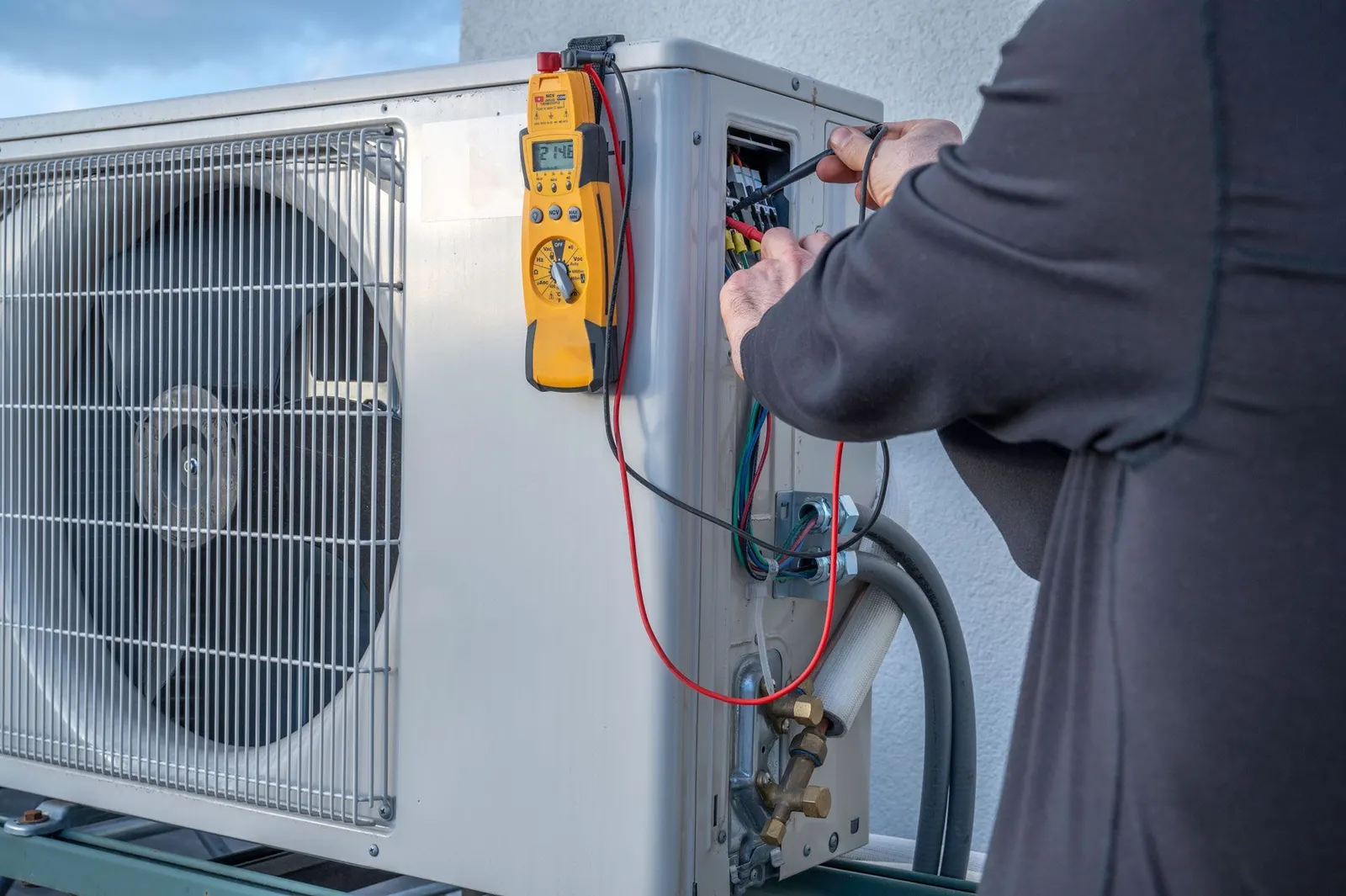
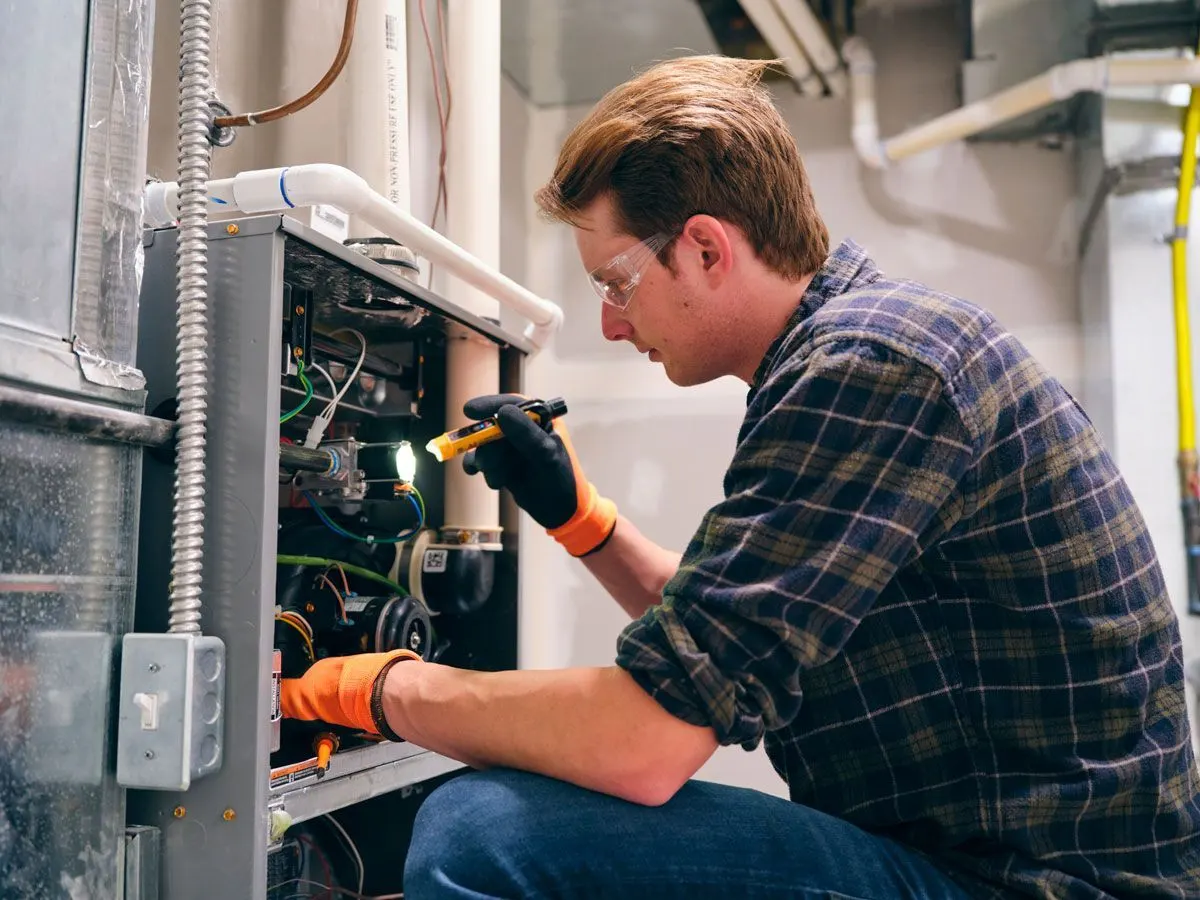
During a professional AC inspection and testing appointment, a licensed technician uses specialized diagnostic tools to evaluate the core functions of your equipment. They will check the electrical draw of the compressor to see if it is pulling too many amps. They will measure the refrigerant pressures to ensure there are no hidden leaks causing the coil to freeze. They will also calculate the temperature drop across the indoor coil to verify that airflow is moving at the correct velocity.
This fact-based assessment is critical because not every short-cycling issue requires a total replacement. Sometimes, the fix is as straightforward as replacing a burnt wire, swapping out a weak capacitor, or recalibrating a thermostat. One local customer recently reached out to understand an ongoing, unspecified HVAC issue. A technician spent significant time thoroughly explaining the system's condition and the available options, ensuring the homeowner understood everything clearly without facing any unexpected or random charges. Having a professional walk you through the data allows you to make an informed decision based on facts, not fear.
The Repair vs. Replace Decision Matrix for Aging Units
If professional diagnostics reveal a major component failure—such as a seized compressor, a severe refrigerant leak in the evaporator coil, or a cracked heat exchanger—you are faced with a significant decision. When dealing with aging 10+ year old AC units, investing heavily in a late-season repair requires careful consideration. You need a concrete, objective framework to evaluate your options.
Assessing Long-Term Viability
The first step is evaluating the age of the unit. The average lifespan of a standard central air conditioner is 10 to 15 years. If your system is approaching or has surpassed this milestone, you must consider the concept of sunk costs. Sinking a large amount of capital into a late-season repair on a failing system often does not make long-term sense. You must weigh the cost of a major component repair against the expected remaining lifespan of the unit. If you repair the compressor today, what is the likelihood that the indoor coil or the blower motor will fail next summer? Recurring minor breakdowns quickly erode the overall reliability of the system and drain your budget.
Efficiency Upgrades and Generational Improvements
When evaluating a replacement, it is important to consider the generational improvements in HVAC technology. Modern high-SEER (Seasonal Energy Efficiency Ratio) systems provide significantly better dehumidification, quieter operation, and lower operational strain than older models. An older system that has lost efficiency over time forces you to pay higher utility bills for less comfort.
Additionally, the phase-out of older refrigerants plays a massive role in this decision matrix. R-22 refrigerant, standard in many older units, has been phased out of production in the United States due to environmental regulations. Because it is no longer manufactured, repairing leaks and recharging older systems has become increasingly impractical and cost-prohibitive. Upgrading to a modern system utilizing current refrigerants eliminates this risk. Furthermore, there is a general availability of energy rebates or tax credits for qualifying high-efficiency upgrades (we always advise readers to verify current generic utility programs with their local provider or a tax professional to see what incentives apply to their specific situation).
| Decision Factor | Lean Toward Repair | Lean Toward Replacement |
|---|---|---|
| System Age | Under 10 years old with a valid manufacturer warranty. | Over 10-15 years old, out of warranty. |
| Refrigerant Type | Uses modern R-410A or newer refrigerants. | Uses phased-out R-22 refrigerant. |
| Nature of Breakdown | Minor electrical parts (capacitor, contactor, thermostat). | Major components (compressor failure, coil leaks). |
| Repair Frequency | First breakdown in several years. | Multiple service calls required over the past two seasons. |

Comprehensive FAQ: Troubleshooting AC Short-Cycling
If you are gathering information to schedule an AC repair in Williamsport, you likely have a few specific questions about your system's behavior. Here are direct answers to the most common questions homeowners ask when dealing with a short-cycling air conditioner.
Why does my AC run for 10 minutes then shut off?
Your AC is likely tripping an internal safety switch due to overheating, restricted airflow, or an electrical fault. When an air conditioner runs for only 10 minutes, it fails to complete a full cooling cycle, which should take 15 to 20 minutes. This is commonly caused by a clogged air filter that freezes the evaporator coil, or a failing capacitor that cannot sustain the electrical current needed to keep the compressor running. Professional diagnostics are required to pinpoint the exact safety switch that is triggering the shutdown.
Is it worth repairing a 10 year old AC?
It depends entirely on the nature of the repair and the type of refrigerant the system uses. If a 10-year-old system requires a minor repair, such as a new contactor or capacitor, it is usually worth fixing to get a few more years of service. However, if the system requires a major repair like a compressor replacement, or if it runs on obsolete R-22 refrigerant, investing in a repair becomes a sunk cost. In those cases, applying those funds toward a modern, high-efficiency upgrade is the more viable long-term choice.
When should you replace an AC instead of fixing it?
You should replace an AC when the cost of a major repair exceeds the value of the aging system, or when the unit requires frequent service calls just to stay operational. A good rule of thumb is to evaluate the unit's age, its warranty status, and its energy efficiency. If the system is over a decade old, out of warranty, struggling to dehumidify your home, and facing a major component failure, replacement is the objectively better investment to restore reliable home comfort.
What causes an AC compressor to fail in late summer?
Late summer compressor failure is almost always the result of cumulative thermal and mechanical wear over the entire cooling season. By August, the compressor has endured thousands of startup cycles and immense heat exposure. If the system has been running with dirty coils, low refrigerant, or weak electrical parts, the compressor has been working twice as hard to achieve the same cooling. This compounding strain finally reaches a breaking point during peak August heat waves.
How does short-cycling affect indoor humidity?
Short-cycling prevents your air conditioner from running long enough to extract latent heat and moisture from the indoor air. An AC unit needs a continuous run time of at least 15 minutes to effectively pull humidity out of your home and drain it away. When the system shuts off after just five minutes, the air may feel temporarily cold, but the moisture remains suspended in the air, leaving your home feeling clammy, sticky, and highly uncomfortable.
Can a dirty filter cause my AC to stop cooling entirely?
Yes, a severely dirty air filter is one of the most common reasons an AC system stops cooling. When the filter is clogged with dust and debris, it chokes off the warm return air that the system needs to operate. Without that warm air flowing over the indoor coil, the refrigerant inside drops below freezing, causing the condensation on the coil to turn to solid ice. Once frozen, the system cannot cool the air and will eventually shut down entirely to protect the compressor.
Secure Your Home's Comfort with Expert Diagnostics
Understanding why your AC cools for a few minutes and then stops is the first critical step toward restoring reliability to your home. Whether the issue stems from a simple blocked filter, a degraded electrical capacitor, or a failing compressor, ignoring a short-cycling system will only lead to more severe damage. Experiencing this during late summer (August) end-of-season cooling means your system has already endured immense cumulative wear.
The best way to protect your investment is to have a professional evaluate the exact condition of your equipment. An honest, objective diagnostic assessment gives you the facts you need to weigh a late-season repair against the long-term benefits of a modern replacement. Don't let a struggling system dictate your comfort. Schedule a professional evaluation today to explore all of your air conditioning solutions and keep your home perfectly comfortable.