
When Your AC Quits Before the Job Is Done
Your thermostat is set, the vents blow a blast of cold air, and you finally start to feel comfortable. But just a few minutes later, the system shuts down completely, leaving the house feeling warm and sticky all over again. This frustrating start-and-stop behavior means your system is struggling to complete a full cycle. When navigating these cooling failures, relying on local service expertise and area tips can save you from a major breakdown before winter arrives.
This rapid on-and-off behavior is known in the HVAC industry as short-cycling. At Comfort Central Inc., our technicians consider it a specific type of mechanical failure that places immense strain on your equipment, especially during the unpredictable September early fall transition. During this time of year, days often still require heavy cooling, but nighttime temperatures drop significantly, creating a chaotic environment for your home comfort systems.
Addressing this issue now is a critical decision. You can either diagnose the root cause of the short-cycling today or risk a major furnace or heat pump failure during the first real cold snap. To get started on the right foot, making sure your primary air conditioning equipment is properly evaluated will protect your investment and keep your home comfortable.
Understanding the Mechanics of Short-Cycling
The problem: A healthy cooling system is designed to run in steady, continuous cycles. Ideally, your compressor should operate for 15 to 20 minutes at a time to evenly cool your living space and extract excess moisture. When the system turns on and off rapidly—sometimes running for only five to ten minutes—it fails to complete this essential cycle.
The cause: Short-cycling happens when a safety switch, a sensor, or a mechanical flaw forces the compressor to shut down prematurely. The immediate mechanical stress this places on your equipment is severe. Every time a compressor starts up, it draws a massive surge of electricity and puts heavy torque on its internal motors. Doing this dozens of times an hour accelerates wear and tear on electrical components, potentially leading to permanent compressor damage.
The solution: Persistent, ongoing AC problems like this require prompt professional attention. Ignoring the symptoms usually leads to secondary component failures. For example, one common pattern our Comfort Central Inc. team sees in Williamsport MD involves the indoor blower failing completely due to system strain. In a recent early fall service call, a rapidly short-cycling system caused the capacitor on the indoor blower to burn up. Because our technician arrived quickly with the right part in stock, the blower was repaired efficiently and professionally in under 30 minutes.
Understanding these mechanical limits is vital. If you are hearing loud clicking, buzzing, or grinding during these rapid start-ups, knowing what strange AC noises mean for your system's health can help you catch a failing component before it damages the entire unit.
Four Hidden Culprits Behind a Premature AC Shutdown
In our years of diagnosing HVAC systems, we've found that when your system stops cooling prematurely, the root cause usually falls into one of four categories. Some of these are simple homeowner maintenance tasks, while others require our advanced diagnostic tools.
- Restricted Airflow: A clogged, dirty air filter is the most common reason a system chokes. Without enough warm air blowing over the indoor components, the system protects itself by shutting down.
- Thermostat Miscalibration: If your thermostat is located in direct sunlight, near a hot oven, or has failing internal sensors, it will register false temperature readings and shut the cooling cycle off too early.
- Refrigerant Leaks: Your system relies on a precise volume of refrigerant. If a leak causes the pressure to drop, a low-pressure safety switch will trip, cutting power to the compressor immediately.
- Oversized Equipment: Bigger isn't always better. An oversized unit cools the air too rapidly, satisfying the thermostat in just a few minutes, but it shuts off before it can properly dehumidify the space.
Airflow Restrictions and Frozen Coils
During the September early fall transition, our technicians notice airflow issues become incredibly apparent. When a dirty filter restricts warm air from reaching the evaporator coil, the temperature of the refrigerant inside that coil drops below freezing. The moisture in your indoor air then turns to ice directly on the metal fins. Once a solid block of ice forms, the system must shut down to protect the compressor from sucking in liquid refrigerant. If you notice ice on your indoor or outdoor unit, turn the system off immediately and let it thaw.
Electrical and Sensor Malfunctions
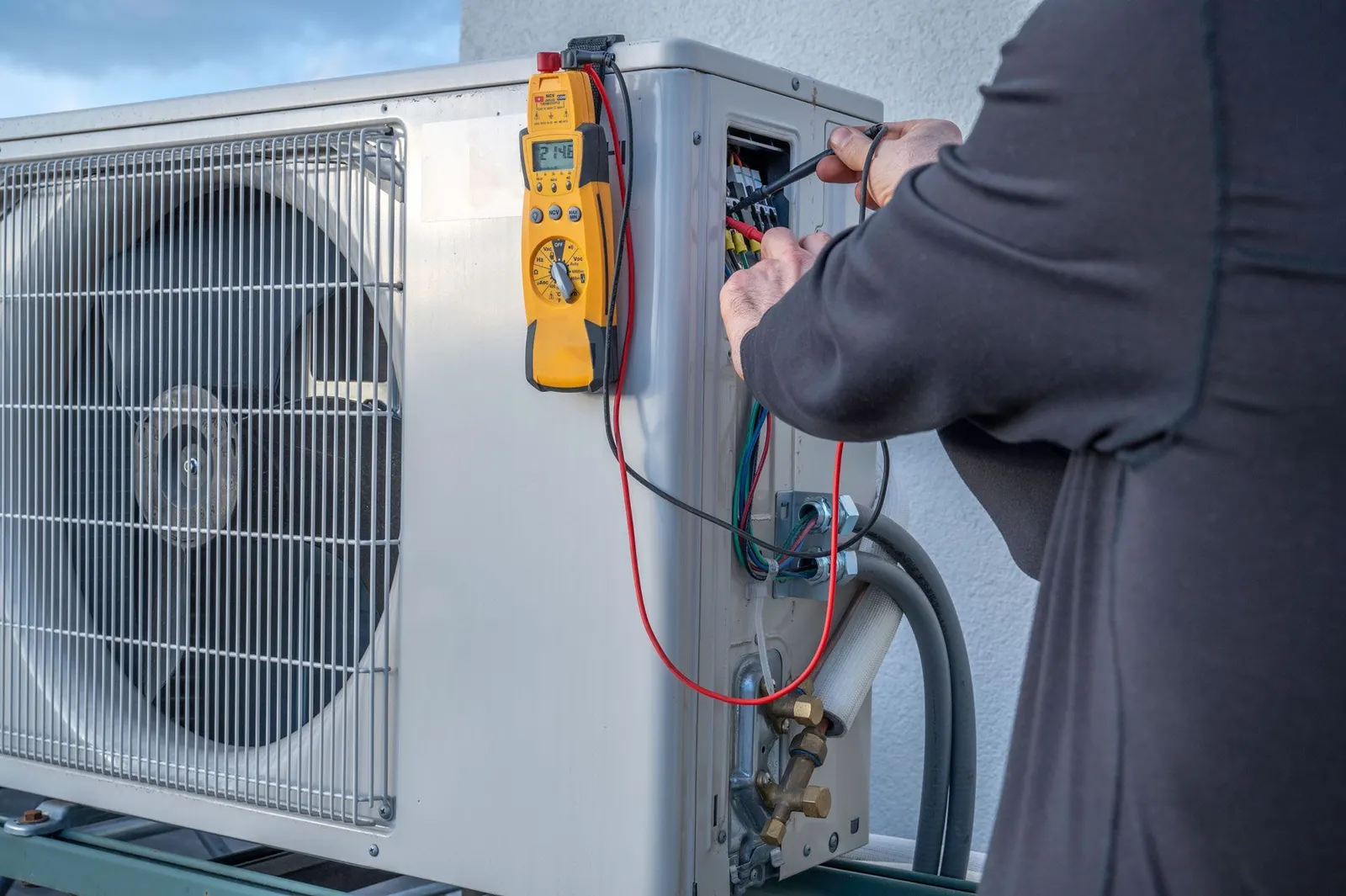
Your cooling system relies on a network of electrical components to keep the cycle running. Faulty run capacitors, which provide the continuous electrical juice needed to keep the fan motors spinning, can overheat and interrupt the cycle. Similarly, malfunctioning limit switches will cut power if they falsely detect an overheating motor.
| Safe Homeowner Checks | Requires Licensed Professional |
|---|---|
| Replacing dirty air filters monthly | Testing and replacing run capacitors |
| Clearing debris from the outdoor unit | Handling, testing, or adding refrigerant |
| Checking thermostat battery levels | Repairing electrical limit switches |
| Ensuring all indoor vents are fully open | Diagnosing compressor motor failure |

How Unpredictable Fall Weather Stresses Your HVAC System
Regional climate factors play a massive role in how your equipment performs. As local Williamsport MD heating and cooling experts, we know firsthand that the early fall climate presents a unique challenge. You might experience a sunny afternoon that demands heavy cooling, followed by a sudden nighttime drop where temperatures plummet by 20 to 30 degrees.
The toll on load calculations: These drastic daily temperature swings place immense strain on your system's sensors. If you leave your cooling system running during an unusually cool night, the outdoor unit doesn't have to work hard to reject heat. However, the indoor evaporator coil can easily become overcooled. Without enough ambient heat inside the house to keep the coil above freezing, ice forms rapidly. By the time the sun comes up the next day and the house gets warm, the system is completely frozen and begins to short-cycle.
Thermostat confusion: Seasonal system strain also confuses older thermostats. When the ambient temperature fluctuates wildly, a thermostat with a narrow deadband (the temperature range before it kicks on) will constantly signal the system to start and stop, trying to chase a moving target.
Preventative care is your best defense against these weather-induced mechanical stresses. Scheduling routine AC maintenance ensures that your sensors are calibrated, your coils are clean, and your system can handle the wild temperature swings without shutting down prematurely.
The Clammy House Effect: Why Run Times Matter
Most homeowners don't realize that an air conditioner actually has two jobs. The primary job is lowering the temperature, but the equally important secondary job is extracting indoor humidity. When your system short-cycles, it completely fails at this second task.
How moisture removal works: As warm indoor air blows over the cold evaporator coil, humidity condenses into water droplets, drips into a drain pan, and is carried out of your home. This process takes time. A system needs to run for at least 10 to 15 minutes before it begins effectively drawing moisture out of the air.
The clammy feeling: If your system shuts off after just five minutes, the air temperature might drop, but the moisture stays trapped inside. This creates the "clammy house effect"—a home that feels technically cool but retains high, uncomfortable humidity. Because the Mid-Atlantic region retains high humidity well into the September early fall transition, our team consistently advises that proper dehumidification is essential for comfort.
If you find yourself constantly lowering the thermostat because the house feels sticky, your system is likely short-cycling or is oversized for the square footage. Ensuring proper run times for indoor moisture control is a critical step before the winter season officially begins and your home is sealed up tight.
Finding the Root Cause Without Unnecessary Replacements
When a system repeatedly cools and then stops, many homeowners fear the worst. However, an AC that shuts down prematurely does not automatically mean the entire system needs replacing. Identifying a simple sensor issue, a clogged drain line, or a severe airflow restriction can save you significant money and extend the life of your equipment.
Honest diagnostics matter: At Comfort Central Inc., being rooted in strong family values means our team prioritizes honest diagnostics. The goal should always be finding and repairing the actual root cause rather than immediately pushing for a costly system replacement. Transparent communication is key when explaining complex HVAC issues to homeowners without technical knowledge.
For example, during a recent pre-season assessment in Williamsport MD, a homeowner needed honest advice about their aging AC system. Our technician thoroughly evaluated the equipment, explained the diagnostic process clearly, and was upfront about the necessary repairs. The customer received a straightforward assessment of what needed fixing right now and what could wait, providing peace of mind without high-pressure sales tactics.
A thorough, honest assessment is the best way to determine the true health of an aging system. By investing in professional AC inspection and testing, you get a clear picture of your equipment's status, allowing you to make informed decisions about repairs versus long-term replacement strategies.
Frequently Asked Questions About AC Short-Cycling
When a cooling system starts acting erratically during the September early fall transition, homeowners naturally have questions. Here are the most common concerns our team hears regarding systems that quit before the job is done.
Why does my AC run for 10 minutes then shut off?
The short answer is that your system is experiencing short-cycling. This rapid on-and-off behavior is often caused by a dirty air filter choking the airflow, an oversized unit cooling the space too fast, or a malfunctioning thermostat sending incorrect signals. Checking your air filter is the first and easiest step to rule out basic airflow restrictions.
Why is my AC blowing cold air then stops?
This typically points to a frozen evaporator coil or a tripped safety switch. A sudden drop in refrigerant pressure or a lack of warm air moving over the indoor coil causes the system to freeze. Once the internal sensors detect this freezing or a dangerous pressure drop, the system shuts down to protect the compressor from permanent damage.
What causes an AC to short cycle?
Short-cycling is triggered by several overlapping mechanical and environmental factors. The most common causes we find include:
- Restricted airflow from neglected filters or blocked vents.
- Refrigerant leaks causing low system pressure.
- Electrical issues, such as a failing run capacitor.
- Extreme seasonal temperature fluctuations confusing the outdoor sensors.
How do you fix an AC that stops cooling?
Start by checking and replacing your indoor air filter. If a fresh filter doesn't resolve the issue, you must turn the system off to prevent further damage. Because the remaining causes—such as electrical component failure or low refrigerant—involve high voltage and pressurized chemicals, a licensed professional must diagnose and repair the system.
Is short-cycling dangerous for my HVAC system?
Yes, if left unaddressed, short-cycling is highly destructive. The constant starting and stopping causes severe wear and tear on the compressor motor and electrical contactors. Over time, this recurring stress will lead to premature system failure and significantly higher energy bills due to the massive power spikes required for constant restarts.
Prepare Your System for the Seasonal Shift
Addressing short-cycling before the weather turns fully cold is the smartest move a Williamsport MD homeowner can make. When your system is struggling to complete a basic cooling cycle, it is a clear warning sign that the internal components are under stress. Ignoring these symptoms now almost guarantees a more severe breakdown when you switch over to heating.
Actionable, preventative care ensures both your air conditioning and heating systems remain reliable year-round. By booking a pre-heating season inspection with our team, a technician can catch lingering cooling issues, clean the coils, and prep the furnace or heat pump simultaneously.
Don't wait for a complete breakdown to get your system checked. If your equipment is struggling to keep up with the seasonal shifts, scheduling a professional AC repair service will restore your home's comfort, protect your compressor, and give you total confidence heading into the colder months.