
Why Is My AC Blowing Cold Air and Then Suddenly Stopping?
Is your air conditioning system actually broken—or just struggling to keep up with the late-summer heat? When our team at Comfort Central Inc. provides reliable home maintenance tips and troubleshooting advice to Williamsport homeowners, one of the most frustrating problems we hear about is a cooling system that starts strong but prematurely shuts down. You hear the system kick on, feel a blast of cold air, and then everything goes quiet long before the house actually feels comfortable.
This frequent starting and stopping is known in the HVAC industry as "short-cycling." By the time August rolls around, your system has likely been running continuously but struggling to maintain comfortable indoor temperatures against the heavy summer heat. Hundreds of hours of operation naturally accumulate wear and tear, leading to severe cumulative system fatigue. The core decision you face right now is determining whether this sudden drop-off in cooling performance is due to basic homeowner-level maintenance issues—like a clogged air filter—or if it requires a licensed professional to diagnose a deeper mechanical failure. If you need a comprehensive evaluation, exploring our professional air conditioning services is the safest next step.
Understanding Short-Cycling and Late-Summer AC Fatigue
In our years of servicing HVAC systems across Williamsport, we've found that to fix an air conditioner that stops cooling prematurely, you first need to understand how the system is designed to operate. Short-cycling occurs when the cooling cycle terminates before the thermostat's target temperature is reached. Instead of running a full, efficient cycle, the equipment turns on and off in rapid bursts. This is rarely a sudden, random mechanical failure. More often, a pattern we see is that it's a direct result of cumulative end-of-season wear.
What Constitutes a Normal Cooling Cycle?
Under typical conditions, central air conditioners need to run in continuous 15 to 20-minute cycles to effectively cool and dehumidify a home. This duration gives the refrigerant enough time to absorb heat from your indoor air, carry it outside, and release it. It also allows the indoor blower motor to pull enough humid air across the cold evaporator coil to extract moisture.
| Cycle Type | Average Duration | System Impact | Comfort Result |
|---|---|---|---|
| Normal Cycle | 15–20 minutes | Low stress, highly efficient | Balanced temperature and low humidity |
| Short Cycle | 2–10 minutes | High stress on compressor and motors | Uneven temperatures and sticky, clammy air |
| Continuous Run | Never shuts off | Maximum wear and tear | System cannot meet thermostat demand |
The Role of Cumulative System Stress
By late summer, a residential HVAC system has typically run for hundreds of hours. Over those months, minor inefficiencies compound. Dust builds up on blower fan blades, debris gathers in the outdoor condenser fins, and indoor air filters become packed with pet dander and pollen. At Comfort Central Inc., we tell our customers to frame short-cycling as the system's self-preservation response to this stress. When internal components get too hot or airflow drops too low, built-in safety switches force the system to shut down to prevent catastrophic damage. If your system is caught in this loop, scheduling professional AC repair can identify exactly which safety switch is tripping.
How Restricted Airflow Leads to Frozen Evaporator Coils
One of the most common reasons an air conditioner blows cold air and then suddenly stops is a frozen evaporator coil. This happens when airflow through the system is severely restricted. Your indoor unit contains a coil filled with extremely cold liquid refrigerant. For the system to work, warm indoor air must blow over this coil. The heat from the air transfers to the refrigerant, cooling the air before it is pushed back into your rooms.
The physics of a freeze-up: If a clogged air filter blocks that warm return air, the temperature of the evaporator coil drops below freezing. The natural condensation that forms on the coil during the dehumidification process turns to ice. As the ice builds up, it creates a physical barrier that completely blocks the remaining airflow. The symptom you notice is that the indoor fan continues to run, but the frozen coil blocks the cooling process, resulting in the system blowing unconditioned, room-temperature air.
Airflow issues can also stem from mechanical failures. Just last August, our team helped a local homeowner who experienced a similar disruption during a late-summer heatwave when the capacitor on their indoor blower burned up. Because the blower motor lost power, it stopped pushing warm air over the coil, which immediately threatened to freeze the system. One of our technicians arrived quickly, had the necessary part in stock, and completed the repair professionally before the coil could freeze solid. This highlights exactly why routine AC maintenance is so important—mid-season check-ups catch degrading capacitors and clogged filters before they lead to late-season freezing.

Electrical Interruptions: Thermal Overload and Failing Components
Not all short-cycling is caused by airflow or ice. Frequently, the issue is entirely electrical. Your air conditioning system relies on a delicate balance of voltage and amperage to keep heavy-duty motors spinning. When those electrical components degrade, the compressor might shut down prematurely while the indoor blower keeps running, tricking you into thinking the system is still cooling.
Compressor Thermal Overload Explained
The compressor is the heart of your outdoor unit, responsible for pumping refrigerant through the lines. If the outdoor condenser coil is blanketed in dirt, grass clippings, or cottonwood seeds, the heat absorbed from your home cannot escape into the outside air. This forces the compressor to work harder, causing internal heat buildup. Eventually, this triggers a safety switch known as a thermal overload protector. The compressor shuts itself off to prevent permanent damage, but the indoor fan might still run, blowing warm air through your vents.
Capacitor Failure and Abrupt Stops
Capacitors are small, cylindrical electrical components that store energy, acting much like a battery to give the compressor and fan motors the initial jolt of power they need to start. They also supply a continuous, even flow of voltage to keep the motors running smoothly. As capacitors degrade from heat and heavy use, they lose their ability to hold a charge. A failing run capacitor can cause the indoor blower or outdoor unit to abruptly stop mid-cycle.
Electrical interruptions often present with unusual sounds—like buzzing, humming, or hard clicking—right before the cooling stops. One of our Williamsport customers reached out during the late-summer back-to-school transition with a challenging issue where their system would abruptly shut down with a loud hum. Our Comfort Central Inc. technicians arrived within an hour, diagnosed a failing electrical component, and provided the quick answers needed to restore service. If you hear strange noises before your system shuts down, decoding weird AC noises is a great way to understand what might be failing.
The Impact of Short-Cycling on Indoor Humidity and Comfort
Cooling the air is only half of an air conditioner's job; dehumidification is equally important. In fact, the physical process of removing moisture from the air (latent cooling) is what makes a home feel truly comfortable. When a system short-cycles, it fails at this critical secondary task.
Because our Williamsport MD service area experiences high average relative humidity in late summer, our team emphasizes that continuous AC dehumidification cycles are absolutely critical to avoid a sticky indoor environment. When the AC only runs for five or ten minutes before shutting off, the evaporator coil gets cold enough to lower the air temperature, but it does not have enough time to draw significant moisture out of the air and drain it away.
The resulting indoor environment is highly unpleasant. You will likely notice a sticky, clammy feeling in the home, even if the thermostat reads 72 degrees. Hardwood floors might feel slightly slick, and the air will feel heavy. Continuous, proper cycle lengths of 15 to 20 minutes are non-negotiable for true indoor comfort in our region. If your system cannot sustain a long enough run time, the humidity will remain trapped inside.
Troubleshooting Steps: Safe Checks vs. Professional Diagnostics
When your air conditioner starts cooling and then suddenly stops, there are a few safe steps you can take before calling for help. However, we always clearly delineate between basic homeowner maintenance and dangerous DIY repairs.
Safe homeowner troubleshooting steps:
- Check and replace the air filter: A severely clogged filter is the number one cause of frozen coils and short-cycling. Pull the filter out and hold it up to a light. If you cannot see light through it, replace it immediately.
- Ensure vents are open and unblocked: Walk through every room and make sure all supply registers and return grilles are open. Moving furniture or rugs over vents restricts airflow and stresses the system.
- Check the thermostat settings: Ensure the thermostat is set to "Cool" and the fan is set to "Auto" rather than "On." If the fan is set to "On," it will blow continuously even when the compressor is resting, which can feel like the system stopped cooling.
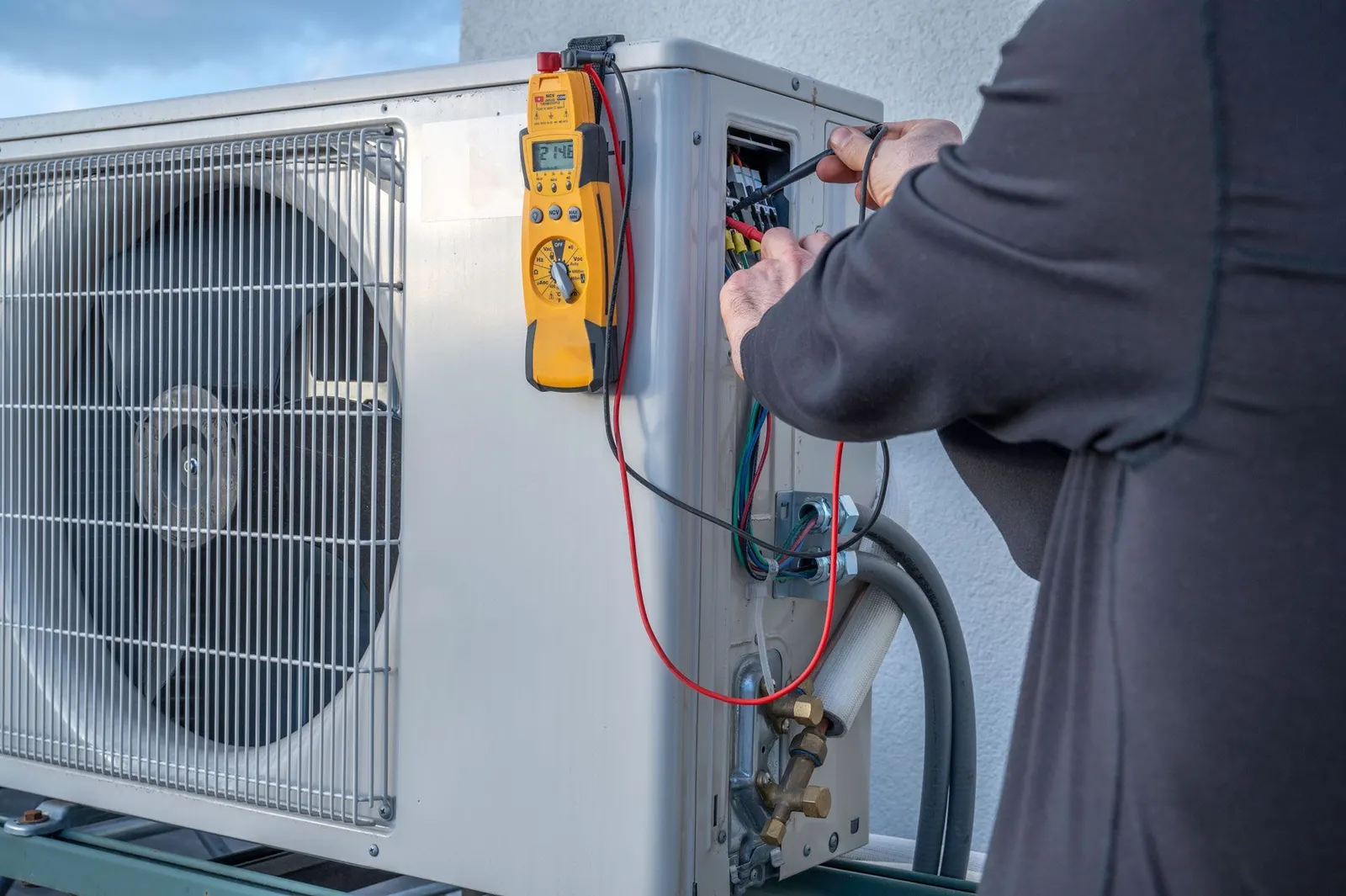
Strictly avoid dangerous DIY repairs: Never attempt to handle refrigerant, check charge levels, or open high-voltage electrical panels. Refrigerant must be handled by licensed professionals per federal law, and the capacitors in your outdoor unit hold enough voltage to cause severe injury even when the power is turned off.
Professional diagnostics can pinpoint the exact cause of the shutdown—whether it is low refrigerant, a bad sensor, or a failing motor—without any guesswork. Working with our trusted local team means you get reliable, transparent diagnostics that help you understand the "why" behind the failure. For example, when one customer with an aging AC system requested an honest assessment this past spring, our technician Sean performed a thorough diagnostic, explained the entire process, and was completely upfront about what the system needed. Reassure yourself that a system that cools then stops often needs a targeted repair, not necessarily a full system replacement. But if your unit is decades old, exploring AC replacement options (and any generally applicable energy rebates or tax credits) during a service call can provide a helpful baseline for future planning.
Frequently Asked Questions About AC Systems That Stop Cooling
Short-cycling is a mechanical symptom where an air conditioner turns on, runs briefly, and shuts off before reaching the set temperature. This is frequently caused by frozen evaporator coils, which occur when restricted airflow causes condensation to turn to ice, completely blocking the cooling process.
- Clogged air filter: Blocks warm air from reaching the coil.
- Dirty condenser: Causes the outdoor compressor to overheat and trip safety switches.
- Thermostat issues: Misreads the room temperature and shuts the system down prematurely.
Why does my AC blow cold air then stop?
In our experience, this is typically caused by airflow restrictions, overheating components, or a frozen evaporator coil. When the system cannot breathe properly, safety switches intervene to shut down the compressor before it burns out. The indoor fan may continue to run, which is why you feel a sudden shift from cold air to room-temperature air. Routine maintenance is the best way to prevent these sudden stops.
What causes an AC to short cycle?
Oversized units, dirty air filters, low refrigerant, or faulty thermostats are the primary culprits. If a unit is too large for the home, it cools the space too quickly and shuts off before it can dehumidify the air. If the issue is mechanical, a clogged filter or a failing capacitor is usually to blame. A licensed technician can measure the electrical draw to determine the exact cause.
How do I know if my AC coil is frozen?
Look for visible ice on the indoor unit or the outdoor copper refrigerant lines. You will also note if the system blows warm air while running, as the ice blocks the transfer of heat. If you suspect a frozen coil, turn the thermostat to "Off" and leave the fan on "Auto" to let the ice melt completely before calling our professionals.
How do you fix an AC that stops cooling?
Start by replacing the air filter and ensuring all household vents are open and unblocked. If the issue persists after a filter change, a licensed technician must diagnose the system. They will check for electrical faults, test the capacitors, and verify that the refrigerant levels are correct without risking damage to the equipment.
Can a bad thermostat cause the AC to stop cooling prematurely?
Yes, miscalibrated sensors or poor placement near heat sources can cause the thermostat to shut off the AC too early. If the thermostat is located near a sunny window, a hot oven, or a drafty hallway, it will get a false reading of the home's overall temperature. Upgrading to a properly calibrated smart thermostat often resolves this specific short-cycling trigger.
Restore Consistent Cooling and Dehumidification to Your Home Today
End-of-season fatigue is incredibly common, and an air conditioner that cools then stops is usually fixable with proper, transparent diagnostics. You do not have to settle for a sticky, uncomfortable home. If you have already changed your air filter and the short-cycling continues, or if you spot visible ice on your refrigerant lines, it is time to bring in an expert. Do not wait for a minor electrical issue to turn into a complete compressor failure. Reach out to our team at Comfort Central Inc. today to schedule an inspection, get clear answers, and restore consistent cooling to your home.