
Is Your AC Struggling to Keep Up as Summer Winds Down?
Why does your air conditioner blow cold air for a few minutes, only to abruptly shut down before the room actually reaches a comfortable temperature? When searching for reliable home maintenance tips and troubleshooting, addressing an air conditioner that cools then suddenly stops is a top priority. This frustrating pattern is not just a minor nuisance; it is a clear mechanical warning sign. As late summer rolls in and August temperatures remain high, your cooling system has already endured months of continuous operation. The cumulative wear and tear of a long season can push aging components past their limits, causing the unit to start and stop erratically.
For comprehensive solutions, explore our air conditioning systems or schedule professional AC repair services.
Distinguishing between a minor late-season hiccup and a critical system warning is vital for protecting your equipment. An air conditioner that shuts off prematurely is failing to complete its intended cycle. Ignoring this symptom often leads to escalating damage, particularly within the outdoor condenser. By addressing this operational failure promptly, you can prevent catastrophic compressor failure and ensure your home remains comfortable through the final weeks of the cooling season.
Decoding the 'Cools Then Stops' Cycle: Short-Cycling Explained
The technical term for an air conditioner that turns on and off rapidly without completing a full cooling cycle is "short-cycling." To understand why this is so detrimental to your HVAC system efficiency, it helps to look at the energy dynamics of a standard air conditioning unit. Starting an air conditioner requires a massive surge of electricity.
In fact, the startup phase draws three to five times the normal running current of the system. Once the compressor and blower motor are running, the electrical draw drops significantly, and the system settles into a highly efficient operational groove. When an air conditioner short-cycles, it forces the equipment to endure that massive electrical startup surge over and over again. This frequent stopping and starting accelerates mechanical wear, spikes your monthly energy consumption, and prevents the system from properly dehumidifying the indoor air.
Early-Season vs. Late-Season Failures:
- Early-season start-up issues: Often related to systems sitting idle all winter, such as dust buildup on sensors, seized motors from lack of lubrication, or pests nesting in the outdoor unit.
- Mid-to-late season mechanical fatigue: Usually points to cumulative heat stress. Components like capacitors and contactors degrade after months of heavy electrical loads, leading to abrupt shutdowns in August.
What Constitutes a Normal Cooling Cycle?
Under typical conditions, a properly sized air conditioner should run for roughly 15 to 20 minutes per cycle. This duration is necessary for two reasons: it allows the system to evenly distribute conditioned air throughout the ductwork, and it gives the indoor evaporator coil enough time to extract latent heat and humidity from the air. During a normal cycle, the temperature drops steadily until it matches the thermostat setting, at which point the system powers down gracefully. If your system runs for only three to five minutes before shutting off, it is short-cycling and failing to regulate indoor comfort.

Thermal Overload: How Your Compressor Protects Itself from Burnout
When an air conditioner cools briefly and then abruptly stops, the system is often actively saving itself from destruction. The heart of your outdoor unit is the compressor, a heavy-duty pump responsible for circulating refrigerant. Because the compressor works incredibly hard, it generates a significant amount of heat. To prevent catastrophic electrical burnout, manufacturers equip compressors with a thermal overload switch.
This switch acts as a crucial safety mechanism. If the internal temperature of the compressor exceeds safe operating limits, the thermal overload switch breaks the electrical circuit, immediately shutting the system down. With the humid Mid-Atlantic summers in Williamsport, air conditioners are forced to work exceptionally hard to dehumidify the indoor air. This heavy latent heat load means the compressor runs longer and hotter. If airflow is restricted or a component is failing, the added strain of Williamsport MD humidity makes thermal overload much more common.
The Dangers of Forcing the System:
- Repeated breaker resets: If your system shuts down and trips the breaker, resetting it repeatedly forces the compressor to start while still dangerously hot.
- Insulation degradation: Excessive heat melts the protective insulation surrounding the electrical windings inside the compressor.
- Permanent burnout: Once the windings short out against the casing, the compressor is permanently destroyed and must be replaced.
Understanding that a sudden shutdown is a protective measure changes how you approach the problem. The system is telling you that operating conditions are unsafe, and professional intervention is required to find out why.
Common Culprits Triggering Rapid System Shutdowns
Several distinct component failures can cause an air conditioner to short-cycle and eventually trip its thermal overload protection. Identifying the root cause requires a systematic approach, as the symptoms often overlap. Regular routine AC maintenance is the most effective way to catch these issues before they cause an abrupt shutdown in late summer.
The Role of the Indoor Blower and Capacitor
The indoor blower motor is responsible for pushing air over the cold evaporator coils and circulating it through your home. This motor relies on a capacitor—a small, cylindrical component that stores electricity—to provide the initial jolt of power needed to start spinning. If the capacitor weakens or fails due to heat exposure, the blower motor cannot start. Without airflow, the system freezes up or overheats, halting the cooling process immediately.
During a recent summer afternoon, one local homeowner experienced this firsthand when their indoor blower capacitor burned up completely. A technician arrived quickly to assess the situation, had the exact replacement part in stock, and completed the repair within 30 minutes. Because capacitors are highly replaceable components, fixing this issue promptly restores airflow and prevents further strain on the system.
Other Frequent Causes of Short-Cycling:
- Dirty evaporator coils and restricted airflow: A clogged air filter or dirty indoor coil suffocates the system. Without enough warm air moving over the coil, the refrigerant drops below freezing, turning the condensation into ice and triggering a safety shutdown.
- Refrigerant issues: Low refrigerant levels (due to a leak) disrupt the pressure balance in the system. The compressor relies on returning cool refrigerant to keep itself from overheating; without it, thermal overload occurs rapidly.
- Thermostat miscommunication: A thermostat placed in direct sunlight or near a heat-producing appliance may register a false temperature reading, commanding the system to shut off prematurely. This is a sensor issue rather than a mechanical failure.
The Toll of Late-Summer Heat on Aging AC Units
It is a common pattern in the HVAC industry: components that survived the moderate heat of June and the steady workload of July often fail abruptly in August. This phenomenon comes down to cumulative stress. Sustained high-heat operation over several months slowly degrades electrical parts. Capacitors lose their ability to hold a charge, contactor points become pitted and scorched from thousands of electrical arcs, and motors lose their internal lubrication.
When an aging system begins to short-cycle late in the season, it requires careful assessment rather than immediate assumptions of total failure. When an aging AC system requires assessment after a long summer, accurate information is critical. One recent customer needed an evaluation of their older unit; rather than a rushed sales pitch, the technician thoroughly explained the diagnostic process and honestly assessed what needed to be done to keep it running safely. Addressing these signs of fatigue early prevents a minor electrical issue from cascading into a major mechanical breakdown before the transition to cooler weather.
If your older system is showing signs of late-season fatigue, scheduling AC repair in Williamsport ensures that worn components are replaced before they compromise the entire unit.
Why Accurate Diagnostics Matter More Than Quick Replacements
When an air conditioner repeatedly cools and then stops, some service providers may use the symptom as leverage to push for a full system replacement. However, many short-cycling issues stem from single, highly replaceable components. A failing run capacitor, a clogged condensate drain line triggering a float switch, or a dirty flame sensor (in dual systems) can all cause abrupt shutdowns, yet none of these require replacing the entire unit.
Providing honest diagnostics is a core part of a family-valued approach to home comfort. Ethical technicians prioritize repairing warrantable or viable parts first, protecting homeowners in Williamsport MD from unnecessary replacements and predatory sales tactics. A comprehensive diagnostic process involves:
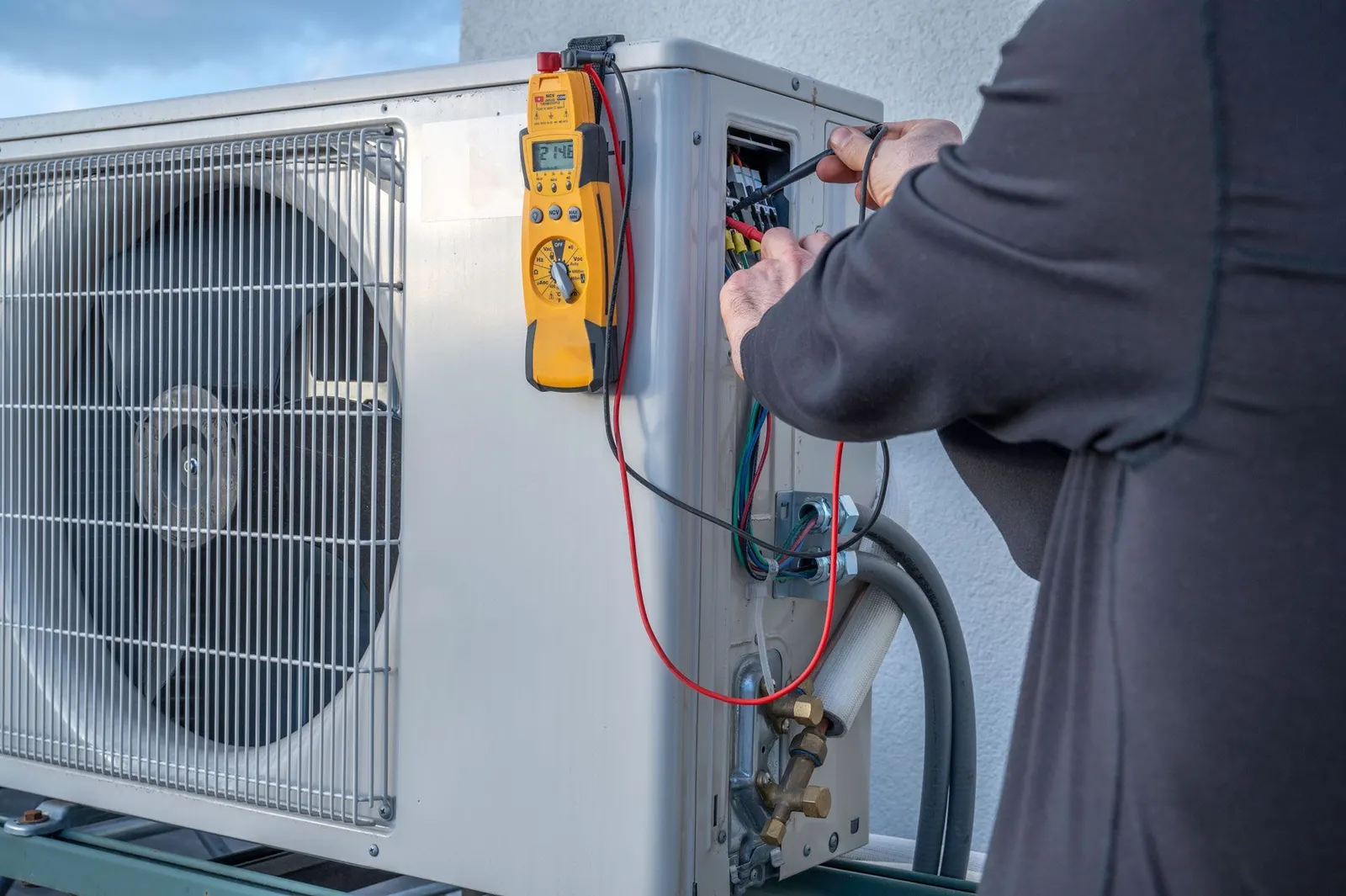
- Testing electrical tolerances: Using a multimeter to measure the exact microfarad reading of capacitors and the amp draw of motors.
- Checking static pressure: Measuring the airflow resistance in the ductwork to ensure the system is not suffocating.
- Evaluating refrigerant superheat and subcooling: Determining the precise charge of the system without guessing.
- Inspecting safety switches: Verifying that thermal overload switches and high-pressure limits are functioning correctly.
By relying on hard data rather than assumptions, a proper diagnostic evaluation identifies the exact point of failure, allowing for a targeted, effective repair.
Safe Next Steps: When to Bring in an HVAC Expert
While an air conditioner that short-cycles requires professional attention, there are a few safe, basic checks a homeowner can perform before making the call. First, check your thermostat settings to ensure it is set to "cool" and the fan is on "auto." Next, inspect your indoor air filter. A severely clogged filter is the most common cause of restricted airflow and can easily cause the system to freeze and shut down. Finally, ensure that all supply and return vents in your home are open and unobstructed by furniture or rugs.
Beyond these basic airflow checks, strictly avoid DIY electrical or refrigerant repairs. HVAC systems operate on high voltage, and handling refrigerant requires specialized training and EPA certification. Opening the outdoor electrical panel or attempting to bypass safety switches poses severe risks of electrocution and permanent equipment damage.
When an outside air conditioning unit stopped working entirely on a 90° day in late August, one homeowner contacted the office staff to schedule a same-day service call. The responding technician arrived promptly, diagnosed the electrical failure, and explained every step of the repair process, safely getting the unit back online without putting the homeowner at risk.
Clear signs that immediate professional intervention is required include a burning electrical smell near the outdoor unit, a system that trips the circuit breaker repeatedly, or loud grinding noises preceding the shutdown. For more information on identifying problematic sounds, consider decoding weird AC noises to catch issues early.
Frequently Asked Questions About AC Short-Cycling
Why does my AC blow cold air for a few minutes then stop?
Your AC is likely experiencing short-cycling, a condition where the system shuts down before completing a full cooling cycle. This is frequently caused by restricted airflow from a dirty filter, a failing electrical component like a capacitor, or a miscalibrated thermostat. The system detects an operational fault and powers down to prevent internal damage. Professional diagnostics in Williamsport MD can pinpoint the exact component at fault.
How do you fix an AC that stops cooling?
Fixing an AC that stops cooling begins with verifying airflow by replacing dirty air filters and opening all indoor vents. If basic airflow maintenance does not resolve the issue, the fix requires a licensed technician to test the electrical components and refrigerant levels. Because the root cause could range from a burned-out blower motor to a tripped thermal overload switch, professional equipment is necessary for a safe repair.
Why does my AC compressor shut off after 2 minutes?
A compressor shutting off after just two minutes is typically triggering its high-pressure limit or thermal overload switch. This rapid shutdown means the compressor is overheating extremely fast, often due to a lack of returning refrigerant, a failed condenser fan motor, or severe electrical strain. Continuing to run the system in this state can cause permanent compressor burnout.
Why does my AC shut off before reaching the set temperature?
When an AC shuts off prematurely, it usually points to a thermostat miscommunication or a tripped safety switch. If the thermostat is located near a heat source or in direct sunlight, it may read the room temperature incorrectly. Alternatively, if the internal coils freeze due to low airflow, a safety switch will halt the cooling process before the rest of the house reaches the desired temperature.
What causes an AC compressor to overheat and shut off?
Compressors overheat primarily due to a lack of proper cooling from the refrigerant cycle or excessive electrical friction. Low refrigerant levels, a dirty outdoor condenser coil that cannot release heat, or a failing run capacitor that forces the motor to struggle will all drive internal temperatures up. Once the temperature exceeds safe limits, the thermal overload switch automatically cuts the power.
Can high late-summer humidity cause an AC to short-cycle?
Yes, excessive humidity significantly increases the latent heat load on your air conditioning system. The unit must work much harder to extract moisture from the air before it can effectively lower the sensible temperature. If the system is already weakened by late-summer wear and tear, this added strain can push aging components past their breaking point, resulting in short-cycling and thermal overload.
Is a short-cycling AC always a sign that I need a new unit?
No, short-cycling does not automatically mean your system is dead. Many instances of short-cycling are caused by single, inexpensive components like a clogged drain line, a dirty air filter, or a faulty capacitor. Accurate, honest diagnostics are required to determine if the issue is a simple repair or a sign of total system failure.
Restore Your Home's Comfort with Expert Troubleshooting
An air conditioner that cools briefly and then abruptly stops is issuing a clear cry for help, but it is not necessarily a death sentence for the unit. Whether the culprit is a failing capacitor worn down by late summer heat, a suffocated blower motor, or a compressor protecting itself via thermal overload, these symptoms require a clear, neutral technical assessment. Ignoring the rapid on-and-off cycling only forces the equipment to endure massive electrical strain, accelerating mechanical wear and risking permanent burnout. Schedule a professional inspection today to accurately diagnose the root cause, protect your compressor, and restore reliable cooling to your home.