
Is Your HVAC System Shutting Down Prematurely?
Are you looking for reliable home maintenance tips and troubleshooting advice because your heating system is suddenly starting and stopping before the house gets warm? Are you noticing lukewarm air or rapid on-and-off cycles as the weather turns cold? Many homeowners search for answers when their air conditioner starts cooling and then stops during the summer heat. However, our team at Comfort Central Inc. frequently sees this exact same frustrating behavior—known as short-cycling—plaguing heat pumps and furnaces during those first significant November pre-winter temperature drops.
You might have already relied on our air conditioning services during the hotter months to keep your home comfortable. Now, the decision point shifts. You need to distinguish between normal early-season system adjustments and serious mechanical faults. In our years of serving Williamsport, we've found that setting the right expectations and catching these issues early prevents catastrophic holiday failures when you need your heating system the most.
Understanding Short-Cycling in Heat Pumps and HVAC Systems
Short-cycling is a term that describes a specific mechanical failure pattern. It happens when your heating or cooling system terminates its cycle prematurely, shutting down before the thermostat reaches your desired indoor temperature. This is never a standalone quirk. In our daily service calls, it is almost always a symptom of a larger underlying issue.
What Exactly is Short-Cycling?
To understand the problem, you need to know what normal operation looks like. A healthy heating cycle typically lasts anywhere from 10 to 15 minutes, depending on the outside temperature and your home's insulation. This gives the system enough time to distribute warm air evenly throughout the house and manage indoor humidity levels.
The short-cycling pattern: When a system short-cycles, it runs in rapid bursts. It might turn on for just three to five minutes, shut off abruptly, and then try to start again a few minutes later. These premature shutdowns completely disrupt your indoor temperature balance. The system never runs long enough to push warm air into the furthest rooms of your house, leaving certain areas freezing while the hallway where the thermostat sits feels warm.
Summer Wear Masked by Mild Fall Weather
If you live in Williamsport MD, you know that our local climate demands a lot from our home comfort systems. Williamsport's transition from hot, humid summers to freezing winters puts intense, year-round stress on dual-purpose systems like heat pumps. The heavy workload from battling summer heat often creates hidden component stress that goes completely unnoticed during the mild days of early autumn.
Systems often seem perfectly fine in October when they barely have to run. But when the first significant cold drops arrive in November, those hidden inefficiencies are suddenly exposed. The stress transitions from the AC compressor's cooling function to the heating components. If you are understanding why your AC cools then stops cooling, you are already halfway to understanding why your heat pump or furnace is struggling now. The mechanical principles are identical, even though the season has changed.
The Difference Between Defrost Mode and True Short-Cycling
During those sharp November pre-winter temperature drops, heat pump owners often panic when their system starts acting strangely. Our technicians always take time to clarify a common point of confusion for our customers: the difference between a mechanical failure and a normal, built-in safety feature.
Identifying a Normal Defrost Cycle
Heat pumps absorb heat from the outside air and transfer it inside. When the outside temperature drops near freezing, the moisture in the air can freeze on the outdoor unit's coils. To prevent a solid block of ice from forming, heat pumps are equipped with a built-in defrost cycle. This cycle temporarily reverses the flow of refrigerant to melt the frost.
Here is what a normal defrost cycle looks and sounds like:
- Temporary cold air: You might feel cool air coming from your vents for a few minutes.
- Whooshing noises: You will likely hear a distinct "whoosh" sound as the reversing valve shifts directions.
- Brief pauses: The outdoor fan will stop spinning while the compressor continues to run, allowing heat to build up and melt the ice.
- Steam: You might see steam (not smoke) rising from the outdoor unit as the ice melts.
When the Stopping and Starting is Abnormal
A defrost cycle is temporary and normal. True short-cycling is repetitive, rapid, and abnormal. If your system is failing to complete its cycle and constantly restarting every few minutes, it is not defrosting—it is short-cycling. We always advise homeowners to observe the cycle length over an hour before assuming the system is broken.
| Feature | Normal Defrost Mode | True Short-Cycling |
|---|---|---|
| Cycle Duration | 5 to 15 minutes, occasionally | 3 to 5 minutes, constantly repeating |
| Indoor Temperature | Maintains the set temperature overall | Never reaches the target temperature |
| Airflow Temperature | Briefly blows cooler air, then returns to warm | Blows lukewarm or cold air continuously |
| System Sounds | A single "whoosh" as the valve shifts | Constant clicking, starting, and hard stopping |

Common Culprits: Why Systems Start and Stop Quickly
Understanding the technical reasons behind short-cycling helps you separate simple airflow issues from complex mechanical failures. While some causes are easily fixed by a homeowner, a pattern we see often is that ignoring these signs leads to repairs requiring the tools and training of a licensed professional.
Airflow Restrictions and Overheating
- Dirty Air Filters: In our experience, this is the primary cause of airflow restriction. When a filter becomes clogged with dust, pet dander, and debris, the blower motor has to work incredibly hard to pull air through it. This lack of airflow traps heat inside the furnace or air handler.
- The Limit Switch Activation: Your heating system has a built-in safety device called a high limit switch. If the internal temperature gets too hot due to poor airflow, the limit switch trips and shuts the system down to prevent a fire or permanent damage to the heat exchanger. Once the unit cools off, it turns back on, only to overheat and shut down again. This creates the short-cycling loop. Keeping up with routine AC maintenance and heating tune-ups ensures these filters and switches are checked regularly.
- Blocked Vents and Registers: Closing vents in unused rooms or blocking them with heavy furniture creates backpressure in your ductwork. This also restricts airflow, causing the system to overheat and shut down prematurely.
Thermostat Miscommunication
- Poor Thermostat Placement: If your thermostat is located near a drafty window, an exterior door, or a heat source like a sunny window or an oven, it will read "ghost" temperatures. It will think the house is warm enough and shut the system down, even if the rest of the house is freezing.
- Wiring and Calibration Issues: Over time, thermostats can lose their calibration or develop loose wiring. If the thermostat cannot maintain a steady communication signal with the control board, it will send erratic start and stop commands to the equipment.
- Oversized HVAC Units: Bigger is not always better. Our installation team frequently replaces oversized furnaces or heat pumps that heat the space far too quickly. They blast the house with hot air, satisfy the thermostat in just a few minutes, and shut off. This rapid cycling wears out the equipment and leaves the home feeling clammy and uncomfortable.
- Complex Mechanical Faults: Issues like low refrigerant levels in a heat pump or a dirty flame sensor in a gas furnace will also cause immediate shutdowns. These are complex, dangerous issues that require licensed intervention to diagnose and repair safely.
The Hidden Risks of Ignoring Lukewarm Air and Short-Cycling
It is tempting to ignore a system that starts and stops frequently, especially if the house feels somewhat warm. However, ignoring short-cycling during those November pre-winter temperature drops is a massive risk. We cannot overstate the urgency of addressing this behavior now.
Accelerated Component Wear
Short-cycling creates a devastating cascading effect on your equipment. Every time a heat pump or furnace starts up, it draws a massive surge of electricity. The startup phase is the most stressful part of the entire heating cycle.
The toll on your compressor: Forcing your compressor or blower motor to start and stop dozens of times an hour causes intense mechanical wear and tear. It is like driving a car in heavy, stop-and-go traffic all day instead of cruising on the highway. This constant restarting significantly increases your energy consumption, leading to much higher utility bills. More importantly, it dramatically shortens the lifespan of your most expensive components. Note that upgrading a failing system to a high-efficiency heat pump might qualify you for federal tax credits or utility incentives—we always recommend verifying current programs with your utility provider or a tax professional.
Holiday Season Vulnerability
A minor airflow issue today forces the compressor or heat exchanger to work harder tomorrow. If left unresolved, the stress will eventually cause a critical component to snap. The biggest risk we warn our clients about is experiencing a catastrophic, full-system failure during the freezing holiday months.
When a system breaks down in the middle of a December freeze, you are stuck dealing with a cold house right when you are trying to host family and friends. Furthermore, holiday weeks are peak season for HVAC technicians, meaning schedules are fully booked and wait times are longer. Being proactive now helps you avoid the stress and disruption of needing emergency AC repair or heating service when the weather is at its worst.
Objective Diagnostic Criteria: When to Call a Professional
How do you know when it is time to stop troubleshooting and call in an expert? Having clear, objective diagnostic criteria helps you make the right decision for your home without worrying about unnecessary upselling.
Safe Homeowner Troubleshooting
Before you pick up the phone, there are a few safe, basic checks every homeowner in Williamsport MD should perform:
- Check the thermostat settings: Ensure it is set to "Heat" and the fan is set to "Auto" rather than "On." Replace the batteries if the screen is blank or flashing.
- Inspect and replace the air filter: Pull out your current filter. If you cannot see light through it, it is too dirty. Replace it with a fresh, clean filter immediately.
- Open all vents: Walk through your home and ensure all supply and return registers are fully open and unblocked by furniture, rugs, or curtains.
Signs You Need Licensed Intervention
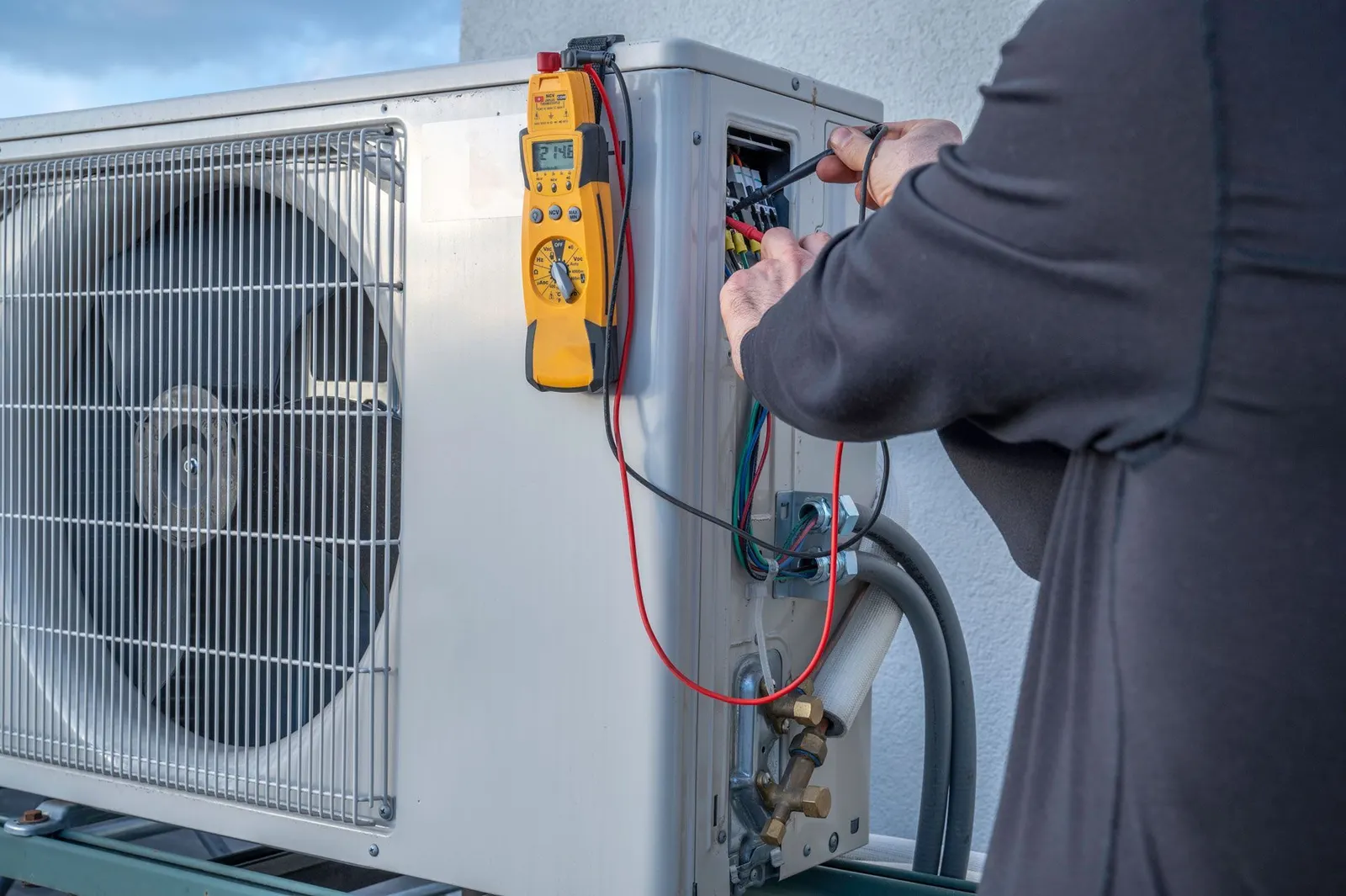
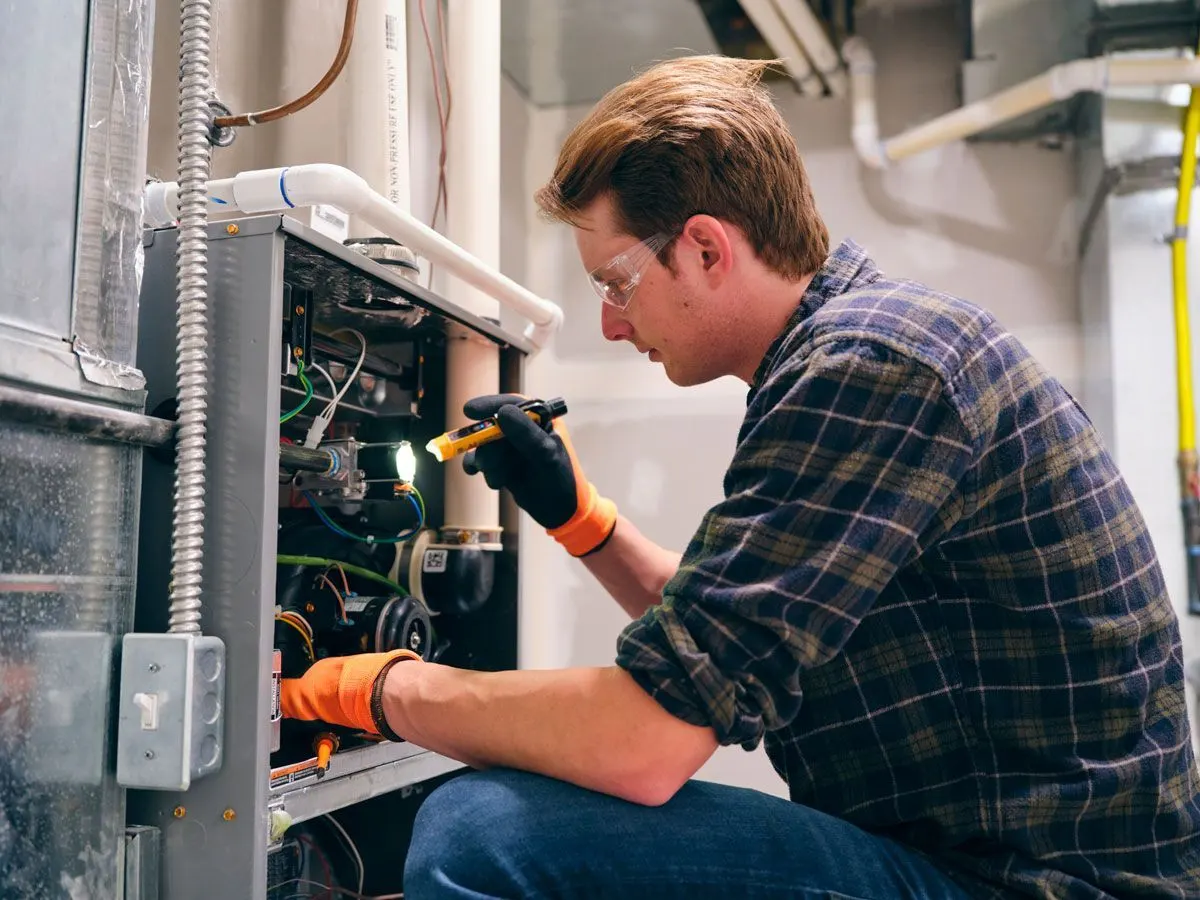
If you have performed those basic checks and the system continues to short-cycle, you have reached the limit of safe homeowner maintenance. Opening the cabinet, handling refrigerant lines, or testing high-voltage electrical components requires specialized training and licensing.
You must schedule professional AC repair or heating diagnostics if you notice any of the following warning signs:
- The short-cycling persists: If the unit still turns on and off rapidly after a filter change, a deeper mechanical issue is at play.
- Unusual or loud noises: Grinding, squealing, or loud banging sounds indicate failing motors or broken internal components.
- Strange odors: A persistent burning smell or the scent of ozone means electrical components are overheating.
- Error codes: If your modern thermostat is flashing an error code or a warning light, it is communicating a specific failure that needs professional translation.
At Comfort Central Inc., we provide expert, objective diagnostics to accurately identify whether short-cycling is a simple fix or requires professional repair. We focus on getting to the root of the problem, giving you the facts you need to make an informed decision.
Frequently Asked Questions About HVAC Short-Cycling
Why does my heat pump start heating then stop?
In our experience, your heat pump likely starts and stops quickly due to restricted airflow from a dirty filter, which causes the internal temperature to rise and triggers a safety shutoff. It could also be experiencing a normal defrost cycle if the outdoor temperature is near freezing. If the filter is clean and the stopping is rapid and repetitive, a professional needs to check the refrigerant levels and electrical sensors.
What causes a furnace to short cycle?
Our technicians find a furnace short-cycles most commonly because a clogged air filter causes the heat exchanger to overheat, tripping the high limit safety switch. Other frequent causes include a dirty flame sensor that cannot detect the fire, or an oversized furnace that heats the space too rapidly. Once the system cools down, it restarts, only to overheat and shut down again.
How do I know if short cycling requires a professional?
You need a professional if your system continues to short-cycle after you have replaced the air filter, checked the thermostat batteries, and opened all the vents in your home. Any loud grinding noises, burning smells, or flashing error codes on your thermostat are immediate signs that licensed intervention is required to prevent further damage.
Can a dirty filter cause short cycling?
Yes, a dirty air filter is the most common cause of short-cycling in both heating and cooling systems. The clogged filter acts like a wall, preventing the blower motor from pulling enough air through the system, which leads to immediate overheating. Changing your filter regularly is the best defense against this specific issue.
Why does my heater turn on for 5 minutes then shut off?
A heater running for only 5 minutes is a classic sign of short-cycling, usually triggered by an overheating safety mechanism or a thermostat miscommunication. The system is detecting a fault—such as poor airflow or a failing sensor—and shutting down to protect itself from permanent damage. This rapid cycling prevents your home from ever reaching a comfortable temperature.
Is it normal for a heat pump to blow cold air temporarily in winter?
Yes, it is completely normal for a heat pump to blow cold air temporarily when it enters its automated defrost cycle to melt ice off the outdoor coils. This process usually lasts between 5 and 15 minutes, during which the system temporarily reverses its operation. Once the ice is melted, the heat pump will automatically return to blowing warm air.
Secure Your Winter Comfort with Expert Diagnostics
Ignoring a system that short-cycles in November is a direct path to a freezing home in December. Catching these early warning signs and applying the right home maintenance tips and troubleshooting steps will protect your equipment from severe mechanical strain. When basic filter changes aren't enough, a clear, expert explanation of your system's health is your best defense against unexpected winter breakdowns. For homeowners in Williamsport MD, scheduling a pre-winter professional tune-up with Comfort Central Inc. ensures your system is thoroughly inspected, properly calibrated, and ready to handle the cold. Take action now to secure a reliable, expertly diagnosed heating system before the holiday rush begins.