
Is Your System Broken, or Just Adapting to the Cold?
Are you wondering why your heating system is blowing cold air right when you need warmth the most? When looking up home maintenance tips and troubleshooting, one of the most alarming situations for any homeowner is a heat pump that suddenly acts like an air conditioner during the November first freezes. At Comfort Central Inc., our team frequently hears from panicked customers who step outside to check the unit and see what looks like smoke billowing from the top, leading them to believe the entire system has failed. Before you panic, determining whether your system is running a normal defrost cycle or experiencing a genuine mechanical failure is critical before deep winter arrives. This guide will help you diagnose the issue accurately.
If you need immediate professional assistance, scheduling an AC repair service can quickly restore your system's functionality.
The Initial Shock of a Defrost Cycle
In Maryland, the seasonal shift during late fall introduces a unique set of weather conditions. Homeowners typically turn on their heating systems expecting consistent, warm air. However, heat pumps function differently than traditional gas furnaces. Because a heat pump is essentially an air conditioner that operates in reverse, it must occasionally switch back into cooling mode to protect itself from the elements. This sudden shift often causes immediate alarm, but understanding the mechanics behind it can save you from an unnecessary emergency service call.
The Science Behind It: Why Heat Pumps Act Like Air Conditioners in Winter
To understand why your system occasionally blows cold air during the November first freezes, you have to look at how a heat pump transfers thermal energy. Unlike a furnace that burns fuel to create heat, a heat pump absorbs ambient heat from the outside air and moves it indoors. Even when it feels freezing outside, there is still thermal energy available. However, extracting that heat causes the outdoor coils to drop to extremely low temperatures, which leads to frost accumulation.
- Heat Extraction: The system pulls ambient heat from the cold outdoor air.
- Coil Freezing: Moisture in the air condenses on the super-cooled outdoor coils and turns to frost.
- Defrost Initiation: Sensors detect the ice buildup and trigger the defrost cycle to prevent permanent damage.
- Temporary Reversal: The system briefly switches back to cooling mode to send hot refrigerant outside, melting the ice.
The Role of the Reversing Valve
The reversing valve is the mechanical heart of a heat pump. This specialized component physically shifts the flow of refrigerant through the system. When the defrost cycle is triggered, the reversing valve engages, temporarily turning the indoor coil into an evaporator and the outdoor coil into a condenser. This means the system pulls heat from inside your home and dumps it outside to melt the accumulated frost. It is a highly engineered safety feature, not a mechanical glitch.
The 30-40 Degree Threshold
You might wonder why this happens so frequently during late fall. The answer lies in the 30-40 degree outdoor temperatures. This specific temperature range is the prime environment for frost creation. The air is still warm enough to hold significant moisture, but the outdoor coils are operating below freezing. The system's internal sensors constantly monitor the coil temperature and the ambient air. When the frost becomes thick enough to impede airflow, the control board initiates the defrost sequence to protect the compressor from failing.
Visual and Physical Symptoms of a Normal Defrost Cycle
When the 30-40 degree outdoor temperatures trigger a defrost cycle, your system will exhibit several distinct behaviors. Knowing what a normal cycle looks, sounds, and feels like provides a clear, definitive checklist to prevent unnecessary panic.
- Sudden cold air: The air coming from your vents will temporarily feel cool as the system reverses its operation.
- Visual steam: You will likely see a white cloud rising from the outdoor unit as the frost rapidly melts.
- Auditory shifts: The loud outdoor fan will stop spinning entirely, but you will still hear the low hum of the compressor working.
- Predictable timing: The entire process resolves itself relatively quickly without manual intervention.
Temporary Cold Air from Vents
Because the system is temporarily acting as an air conditioner, the air blowing into your rooms will be cool. However, most modern heat pumps are equipped with auxiliary electric heat strips. These strips are supposed to activate automatically during a defrost cycle to temper the cold air, ensuring your home does not drop significantly in temperature. If the air remains ice-cold for extended periods, your auxiliary heat may be malfunctioning.
Steam vs. Smoke from the Outdoor Unit
Seeing a cloud rise from electrical equipment is always startling. However, it is vital to distinguish harmless water vapor from electrical smoke. During a defrost cycle, the hot refrigerant rapidly melts the ice on the outdoor coils. The combination of cold outdoor air and rapid melting creates a thick plume of steam. Steam will dissipate quickly into the air and has no odor. Electrical smoke, on the other hand, will smell like burning plastic or ozone and will linger in the air.
The 5-to-15 Minute Rule
A healthy defrost cycle has a very specific timeframe. Under normal conditions, the cycle will last anywhere from 5 to 15 minutes. Once the sensors detect that the outdoor coil has reached a safe temperature and the ice is gone, the reversing valve shifts back, the outdoor fan restarts, and warm air returns to your vents. If your system stays in this mode for longer than 15 minutes, or if it rapidly repeats this cycle every half hour, the behavior crosses into abnormal territory.

When 'Cooling Then Stopping' Means Actual Short-Cycling
While a 15-minute defrost cycle during the November first freezes is normal, a system that repeatedly turns on, blows cold air briefly, and shuts off without conditioning the space is experiencing short-cycling. Short-cycling is a rapid on-and-off sequence that prevents the system from completing a full heating cycle, causing immense wear and tear on the components.
Dirty Air Filters Restricting Airflow
One of the most common culprits behind actual short-cycling is a severely clogged air filter. When airflow is blocked, the heat exchanger cannot transfer thermal energy effectively, causing the internal temperature of the unit to spike. Modern HVAC systems are equipped with safety limit switches. If the system detects that it is overheating due to poor airflow, it will shut down prematurely to prevent a fire hazard. Checking and replacing your air filter is the first step in understanding why your AC cools then stops.
Refrigerant Leaks and Coil Freezes
Heat pumps rely on a precise charge of refrigerant to move heat effectively. If your system develops a leak, the pressure inside the lines drops significantly. Low refrigerant causes the indoor coil to drop below freezing, encasing it in a solid block of ice. When this happens, a low-pressure safety switch will trip, abruptly shutting the system down. You might feel a brief burst of cool air before the system halts completely. This requires professional leak detection and repair.
Real Malfunctions That Mimic Normal Defrosting
Sometimes, what looks like a defrost cycle is actually a hardware failure requiring professional intervention. Even when the 30-40 degree outdoor temperatures are present, specific mechanical breakdowns can trap a system in a false defrost state or cause abrupt shutdowns.
Sensor and Switch Failures
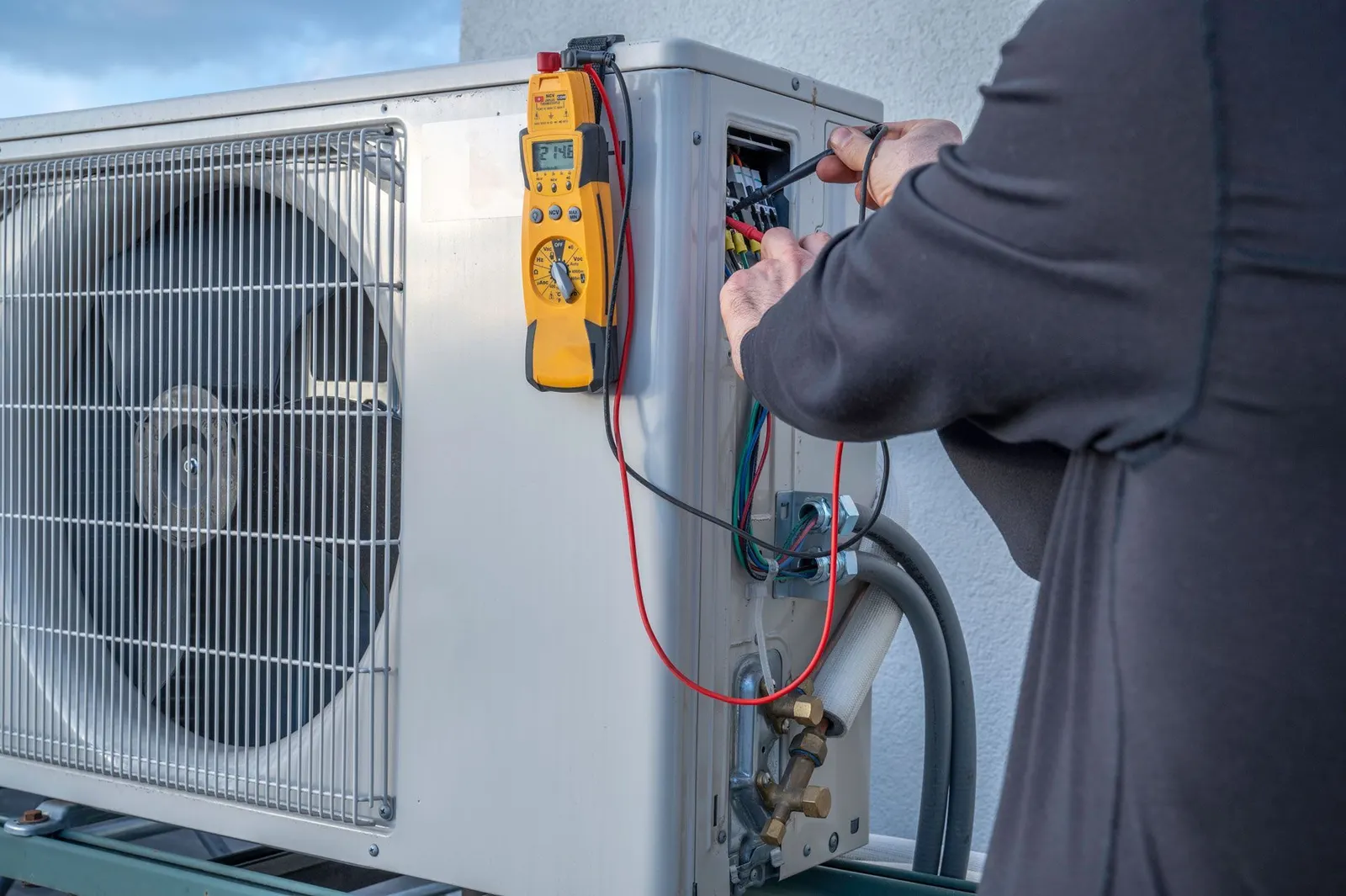
Your heat pump relies on defrost thermostats and sophisticated control boards to know when to initiate and terminate a cycle. If a sensor fails, it might falsely tell the system that the coil is frozen, trapping the unit in defrost mode indefinitely. Additionally, loose wiring can cause intermittent power loss. For example, during a recent winter, our team at Comfort Central Inc. was called out to a Williamsport home where a three-year-old heat pump had stopped working entirely. Our technician quickly found that a pressure switch wire was touching the suction line, causing a short. Once the loose wire was secured, the system was promptly and competently repaired within minutes.
Compressor Overheating
The compressor is the engine of your heat pump. If the outdoor fan motor fails to restart after a normal defrost cycle, the compressor will continue to run without any way to dissipate heat. This causes the compressor to overheat rapidly. When it reaches a critical temperature, a thermal overload switch will force it to shut off. You will hear the system attempt to start, hum loudly for a few seconds, and then click off. This is a severe malfunction that requires immediate professional attention.
If you notice the outdoor fan failing to spin while the system hums loudly, you likely need emergency AC repair in Williamsport.
How Maryland's Late-Fall Climate Accelerates Frost Buildup
The frequency of defrost cycles is heavily dependent on your local climate. In Maryland, the late-fall weather patterns create the perfect storm for rapid frost accumulation. The environment plays a massive role in how often your system needs to clear its outdoor coils during the November first freezes.
The Impact of High Humidity
In our years of keeping homes warm across Williamsport and the surrounding areas, we've seen how our region experiences significant humidity even in the colder months. When the air is saturated with moisture, that water vapor needs somewhere to go. As your heat pump pulls heat from the outdoor air, the surface temperature of the copper coils drops well below the ambient temperature. The high airborne moisture rapidly condenses onto these super-cooled coils and instantly freezes.
Wet, 35-Degree Nights
The most active time for defrost cycles is during wet, 35-degree nights. While a dry, 20-degree night might produce very little frost, a damp night hovering just above freezing will cause the coils to ice over repeatedly. It is completely expected for your system to run a defrost cycle every 60 to 90 minutes under these specific weather conditions. Reassure yourself that frequent cycling during a damp Maryland cold snap is usually a sign that your system is actively protecting itself.
Pre-Winter Maintenance to Prevent False Alarms
Proactive maintenance is the best way to ensure your system handles the 30-40 degree outdoor temperatures without issue. Taking a few simple steps—and partnering with a professional—ensures your heat pump is ready for the heavy workload of winter.
- Clear outdoor debris: Remove leaves, snow, and encroaching vegetation from around the outdoor unit. Proper airflow is essential for the system to extract heat efficiently.
- Schedule professional coil cleaning: Dirt and grime on the outdoor coil insulate the metal, making it harder for the system to transfer heat and increasing the frequency of frost buildup.
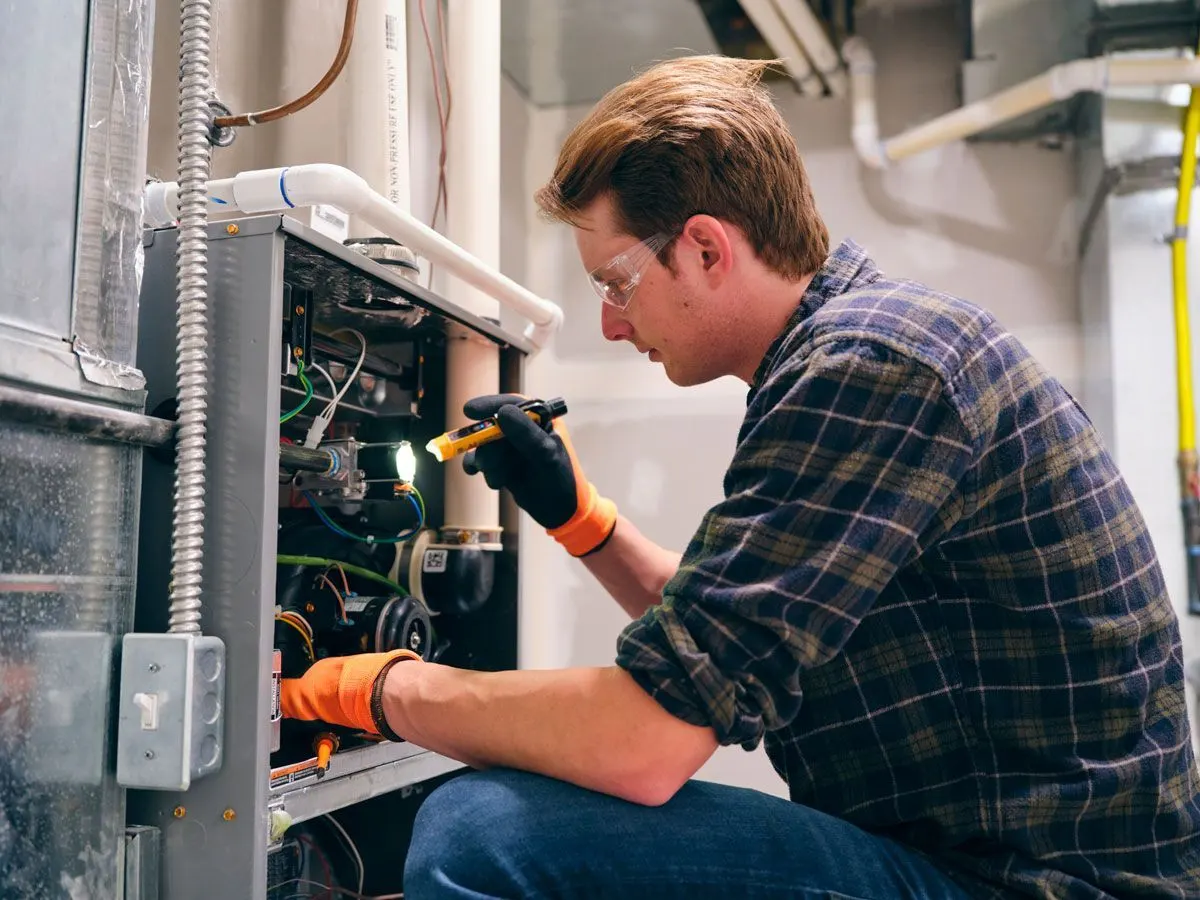
- Verify control board operation: A technician can manually force a defrost cycle to ensure the reversing valve and sensors are communicating correctly.
- Test auxiliary heating: Ensuring your electric heat strips activate during the defrost cycle prevents your home from getting uncomfortably cold.
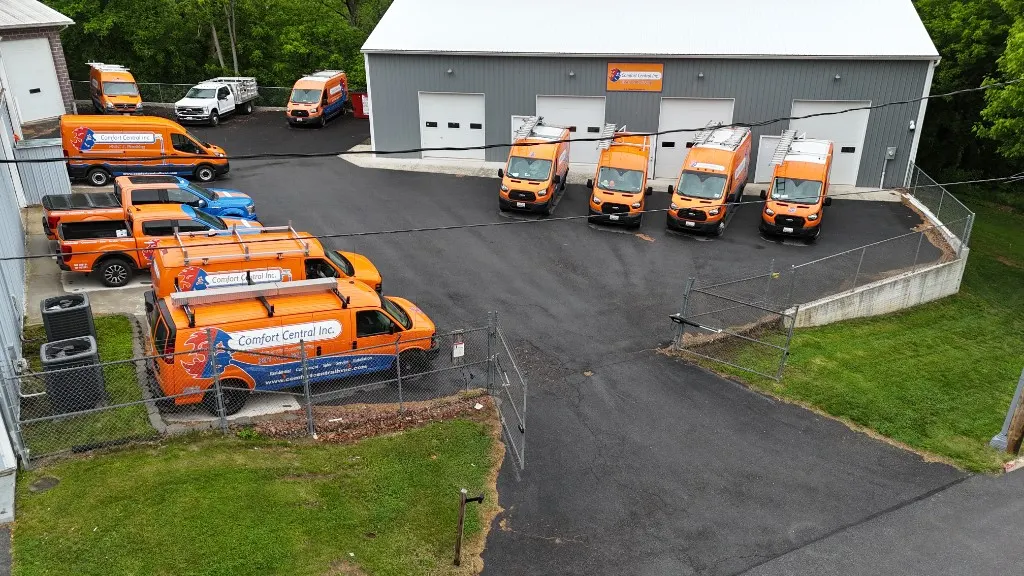
The most effective way to secure your comfort is to rely on honest, expert diagnostics from our crew at Comfort Central Inc. We prioritize educating you on your system's health before ever suggesting expensive replacements. Scheduling comprehensive AC maintenance and tune-ups catches failing components early, long before a winter storm hits.
Frequently Asked Questions About Heat Pump Cycling
Why is my heat pump blowing cold air?
During the November first freezes, your heat pump may temporarily blow cold air because it has entered a defrost cycle. The system intentionally reverses its operation, acting like an air conditioner for a few minutes to send hot refrigerant to the outdoor unit and melt accumulated ice. Auxiliary heat strips should activate to warm the air, but if they fail, the air from your vents will feel noticeably cool. This process usually resolves itself within 15 minutes.
How do I know if my heat pump is broken or just defrosting?
You can tell the difference by monitoring the duration and the outdoor fan. A normal defrost cycle lasts between 5 and 15 minutes, during which the outdoor fan stops spinning, but the compressor continues to hum. If the system blows cold air for hours, if the outdoor unit becomes encased in a thick block of solid ice, or if it rapidly turns on and off every five minutes, it is broken and requires professional diagnostics.
Is it normal for a heat pump to emit steam?
Yes, it is completely normal to see steam rising from your outdoor unit during a defrost cycle in 30-40 degree outdoor temperatures. As the hot refrigerant rapidly melts the frost on the outdoor coils, the cold ambient air causes the evaporating water to form a visible white cloud. This steam is odorless and dissipates quickly, unlike electrical smoke, which smells pungent and lingers.
How long does a heat pump defrost cycle last?
A standard defrost cycle typically lasts anywhere from 5 to 15 minutes, depending on how much ice has accumulated on the outdoor coils. Once the internal sensors detect that the coil temperature has risen enough to melt all the frost, the reversing valve shifts back, and normal heating resumes. If the cycle exceeds 15 minutes regularly, you may have a faulty defrost thermostat or control board.
Why does my AC blow cold then stop?
If your system blows cold air briefly and then shuts down entirely without heating or cooling the home, it is likely short-cycling due to a protective safety switch. This is commonly caused by a severely dirty air filter restricting airflow and overheating the heat exchanger, or by low refrigerant levels causing a low-pressure shutdown. Both scenarios force the system to halt to prevent catastrophic compressor damage.
Can a dirty air filter cause my heat pump to short cycle in winter?
Absolutely. A clogged air filter chokes the airflow through the indoor air handler, which prevents the heat pump from effectively transferring the heat it generates into your living space. The trapped heat causes the internal temperature of the unit to spike rapidly, tripping the high-limit safety switch and causing the system to short cycle long before your thermostat reaches its target temperature.
Get Expert Diagnostics for Your Heating and Cooling System
While temporary cold air and steam are often completely normal reactions to the November first freezes, persistent short-cycling is a clear sign of trouble. Understanding your system's behavior provides true peace of mind, allowing you to distinguish between a harmless 15-minute defrost cycle and a mechanical failure that puts your compressor at risk. If your system's symptoms fall outside the normal parameters, or if it struggles to keep your home comfortable, it is time for a professional assessment. Reach out to our team at Comfort Central Inc. for comprehensive air conditioning services to ensure your heat pump operates flawlessly throughout the entire winter season.