
The Frustration of Cold Upper Floors Despite a Running Furnace
If you are troubleshooting weak furnace airflow right now, you already know the frustration of a house that refuses to heat evenly: your furnace runs continuously, but the upstairs bedrooms remain uncomfortably cold. You might hear the system kicking on and feel a rush of warm air on the ground floor, only to find that the registers on the second floor are barely breathing out a lukewarm breeze. At Comfort Central Inc., our team sees this pattern constantly, especially as the November pre-winter heating season sets in and outdoor temperatures begin to drop sharply across Williamsport.
The good news is that a lack of air reaching your upper floors does not automatically mean your heating system has suffered a total failure. In most cases, this uneven heating is a symptom of an airflow restriction. Heating systems rely on a delicate balance of air volume and force—often referred to as static pressure—to push conditioned air through a maze of ductwork. When that pressure is compromised, the farthest rooms in the house are the first to suffer.
Understanding how your Air Conditioning & HVAC Systems distribute air is the first step toward restoring comfort. While some airflow issues stem from simple maintenance oversights that you can resolve safely on your own, others point to mechanical degradation or hidden ductwork problems that require professional diagnostics. By establishing a clear boundary between safe homeowner checks and tasks requiring a licensed technician, you can stop guessing and start solving the problem.
The Physics of Heat Distribution in Multi-Story Homes
To understand why your second-story rooms are disproportionately affected by weak airflow, we have to look at the physics of how forced-air heating works. While it is true that heat naturally rises, your furnace cannot rely on passive rising heat to warm a whole house. It depends on forceful, consistent blower performance to push air through the ducts and overcome the natural resistance of the system.
The Distance Penalty
Every foot of ductwork, every elbow joint, and every transition adds resistance. Upper-floor bedrooms are typically the furthest points from the furnace blower motor located in the basement or utility closet. Because of this distance, slight airflow drops that you might not even notice on the main floor compound significantly by the time the air reaches the second story. In our years of servicing multi-level homes in the Williamsport area, our technicians frequently find that these vertical layouts are especially prone to this distribution weakness.
How Airflow Changes Across Floors:
| Location in Home | Distance from Blower | Airflow Resistance | Typical Symptom of Weak Airflow |
|---|---|---|---|
| Main Floor Living Areas | Short (Direct duct runs) | Low | Rooms reach target temperature quickly, sometimes overheating. |
| First Floor Extensions | Medium | Moderate | Slightly cooler than the thermostat setting, but generally comfortable. |
| Second Story Bedrooms | Long (Vertical and horizontal runs) | High | Barely any air from registers; rooms stay freezing despite the furnace running. |
The Impact of Late-Fall Temperature Drops
During mild weather, a struggling blower motor might still manage to keep the house relatively comfortable. However, when late-fall cold snaps hit the Williamsport region, the rate of heat loss through your roof and upper-story walls accelerates. This rapid heat loss quickly exposes any underlying distribution weaknesses. If the furnace cannot deliver a high volume of warm air fast enough to replace the heat escaping through the second-story exterior, those rooms will stay cold. Identifying what is restricting this necessary force is your next diagnostic step.
Safe Diagnostic Step 1: Inspecting the Air Filter
When airflow drops, the most common culprit is also the easiest to fix: a dirty or clogged air filter. Your furnace filter is positioned on the return side of the system, meaning all the air circulating through your house must pass through it before being heated and blown back out. If that filter is caked with dust, pet hair, and debris, it acts like a physical wall, starving the blower motor of the air it needs.
As we enter the November pre-winter heating season, our team strongly advises that checking the filter should be your very first action. A heavily restricted filter forces the blower motor to work harder, increasing internal static pressure and significantly reducing the volume of air that makes it to the second floor. Over time, this restriction also leads to broader system stress, overheating components, and impacting fall heating odors and system lifespan.
The Problem with High-MERV Filters
Sometimes the filter is clean, but it is still causing the problem. Homeowners often purchase the highest-rated pleated filters (high MERV ratings) hoping to improve indoor air quality. However, older blower motors are not always designed to pull air through such dense, restrictive material.
- Locate the filter cabinet: This is usually a slotted door on the ductwork right next to the furnace.
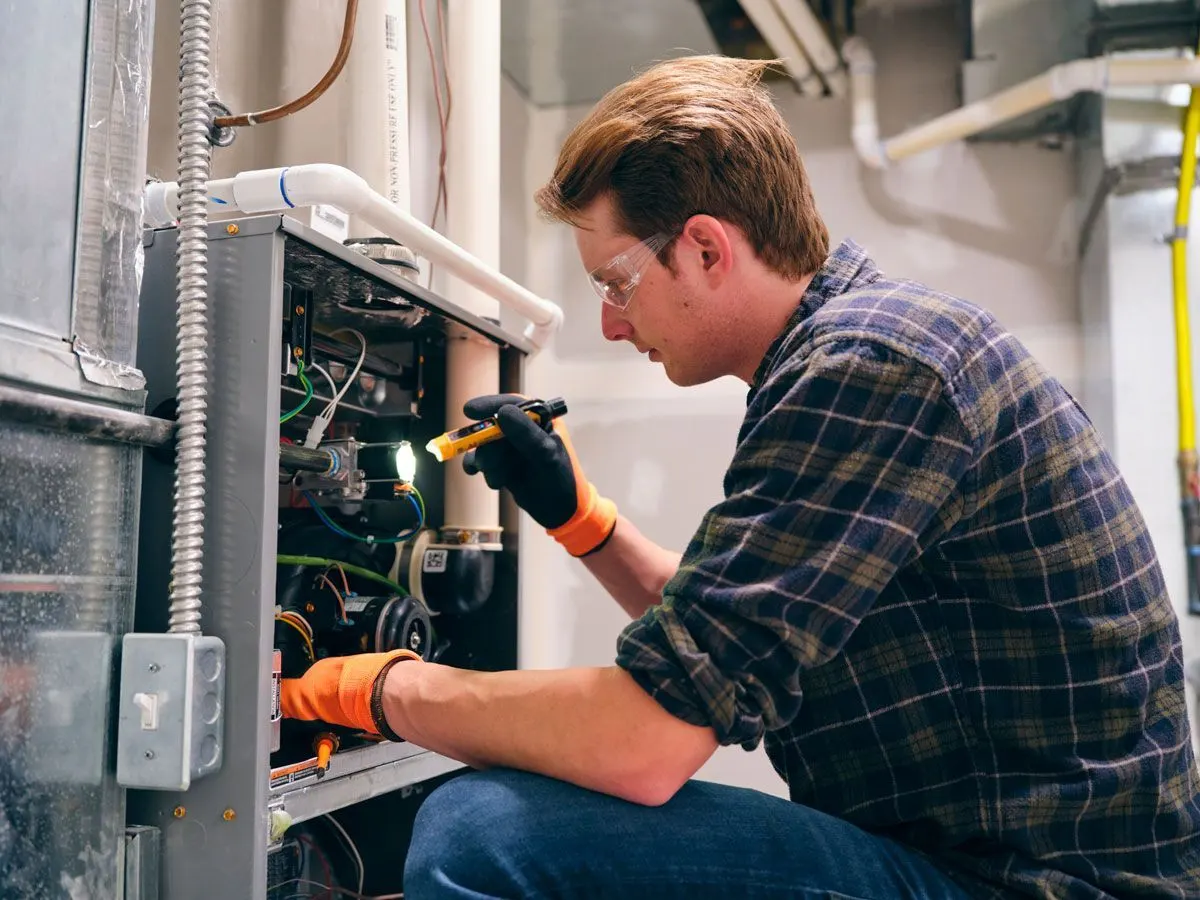
- Turn off the furnace power: Always flip the switch on the side of the furnace before pulling the filter to prevent the blower from sucking debris into the motor.
- Inspect the filter against a light: If you cannot see light shining through the media, it is too dirty and must be replaced.
- Check the MERV rating: If you are using a MERV 11 or 13 filter and experiencing weak airflow, try stepping down to a MERV 8 filter to see if the air volume at the upstairs registers improves.

Safe Diagnostic Step 2: Evaluating Vents and Return Registers
If the air filter is clean and properly sized, the next safe troubleshooting step moves out of the utility room and into the living space. The physical airflow pathways—your supply vents and return registers—must be completely unobstructed to maintain neutral air pressure throughout the home. We frequently notice on service calls that two-story homes in the Williamsport area have complex vent layouts that are easily disrupted by everyday living.
Unblocking Supply Registers
Start by walking through the cold upstairs rooms and inspecting every supply register. It sounds simple, but you must ensure the louvers are fully open. Sometimes they are accidentally kicked shut, or the internal dampers rattle closed over time. More importantly, look for heavy furniture, thick rugs, or long curtains inadvertently placed over these critical airflow pathways. A couch sitting directly over a floor vent will trap the warm air, preventing it from circulating into the room.
The Role of Return Vents
The myth of closing vents: A very common mistake homeowners make is closing vents in unused rooms on the main floor, believing it will "push" more warm air upstairs. Heating systems do not work this way. Closing vents disrupts the system's designed pressure balance, increasing static pressure in the ductwork, which actually makes the blower motor work harder and move less air overall.
Furthermore, you must evaluate your return registers. These are the larger, usually un-louvered grilles on the walls or ceilings that suck air back to the furnace to be reheated. If a return vent is blocked by a bookshelf or a pile of laundry, you are starving the furnace of air. If the furnace cannot pull enough air in, it cannot push enough air out to reach the second floor.
Hidden Airflow Culprits: Leaky and Disconnected Ductwork
Once you have ruled out the filter and the vents in the living space, the troubleshooting process moves into hidden infrastructural issues. At this point, the problem is likely occurring out of sight, in the pathways carrying the air between the furnace and the bedrooms. According to Energy Star data, typical houses lose 20 to 30 percent of the air moving through the duct system due to leaks, holes, and poorly connected joints—a statistic our installers confirm almost every time we inspect older ductwork.
The Unconditioned Space Trap
In many homes, ductwork runs through unconditioned spaces like attics, crawlspaces, or unfinished basements. If a duct joint has rattled loose or the sealing tape has failed over time, the heated air meant for your upstairs bedrooms is instead being pumped directly into the attic. This siphons off the heat before it ever reaches the second floor. During the November pre-winter heating season, this loss is devastating to indoor comfort.
Signs your ductwork is leaking:
- Unusually high utility bills: You are paying to heat the home, but the furnace runs constantly because the heat isn't reaching the thermostat.
- Dust accumulation: Leaky return ducts in a dusty crawlspace will suck debris into the system and blow it throughout the house.
- Rattling or whistling noises: These sounds often indicate air escaping through a narrow gap in the sheet metal.
- Uneven temperatures: One specific room is freezing while the room next to it is perfectly warm, suggesting a disconnected branch line.
Because these issues are hidden behind walls or buried under attic insulation, duct inspection and sealing is a professional-level task. It requires specialized equipment, such as duct blasters to measure the exact leakage rate, and professional-grade mastic sealant to permanently repair the joints. If you suspect your ducts are compromised, reaching out for Williamsport HVAC Repair is the safest way to locate and fix the hidden leaks.
Mechanical Failures: Blower Motors and Evaporator Coils
If the ductwork is intact and the pathways are clear, weak airflow is almost certainly the result of a complex mechanical issue restricting the system internally. This is where the strict safety boundary against DIY repairs must be enforced. Attempting to service internal furnace components without a license is dangerous and can easily damage the equipment.
The Failing Blower Motor
The blower motor is the heart of your home's air distribution. Over years of use, motors can weaken, bearings can wear out, and capacitors can fail. When a blower motor begins to fail, it loses its RPMs. It may still spin and move some air, but it lacks the force required to push that air against gravity to the upper floors of two-story homes in the Williamsport area. In our field experience, we often hear homeowners describe a motor humming loudly or struggling to ramp up to its full speed right before it fails completely.
The Evaporator Coil Bottleneck
Most modern homes have central air conditioning paired with their furnace. The AC's indoor evaporator coil sits directly above the furnace in the ductwork. Even in the dead of winter, all the heated air must pass through the narrow fins of this coil before traveling to your rooms. If that coil is packed with dirt, pet hair, or mold from the summer cooling season, it acts as a physical barrier to the airflow.
Why you cannot clean this yourself:
- High voltage risks: Accessing the blower compartment involves navigating 120V or 240V electrical components.
- Delicate fins: The aluminum fins on an evaporator coil bend incredibly easily; improper cleaning will crush them, permanently ruining the coil.
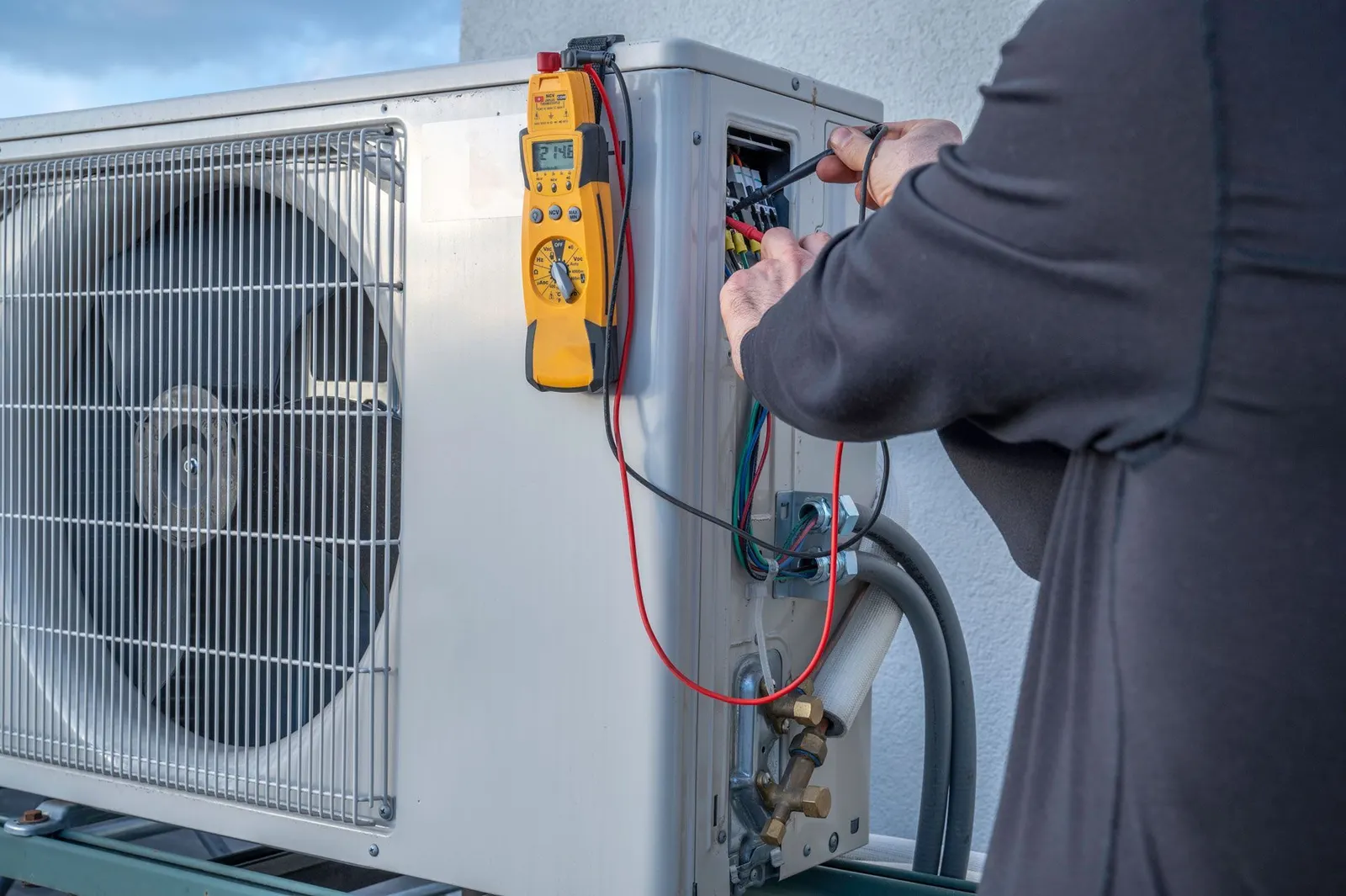
- Diagnostic tools required: Confirming a motor failure requires measuring electrical amp draw and static pressure with professional manometers and multimeters.
Transitioning from Troubleshooting to Professional Diagnostics
Troubleshooting is about elimination. If you have checked your air filter, ensured all supply and return vents are open, and confirmed no furniture is blocking the airflow, you have successfully completed the safe homeowner steps. If your upstairs bedrooms are still freezing, the issue lies within the hidden ductwork or the internal mechanical components of the furnace.
This is the moment to transition from guessing to relying on an objective diagnostic process. At Comfort Central Inc., our commitment to reliable, objective diagnostics means our technicians focus on finding the true "why" behind the airflow failure. Rather than just guessing that a motor is bad, our team's proper assessment involves testing the actual static pressure of the system, measuring the electrical draw of the components, and inspecting the ductwork for hidden breaches. We ensure homeowners understand the root cause before any repair is recommended.
During a professional airflow assessment, you can expect our technicians to use specialized tools to measure the air velocity at the registers and the pressure inside the furnace cabinet. This data paints a clear picture of exactly where the air is being restricted or lost. As the November pre-winter heating season brings colder nights, it is highly encouraged to seek proactive resolution. Ignoring a struggling blower motor often leads to a complete breakdown on the coldest night of the year, turning a standard diagnostic visit into a need for Emergency HVAC Repair. Keep in mind that upgrading a severely failing system to a qualifying high-efficiency model could make you eligible for generally applicable energy rebates or federal tax credits; we recommend checking with your utility provider or a tax professional to verify current programs.
Frequently Asked Questions About Furnace Airflow
Why is my furnace running but barely blowing air?
This usually indicates a severe restriction in the system preventing air from moving freely. The most common causes include a completely clogged air filter acting as a wall, or a failing blower motor that lacks the power to push air through the ducts. If changing the filter does not immediately solve the issue, mechanical diagnostics are required.
How do you fix low airflow in a house?
Start by checking and replacing the HVAC filter, as a dirty media restricts the entire system. Next, walk through the house and ensure all supply and return vents are open and unblocked by furniture or rugs. If these safe DIY steps fail, you must have a professional check for hidden duct leaks or mechanical wear inside the furnace.
Can a dirty filter cause low airflow?
Yes, a dirty filter is the most frequent cause of low airflow in residential heating systems. A clogged filter acts as a physical wall, forcing the blower motor to work significantly harder and drastically reducing the volume of warm air distributed to distant rooms, especially in two-story homes in the Williamsport area—a pattern our technicians resolve daily.
What causes poor airflow in ductwork?
Poor airflow in the ductwork is typically caused by disconnected joints, holes, or crushed flexible ducting in unconditioned spaces like attics. Additionally, improperly sized ducts that cannot handle the required air volume for the size of the home will result in weak, sluggish airflow at the registers.
Is it safe to clean a furnace blower motor myself?
No, accessing the blower compartment involves interacting with high-voltage electrical components and fast-moving mechanical parts. Removing the blower wheel for cleaning requires specific tools and rebalancing; this task should always be reserved for a licensed HVAC professional to prevent injury or equipment damage.
Restore Consistent Heating to Every Floor
Uneven heating and freezing upstairs bedrooms can make your home miserable during the colder months, but it is ultimately a solvable physics problem. By understanding how air moves through your home, you can take control of the situation. Always start by completing the safe DIY checks first: inspect your filter, clear your vents, and ensure your system has room to breathe.
If you have completed these steps and are still troubleshooting weak furnace airflow, it is time to bring in professional tools to measure the pressure and locate the hidden restrictions. Do not wait for a struggling system to fail completely in the dead of winter. Schedule your Seasonal System Maintenance with our Comfort Central Inc. team today to get a clear, logical explanation of why your airflow is weak and restore consistent, reliable comfort to every floor of your home.