
The Approaching Winter: When Freezing Rain Threatens Mid-Atlantic Heat Pumps
Pre-winter weather is closing in, and the crisp autumn air will soon give way to much harsher conditions. Before the first hard freeze hits, preparing hvac systems for mid atlantic ice storms needs to be a top priority for local homeowners. At Comfort Central Inc., our team has helped countless families realize that relying on an aging heat pump without a pre-winter checkup is a massive risk. Securing professional air conditioning and HVAC services now can save you from a freezing home when the severe weather arrives.
Older heat pumps face a unique vulnerability as winter approaches. While a standard dry snowfall is relatively easy for a well-maintained system to handle, freezing rain is an entirely different threat. When rain falls and freezes on contact, it encases your outdoor unit in a solid block of ice. We frequently see how this severely restricts the airflow your system desperately needs to pull ambient heat from the outside air.
Homeowners in Williamsport MD and surrounding Mid-Atlantic communities face a critical decision point right now. You can either take proactive steps to prepare your aging system, or you can risk a catastrophic failure in the middle of a severe ice storm. When our technicians at Comfort Central Inc. respond to winter emergency calls, a pattern we see often is an older compressor failing because it was forced to work through layers of solid ice without proper preparation. Establishing a baseline of professional oversight before the severe weather hits is the most effective way to protect your heating equipment and keep your home comfortable all winter long.
Understanding the Mid-Atlantic 'Cold Air Damming' Effect
To understand why freezing rain is such a severe threat, you have to look at the specific weather patterns that impact our region. In our years of servicing HVAC systems across Williamsport MD and the surrounding Mid-Atlantic valleys, we've seen firsthand how local geography creates a meteorological phenomenon known as "cold air damming." This occurs when cold, dense air gets trapped at the surface by the Appalachian Mountains, while warmer, moisture-rich air rides up and over it.
The Geography of Freezing Rain
Because the cold air is essentially dammed against the mountains, the surface temperatures drop below freezing. When precipitation falls from the warmer upper atmosphere, it starts as rain. However, the moment that liquid rain hits the sub-freezing air and cold surfaces in our valleys, it freezes on contact. This creates the heavy, destructive ice storms our area is known for.
Why Standard Winter Advice Falls Short
If you read generic winter preparation advice meant for the coastal Northeast or the Midwest, it usually focuses on brushing away dry, fluffy snow. That advice falls incredibly short for our specific climate. Dry snow can easily be cleared away, and it does not bond to the metal components of your outdoor unit. Freezing rain, on the other hand, coats the aluminum fins, fan blades, and compressor housing in a dense, impenetrable layer of solid ice.
This solid ice is significantly heavier and far more restrictive than snow. It prevents the fan from turning freely and blocks the coil from absorbing heat. Understanding this specific local weather pattern is the first step in recognizing why your heat pump needs specialized attention before the freezing rain begins to fall.
Frost vs. Solid Ice: Diagnosing Your Heat Pump's Condition
During the late fall / pre-winter November timeframe, you might start noticing a white coating on your outdoor unit on chilly mornings. It is vital to understand the difference between normal operational frost and dangerous solid ice accumulation. The short answer is: a light layer of white frost is a normal part of the heating process, while a thick, clear shell of ice is a sign of trouble.
When your heat pump pulls heat from the cold outdoor air, the refrigerant inside the coils drops to very low temperatures. Any moisture in the air condenses on these cold coils and freezes, creating a light, even coating of frost. Your system is designed to handle this. It will automatically trigger a brief defrost cycle to melt the frost away, usually within ten to fifteen minutes.
Solid ice, however, is a completely different scenario. When freezing rain coats the unit, the standard defrost cycle often struggles to melt through the heavy accumulation. If the ice remains after a defrost cycle, or if it builds up into a thick, clear, or milky encasement, your system is in danger.
| Condition | Appearance | Impact on Airflow | Required Action |
|---|---|---|---|
| Normal Frost | Light, even, white coating | Minimal restriction | None; system will auto-defrost |
| Moderate Snow | Loose, fluffy buildup | Partial restriction | Gently brush away loose snow |
| Solid Ice | Thick, clear or milky shell | Severe restriction | Requires immediate professional attention |

The Hidden Stress of Emergency Defrost Cycles on Aging Systems
When solid ice accumulates on your outdoor unit, your system has to work incredibly hard to remove it. A heat pump melts ice by temporarily reversing its operation. Instead of bringing heat inside, the reversing valve shifts the flow of refrigerant to send hot gas back to the outdoor coils. This emergency defrost cycle is essential for melting the ice, but it places a massive burden on the equipment.
The Mechanics of Melting Ice
Because the heat pump is sending its warmth outside to melt the ice, it cannot simultaneously heat your home. To prevent cold air from blowing through your vents, the system activates auxiliary electric heat strips inside your air handler. These strips consume a significant amount of electricity and work overtime to keep your family comfortable while the outdoor unit attempts to thaw itself.
When the System Cannot Keep Up
For homeowners in Williamsport MD and surrounding Mid-Atlantic neighborhoods, back-to-back freezing rain events mean the system is constantly shifting in and out of emergency defrost mode. A pattern we see often at Comfort Central Inc. is that this continuous cycling is incredibly hard on aging components. The reversing valve, the compressor, and the electrical relays are all pushed to their absolute limits.
If the defrost control board or the outdoor temperature sensors malfunction under this heavy load, the system will fail to trigger the defrost cycle at all. The ice will continue to build until the compressor overheats and fails completely. This level of mechanical stress directly impacts how long an HVAC system lasts, making proactive preparation absolutely vital for older units.
Safe Winter Clearances: What Homeowners Can (and Cannot) Do
Taking action during the late fall / pre-winter November window is the best way to protect your equipment. There are several safe, proactive steps you can take to ensure your outdoor unit has the breathing room it needs to operate efficiently. However, there are also dangerous DIY mistakes that can instantly destroy your system.
- Clear fall debris: Rake away leaves, pine needles, and fallen branches from the base of the unit. Ensure there is at least a two-foot clearance around all sides to allow for maximum airflow.
- Brush away loose snow: After a mixed-precipitation winter storm, you can safely use a soft-bristle broom to gently sweep away loose, dry snow from the top and sides of the unit.
- Never chip solid ice: If your unit is encased in ice, do not use a screwdriver, ice scraper, or shovel to chip it away. The aluminum coil fins are incredibly delicate and will bend or puncture easily, ruining the unit.
- Never use hot water: Pouring hot or boiling water over a frozen heat pump is a massive mistake. The extreme temperature difference can crack metal components, and the water will quickly refreeze, creating an even thicker layer of solid ice.
- Never wrap the unit: It is a common myth that you should tightly cover a heat pump with a tarp to protect it from freezing rain. Tightly wrapping the unit traps moisture inside, encourages rust, and completely suffocates the airflow the system needs to function.
If your system is struggling to clear heavy ice on its own, do not attempt to force it. The safest route is to rely on professional system inspection and testing to resolve the underlying issue without damaging the fragile coils.
The November Deadline: Securing Your HVAC System Before the Ice Hits
Timing is everything when it comes to winter weather preparation. The late fall / pre-winter November period represents the critical final window to evaluate and secure your heating system. Waiting until the first major freezing rain event is a gamble that often results in a freezing home and overwhelming frustration.
The Cost of Waiting
When an ice storm hits our region, our dispatchers at Comfort Central Inc. receive hundreds of calls simultaneously. If you wait until your aging system fails under the weight of solid ice, you will likely face extended emergency service delays. Navigating icy roads and working in active freezing rain slows down response times, leaving your family in the cold while you wait for a technician.
Securing Peace of Mind
Taking a proactive approach eliminates this stress. By scheduling a comprehensive evaluation before the severe weather window opens, you gain the peace of mind that comes from knowing your older system has been verified to handle heavy ice loads. Preventative measures ensure that your defrost cycles are functioning correctly and your auxiliary heat is ready to activate when needed. If an older system is beyond repair, qualifying high-efficiency heat pump upgrades may even be eligible for generic federal tax credits or utility incentives, so verifying your options early is highly recommended.
- Schedule the assessment: Book your appointment before the holiday rush and the first deep freeze.
- Verify component health: Have a technician confirm that your aging compressor can handle the strain of continuous winter operation.
- Establish an emergency plan: Know exactly who to call if you ever do need emergency repair services in Williamsport during a severe weather event.
Professional Defrost Board and Sensor Diagnostics
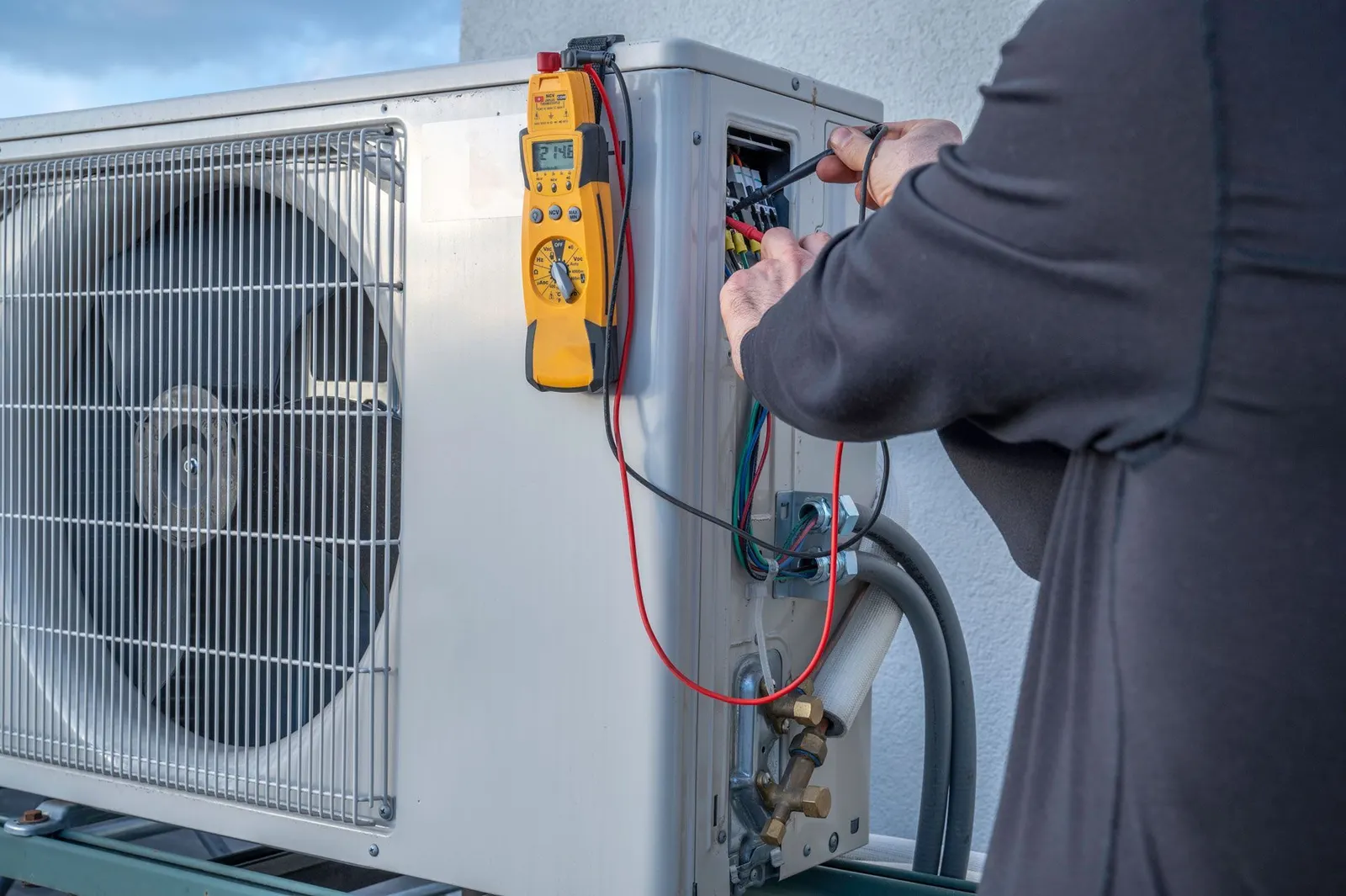
Ensuring an older heat pump is ready for heavy ice requires far more than just a visual inspection. It requires advanced diagnostic testing using specialized tools. Our team at Comfort Central Inc. leverages deep local expertise to identify and prevent the exact points of failure our technicians frequently observe in aging systems during Williamsport ice storms.
Here is exactly what our licensed technicians check to ensure your system is prepared for the worst weather:
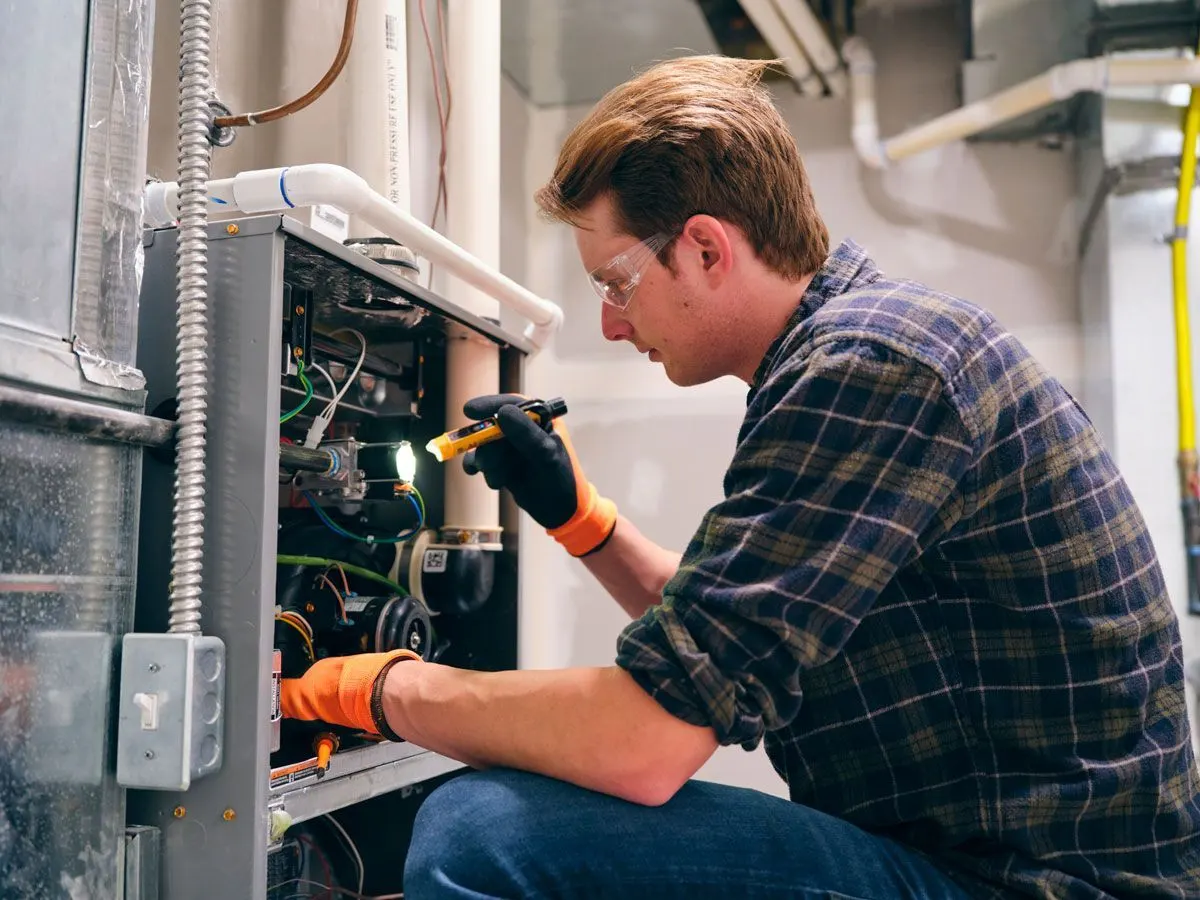
- Testing the defrost control board: The technician will manually force the system into a defrost cycle to verify that the control board is successfully sending the signal to the reversing valve. If the board is failing, the system will never attempt to melt the ice.
- Calibrating outdoor temperature sensors: Heat pumps rely on thermistors to read the exact temperature of the outdoor coil. If these sensors are degraded or out of calibration, the system will misread the conditions and fail to trigger the defrost cycle when solid ice forms.
- Verifying the reversing valve: The technician will monitor the refrigerant pressures to ensure the reversing valve fully shifts without sticking. A sticking valve is a common issue in older systems and prevents the hot gas from reaching the outdoor coils.
- Testing auxiliary heat strips: Finally, the technician will measure the electrical draw of the backup heat strips inside your air handler. They must verify that these strips activate instantly during the defrost cycle so your home does not fill with cold air while the outdoor unit thaws.
This level of diagnostic testing involves high-voltage electrical components and pressurized refrigerants. It requires specialized diagnostic tools and the training of a licensed professional to perform safely and accurately. Homeowners in Williamsport MD and surrounding Mid-Atlantic areas should never attempt to test or bypass these electrical controls themselves.
Frequently Asked Questions About Heat Pumps and Winter Ice
Should I cover my heat pump during an ice storm?
No, you should never tightly cover or wrap your heat pump during an ice storm. Heat pumps require massive amounts of uninterrupted airflow to pull heat from the atmosphere, even in freezing weather. Covering the unit will suffocate the system, trap moisture that leads to severe rust, and cause the compressor to overheat and fail.
How do I get ice off my outside heat pump safely?
Our technicians strongly advise that the only safe way for a homeowner to assist with ice removal is to gently brush away loose snow from the top and sides using a soft broom. You must never use hot water, ice picks, or shovels to remove solid ice, as this will permanently destroy the fragile aluminum coils. If the unit is encased in solid ice that the automatic defrost cycle cannot melt, you need to call a professional technician.
Is it normal for a heat pump to have frost on it in winter?
Yes, a light, even coating of white frost is a completely normal part of the heating process during cold weather. As the system pulls heat from the air, condensation forms on the cold coils and freezes. Your system is designed to handle this and will automatically run a short defrost cycle to melt the frost away.
What happens if my heat pump freezes over completely?
If your heat pump becomes encased in a thick block of solid ice, it can no longer pull heat from the outside air. The system will struggle to operate, drastically increasing your energy usage while failing to warm your home. In our experience, if left running in this condition, the immense strain will eventually cause the compressor to suffer a catastrophic mechanical failure.
How can I tell if my heat pump defrost cycle is failing?
The most obvious sign of a failing defrost cycle is a thick, solid buildup of ice that remains on the unit for hours without melting. You might also notice that your home is struggling to reach the temperature set on your thermostat, or that the system is blowing lukewarm or cool air. If you notice these symptoms during the late fall / pre-winter November timeframe, schedule an inspection immediately.
Can freezing rain permanently damage an older heat pump?
Yes, the extreme weight of solid ice and the mechanical stress of continuous emergency defrost cycles can easily overwhelm an aging system. If the defrost controls fail during a freezing rain event, the resulting ice block can crush the delicate coil fins and cause the overworked compressor to burn out completely.
Ensure Your Heating System Survives the Next Ice Storm
Freezing rain poses a severe and unique threat to older heat pumps throughout our region. The heavy, solid ice buildup restricts critical airflow and forces aging compressors to work through grueling, back-to-back emergency defrost cycles. Hoping an older system will simply power through the severe weather is a risk that often leads to total mechanical failure.
Proper preparation is the only way to protect your investment and ensure your family stays warm. By taking action now, you gain the peace of mind that comes from knowing your equipment has been professionally verified to handle whatever the winter weather brings. If you live in Williamsport MD and surrounding Mid-Atlantic communities, do not wait for the freezing rain to start falling. Take the proactive step and schedule your system maintenance and tune-ups today to secure your home for the season ahead.