
Is It Normal for Your Heater to Smell Like Burning?
Have you ever switched your thermostat to “heat” on the first freezing night of the year, only to be greeted by a sharp, alarming odor spreading through your vents? One of the most common homeowner questions answered during the late fall / November heating season onset is whether this sudden burning smell means the system is failing or if it is just a harmless seasonal quirk. It is completely understandable to feel a moment of panic when your house suddenly smells like smoke. After all, we are taught that any burning odor inside a home is an immediate red flag.
However, when a heating system activates for the first time in months, it undergoes a dramatic physical transition. The internal components, which have been sitting cold and dormant all summer, suddenly heat up to hundreds of degrees. Distinguishing between a standard seasonal occurrence and a genuine mechanical hazard is the key to keeping your home safe without making unnecessary emergency calls. While we often focus on cooling performance and air conditioning services during the summer, winter brings its own set of distinct operational challenges that require a different kind of vigilance.
Understanding the Science of Seasonal Dust Burn-Off
To understand why your heating system produces a burning odor, you have to look at what happens inside the unit during the months you are not using it. Here in the Williamsport area, our mild autumns allow heating systems to sit completely dormant for extended periods. During this downtime, significant amounts of dust, pet dander, and airborne debris settle onto the internal components before the sudden onset of freezing temperatures forces the first heavy heating cycle.
When the thermostat finally calls for heat, the system’s heat exchanger (or the heating coils in a heat pump) warms up rapidly. The layer of dust that has accumulated over the past several months is instantly incinerated by this intense heat. This physical process of burning off organic particulates creates a distinct, singed-lint odor that is pushed through your ductwork and out of your supply vents.
Why Dormancy Leads to Odors
The severity of the smell usually depends on how long the system has been inactive and the indoor air quality of the home. Here is why the late fall / November heating season onset almost always triggers this event:
- Lack of active airflow: During the transition weeks between summer and winter, systems rarely run, allowing particulates to settle undisturbed on the heat exchanger.
- Household particulate buildup: Pet hair, cooking oils, and standard household dust bypass standard filters over time, coating internal surfaces.
- Sudden temperature shifts: The immediate jump from a cold metal surface to high-capacity heating leaves no time for gradual warming, resulting in instant dust incineration.
This specific “burning dust” odor is a standard operational phase for most residential heating systems. It is simply the system cleaning itself off. However, it is vital to note that this normal phenomenon should smell like hot metal or a dusty radiator—it should never smell like melting plastic, sulfur, or an electrical fire.
How Long Does the Furnace Burn-Off Smell Last?
Knowing that a dusty burning smell is normal is only half the battle; knowing exactly how long it should last is what keeps your home safe. The golden rule for seasonal heating activation is the 30 to 60 minutes of normal burn-off duration. When you turn your heating system on for the first time, you should monitor it continuously during this initial window.
For the first 10 to 15 minutes, the odor will likely be at its strongest as the bulk of the settled dust is incinerated. After this peak, the smell should steadily dissipate. By the time the system has run for a full hour, the air coming from your vents should smell completely neutral again. Ensuring proper airflow throughout your home helps this process along. A clean air filter allows the blower motor to push the necessary volume of air over the heat exchanger, flushing the burnt particulates out of the system faster. If you are unsure about your system's airflow capabilities, scheduling an AC inspection and testing during the warmer months can help ensure your blower motor is ready for winter demands.
The 60-Minute Rule
Setting a firm boundary prevents unnecessary panic while protecting you from real danger. If the smell persists beyond the 30 to 60 minutes of normal burn-off duration, or if it grows noticeably stronger rather than fading, the situation transitions from a normal seasonal event to a potential mechanical issue. At that point, the odor is no longer just settled dust—it is likely a component actively overheating.
Warning Signs: When an Odor Indicates an Electrical Emergency
While dust burn-off is harmless, there are specific odors that always indicate a critical failure. If you smell melting plastic, ozone (which smells like a sharp, metallic thunderstorm), or acrid electrical burning, you are not dealing with dust. These smells often point to overheating blower motors, failing capacitors, or compromised wiring insulation.
During a recent winter cold snap, one local homeowner noticed a persistent electrical burning smell coming from their 3-year-old heat pump. Instead of waiting it out, they scheduled service quickly. A technician arrived and found a pressure switch wire touching the suction line, which was melting the wire's insulation. Because the homeowner called right away, the technician found and fixed the problem within ten minutes, preventing a major electrical short and a much more expensive repair.
If you detect an electrical odor, instruct your family to stay clear of the vents and immediately turn the system off at the thermostat. Just as understanding short-cycling is critical for summer cooling health, recognizing the difference between dust and electrical failure is vital for winter safety.
Dust vs. Electrical Odors
| Odor Characteristic | Likely Cause | Required Action |
|---|---|---|
| Smells like singed lint or a hot radiator | Normal dust accumulation on the heat exchanger | Monitor for the 30 to 60 minutes of normal burn-off duration. |
| Smells like melting plastic or rubber | Wire insulation melting or a foreign object in the ductwork | Turn off the system immediately and call a professional. |
| Smells like fish, sulfur, or ozone | Overheating electrical components or failing motors | Shut off power at the breaker; requires urgent professional repair. |

The Dangers of DIY Heater Diagnostics
When a homeowner smells something burning, the natural instinct is to find the source. However, modern heating systems are complex, high-voltage appliances that combine electrical components with combustible gases or high-pressure refrigerants. Attempting to diagnose an internal odor by opening the furnace cabinet is incredibly dangerous.
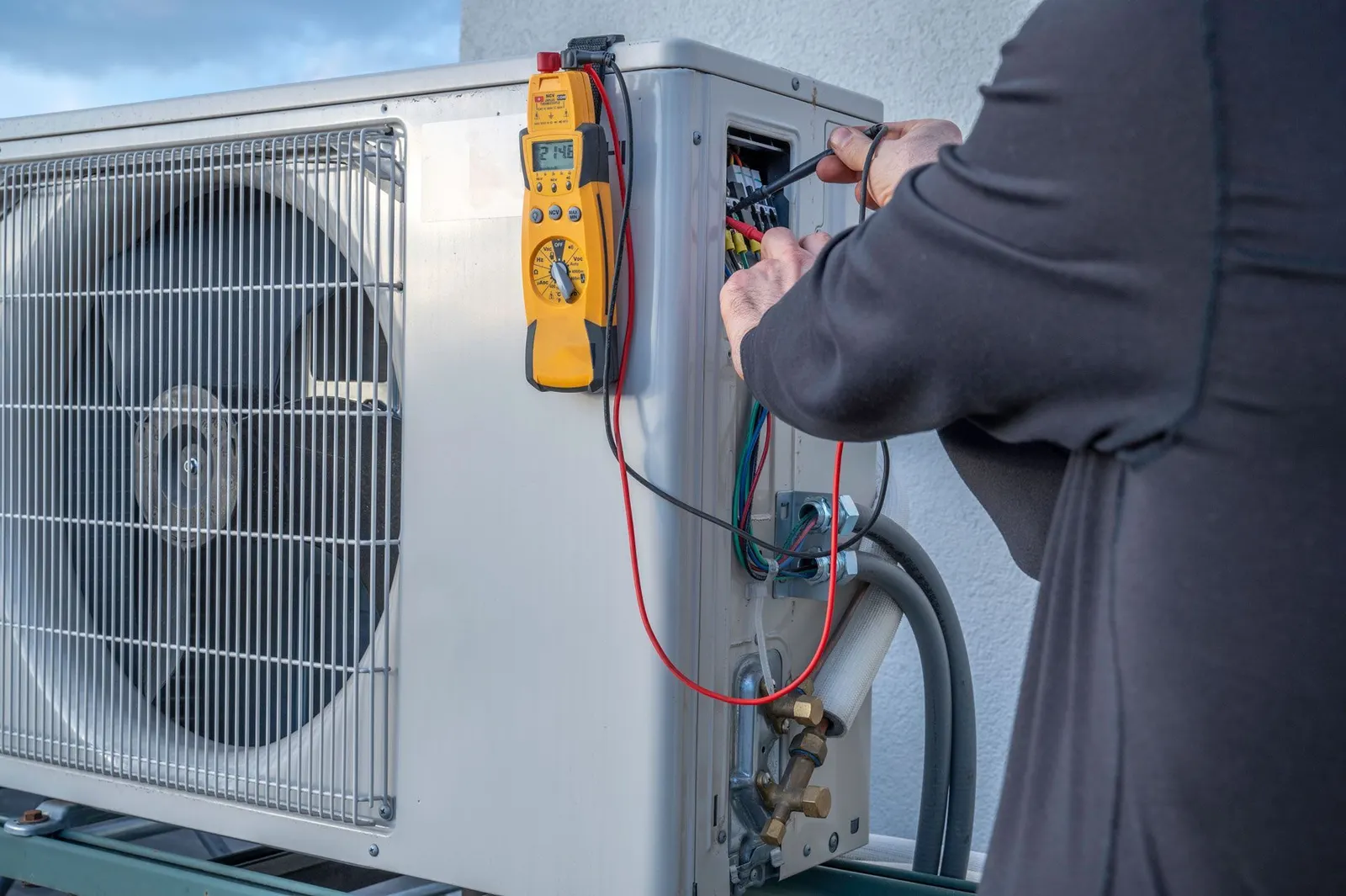
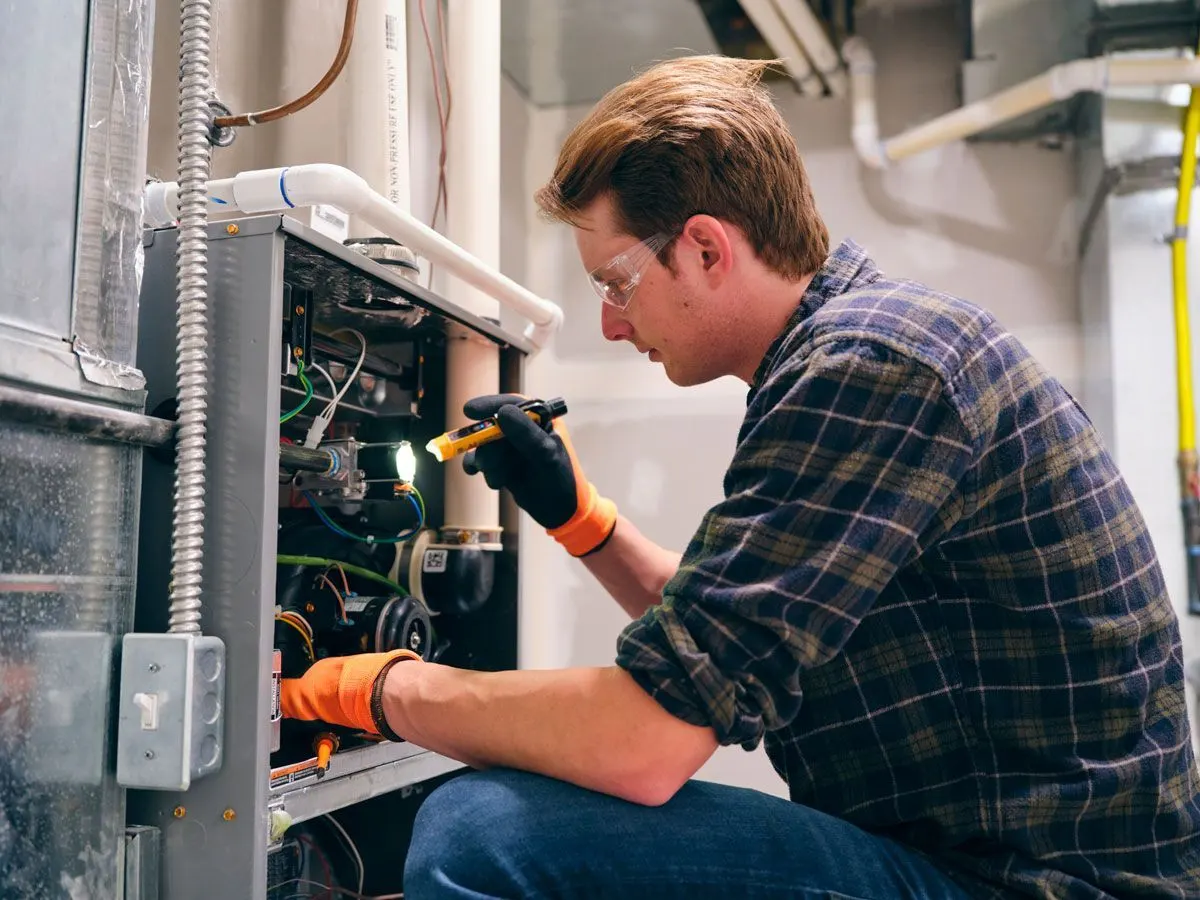
You should never remove the service panels, attempt to inspect internal wiring, or test the blower motor yourself. High-voltage capacitors can hold a lethal charge even after the power is disconnected, and disturbing gas valves or heat shields can create severe safety hazards. Licensed professionals carry specialized multimeters, combustion analyzers, and safety gear required to safely diagnose internal electrical faults. If your system requires hands-on troubleshooting, reaching out for professional AC repair in Williamsport, MD (or dedicated heating repair) is the only responsible choice.
Safe Homeowner Actions
While you should never open the equipment cabinet, there are several safe, crucial steps you can take to manage a burning smell:
- Check the thermostat: Ensure it is set properly to “heat” and note the exact time the system turns on.
- Inspect the return air filter: A severely clogged filter can restrict airflow, causing the system to overheat and produce a burning smell. Replace it if it is dirty.
- Verify vent clearances: Walk through the home and ensure all supply and return vents are open and unblocked by furniture or rugs.
- Monitor the clock: Track the odor strictly against the 30 to 60 minutes of normal burn-off duration.
- Disconnect power if unsure: If the smell resembles electrical burning or you feel unsafe, turn the system off at the thermostat and switch off the dedicated circuit breaker.
Honest Diagnostics vs. Unnecessary Emergency Calls
Many homeowners hesitate to call a technician for a burning smell because they fear being pressured into an expensive, unnecessary repair for what turns out to be normal dust. This is where choosing a reputable company makes all the difference. Comfort Central Inc. is built on providing expert, honest diagnostics. A trustworthy technician will gladly confirm if a smell is just harmless dust, giving you peace of mind without pushing unneeded services.
When a professional arrives to inspect a concerning odor during the late fall / November heating season onset, they perform a comprehensive, data-driven evaluation. They will test the amp draws on the blower motor to ensure it isn't overworking, visually inspect the heat exchanger for cracks or excessive buildup, and verify that all wiring connections are tight and uncompromised.
Calling for an inspection protects your home and your family. If the technician finds that the system is operating perfectly and simply needed a bit more time to clear the seasonal dust, you gain the absolute certainty that your home is safe before the deepest winter freezes arrive. Honest diagnostics mean you get the truth about your system's health—nothing more, nothing less.
Frequently Asked Questions About Heating System Odors
Is it normal for a heater to smell like burning?
Yes, it is completely normal for a heater to smell like burning during the first use of the season due to dust accumulation. Over the summer months, particulates settle on the dormant heat exchanger. When the system activates for the first time, it incinerates this dust, producing a temporary singed odor that travels through your ductwork.
How long does the furnace burn-off smell last?
The odor typically lasts for 30 to 60 minutes of normal burn-off duration. During this time, the smell should steadily decrease in intensity as the dust is cleared away. If the smell persists past the one-hour mark of continuous operation, you should shut the system down and contact a professional.
What does an electrical fire in a furnace smell like?
An electrical fire produces acrid, melting plastic, or ozone-like odors that do not fade over time. Unlike the smell of burning dust, which resembles a hot radiator, electrical odors are sharp, metallic, and often smell like burning wire insulation or sulfur. This is an immediate safety hazard.
When should I be worried about my furnace smelling?
You should be worried if the smell lasts longer than an hour, resembles burning plastic or wire, or is accompanied by loud noises or smoke coming from the vents. Any of these signs indicate a mechanical or electrical failure rather than normal seasonal dust burn-off, requiring immediate professional attention.
Can a dirty air filter cause a burning smell?
Yes, a severely clogged air filter can cause a burning smell by restricting airflow to the blower motor. When the motor has to work too hard to pull air through a wall of dirt, it can overheat, producing an electrical burning odor. Replacing the filter regularly prevents this dangerous strain on the system.
Does carbon monoxide have a burning odor?
No, carbon monoxide is completely odorless, colorless, and tasteless. A burning smell from your vents is not an indicator of carbon monoxide. Because you cannot smell it, the only way to detect this dangerous gas is by installing and maintaining dedicated carbon monoxide detectors on every level of your home.
Make the Safe Choice for Your Winter Comfort
Dealing with a burning smell from your vents can be stressful, especially during the late fall / November heating season onset when you rely on your system the most. While early-season dust burn-off is a normal, harmless process that resolves itself, persistent electrical or plastic odors are serious warning signs that should never be ignored.
Always trust your instincts. If a smell does not dissipate within the normal timeframe, or if you simply feel uneasy about the way your system is operating, it is always better to err on the side of caution. Reach out for professional AC repair service and heating diagnostics to ensure your equipment is running safely and efficiently. Making the safe choice today guarantees your home remains a warm, comfortable, and secure haven all winter long.