
Is It Time to Rethink Your Home's Heating Strategy?
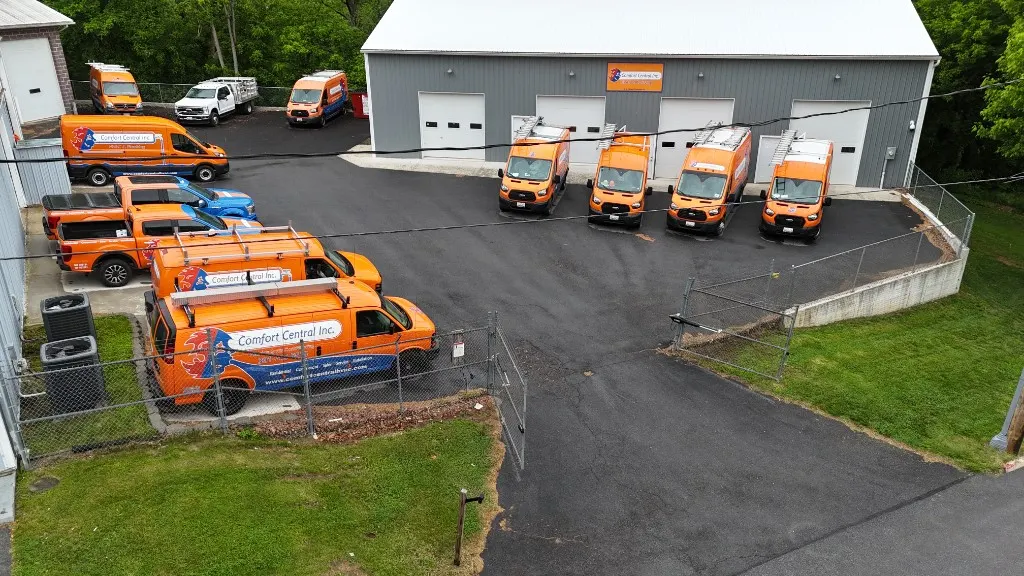
Are you looking for reliable heating options comparisons for homeowners because your current system is starting to show its age? As the stifling heat of summer fades, that crucial September pre-heating transition forces many of us to evaluate our long-term indoor comfort. At Comfort Central Inc., our team frequently helps local families who are tired of pouring money into an aging HVAC unit as the seasons change, wondering if it will survive another harsh winter. Instead of scheduling yet another professional AC repair service for a failing unit, this brief window of mild early fall weather is the perfect time to evaluate a complete system overhaul. For comprehensive guidance on your home's climate control, exploring professional air conditioning services and heating upgrades with our experienced technicians now can save you from a mid-winter breakdown. The most critical decision we help you face is choosing between the advanced efficiency of a modern heat pump and the proven, high-temperature output of a traditional gas furnace.
Understanding the Demands of Mid-Atlantic Winters
Heating systems cannot be chosen based on national averages or generalized advice. Regional temperature shifts dictate exactly how much heating power your home requires, and the Mid-Atlantic climate presents a unique set of challenges. In our years of serving Williamsport MD, our technicians have seen firsthand that winter conditions are not just a minor inconvenience; they are a persistent test of your home's thermal envelope.
The Impact of Local Temperature Bands
During the core winter months, average lows in the Williamsport area routinely dip into the mid-20s. These sustained freezing temperatures push residential heating systems to work significantly harder than they would in milder southern climates. When the outdoor temperature drops below freezing, the heat loss through your walls, windows, and roof accelerates. Your heating system must generate or transfer enough thermal energy to counteract this rapid heat loss and maintain a comfortable 68 to 72 degrees indoors.
Because the local climate demands consistent, heavy usage from December through March, operational efficiency becomes a top priority. A pattern we see often in the field is that a system struggling to keep up will not only leave cold spots throughout your living areas but will also consume excessive amounts of energy. Understanding how different heating technologies handle these specific temperature bands is the first step in making an informed upgrade decision.
The Dual-Action Advantage of Modern Heat Pumps
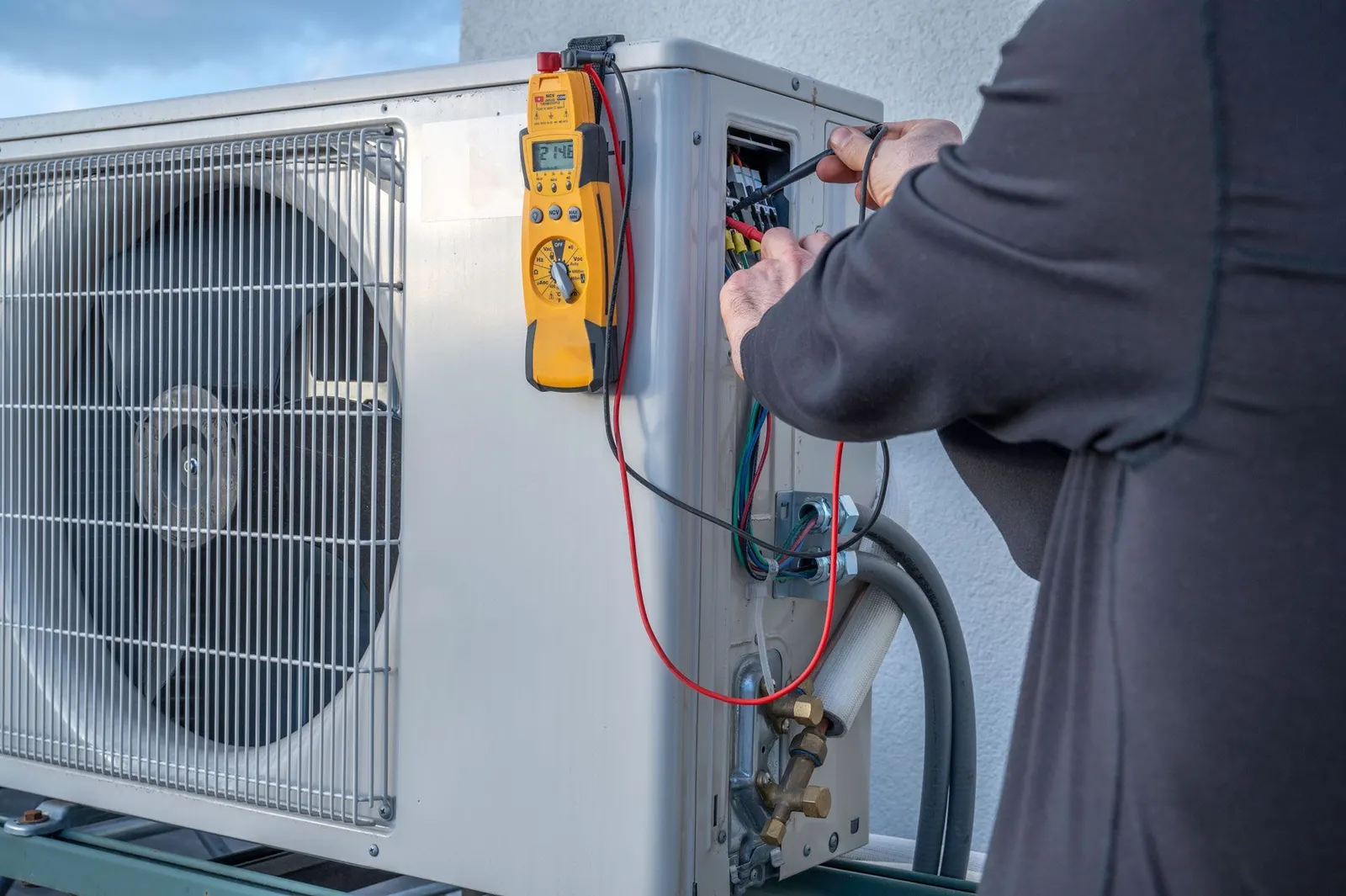
When evaluating modern heating solutions during the September pre-heating transition, our team consistently recommends heat pumps for their exceptional energy efficiency. Unlike traditional systems that burn fossil fuels to create heat, a heat pump operates by moving heat from one place to another. Even when it feels freezing outside, there is still ambient thermal energy in the air.
How the Heat Transfer Process Works
- Extraction: The outdoor unit's refrigerant absorbs ambient heat from the outside air, even at temperatures well below freezing.
- Compression: The compressor pressurizes the refrigerant, significantly raising its temperature.
- Distribution: The heated refrigerant travels to the indoor coil, where the blower fan distributes the warm air through your ductwork.
- Reversal: In the summer, a reversing valve switches the flow, allowing the system to pull heat out of your home and release it outdoors.
One major misconception we encounter is that heat pumps cannot handle Mid-Atlantic winters. While older models struggled when temperatures dropped below 40 degrees, modern cold-climate heat pumps are engineered with advanced variable-speed compressors. These units can operate efficiently even when temperatures plummet into the teens or lower, making them highly viable for the region.
Because a heat pump also serves as your primary cooling system in the summer, it runs year-round. Just last summer, our Comfort Central Inc. technicians responded to a local homeowner who experienced an unexpected breakdown when their indoor blower capacitor burned up, bringing their cooling to a sudden halt. Our technician arrived quickly, had the necessary part in stock, and completed the repair in under an hour. Because heat pumps cool your home just like a standard air conditioner, they share the exact same need for routine AC maintenance and tune-ups to prevent these types of sudden component failures.
Why Traditional Gas Furnaces Still Hold Their Ground
Despite the rapid advancements in electric heating technology, traditional gas furnaces remain a staple in Williamsport MD homes. For decades, the forced-air gas furnace has been the gold standard for combating extreme cold snaps, and for many properties we service, it remains the most logical choice.
The Power of Combustion Heating
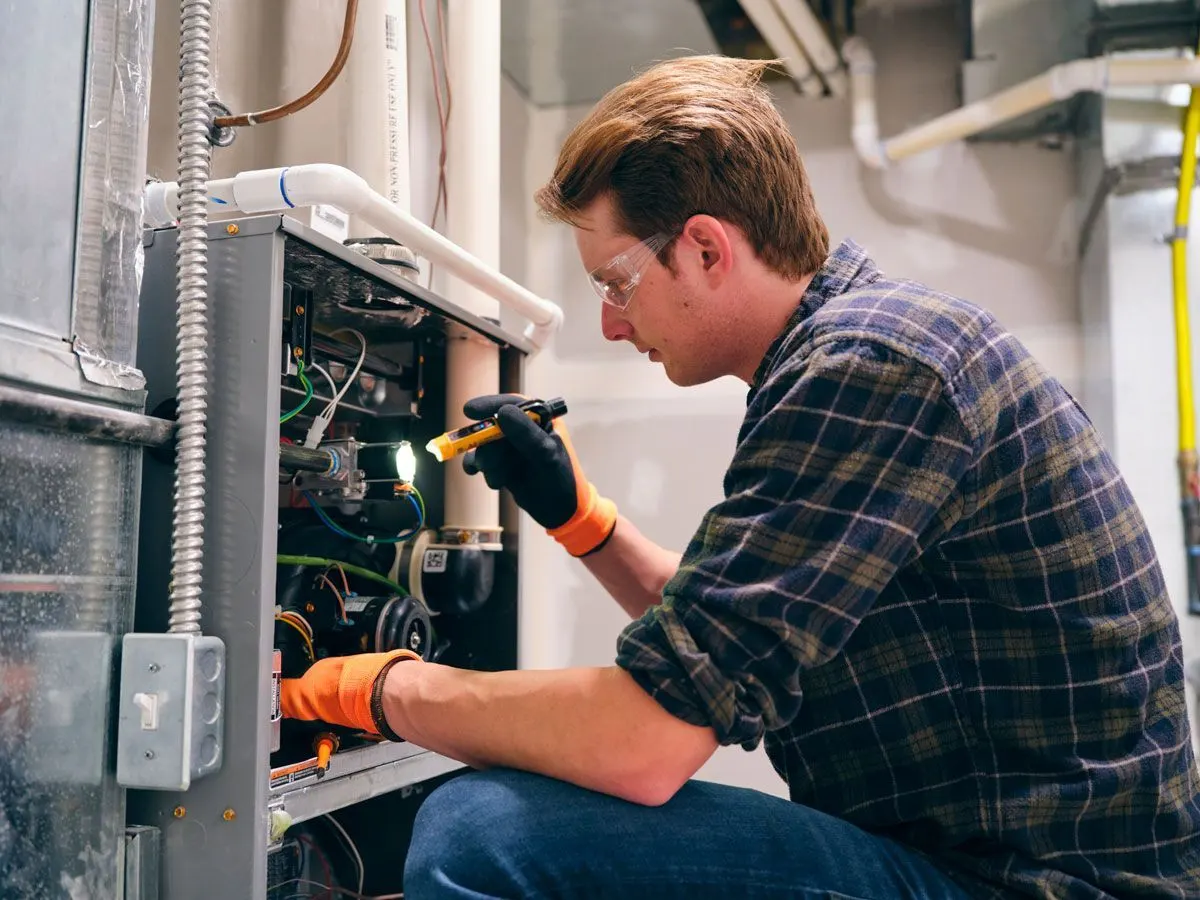
A gas furnace relies on a straightforward combustion process. Natural gas or liquid propane is ignited in the burner, and the resulting flames heat a metal heat exchanger. As the blower fan pushes air over the hot metal, the air absorbs the heat and is forced through the ductwork. This process generates heat very quickly, which is a significant advantage when you need to raise the indoor temperature in a hurry.
In our experience, the primary advantage of a gas furnace is the temperature of the air at the register. Furnaces typically deliver air that is between 120 and 140 degrees Fahrenheit. This high-temperature heat output feels instantly warm and comforting to the touch. In contrast, heat pumps deliver air that is closer to 90 or 100 degrees—which is plenty warm enough to heat a room, but can feel cool if it blows directly on your skin.
Infrastructure and Longevity
For homes already equipped with natural gas lines and appropriately sized ductwork, a furnace replacement is often a straightforward, seamless process for our installation crews. There is no need to upgrade electrical panels or run new high-voltage circuits, which is sometimes required when transitioning to a high-capacity electric heat pump. Furthermore, a well-maintained gas furnace boasts an established track record of reliability, often outlasting other HVAC components when properly cared for by a professional.
Side-by-Side: Efficiency, Lifespan, and Energy Incentives
When making a decision during the September pre-heating transition, it helps to view the options side-by-side. Both systems have distinct operational profiles that cater to different homeowner priorities.
| Feature | Modern High-Efficiency Heat Pump | Traditional Gas Furnace |
|---|---|---|
| Energy Efficiency | Extremely high; transfers heat rather than generating it. | High (up to 98% AFUE), but limited by combustion physics. |
| Heat Output Style | Steady, consistent, lower-temperature airflow. | Rapid, intense, high-temperature blasts of heat. |
| Lifespan Expectancy | 15+ years with year-round maintenance. | 15 to 20+ years with annual seasonal maintenance. |
| Summer Utility | Provides full home cooling (replaces traditional AC). | Heating only; requires a separate AC unit for summer. |
| Energy Incentives | Often eligible for generic federal tax credits and utility rebates. | Standard rebates may apply for ultra-high efficiency models. |
To maximize the lifespan of either system, regular professional oversight is required. Whether you rely on a heat pump year-round or a split system with a furnace and an air conditioner, scheduling comprehensive AC inspection and testing ensures that the blower motors, ductwork, and electrical components are operating safely and efficiently.
A note on generic incentives: Transitioning to a high-efficiency heat pump may qualify you for various federal tax credits and local utility rebates designed to encourage energy conservation. Because these programs change frequently, we always advise our customers to consult with a tax professional or your local utility provider to understand the current, specific incentive details available for your property.

Evaluating Your Home's Infrastructure for the Right Fit
Choosing the best heating system is not just about comparing equipment specs; it requires an objective evaluation of your home's existing infrastructure. What works perfectly for a newly constructed home in Williamsport MD might not be the right fit for a historic property with original ductwork, a scenario our team navigates regularly.
Key Infrastructure Considerations
- Existing Ductwork Sizing: Heat pumps require a higher volume of airflow to distribute their lower-temperature heat effectively. If your ducts are undersized, a heat pump may struggle, whereas a furnace might perform adequately.
- Insulation and Thermal Envelope: A heat pump provides steady, continuous heat. If your home is poorly insulated and drafty, the system will run constantly to keep up. Furnaces can overcome poor insulation with raw heating power, though at a high energy cost.
- Fuel Availability and Electrical Capacity: If you already have natural gas piped to your home, a furnace is highly convenient. Switching to a heat pump might require upgrading your electrical panel to handle the increased amperage.
Ignoring system health warning signs—like what strange AC noises mean for your system's health—can indicate that it is time for a full replacement rather than another patch repair. When that time comes, you need an objective, professional diagnostic assessment rather than a one-size-fits-all sales pitch.
At Comfort Central Inc., we utilize an honest, objective diagnostic framework to help homeowners understand their options without pushy sales tactics. For example, one customer recently reached out to us because they needed to understand their aging HVAC system's specific issues and replacement options. Our technician spent significant time thoroughly explaining the problem and laying out all available solutions. By focusing on education rather than pressure, the customer felt informed and confident in their decision-making process. We always recommend you weigh long-term comfort, infrastructure needs, and generic energy rebates against your current setup before making a final call.
Frequently Asked Questions About Heating System Upgrades
Is it better to have a heat pump or a gas furnace?
In our experience, it depends entirely on your home's infrastructure, insulation, and local climate. Heat pumps offer incredible dual heating and cooling efficiency, making them a great year-round solution for well-insulated homes. Gas furnaces, on the other hand, provide rapid, high-temperature heat that many of our Williamsport homeowners prefer during extreme cold snaps, especially in older homes with existing gas lines.
At what temperature does a heat pump become inefficient?
Older models often struggled when the temperature dropped below 40 degrees Fahrenheit. However, modern cold-climate heat pumps are engineered with variable-speed technology that allows them to remain highly efficient well below freezing. In the Williamsport MD area, our team has seen that a properly sized modern heat pump can handle the winter lows without issue.
Should I replace my gas furnace with a heat pump in Maryland?
Many Maryland homeowners are making the switch to take advantage of superior energy efficiency and generic tax credits. If your home is properly insulated and your electrical panel can support the system, we often recommend a heat pump as an excellent upgrade. However, if your home is drafty or lacks the proper ductwork sizing, sticking with a gas furnace or exploring a dual-fuel system might be a better choice.
What is the difference in heating output between a furnace and a heat pump?
The primary difference is the temperature of the air coming out of your vents. Furnaces deliver a blast of very hot air (often 120 degrees or more), which heats a room quickly. Heat pumps provide a steady, consistent flow of warm air (around 95 to 100 degrees) that maintains an even, comfortable temperature over longer running cycles.
Can a heat pump completely replace a gas furnace?
Yes, a properly sized high-efficiency heat pump can serve as the sole heating source for your home. Modern systems are more than capable of keeping a house warm throughout the winter. However, some homeowners opt for a dual-fuel system we install, which uses a heat pump for mild weather and automatically switches to a gas furnace during the most extreme freezing temperatures.
Take the Next Step Before the Cold Weather Arrives
The September pre-heating transition is the absolute best time to evaluate your home's climate control options. Making a decision now allows you to explore the benefits of both heat pumps and gas furnaces without the immense pressure of an emergency mid-winter breakdown. By taking a proactive approach, you can ensure your home is equipped with the most efficient, comfortable, and reliable system for your specific needs. We encourage you to schedule a consultation with our qualified local experts at Comfort Central Inc. to review your infrastructure, discuss generic energy incentives, and find the perfect climate-appropriate solution for your Williamsport home.