
Are You Ready to Choose Your Next Heating System Before Winter Arrives?
Are you currently looking at heating options comparisons for homeowners because your existing system barely survived last winter? If you are dreading the upcoming freeze and wondering if your furnace will actually turn on when you need it most, you are not alone. At Comfort Central Inc., our team frequently sees Williamsport homeowners push their aging equipment to the absolute limit, hoping to get just one more season out of it. However, gambling on an unreliable heater when temperatures drop is a stressful and risky move. As we transition away from summer cooling woes and you finally stop worrying about your Air Conditioning, the urgency of preparing your home for winter takes front and center.
Nobody wants to be stuck waiting for emergency AC Repair Service in the sweltering heat of July, and the exact same logic applies to your heating system in January. Right now, during the critical mid-fall heating startup window, you have an opportunity to make a proactive choice. The primary decision point for most homeowners facing a fall HVAC replacement is choosing between a modern, highly efficient heat pump and a traditional, powerful gas furnace. This guide provides a clear, objective framework based on our field experience for understanding these two distinct technologies, ensuring you can make a confident home comfort decision before the freezing weather arrives.
Understanding the Core Technologies: How Heat Pumps and Furnaces Operate
Before you can decide which system belongs in your home, you need to understand how they actually generate and distribute warm air. While both systems use your home's ductwork to blow conditioned air into your living spaces, the mechanics behind the scenes are entirely different. Just as an AC Maintenance Tune Up keeps your summer cooling equipment running reliably, understanding the basic operational science of your heating system helps you maintain it properly and recognize when something isn't right. Here is a breakdown of how our technicians see each system keeping homes in Williamsport MD comfortable.
The Mechanics of a Gas Furnace
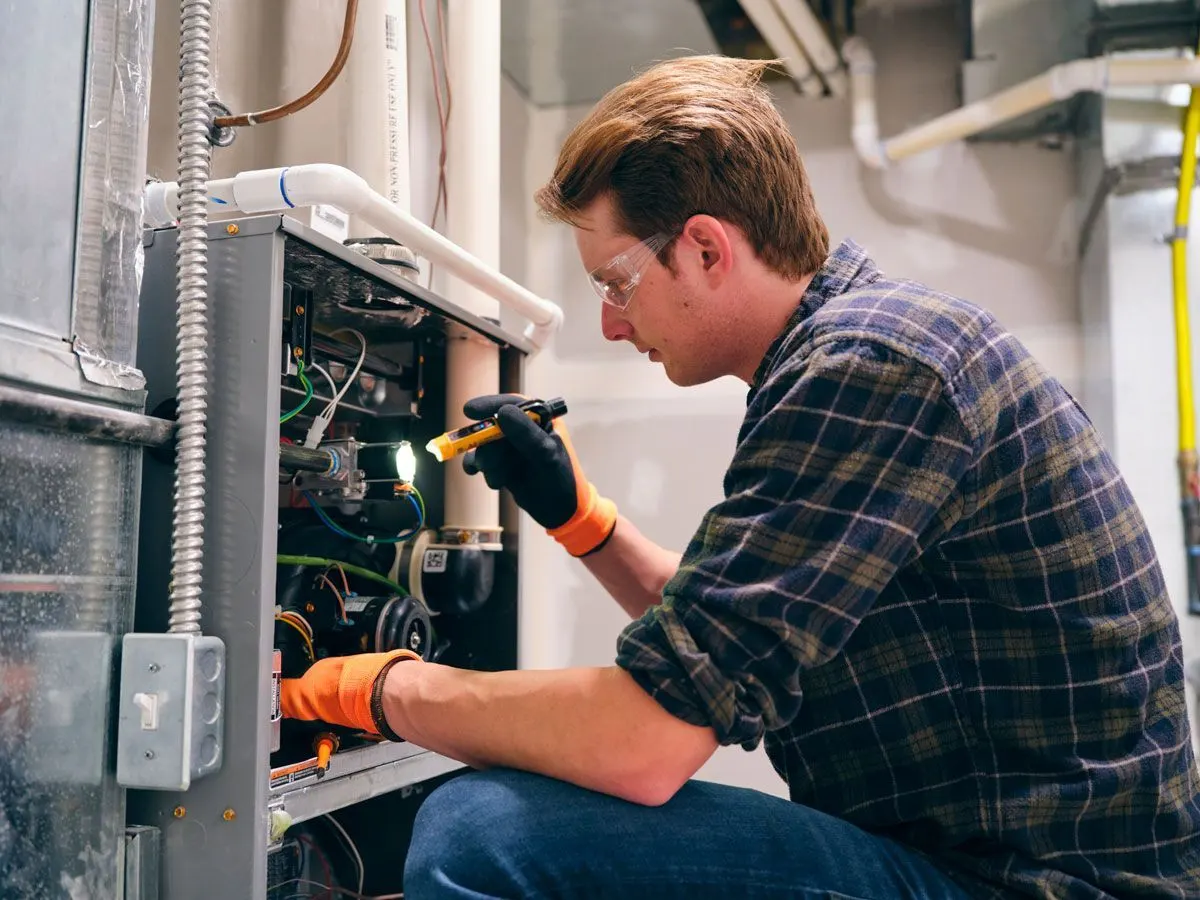
A traditional gas furnace relies on combustion to create heat. When your thermostat signals that the house is too cold, the furnace opens a gas valve, delivering natural gas or propane to the burners. An igniter lights the fuel, creating hot combustion gases. These extremely hot gases are drawn into a vital component called the heat exchanger—a series of metal tubes or coils. As the heat exchanger gets hot, your system's blower motor pulls cold air from inside your home and pushes it over the outside of the hot metal exchanger. The air absorbs the heat and is then blown back through your vents to warm your rooms. The toxic combustion gases, meanwhile, are safely vented out of your home through a flue pipe.
Understanding AFUE: Furnaces are rated by their Annual Fuel Utilization Efficiency (AFUE). This percentage tells you how much of the fuel is actually converted into usable heat versus how much is wasted through the exhaust flue. For example, an 80% AFUE furnace turns 80% of the gas it consumes into heat for your home, while 20% escapes as exhaust. High-efficiency condensing furnaces can achieve AFUE ratings of 90% or higher by utilizing a secondary heat exchanger to extract even more thermal energy before venting.
The Science Behind Modern Heat Pumps
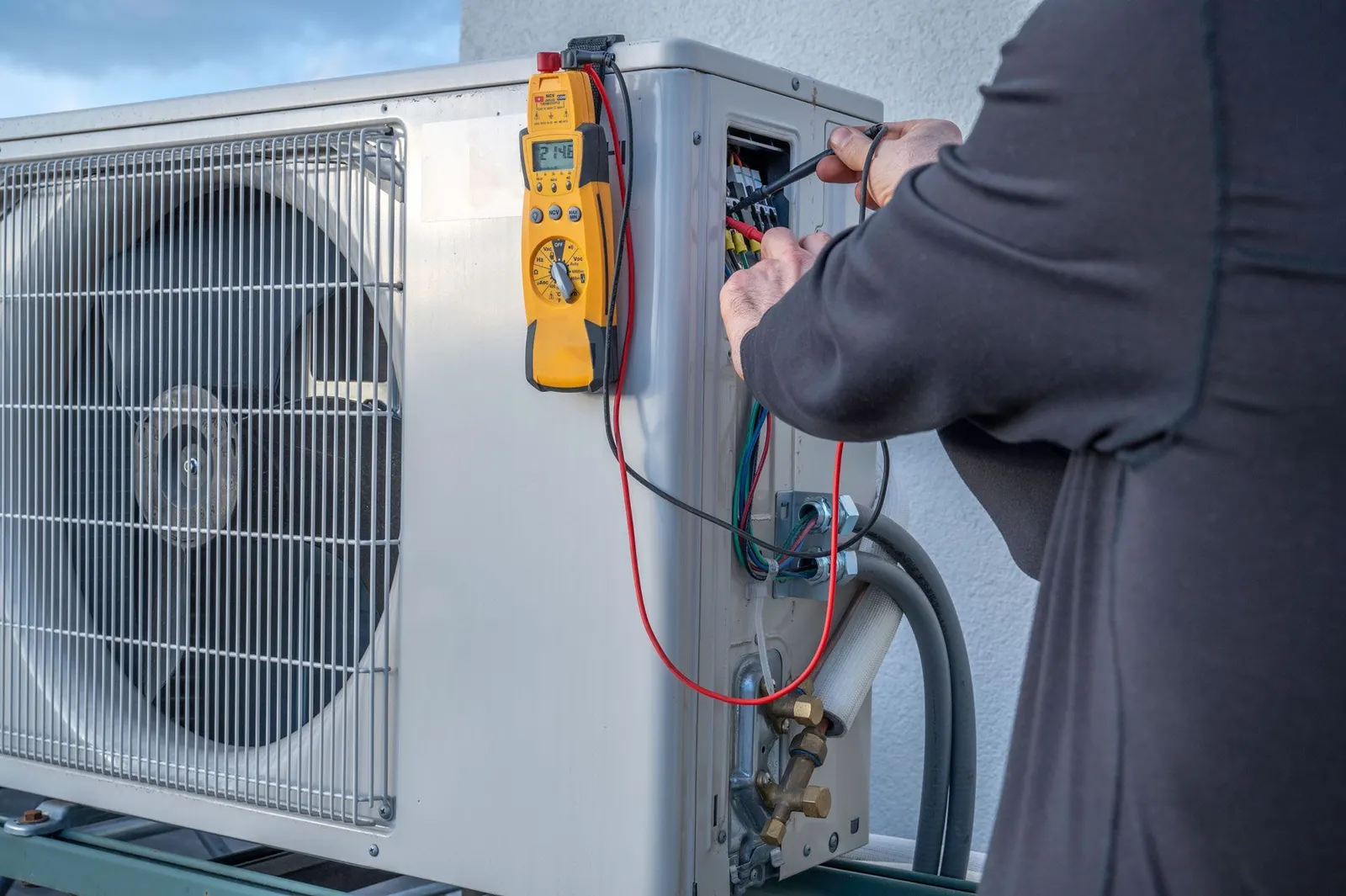
Unlike a furnace, a heat pump does not burn fuel to generate heat. Instead, it uses electricity and a specialized refrigerant cycle to transfer existing ambient thermal energy from one place to another. During the summer, a heat pump acts exactly like an air conditioner, absorbing heat from inside your house and pumping it outside. In the winter, a reversing valve switches the flow of refrigerant. The system now absorbs ambient heat from the outdoor air—yes, there is still thermal energy in the air even when it feels very cold outside—and pumps that heat inside to warm your home.
Cold-Climate Adaptability: Historically, heat pumps struggled when temperatures dropped below freezing because there was less ambient heat to extract. However, modern cold-climate heat pumps feature advanced inverter-driven compressors that can operate efficiently even in sub-freezing conditions. Heat pump heating efficiency is measured by the Heating Seasonal Performance Factor (HSPF2). A higher HSPF2 rating indicates a more efficient system that will require less electricity to keep your home comfortable throughout the winter season.
How Our Regional Climate Dictates Heating Performance
In our years of installing and servicing heating systems across Williamsport MD, we've learned that when you read generic national HVAC advice online, it often fails to account for the specific, fluctuating weather patterns we experience locally. The climate in Williamsport MD is characterized by a mix of mild, transitional fall days in October and freezing winter peaks in January and February. This specific regional temperature swing heavily impacts the choice between a standalone heat pump, a traditional gas furnace, or a combination of the two.
The Heat Pump Advantage in Fall: During the transitional mid-fall heating startup period, outdoor temperatures frequently hover between 40 and 55 degrees. In this temperature range, a heat pump is incredibly efficient. Because it is simply moving heat rather than burning fuel to create it, a heat pump can output significantly more energy in the form of heat than it consumes in electricity. This makes it an ideal, highly efficient solution for keeping your home comfortable during the crisp autumn months.
The Furnace Advantage in Winter Peaks: When the deep winter freezes hit and temperatures drop into the teens or single digits, a traditional gas furnace truly shines. Furnaces produce a very hot, robust heat that quickly warms a house regardless of how cold it is outside. While modern cold-climate heat pumps can absolutely function in freezing weather, they have to work much harder to extract heat, which can sometimes result in cooler air coming from the vents compared to the blast of a gas furnace.
The Dual-Fuel Solution: For many homeowners in our region, a dual-fuel system (also known as a hybrid heat system) offers the best of both worlds. This setup pairs an electric heat pump with a gas furnace backup. The heat pump handles the heating duties during the mild fall and early winter days, maximizing energy efficiency. When the temperature drops below a certain threshold—often called the economic balance point—the system automatically switches over to the gas furnace to handle the heavy lifting during the freezing peaks. This ensures you are always using the most efficient and effective heating method for the current outdoor weather conditions.
Energy Efficiency, Environmental Impact, and Generic Incentives
Upgrading your heating system is a long-term investment in your home's infrastructure. Beyond the immediate comfort benefits, it is important to consider the ongoing operational efficiency, the environmental impact of your choice, and the potential financial incentives available for upgrading to modern equipment during your mid-fall heating startup.
Carbon Footprint and Electrification: As the push toward residential electrification grows, heat pumps have become highly sought after for their lower environmental impact. Because they run entirely on electricity and do not burn fossil fuels on-site, a heat pump produces zero direct emissions at your home. If your electricity comes from renewable sources, a heat pump can operate with an exceptionally small carbon footprint. Gas furnaces, by their very nature, require the continuous combustion of fossil fuels, which contributes directly to household carbon emissions.
Lowering Monthly Energy Consumption: High-efficiency systems, whether they are 90%+ AFUE gas furnaces or high-HSPF2 heat pumps, are designed to lower your monthly energy consumption. By wasting less fuel or utilizing advanced variable-speed motors that adjust their output to match your exact comfort needs, these modern systems prevent the massive energy spikes associated with older, single-stage equipment constantly turning on and off.
Navigating Tax Credits and Rebates: Because of current federal energy initiatives aimed at improving home efficiency, generic tax credits and energy rebates may apply to qualifying high-efficiency heat pump and furnace installations. These programs are designed to offset the initial investment of upgrading to environmentally friendly technology. However, program requirements, eligibility criteria, and available funds change frequently. We strictly advise all homeowners to consult their local utility provider or a qualified tax professional to verify exact program details and determine what generic incentives your specific replacement might qualify for.
Head-to-Head: Pros and Cons of Each Heating System
To help you weigh your options clearly, we have broken down the primary advantages and disadvantages of both heat pumps and gas furnaces. The "best" option is rarely a one-size-fits-all answer; it is highly dependent on your individual home in Williamsport MD, your comfort preferences, and your existing infrastructure.
Heat Pump: Pros and Cons
- Pro: Year-round comfort. A single unit provides both heating in the winter and cooling in the summer, streamlining your HVAC equipment.
- Pro: High efficiency in mild weather. Extremely efficient operation during transitional fall and spring temperatures.
- Pro: Potential incentives. Often eligible for generic federal tax credits and state energy rebates under current electrification initiatives.
- Con: Extreme cold performance. Standard models lose efficiency in sub-zero temperatures and may require an auxiliary electric heat strip, which consumes more power.
- Con: Cooler air output. The air coming from the vents is generally cooler than the air produced by a gas furnace, which some homeowners find less cozy.
Gas Furnace: Pros and Cons
- Pro: Rapid, intense heating. Delivers very hot air quickly, warming up a cold house rapidly even on the most freezing winter nights.
- Pro: Unaffected by outdoor temps. Heating capacity remains completely consistent regardless of how cold it gets outside.
- Pro: Potentially lower equipment costs. If your home already has intact gas lines and proper venting, a straightforward furnace swap can sometimes require a lower upfront investment.
- Con: Fossil fuel dependency. Requires a steady supply of natural gas or propane and produces direct carbon emissions.
- Con: Safety monitoring required. Because of the combustion process, you must maintain carbon monoxide detectors and schedule regular safety inspections for the heat exchanger and flue.
| Feature | Electric Heat Pump | Traditional Gas Furnace |
|---|---|---|
| Primary Function | Transfers ambient heat (Heating & Cooling) | Generates heat via combustion (Heating Only) |
| Energy Source | Electricity | Natural Gas or Propane |
| Efficiency Rating | HSPF2 (Heating) / SEER2 (Cooling) | AFUE (Annual Fuel Utilization Efficiency) |
| Best Climate Use | Mild to moderately cold climates | Extremely cold, freezing climates |
| Lifespan Expectancy | Typically shorter (runs year-round) | Typically longer (rests during summer) |

Evaluating Your Home's Existing Infrastructure
Choosing the right heating system isn't just about picking the technology you like best; it requires a careful evaluation of what your home is actually equipped to handle. Upgrading from one type of system to another can trigger a cascade of necessary infrastructure changes. At Comfort Central Inc., our focus is always on honest diagnostics and objective repair frameworks built on years of hands-on experience, ensuring homeowners get the exact fix they need without unnecessary upselling. We want you to choose a system that integrates seamlessly with your home's current layout.
During our mid-fall pre-winter inspections, our team routinely assesses these three critical infrastructure areas to help guide your decision:
- Assess Your Electrical Panel Capacity: Heat pumps require a significant amount of electrical amperage, especially if they rely on auxiliary electric heat strips for backup during extreme cold. If you are switching from a gas furnace to a heat pump, your existing electrical panel may not have the capacity to handle the new load. Upgrading an older electrical panel to accommodate a heat pump is an additional step that must be factored into your overall replacement plan.
- Inspect Gas Lines and Venting: If you are leaning toward a gas furnace, you must have access to natural gas or a propane tank. More importantly, your home must have proper, intact venting (flues) to safely exhaust combustion gases outdoors. If your existing chimney or flue is deteriorating, it will need to be relined or replaced before a new furnace can be safely operated.
- Evaluate the Condition of Your Ductwork: Heat pumps and gas furnaces move air differently. Heat pumps generally require a higher volume of airflow to deliver their less intense heat effectively. If your ductwork is undersized, poorly designed, or severely leaking, a new heat pump may struggle to keep your home comfortable and could suffer from premature wear. Often, professional AC Inspection Testing performed by our technicians during the summer reveals aging ductwork infrastructure that heavily impacts your winter heating decisions.
Frequently Asked Questions About Home Heating Options
Making a major home infrastructure decision naturally brings up a lot of questions. Before we dive into the specific answers, it is worth noting that system stress is a year-round issue. If you have spent time Understanding Short-Cycling during the summer, you know that matched, properly sized equipment is vital for both heating and cooling reliability. Here are the most common questions homeowners in Williamsport MD ask our team when comparing heating options.
Which is better for Maryland winters: heat pump or furnace?
Based on our extensive field experience at Comfort Central Inc., the short answer is that a dual-fuel system is often the most strategic choice for Maryland winters. Because our region experiences a wide range of temperatures, relying solely on one technology can sometimes be limiting. A heat pump handles the mild transitional weather with incredible efficiency, while a gas furnace provides the heavy-duty heating power required when January brings freezing temperatures. If you must choose just one, a modern cold-climate heat pump is excellent for efficiency, but a furnace remains the undisputed champion for rapid, intense heat.
Do heat pumps work in freezing weather?
Yes, modern cold-climate heat pumps are specifically engineered to work in freezing weather. Older models used to struggle significantly when temperatures dropped below freezing, but today's inverter-driven compressors can extract ambient heat from the air even when it is well below zero outside. However, as the temperature drops, the system has to work harder and use more electricity to maintain indoor comfort, which is why proper sizing and professional installation are critical.
At what temperature does a heat pump become inefficient?
While modern heat pumps can operate in sub-zero weather, their efficiency begins to decline as temperatures approach the 20 to 30-degree Fahrenheit range. This specific drop-off point is known as the thermal balance point. Below this temperature, the heat pump may need to rely on auxiliary electric heat strips to keep the house warm. Because electric heat strips consume a massive amount of electricity, running them frequently is highly inefficient compared to the heat pump's normal operation.
Should I replace my AC and furnace at the same time?
In most cases, replacing your AC and furnace at the same time is highly recommended. Your heating and cooling systems share the same indoor air handler and blower motor. If you pair a brand-new, high-efficiency air conditioner with an aging, inefficient furnace blower, the new AC will not be able to achieve its rated efficiency. Furthermore, replacing both units simultaneously saves significantly on labor costs, as the installation team only has to dismantle and rebuild the system once.
Are there generic tax credits available for new heating systems?
Yes, there are broad federal initiatives currently in place that offer generic tax credits for the installation of qualifying high-efficiency home comfort equipment, particularly heat pumps. These programs are intended to encourage homeowners to transition to more energy-efficient and environmentally friendly technologies. Because eligibility rules, efficiency requirements, and program availability change regularly, you should always consult a tax professional or your utility provider to verify what programs apply to your specific upgrade.
What is a dual-fuel heating system and is it right for me?
A dual-fuel heating system is a hybrid setup that combines an electric heat pump with a traditional gas furnace. It is right for you if you live in an area with fluctuating seasonal temperatures and want to maximize both efficiency and comfort. The system uses a smart thermostat to automatically switch between the heat pump during mild weather and the gas furnace during extreme cold, ensuring you are always using the most cost-effective and powerful heating method for the current outdoor conditions.
Make Your Heating Replacement Decision With Confidence
The window for a smooth, stress-free mid-fall heating startup is closing fast. October is the absolute ideal time to evaluate your home's infrastructure, compare the benefits of a heat pump versus a gas furnace, and schedule a replacement. By acting now, you allow yourself the time to make a thoughtful decision based on efficiency and comfort, while completely avoiding the peak winter scheduling delays that occur when everyone else's aging systems begin to fail.
Remember that the right choice is a delicate balance of your home's existing ductwork, electrical capacity, and your personal comfort preferences. You don't have to navigate this complex decision alone. We encourage you to talk to our local experts at Comfort Central Inc., who can assess your home and provide a clear, honest framework for your options. If you are ready to ensure your home stays warm all winter long, or if you simply need comprehensive year-round support, explore our AC Repair Service and heating solutions today.