
Is Your AC Blowing Warm Air? Making the Right Call for Help
Why is my system running but failing to cool the house? This is one of the most common homeowner questions answered by our team at Comfort Central Inc. the moment summer temperatures spike. You walk in the door expecting a blast of refreshing, chilled air, only to find the vents pushing out a tepid, frustrating breeze. The immediate physical discomfort quickly gives way to a stressful realization: your climate control system is compromised, and you need a solution fast.
The quick fix vs. the long-term partner: When faced with a malfunctioning air conditioner, the urgency to get the house cooled down often leads to hasty decisions. However, evaluating AC companies requires objective criteria, not just a quick internet search for the nearest available truck. Identifying what is safe to check yourself versus when to call for professional help is the first critical decision point in restoring your home's comfort. Finding the right technical partner ensures that your immediate breakdown is resolved while securing the long-term health and efficiency of your equipment.
If your system is struggling to keep up, exploring professional air conditioning services or booking a dedicated AC repair service with our local experts can quickly restore your indoor climate.
Initial AC Blowing Warm Air Troubleshooting Steps
Before you pick up the phone to request an emergency dispatch, there are a few safe, preliminary checks you can perform. In our years of servicing local homes, we've found that when you begin your AC blowing warm air troubleshooting, you should always start with the simplest mechanical variables. These quick verifications respect your time and can potentially save you from paying a diagnostic fee for a simple oversight.
- Verify thermostat settings: It sounds overly simple, but a bumped thermostat is a frequent culprit our technicians encounter. Ensure the system is explicitly set to "cool" rather than "heat" or "off." More importantly, check that the fan setting is on "auto" rather than "on." If the fan is set to "on," the blower will continuously circulate air through the house even when the outdoor compressor is resting, resulting in warm air blowing from your vents between cooling cycles.
- Inspect and replace dirty air filters: A severely clogged air filter is one of the leading causes of restricted airflow. When air cannot pass freely over the indoor evaporator coil, the coil can literally freeze into a block of ice. Once frozen, the system can no longer absorb heat from your home, leaving you with a warm, weak breeze at the registers. Slide the filter out; if you cannot see light through it, replace it immediately.
- Check the electrical panel: Your central air conditioner requires a significant amount of electricity to start the compressor. Occasionally, a power surge or a temporary overload will trip the dedicated circuit breaker. Locate your home's main electrical panel and look for the breaker labeled for the AC or HVAC system. If it has tripped to the middle position, firmly switch it completely off, then back to the on position.
If you have walked through these preliminary steps and the house is still heating up, you are likely dealing with a mechanical or electrical failure. Understanding the deeper mechanical reasons why your AC stopped cooling can help you communicate more effectively when you do reach out for our professional support.
Drawing the Line: Safe Homeowner Checks vs. Professional Diagnostics
There is a strict boundary between basic homeowner maintenance and hazardous mechanical interference. Modern air conditioning systems operate using high-voltage electricity and pressurized chemical refrigerants. Crossing the line from safe troubleshooting into DIY repair attempts is not only dangerous, but it can also void your manufacturer warranty.
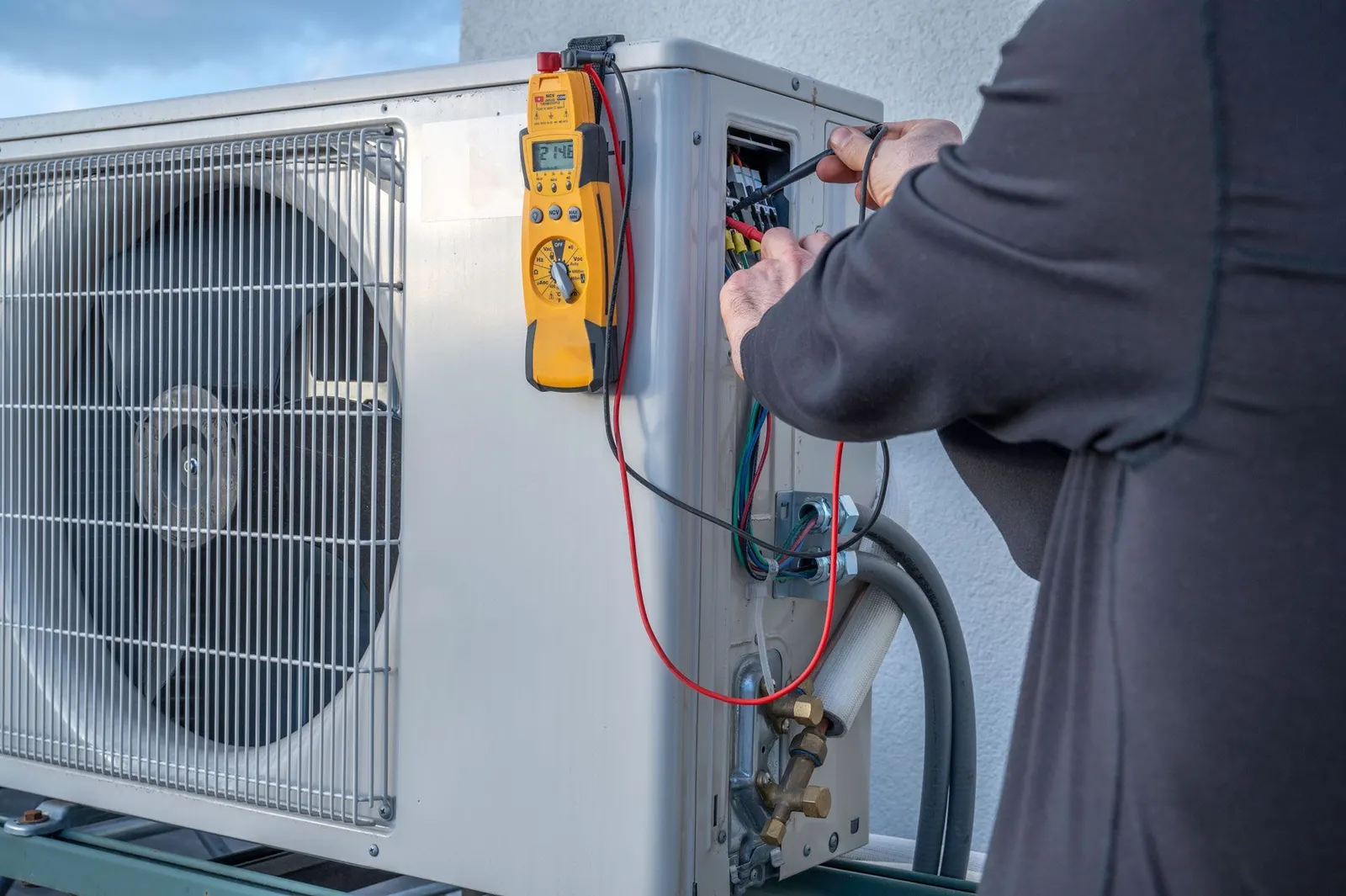
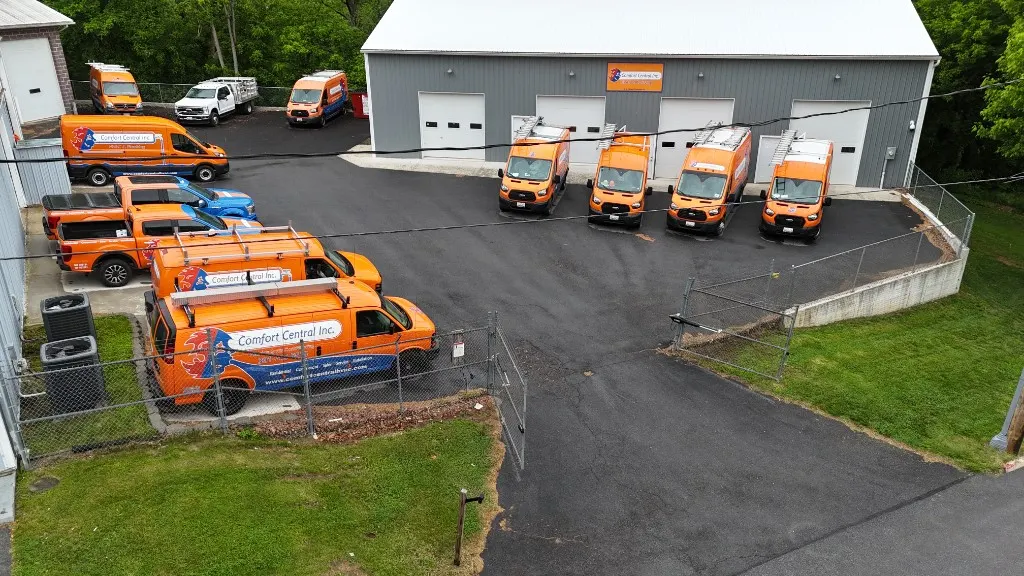
Opening the equipment cabinet, testing capacitors, or handling electrical contactors is strictly off-limits for anyone without professional licensing and training. Complex issues, such as a burned-up capacitor on the indoor blower or a failing compressor motor, require specialized diagnostic meters and exact replacement parts to resolve safely. A reputable company like Comfort Central Inc. will arrive with a fully stocked van to address these electrical or mechanical failures on the first visit.
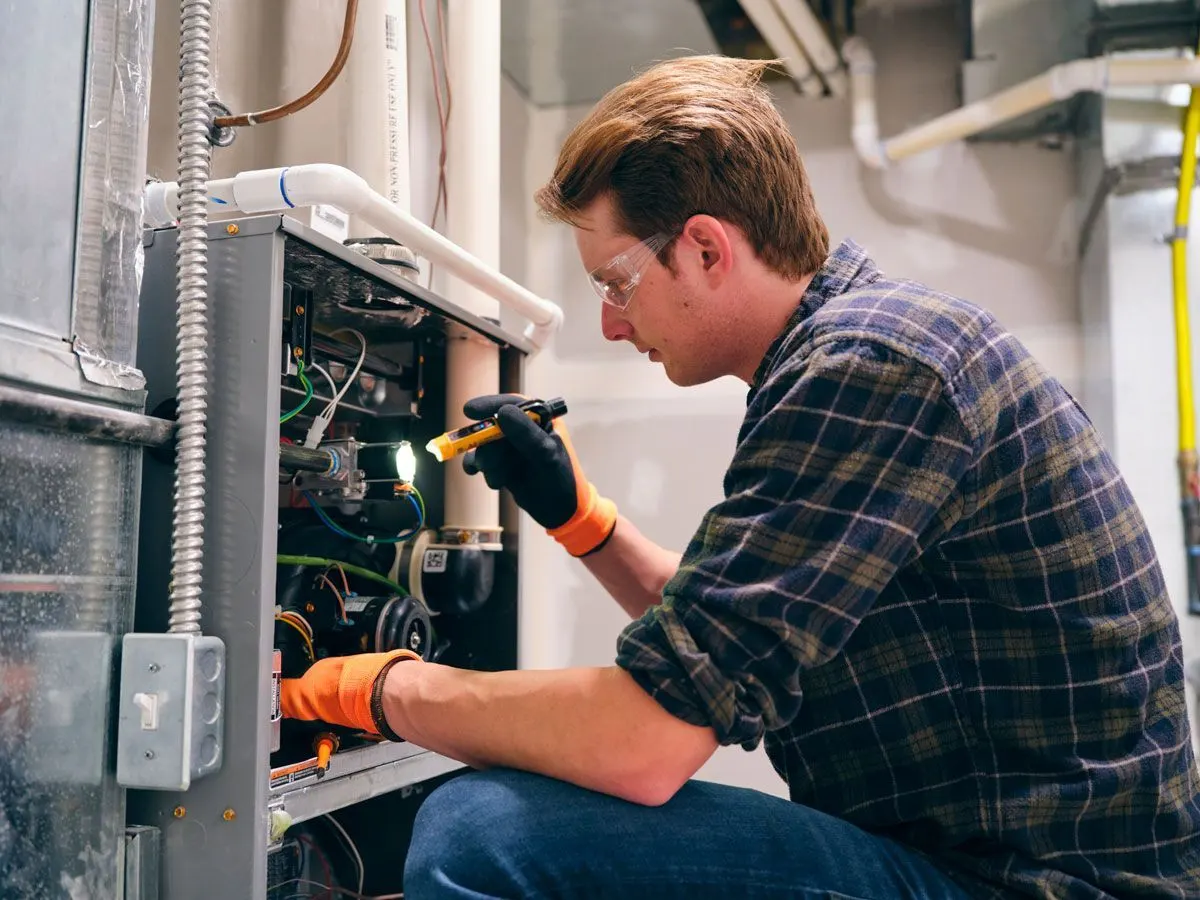
For example, a pattern we see often involves hidden technical faults. During a recent winter service call for a three-year-old heat pump, one of our professional technicians discovered a pressure switch wire rubbing against the suction line—a highly technical internal fault that was safely diagnosed and repaired in under ten minutes. That level of precision is impossible without formal training.
| Symptom or Task | Safe for Homeowner? | Required Professional Action |
|---|---|---|
| Replacing the indoor return air filter | Yes | None (unless the coil has already frozen solid) |
| Resetting a tripped circuit breaker once | Yes | If it trips again immediately, a pro must trace the electrical short. |
| Inspecting the outdoor unit for debris | Yes | Pros will perform a deep chemical clean of the condenser fins. |
| Testing or replacing a dual-run capacitor | No | Requires multimeter testing and handling of high-voltage stored energy. |
| Adding "freon" or refrigerant | No | Requires EPA certification, leak detection, and brazing equipment. |

Assessing Emergency Readiness During a Heatwave
When extreme weather settles over the region, the demand for HVAC contractors skyrockets. Systems that have been limping along for months inevitably fail when pushed to their absolute limits by a prolonged heatwave. This is the exact moment when evaluating a company based on their true emergency capacity—rather than just a generic online rating—becomes critical.
When temperatures hit 90 degrees this past summer, we received a call about an outside unit that failed completely. Because this homeowner partnered with our rapid-response team, our office staff dispatched a technician the same day who clearly explained the mechanical failure before restoring the cooling. This level of responsiveness is what separates a reliable service provider from a disorganized operation.
When assessing a contractor, their ability to provide 24/7 emergency service availability across the local area is a non-negotiable criterion. A company with the logistical infrastructure to route technicians across the MD/WV/PA tri-state area efficiently is far more likely to rescue your weekend than a smaller outfit with limited dispatch capabilities.
The Importance of Fast Dispatch
Waiting days for a diagnostic visit is simply unacceptable when your home is rapidly heating up. The specific climate in the tri-state area brings high summer humidity, which dramatically changes the stakes of an air conditioning failure. High indoor humidity significantly decreases the human body's ability to cool itself through evaporation. When your AC stops pulling moisture out of the air, a 78-degree house can feel suffocatingly hot, making rapid response a critical safety evaluation metric rather than just a convenience.
A truly prepared HVAC partner also has contingency plans. Over a sweltering Memorial Day weekend, our team assisted a local customer facing a major system failure. Rather than leaving the family stranded, we provided a temporary cooling solution to keep the home safe while warrantable parts were shipped and installed.
Verifying Local Expertise and Technical Competence
Beyond emergency availability, you must verify the technical competence and legal standing of the technicians working on your property. An air conditioning system is a massive investment, and allowing an unqualified individual to tinker with it can lead to catastrophic damage.
Here is what we recommend verifying before allowing a technician to begin work:
- State licenses and insurance: A legitimate AC company must hold active HVAC licenses in the states they operate in, alongside comprehensive liability insurance and workers' compensation. This protects you from financial liability if an accident occurs on your property.
- Deep local climate expertise: The tri-state area's specific climate demands technicians who deeply understand regional humidity management. Managing high latent heat loads (the moisture in the air) requires precise equipment sizing and airflow calibration, not just blowing cold air into a room.
- Transparent communication: The best technicians act as educators. They will clearly explain the problem, show you the failed component, and provide a straightforward diagnosis before beginning any billable work.
- Workmanship and parts guarantees: A trustworthy contractor stands behind their labor. Look for companies that offer clear warranties on the parts they install and the craftsmanship of the repair itself.
Weighing Repair Against System Replacement
One of the most stressful scenarios a homeowner faces is learning that a major component, like the compressor or the evaporator coil, has failed. At this juncture, a trustworthy AC company shifts from being a repair service to acting as a strategic consultant, helping you navigate the complex decision of whether to repair the broken unit or invest in a full replacement.
A reputable contractor provides transparent quotes for both options, laying out the details without high-pressure sales tactics. At Comfort Central Inc., our team helps you evaluate the age of the unit, the complexity of the immediate repair, and the likelihood of ongoing reliability issues. A common benchmark we use to advise homeowners involves multiplying the age of the equipment by the estimated repair extent. If this calculation indicates diminishing returns, replacement is generally the wiser financial decision.
If repairing the system is no longer viable, understanding the logistics of AC installation and replacement is your next step. This process requires professional crews who ensure that the new equipment is sized correctly for your home's specific heat load. Furthermore, our dedicated installation team will not just drop a unit in your yard and leave; they handle the complete integration, including the final thermostat setup and airflow balancing, ensuring the system operates at peak efficiency from day one.
Looking Ahead: How the Right Company Protects Your Investment
The relationship with your HVAC contractor should not end once the immediate warm-air crisis is resolved. The best AC companies prioritize long-term relationships over one-time emergency fixes, offering proactive solutions to keep your equipment running smoothly year after year.
Routine maintenance is the single most effective way to prevent future breakdowns and extend the lifespan of your cooling equipment. Just as you wouldn't drive a vehicle for years without changing the oil, your air conditioner requires regular calibration and cleaning to manage the intense friction and pressure of the refrigeration cycle. Engaging in ongoing service agreements with a trusted local provider ensures that your system receives priority attention before the peak summer rush begins.
The benefits of this proactive approach are highly tangible. Last spring, our team worked with a homeowner whose unusual architectural layout needed a complete system overhaul. Our installation crew customized the equipment for the unique space and took the time to walk the homeowner through programming their new thermostat. Because the system was perfectly calibrated and maintained, the homeowner immediately noticed lower electric bills and vastly increased overall comfort.
By scheduling routine AC maintenance, you keep the internal coils clean, the electrical connections tight, and the refrigerant levels precise—all of which translate directly to lower monthly energy costs and a system that outlasts its expected lifespan.
Frequently Asked Questions About Hiring AC Companies
Why is my AC running but blowing warm air?
The most common reasons we see include a severely dirty air filter, a tripped circuit breaker for the outdoor compressor, or a thermostat set to "on" instead of "auto." If the indoor fan is running but the outdoor unit is not, the system will only circulate warm ambient air. More severe causes include refrigerant leaks or a failed dual-run capacitor, which require professional diagnostics.
What should I check before calling an AC company?
Always verify that your thermostat is actively calling for cooling and that the batteries are fresh. Next, inspect your indoor air filter; a clogged filter will choke the system and freeze the evaporator coil. Finally, check your main electrical panel to ensure the dedicated HVAC circuit breaker hasn't tripped to the neutral position.
How do I know if my AC compressor is bad?
Signs of a failing compressor include a system that blows warm air constantly, loud grinding or screeching noises from the outdoor unit, or a circuit breaker that trips repeatedly every time the AC tries to start. Because the compressor is the heart of the refrigeration cycle, a professional technician must use a multimeter to test its electrical draw and confirm a failure.
When should I call a professional for AC repair?
You should call a licensed professional immediately if you have completed basic filter and breaker checks and the system still fails to cool. Additionally, if you notice pooling water around the indoor unit, smell burning electrical odors, or hear loud metallic banging, shut the system off entirely and request an emergency dispatch to prevent further damage.
How quickly should an AC company respond to a breakdown in high humidity?
During periods of extreme heat and high humidity, an AC breakdown is a safety concern, and a reputable company should strive for same-day or next-day emergency service. High indoor humidity drastically reduces the body's ability to cool itself, making rapid response and 24/7 dispatch capabilities vital criteria when choosing a local contractor.
What licenses and insurance should a local HVAC contractor hold?
A legitimate HVAC contractor must hold active state-issued mechanical licenses for every state they operate in. Furthermore, they must carry comprehensive general liability insurance and workers' compensation coverage to protect homeowners from any financial responsibility in the event of an on-site accident or property damage.
Partnering With a Trusted Local HVAC Expert
When the vents are blowing warm air and the indoor temperature is climbing, the last thing you want to do is guess which contractor to trust. By understanding the boundaries of safe homeowner troubleshooting and knowing exactly what criteria to look for in a professional service provider, you can make an informed, confident decision.
Timely, expert intervention is the key to preventing a minor electrical fault from cascading into a total system failure. Our dedicated, professional team at Comfort Central Inc. will quickly diagnose the root cause of the warm air, explain your options clearly, and execute the necessary repairs to restore your home's comfort. Don't let a malfunctioning air conditioner ruin your summer—reach out for a comprehensive assessment and get your cooling system back on track.