
Preparing Your HVAC System for Extreme Temperature Shifts
Before the heavy heat of summer or the deep freeze of winter settles in, completing a seasonal home maintenance checklist is the best way to protect your heating and cooling equipment. A sudden shift in the weather places massive stress on a residential HVAC system, especially if that equipment has been sitting idle for months. When a system is forced to jump from zero activity to running at maximum capacity around the clock, underlying wear and tear quickly turns into a complete mechanical failure.
The core challenge homeowners face is knowing exactly how to prepare. While there are plenty of basic upkeep tasks you can handle on your own, modern heating and cooling systems are complex networks of high-voltage electricity, pressurized refrigerants, and sensitive computer boards. The key is identifying which seasonal maintenance tasks are safe to do yourself and which symptoms require an immediate professional diagnostic.
Taking care of these steps during the transitional spring and fall months gives you a comfortable buffer. It allows you to address minor adjustments before severe weather arrives. If you do discover a major issue during your seasonal checks, scheduling air conditioning services early means you won't be stuck waiting for a repair during a mid-July heatwave. The goal of this preparation is simple: maximize your system's longevity and maintain peak energy efficiency without paying for unnecessary upgrades.
The Mid-Atlantic Climate Strain: Why Seasonal Timing Matters
Timing your maintenance during the transitional spring and fall months is about more than just beating the rush. There are specific, technical reasons why seasonal shifts cause so much damage to residential heating and cooling equipment. The primary culprit is thermal expansion and contraction. As outdoor temperatures swing wildly from cool nights to hot afternoons, the metal components inside your outdoor condenser expand and shrink. Over time, this constant movement can loosen tight electrical connections, leading to voltage drops or sparking.
This same temperature fluctuation places heavy stress on your system's refrigerant lines. Copper tubing and brass fittings expand at different rates. When they are subjected to rapid temperature changes, the microscopic seals between these parts can weaken, creating the perfect environment for a slow, hard-to-detect refrigerant leak. By the time summer arrives, the system might be running on a low charge, forcing the compressor to work twice as hard just to cool the house.
Furthermore, the local climate adds a unique layer of strain. Mid-Atlantic summer humidity frequently exceeds 70%, which forces your air conditioner to act as a heavy-duty dehumidifier. As the system pulls gallons of moisture out of your indoor air, that water drips into a condensate pan and flows out through a drain line. If you skip maintenance during the transitional spring and fall months, dust and biological growth can easily clog that drain. Proactive condensate drain clearing is a critical spring task to prevent backups, overflowing drain pans, and severe water damage to your ceilings or floors.
Safe DIY vs. Professional Diagnostics: Drawing the Line
A major part of any seasonal home maintenance checklist is understanding your own limits. While proactive homeowners can prevent many common HVAC problems, crossing the line into unlicensed repair work is dangerous and costly. Touching the wrong component can result in severe electrical shocks, and mishandling refrigerant is a violation of environmental regulations.
To keep your system running safely, you need clear boundaries distinguishing basic homeowner upkeep from tasks that require a licensed technician. Attempting complex mechanical or electrical repairs on your own will almost certainly void your manufacturer warranty, leaving you entirely responsible for the cost of a replacement if the system fails.
Homeowner Maintenance Boundaries
There are several highly effective tasks you can and should handle during the transitional spring and fall months. These basic steps protect the system's airflow and ensure the thermostat is communicating properly with the main unit.
- Clearing outdoor debris: Remove leaves, twigs, and overgrown branches from around the outdoor condenser unit to ensure the system can pull in enough air.
- Monitoring the thermostat: Check your thermostat settings, update the schedule for the new season, and replace the batteries to prevent communication errors.
- Changing air filters: Inspect your indoor return filters monthly and replace them the moment they look gray or clogged with dust.
When to Step Back
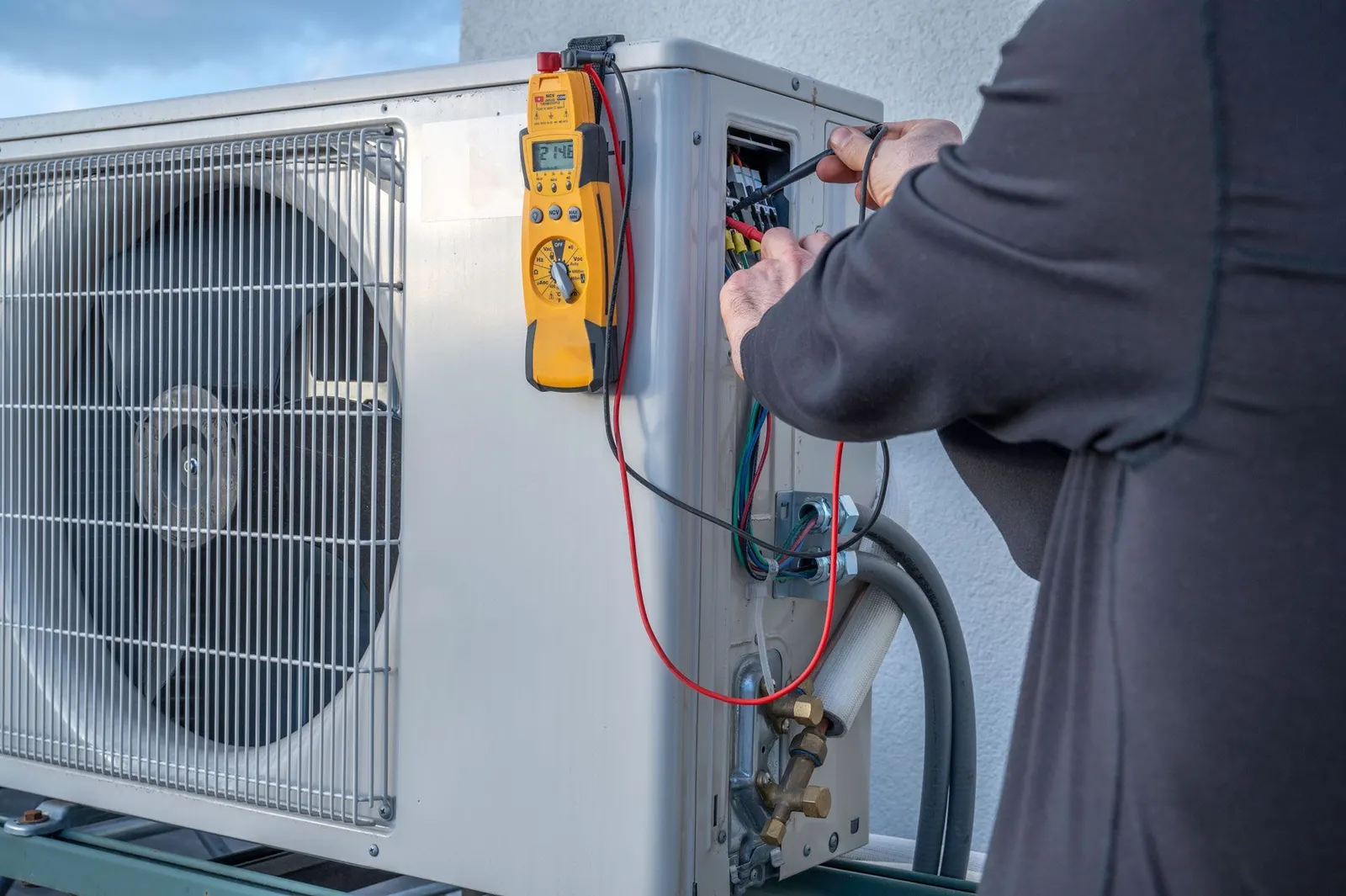
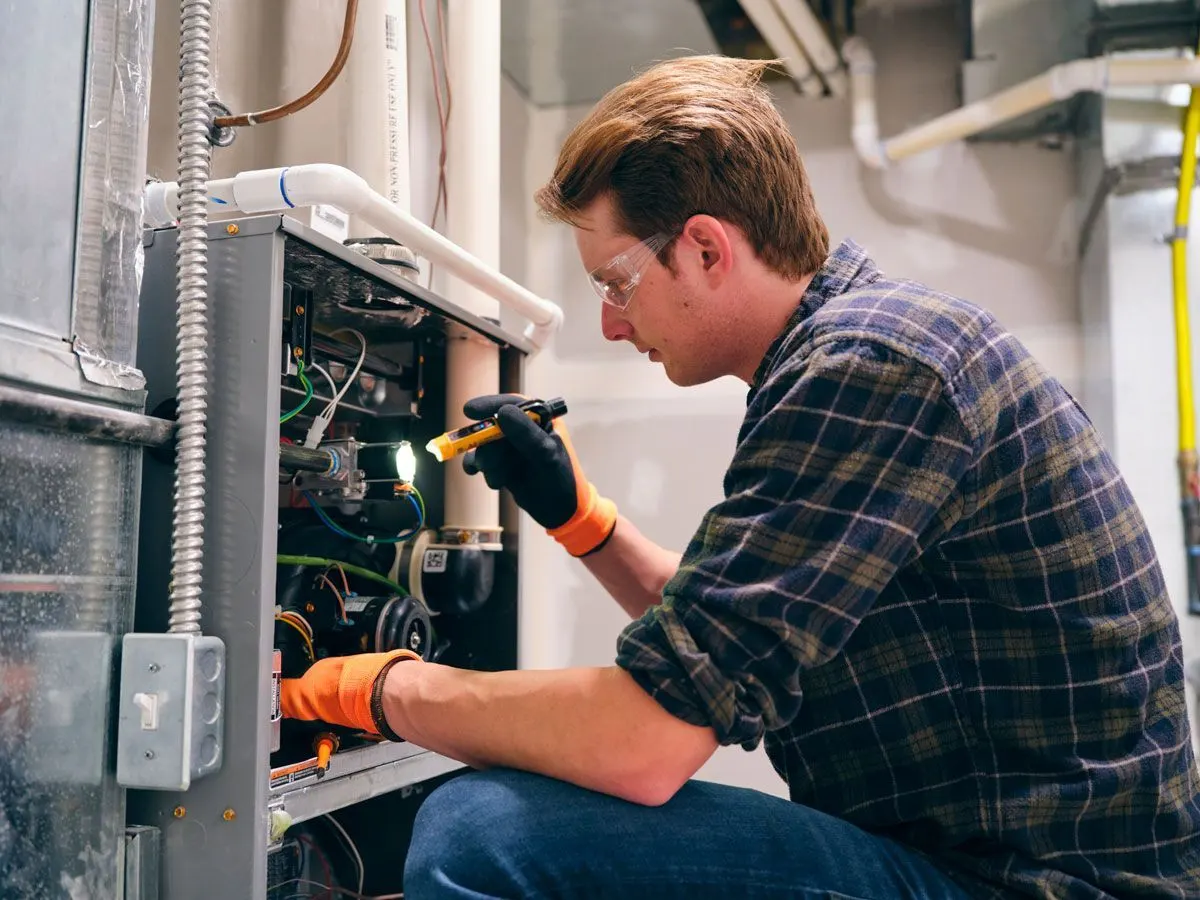
The moment a task requires opening a sealed cabinet, handling chemicals, or testing electrical currents, it is time to call a professional. Licensed technicians have the training and specialized tools required to perform a safe AC inspection and testing without putting your home at risk.
- Opening the electrical panel: Never remove the access panel on the outdoor condenser to check wires, capacitors, or contactors.
- Handling refrigerant lines: Checking the system's charge levels requires specialized gauges and an EPA certification.
- Adjusting blower components: The indoor blower motor is finely balanced; attempting to clean or adjust it without training can permanently damage the housing.
| Maintenance Task | Safe for Homeowners (DIY) | Requires Licensed Professional |
|---|---|---|
| Replacing indoor air filters | Yes | No |
| Clearing debris from the outdoor unit | Yes | No |
| Testing electrical voltage and capacitors | No | Yes |
| Checking and adjusting refrigerant charge | No | Yes |
| Clearing a deeply clogged condensate drain | No | Yes |
| Inspecting heat exchanger for cracks | No | Yes |

Critical Maintenance Tasks for System Longevity
When executing your seasonal routine during the transitional spring and fall months, precision is important. A technically accurate, actionable breakdown of safe seasonal tasks ensures you are actually improving the system's longevity rather than just going through the motions. The most critical step you can take is managing your indoor airflow.
Replacing a dirty, clogged filter with a clean one is non-negotiable. A clogged filter forces the indoor blower motor to work much harder to pull air through the return vents. This added strain increases your monthly utility bills and accelerates wear and tear on the motor bearings. According to energy experts, simply replacing a dirty filter with a clean one can lower your air conditioner's energy consumption by 5% to 15%.
Outside the house, heat exchange is the name of the game. Your outdoor unit needs to release the heat it absorbed from inside your home. If the metal fins are choked by dirt, pollen, or overgrown shrubs, that heat gets trapped. Cleaning the area around the outdoor unit—leaving at least two feet of clear space in every direction—ensures proper airflow and efficient heat exchange.
Finally, you must test the system before extreme weather hits. Turn the AC on during a warm spring afternoon, or fire up the furnace on a crisp fall morning. Let it run for a full cycle to ensure it reaches the set temperature. Waiting until the weather is unbearable can lead to miserable delays. One homeowner found out the hard way over a hot Memorial Day weekend when their unit failed completely. A technician had to be dispatched to provide a temporary cooling solution while warrantable parts were shipped. Ultimately, the new parts were installed a few days later, but testing the system early could have prevented the holiday weekend emergency. If your early tests reveal a major failure, you have plenty of time to explore options for AC installation and replacement without feeling rushed.
Technical Warning Signs That Require Immediate Attention
Even with a perfect seasonal maintenance checklist, mechanical components eventually wear out. Educating yourself on specific technical warning signs ensures you know exactly when a system failure is imminent and professional intervention is required. Catching these symptoms early during the transitional spring and fall months can often mean the difference between a simple part replacement and a catastrophic compressor failure.
Unusual and aggressive noises: Modern HVAC systems are designed to operate quietly. If you hear a loud grinding sound coming from the outdoor unit, it usually indicates that the motor bearings are failing. A high-pitched squealing sound often points to a failing blower belt or a dying fan motor. A distinct buzzing or clicking sound right before the system tries to start is a classic sign of a failing electrical capacitor or a stuck contactor.
Short-cycling: This occurs when the system turns on, runs for only two or three minutes, and then abruptly shuts off, repeating the cycle endlessly. Short-cycling places immense strain on the compressor. It is often caused by severe airflow restrictions, low refrigerant levels, or a malfunctioning thermostat. If left unaddressed, short-cycling will quickly burn out the system's most expensive components.
Lack of cooling under pressure: A definitive sign that you need a service call is when the system runs constantly but blows warm or room-temperature air from the vents. One local customer experienced a complete system shutdown on a 90-degree summer day. A same-day service call revealed a specific component failure, which the technician clearly explained and resolved on the spot, restoring the cooling immediately. If your system cannot keep up with the thermostat setting, you need a professional to diagnose exactly why your AC stopped cooling.
Evaluating AC Companies for Honest Diagnostics
When your system exhibits warning signs, the next step on your checklist is finding the right professional. Not all HVAC contractors operate with the same level of integrity. You need an objective framework to help you properly vet and choose a trustworthy AC company before you agree to any major repairs. The goal is to find a partner who values honest diagnostics over quick sales.
A reputable company grounded in strong family values will always prioritize fixing the root cause of a problem. They ensure homeowners only pay for necessary repairs rather than unneeded upgrades. Consider a situation where an indoor blower capacitor burns up during the summer heat. One homeowner faced exactly this issue and reached out for help. A technician arrived quickly, had the necessary capacitor in stock on their truck, and completed the repair in under 30 minutes for a reasonable price. That is the standard of service you should look for.
To evaluate a company during the transitional spring and fall months, follow these steps:
- Look for root-cause problem solvers: A trustworthy technician will test specific components with a multimeter rather than just glancing at the unit and declaring it "too old." They will explain exactly which part failed and why.
- Verify credentials and pricing: Always confirm that the company holds the proper state licenses and full insurance. Ask about their pricing structure upfront. Honest companies provide transparent, flat-rate quotes before any work begins, so you are never surprised by hidden hourly fees.
- Prioritize education over pressure: Pay attention to how the technician speaks to you. A great contractor focuses on educating you about system longevity, airflow, and maintenance. If a technician uses high-pressure sales tactics or fear-mongering to push an immediate system replacement, it is time to get a second opinion.
By taking the time to vet your options, you ensure that when you do need professional AC repair service, you are working with experts who have your home's best interests in mind.
Frequently Asked Questions
What should be on a home maintenance checklist?
A thorough home maintenance checklist should prioritize your heating, cooling, and ventilation systems alongside general exterior upkeep. Key tasks include changing indoor air filters, clearing debris away from outdoor condenser units, and testing your thermostat settings before the season changes. You should also visually inspect the insulation on your outdoor refrigerant lines and ensure your indoor vents are fully open and unblocked by furniture.
How do I prepare my AC for the summer?
Preparing your AC for summer starts with ensuring the system has proper airflow and a clean environment to operate in. Begin by replacing your indoor air filter and gently washing away dirt or pollen from the outdoor unit's metal fins using a standard garden hose on a low setting. Finally, turn the system on during a mild spring day to verify it produces cold air, allowing you time to call a professional if it fails to cool.
Can I do my own HVAC maintenance?
You can safely perform basic visual and airflow maintenance, but mechanical and electrical work must be left to professionals. Homeowners should handle filter changes, debris removal, and thermostat battery replacements on their own. However, opening electrical panels, checking refrigerant pressures, or cleaning sensitive indoor blower wheels requires specialized training and licensing to avoid injury and warranty voidance.
When should you schedule seasonal HVAC maintenance?
The optimal time to schedule seasonal HVAC maintenance is during the transitional spring and fall months. Booking a tune-up in the spring prepares your air conditioner for summer heat, while a fall appointment ensures your furnace or heat pump is ready for freezing winter temperatures. Scheduling during these shoulder seasons helps you avoid long wait times and catches minor wear and tear before severe weather causes a complete breakdown.
What are the signs that my AC needs a professional diagnostic?
Signs that require a professional diagnostic include loud grinding or squealing noises, short-cycling, and a complete lack of cold air coming from the vents. If you notice ice forming on the outdoor copper lines or water pooling around your indoor unit, these are definitive indicators of a mechanical failure. Any time the system runs continuously without lowering the indoor temperature, a licensed technician needs to evaluate the equipment.
How do I choose a reliable AC company for seasonal tune-ups?
Choose a reliable AC company by looking for established local businesses that prioritize transparent pricing and honest diagnostics over high-pressure sales. Verify that their technicians are fully licensed and insured, and read local reviews to see how they handle emergency repairs and warranty work. A trustworthy company will take the time to educate you on your system's health rather than immediately pushing for a full replacement.
Stay Ahead of the Weather
Completing a thorough seasonal home maintenance checklist is the smartest way to protect your comfort and your wallet. By understanding the technical warning signs and knowing exactly when to call a professional during the transitional spring and fall months, you can prevent minor issues from turning into major emergencies. Take action today to ensure your system runs efficiently all season long.