
The Hidden Risks of Entering Winter with a Neglected Heat Pump
Preparing your heat pump for winter is often the last thing on your mind after a long, hot summer of reliable cooling. You have relied on your system to battle the heat for months, but as the leaves drop, that same equipment is about to face an entirely different challenge. The reality is that months of heavy summer cooling leave behind a hidden mechanical toll. Accumulated dirt, stressed electrical components, and restricted airflow quietly compromise your system's efficiency. As we enter the critical November pre-winter transition, you face an important decision: schedule a professional readiness check now, or risk running a weakened system that could fail during the first major freeze.
Homeowners usually view their heating and cooling equipment from the outside. If the fan is spinning and the cabinet looks relatively clean, it is easy to assume everything is fine. However, the internal mechanics tell a different story. The transition from mild fall weather to freezing mid-Atlantic winter temperatures puts sudden, extreme stress on a neglected system. A unit that performed adequately in 75-degree weather will struggle immensely when forced to extract heat from 25-degree air.
This is where objective diagnostics make all the difference. Rather than relying on pushy seasonal sales tactics, a proper health evaluation of your year-round climate control systems empowers you with actual data about your equipment's condition. By understanding exactly how much wear and tear has occurred over the summer, you can make informed decisions about your home's comfort before the severe cold arrives.
The Two-Season Burden
Unlike a traditional air conditioner that sits dormant for half the year, your heat pump works continuously. It does not get a break. The exact same compressor, coils, and fan motors that labored through July humidity are now expected to pivot and provide relentless heating through January snowstorms. This dual-duty nature means that any minor wear developed during the summer does not just disappear—it compounds.
Ignoring these hidden risks directly threatens your winter comfort. A heat pump operating with restricted airflow or weakened capacitors is a breakdown waiting to happen. Taking proactive steps during the fall ensures your system has the mechanical strength required to handle the heavy heating demands ahead.
The Mechanical Toll of Summer: What Dirt and Debris Actually Do
To understand why a neglected system struggles, you have to look at how a heat pump operates as a unified, two-way system. The same outdoor coils and delicate aluminum fins used to reject heat out of your home in the summer are now responsible for absorbing ambient heat from the outdoor air in the winter. This process requires absolute precision and completely unobstructed airflow.
Over the summer months, your outdoor unit acts almost like a giant vacuum cleaner. It pulls in massive amounts of air, and along with that air comes summer dust, sticky pollen, grass clippings, and yard debris. This material embeds itself deeply between the coil fins. The unintended insulator: This layer of grime acts as a thermal barrier. It physically blocks the refrigerant inside the coils from absorbing the heat present in the outside air.
When airflow is restricted by this dirt, the system's compressor is forced to work much harder to achieve the same indoor temperature. Increased energy consumption: Diagnostics routinely show that a dirty, neglected heat pump can consume 10% to 25% more electricity while delivering significantly less heat into your living space. The system runs longer cycles, drives up your utility bills, and puts unnecessary friction on moving parts.
The Impact of Local Weather Patterns
In the Williamsport MD area, this inefficiency becomes highly noticeable as the season changes. When temperatures drop, there is naturally less heat available in the air to absorb. If your coils are already handicapped by a blanket of summer debris, the system will struggle to keep your home warm. You might notice the air coming from your vents feels lukewarm rather than hot, or that your system runs constantly without ever reaching the set temperature on your thermostat.
This mechanical strain is exactly why scheduling a seasonal system tune-up is so critical. Removing the physical barriers to heat transfer restores the system's ability to "breathe" properly, allowing the compressor to operate within its designed parameters instead of fighting against a wall of dirt.
Behind the Scenes: The Critical Defrost Cycle Explained
One of the most important, yet least understood, winter functions of your heat pump is the defrost cycle. Mid-Atlantic winters often hover right around the freezing mark. This specific weather pattern creates the exact high-moisture, low-temperature conditions that cause condensation to freeze rapidly on your outdoor equipment.
When your system absorbs heat from the cold outdoor air, the outdoor coil actually drops below freezing. Any moisture in the air immediately turns to frost and ice on the metal fins. If left unchecked, this ice would build up into a solid block, completely suffocating the unit. To prevent this, your heat pump must periodically melt the ice away.
Here is how the defrost cycle works mechanically:
- Detection: Internal sensors detect that the outdoor coil temperature has dropped too low or that too much time has passed, indicating ice buildup.
- Reversing the flow: The system temporarily reverses its operation, switching back into air conditioning mode. This sends hot, pressurized refrigerant from inside the house directly to the outdoor coil.
- Melting the ice: The outdoor fan stops spinning. This allows the heat to concentrate inside the metal cabinet, rapidly melting the accumulated frost and ice.
- Auxiliary support: Because the system is technically in cooling mode, your indoor auxiliary heat strips turn on simultaneously. This prevents cold air from blowing through your vents and chilling your home.
- Returning to normal: Once the sensors detect the ice has melted, the system shifts back into standard heating mode, the outdoor fan restarts, and normal operation resumes.
This entire process requires optimal refrigerant charge and completely unobstructed airflow. If either of these factors is compromised due to summer neglect, the defrost cycle becomes sluggish, inefficient, or fails completely. A failing defrost cycle during the November pre-winter transition can quickly lead to a solid block of ice encasing the outdoor unit, completely halting all heating operations.

The Reversing Valve: Your Heat Pump's Most Vulnerable Winter Component
If the compressor is the muscle of your heat pump, the reversing valve is its mechanical heart. This specialized brass valve is responsible for physically switching the flow of refrigerant between heating and cooling modes. It is the single component that makes a heat pump different from a standard air conditioner.
During the summer, the reversing valve stays locked in one position. But during the winter, because of the constant need to run the defrost cycle, this valve must actuate frequently. It shifts back and forth, changing the direction of highly pressurized refrigerant multiple times a day.
This frequent shifting requires a tremendous amount of precise mechanical movement and electrical power. Electrical strain from weakened capacitors—often worn down by heavy summer usage—can cause the reversing valve's solenoid to fail. Physical wear, sludge in the refrigerant lines, or a lack of routine maintenance can cause the internal slide mechanism to stick.
Signs of Reversing Valve Trouble
Homeowners in the Williamsport MD area rely heavily on this component functioning flawlessly to maintain indoor comfort when outdoor temperatures plummet into the 20s. When a reversing valve begins to fail, the symptoms are usually distinct.
| Normal Valve Operation | Failing Valve Symptoms |
|---|---|
| Distinct "whoosh" sound when shifting modes | Loud grinding, buzzing, or hissing sounds |
| Prompt switch from heating to defrost | System gets stuck in cooling mode during winter |
| Consistent warm air from indoor vents | Lukewarm air or system constantly running auxiliary heat |
| Outdoor coil clears of ice within 10-15 minutes | Outdoor unit becomes completely encased in thick ice |
Because the reversing valve is deeply integrated into the sealed refrigerant system, it is highly vulnerable to neglect. Ensuring this component is tested and functioning smoothly is a primary focus of any professional winter preparation strategy.
Essential Pre-Winter Heat Pump Readiness Checks
Preparing a heat pump for winter requires a combination of simple homeowner housekeeping and rigorous professional diagnostics. A true readiness check is an objective evaluation of your system's health, giving you genuine peace of mind rather than a list of unnecessary upgrades. Before the heavy winter weather sets in during the November pre-winter transition, several critical steps must be taken.
Here is what needs to happen to ensure your system is ready for the cold:
- Clear the breathing zone: Remove all leaves, fallen branches, and yard debris at least two feet away from all sides of the outdoor unit. Unobstructed airflow is non-negotiable for winter efficiency.
- Replace indoor air filters: A clogged indoor filter restricts the air moving over your indoor coil. In the winter, this internal airflow restriction can severely exacerbate outdoor coil freezing and force the blower motor to overheat.
- Verify thermostat configurations: Ensure your thermostat settings are correctly configured for winter heating. Test that the auxiliary heat functions are responsive and engaging when the temperature is bumped up a few degrees.
- Inspect the reversing valve: A licensed professional must test the electrical draw of the solenoid and verify the valve shifts completely without sticking or bypassing refrigerant.
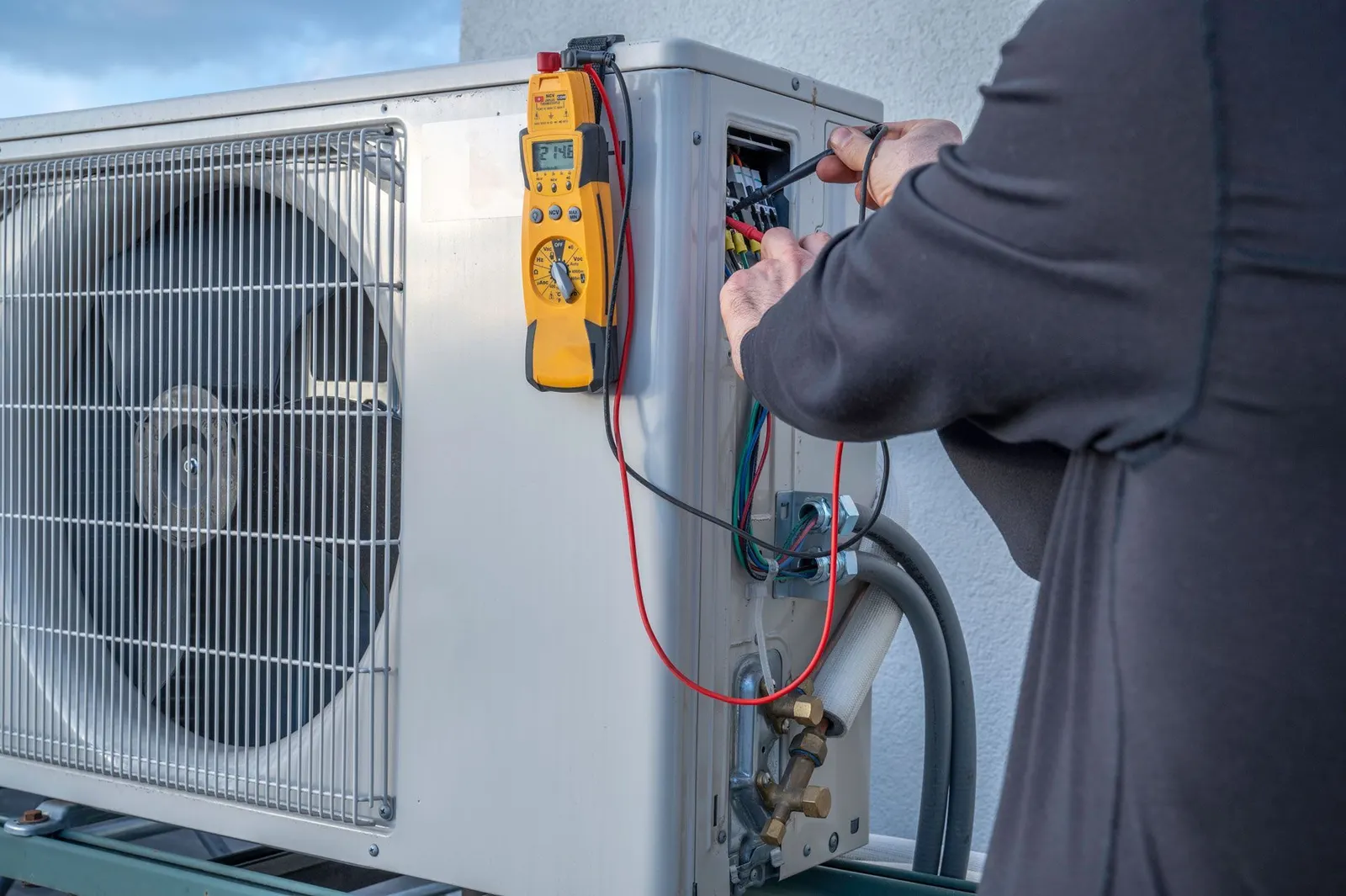
- Test electrical capacitors: Weak capacitors from summer strain must be identified and replaced before they fail and damage the compressor motor.
- Verify optimal refrigerant levels: A system slightly low on refrigerant will fail to heat your home properly and will struggle to complete a defrost cycle.
The Professional Boundary
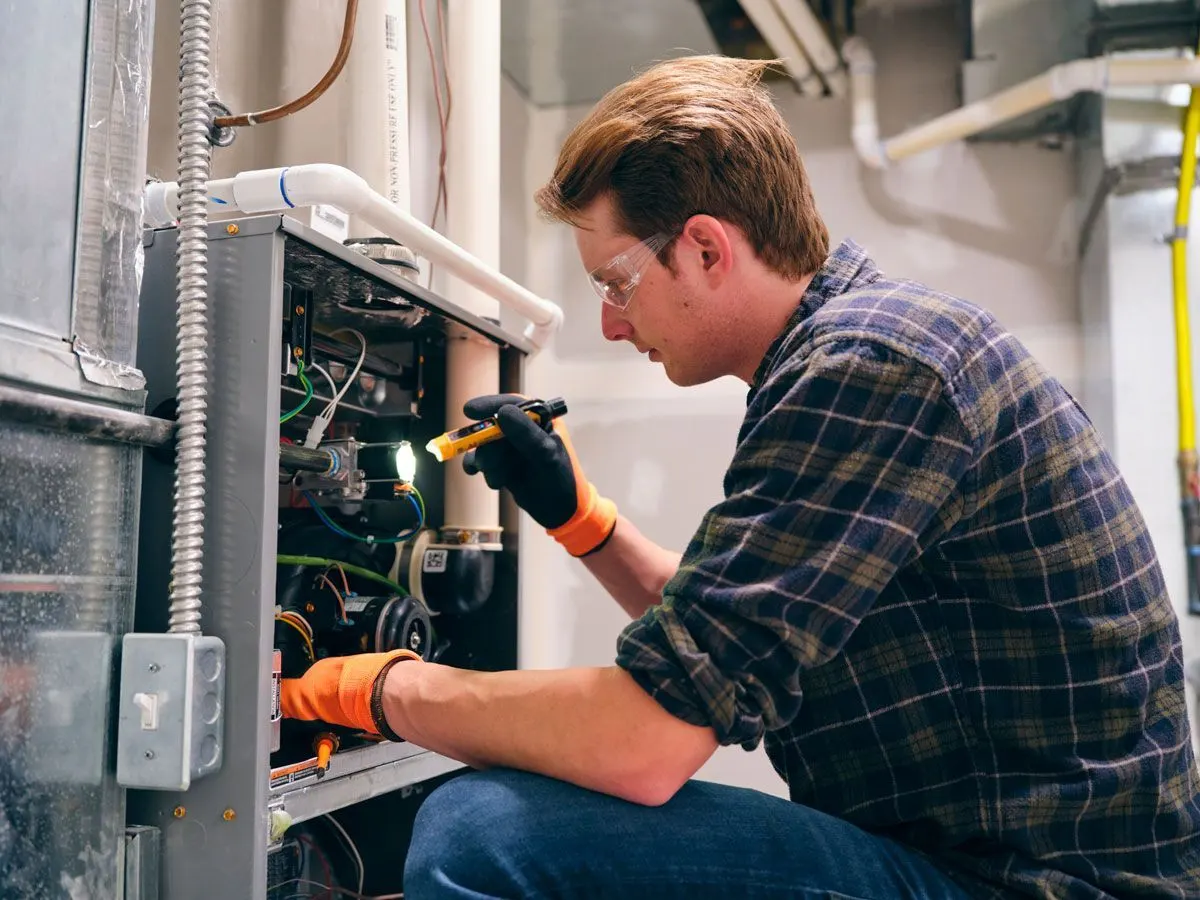
While clearing leaves and changing filters are excellent ways to protect your equipment, the internal mechanics require specialized knowledge. You should never attempt to handle pressurized refrigerant lines, test high-voltage electrical components, or disassemble the sealed cabinet without proper certification. A comprehensive pre-winter system inspection ensures these volatile components are handled safely and calibrated accurately by trained experts.
Normal Winter Operation vs. Signs of Mechanical Distress
Because heat pumps operate differently than traditional gas furnaces, they exhibit behaviors that can sometimes alarm homeowners. Knowing how to differentiate between a heat pump working exactly as designed and one that is struggling due to neglect can save you from unnecessary panic—or alert you to a genuine emergency.
The normal signs of winter operation: It is completely normal to see a cloud of steam rising from the outdoor unit during cold weather. This is simply the moisture evaporating off the coils during the defrost cycle. You will also likely hear a loud "whoosh" sound when the system shifts into defrost mode, followed by the outdoor fan stopping for a few minutes while the compressor continues to hum. These are signs of a healthy system managing frost.
The clear signs of mechanical distress: Excessive ice buildup is the most obvious red flag. While a light coating of white frost is normal, if your outdoor unit is encased in a thick, solid block of ice that does not melt away after a defrost cycle, the system is in distress. Similarly, if your system constantly relies on auxiliary heat (often indicated by an "Aux" or "Emergency Heat" light on your thermostat) even in moderate cold, it indicates the primary heat pump mechanics are failing to extract ambient heat.
Listening to Your System
Homeowners in the Williamsport MD area should pay close attention to the sounds their equipment makes as the temperatures drop. Unusual grinding, harsh rattling, or loud squealing noises are never normal. These sounds point directly to stressed internal components—like failing fan motor bearings or a struggling compressor—that require immediate attention. Ignoring these signs often leads to understanding system short-cycling the hard way, as the equipment repeatedly shuts itself down to prevent catastrophic failure.
Efficiency and Reliability: Why Proactive Maintenance Matters Now
Connecting the mechanical details back to your daily life is simple: ignoring the hidden wear and tear from summer directly translates to higher winter energy bills and a colder home. When a system is neglected, it has to run longer and work harder to achieve the same results. This increased workload puts immense strain on aging parts right when you need them most.
Proactive maintenance is about addressing minor issues—like a dirty coil, a loose electrical connection, or a weak capacitor—before they cause a complete system shutdown during a freeze. Taking action during the November pre-winter transition ensures the heat pump is mechanically prepared to handle the heaviest workloads of the year without stumbling.
The Financial and Comfort Benefits
A well-maintained system provides consistent, even comfort throughout your home. It protects the equipment's lifespan, ensuring you get the maximum possible years out of your investment. Furthermore, maintaining peak efficiency is the best way to keep your monthly utility costs predictable.
It is also worth noting that keeping your system in top condition may help you qualify for certain energy efficiency incentives. While programs vary, homeowners should verify current utility programs and local incentives, as many require proof of routine professional maintenance to remain eligible. By scheduling heat pump and HVAC maintenance in Williamsport, you protect both your comfort and your wallet.
Ensuring Reliable Comfort Before the First Major Freeze
Understanding the internal mechanics of your equipment reveals exactly why preparing heat pump for winter operation is more than just a casual recommendation. The transition from summer cooling to winter heating demands a system that is clean, calibrated, and mechanically sound. The hidden toll of summer wear can easily cripple your defrost cycle, strain your reversing valve, and leave you in the cold.
A professional pre-winter check prevents these emergency breakdowns and eliminates efficiency losses before they happen. Homeowners in the Williamsport MD area can enjoy reliable, uninterrupted comfort all winter long by acting proactively. Do not wait for the first severe temperature drop to find out if your system can handle the load. Explore professional readiness evaluations today to ensure your heat pump is fully prepared for the cold months ahead.
Frequently Asked Questions
Does a heat pump need winter maintenance?
Yes, winter maintenance is critical for a heat pump because it operates year-round and sustains heavy wear during the summer. A professional check ensures the defrost cycle is functioning properly, the reversing valve is mechanically sound, and the coils are clean. Skipping this maintenance often leads to frozen outdoor coils and significantly higher winter energy bills.
Should I cover my heat pump in the winter?
No, you should never cover a heat pump while it is operational during the winter. Heat pumps require massive amounts of unobstructed airflow to extract heat from the outdoor air and to properly exhaust moisture during the defrost cycle. Covering the unit will suffocate the system, cause severe mechanical damage, and void your equipment's warranty.
Why does my heat pump freeze up in winter?
A heat pump freezes up when there is a restriction in airflow, a low refrigerant charge, or a failure in the defrost control board. While a light layer of frost is a normal part of operation, a solid block of ice indicates the system is failing to melt the condensation away. If your unit is encased in thick ice, it requires immediate professional diagnostics to prevent compressor failure.
At what temperature does a heat pump struggle?
Older heat pumps typically begin to lose efficiency when temperatures drop below 30°F, while modern high-efficiency units can extract heat in temperatures well below freezing. When the outside air becomes too cold for the primary system to handle alone, the heat pump automatically engages its auxiliary heat strips to maintain your indoor comfort. Routine maintenance ensures this transition happens smoothly without wasting energy.
How do I prepare my heat pump for cold weather?
Start by clearing all leaves, snow, and debris at least two feet away from the outdoor unit to guarantee proper airflow. Inside, replace your air filters to prevent internal restrictions. Finally, schedule a professional readiness check to evaluate the reversing valve, test the electrical capacitors, and verify the refrigerant charge before the first major freeze arrives.
Is it normal for my heat pump to blow cold air in winter?
Your heat pump may briefly blow cool air when it enters its defrost cycle, as the system temporarily reverses into cooling mode to melt outdoor ice. However, the auxiliary heat should quickly engage to warm the air coming through your vents. If the air remains cold for extended periods, it usually points to a failing reversing valve or a malfunctioning auxiliary heating element.