
Facing the Pre-Winter HVAC Reliability Test
The temperature is dropping rapidly, and that strange rattling noise from your utility closet is getting louder by the day. When November pre-winter cold snaps arrive and heating equipment struggles to keep up, our team at Comfort Central Inc. regularly helps Williamsport residents navigate the options comparisons for homeowners, which can often feel like a stressful, urgent task. You are suddenly faced with a frustrating dilemma: do you keep sinking funds into an older, potentially unreliable unit, or is it time to invest in a brand-new system?
Making this choice should never be a reaction to a sudden breakdown. In our field experience, it requires an objective, technical framework that removes the emotional panic from the equation. Understanding the actual lifespan of your equipment and how to evaluate its current condition dictates the right path forward. Whether you are evaluating your heating setup or looking ahead to the reliability of your air conditioning systems, having a solid baseline is critical for long-term home comfort.
How Dual-Extreme Climates Accelerate Equipment Wear
The problem: National averages for equipment longevity often fail to account for the reality of regional geography. When you look up how long a furnace or heat pump is supposed to last, those numbers assume a moderate climate where the system gets to rest for months at a time. In our years servicing the Williamsport area, we've seen firsthand how the Mid-Atlantic climate tells a very different story.
The cause: Areas that experience both hot, humid summers and freezing, biting winters force your climate control systems to operate under heavy loads almost year-round. There is no prolonged off-season. The lack of a substantial rest period accelerates mechanical wear and tear on both heating and cooling components. Bearings, motors, and electrical contacts are subjected to continuous thermal expansion and contraction, degrading faster than they would in a milder environment.
The solution: Because of this dual-extreme weather, we advise homeowners in the region to plan for earlier evaluations of 15+ year old heating systems. Recognizing this accelerated wear pattern allows you to budget and plan for HVAC installation and replacement before a catastrophic failure leaves your home freezing in the middle of January.
Baseline Lifespan Expectations: Furnaces vs. Heat Pumps
To make a logical decision about your aging equipment, you first need to understand the foundational data regarding how long different types of systems typically last. While the U.S. Department of Energy provides baseline estimates for standard residential equipment, our technicians note that these numbers vary significantly depending on the technology heating your home.
Age alone is not the only factor in deciding to replace a system, but it is the primary indicator of impending component failure. Historical maintenance consistency—whether the system received annual tune-ups or was left neglected—can easily add or subtract five years from these averages.
| System Type | Average Lifespan | Primary Wear Factors | Usage Cycle |
|---|---|---|---|
| Gas/Electric Furnace | 15 to 20 years | Heat exchanger stress, burner degradation | Seasonal (Winter only) |
| Air-Source Heat Pump | 10 to 15 years | Compressor fatigue, reversing valve wear | Year-round (Summer & Winter) |
Furnace Longevity Factors
A standard residential furnace generally boasts an average lifespan of 15 to 20 years. Because furnaces are typically only active during the late fall and winter months, they endure fewer operating hours per year than a dual-purpose system. However, as these 15+ year old heating systems age, the constant cycle of heating up and cooling down takes a toll on the metal components. The most critical failure point we monitor is the heat exchanger, which can develop hairline cracks over time. Burner degradation and blower motor fatigue also play significant roles in determining when a furnace has reached the end of its safe operational life.
Heat Pump Lifespan Variables
Heat pumps usually have a shorter average lifespan of 10 to 15 years. This is not due to inferior manufacturing, but rather because they work year-round to both heat and cool your home. The compressor and the reversing valve—the component that switches the flow of refrigerant to change the system from cooling to heating mode—bear the brunt of this continuous operation. In regions with heavy summer humidity and freezing winter nights, this year-round duty cycle naturally shortens the equipment's viable lifespan.
An Objective Framework for Replacing vs. Repairing Aging Systems
When a system begins to fail, the immediate reaction we hear from customers is often a request for the cheapest fix. However, a purely objective, technical diagnostic framework allows you to evaluate your system's viability without relying on arbitrary rules of thumb. We recommend using this criteria-based checklist to assess your equipment:
- Assess breakdown frequency and severity: Is this an isolated incident, or are you calling a technician every season? Multiple breakdowns over a two-year period indicate cascading component failure.
- Evaluate replacement part availability: As units exceed 15 years of age, manufacturers often stop producing proprietary parts. If a repair requires sourcing obsolete or refurbished parts, replacement becomes the more stable long-term option.
- Analyze current energy efficiency: Older systems lose efficiency over time. Compare your unit's original AFUE (for furnaces) or SEER/HSPF ratings (for heat pumps) against modern baseline standards. The energy waste of an outdated unit often subsidizes the cost of a new one.
- Check the warranty status: If the manufacturer's warranty has expired, you bear the full brunt of both parts and labor costs for every major repair.
By applying this framework, you take actionable steps toward preventing HVAC emergencies through proactive assessment rather than reactive panic. You can clearly see whether a repair is a sound investment or simply a temporary band-aid on a failing machine.

Assessing Major Component Failures During Sudden Temperature Drops
The problem: A pattern we see often during November pre-winter cold snaps is dormant heating systems failing during the first major temperature drop. After sitting idle for months, the sudden demand to run continuously strains aging parts, exposing hidden weaknesses in 15+ year old heating systems.
The cause: When the temperature drops rapidly, the system has to work harder and run longer to maintain the thermostat setting. This intense, sudden workload can push weakened components past their breaking point. There is a massive difference between a minor sensor issue—like a dirty flame sensor that simply needs cleaning—and a catastrophic mechanical failure. Critical components like blower motors, compressors, or cracked heat exchangers signal a terminal decline when they fail.
The solution: Logically assessing the failure is key. If a minor electrical relay fails, repairing it is logical. But if the compressor on a shared heat pump system dies, you are looking at a massive expense. Because heat pumps share components for both cooling and heating, investing in professional AC repair and heating service acts as a strategic bridge only if the core system is still viable. If the core components are failing, our team generally recommends directing that repair money toward a replacement.
Factoring Generic Energy Incentives into Your Replacement Strategy
We consistently remind our customers that efficiency incentives play a massive role in the repair-versus-replace decision, dramatically altering the long-term value equation for older units. Upgrading from an outdated, energy-hogging system to a high-efficiency modern model does more than just improve your indoor comfort; it fundamentally changes your home's energy consumption footprint.
Qualifying high-efficiency HVAC replacements may be eligible for generic federal energy tax credits and various local utility rebates. These programs are designed to encourage homeowners to adopt greener, more efficient technology. When you factor in the potential tax credits and the month-over-month reduction in utility usage, replacing a 15+ year old heating system often becomes a more logical financial choice than repeatedly repairing it.
Because these programs frequently update their efficiency requirements and eligibility standards, it is always advisable to consult with a tax professional or your local utility provider to verify current program details before making your final decision.
The Role of Professional Diagnostics in Extending Equipment Life
Not every aging system requires immediate replacement. Sometimes, an older unit simply needs comprehensive optimization to safely survive another winter. This is where the value of an expert, honest evaluation becomes undeniable.
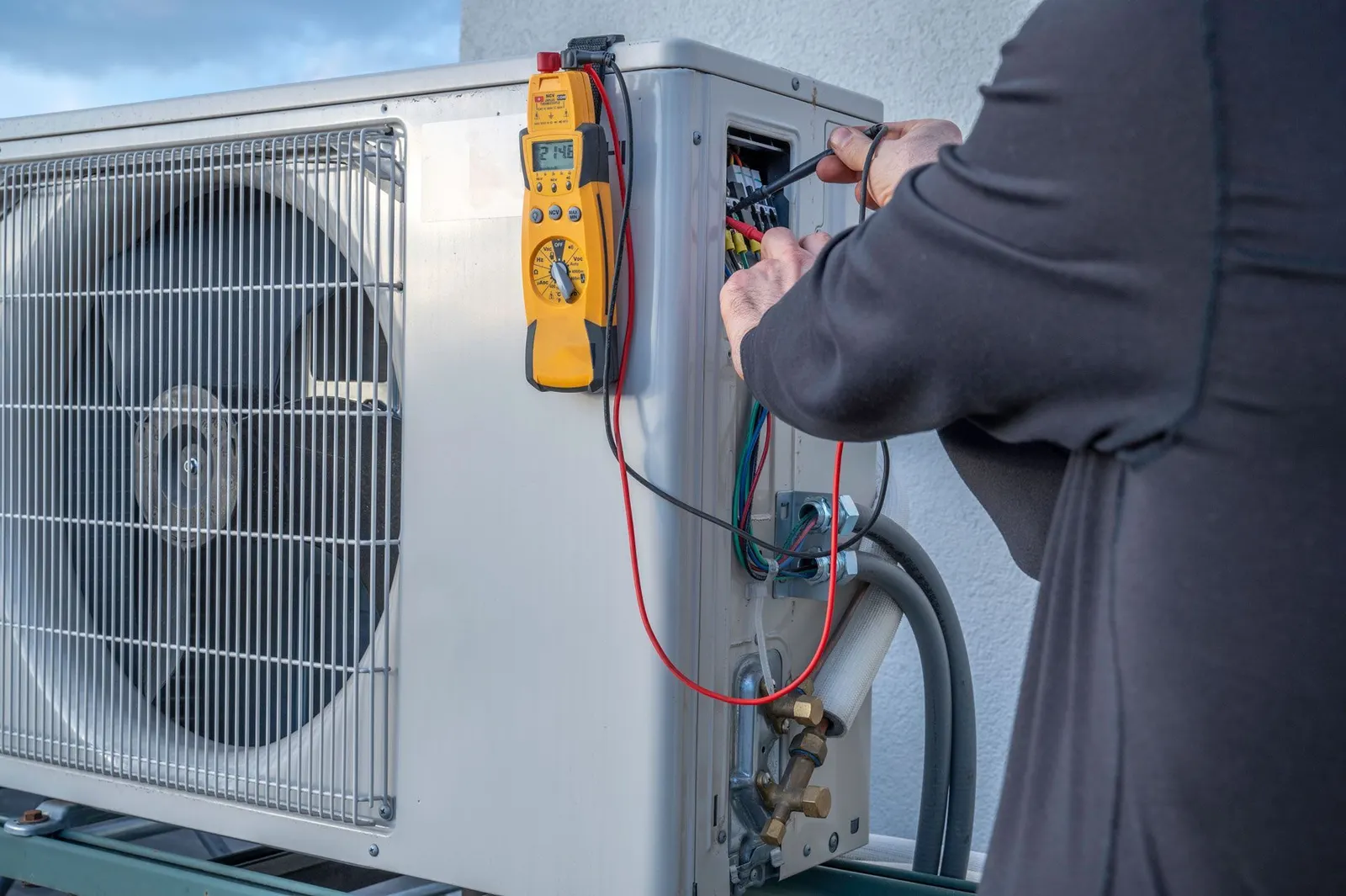
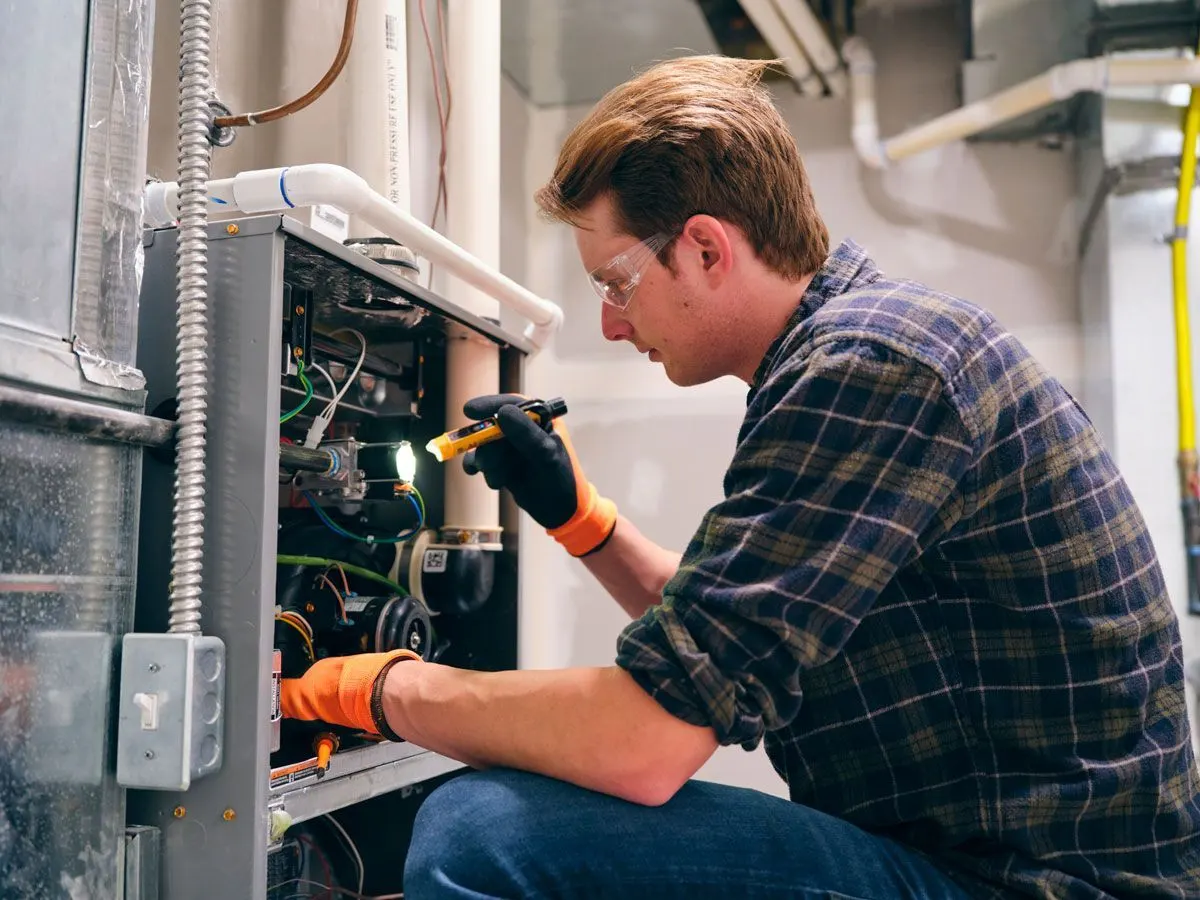
Routine HVAC maintenance clears out off-season dust, checks critical electrical connections, and ensures all safety mechanisms are functioning properly. A professional diagnostic process involves testing the system's limits, measuring electrical draw on motors, and inspecting heat exchangers for microscopic stress fractures before the deep freeze arrives.
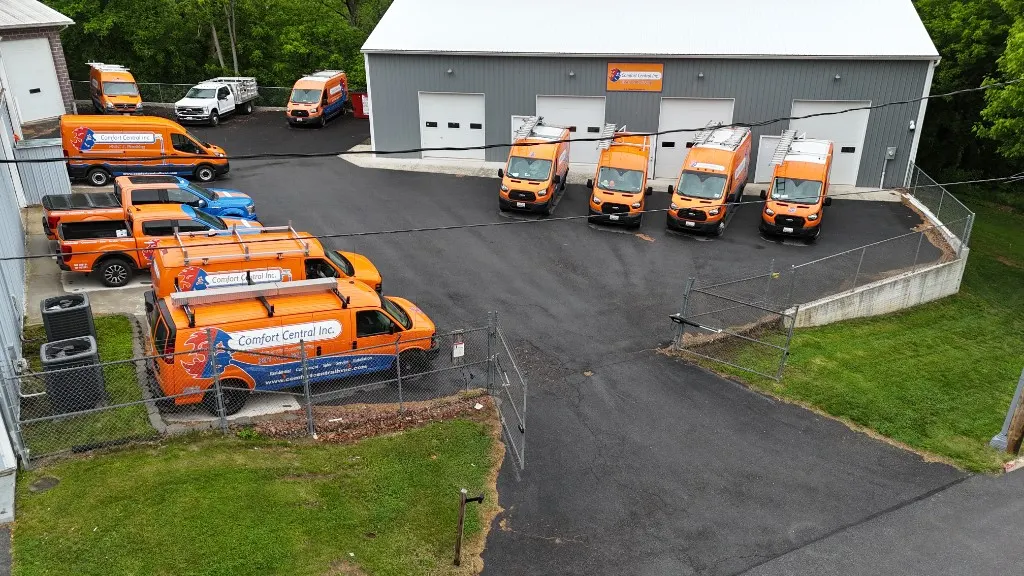
When you call our team at Comfort Central Inc., you receive a commitment to honest diagnostics. Our goal is to help homeowners determine if a system truly needs replacement or if a simple tune-up will extend its life safely, entirely free of high-pressure sales tactics. Whether our verdict is scheduling routine HVAC maintenance or planning for a new installation, an objective assessment provides the peace of mind you need as November pre-winter cold snaps approach.
Frequently Asked Questions About HVAC System Longevity
How often should an HVAC system be replaced?
Most residential HVAC systems should be replaced every 10 to 20 years, depending on the equipment type. Furnaces generally last 15 to 20 years, while heat pumps and air conditioners average 10 to 15 years due to their heavier usage cycles. Consistent maintenance and regional climate factors heavily influence exactly when a replacement becomes necessary.
Is it worth repairing a 15-year-old furnace or heating system?
In most cases, sinking money into a major repair for a 15-year-old furnace is not recommended. At this age, the system has likely lost significant efficiency, and critical components like the heat exchanger are nearing the end of their safe operational life. Minor, inexpensive fixes may be worth it to bridge a single season, but major component failures warrant a full replacement.
How do I know if my HVAC needs replacing?
Signs that your HVAC system needs replacing include frequent and increasingly severe breakdowns, rising energy bills despite normal usage, and an inability to maintain comfortable indoor temperatures. Additionally, if the unit requires a repair that costs more than half the price of a new system, or if it relies on obsolete parts, replacement is the logical next step.
What is the average life of a heat pump compared to a furnace?
A heat pump typically lasts 10 to 15 years, whereas a gas or electric furnace can last 15 to 20 years. This difference exists because a heat pump operates year-round to provide both heating and cooling, subjecting its mechanical parts to continuous wear. A furnace only operates during the colder months, giving it a longer chronological lifespan.
Can routine maintenance actually extend the life of an older HVAC unit?
Yes, routine professional maintenance is proven to extend the functional life of an HVAC unit. Annual tune-ups reduce strain on the blower motor, ensure proper airflow, and catch minor electrical issues before they cause catastrophic component failure. While it cannot reverse age, maintenance ensures the system reaches its maximum possible lifespan safely.
Making a Confident, Data-Driven Heating Decision This Fall
Deciding between repair and replacement ultimately comes down to objective factors: the age of the equipment, the health of major components, and measurable performance metrics. Relying on a technical diagnostic framework ensures you aren't caught off guard when November pre-winter cold snaps push your system to its limits.
Our recommendation is to evaluate your equipment now, before extreme winter weather severely limits your options and causes scheduling delays. Seek an objective, professional diagnostic today to outline your best path forward and secure reliable, efficient warmth for the seasons to come.