
The Frustration of a Heating System That Won't Stay Running
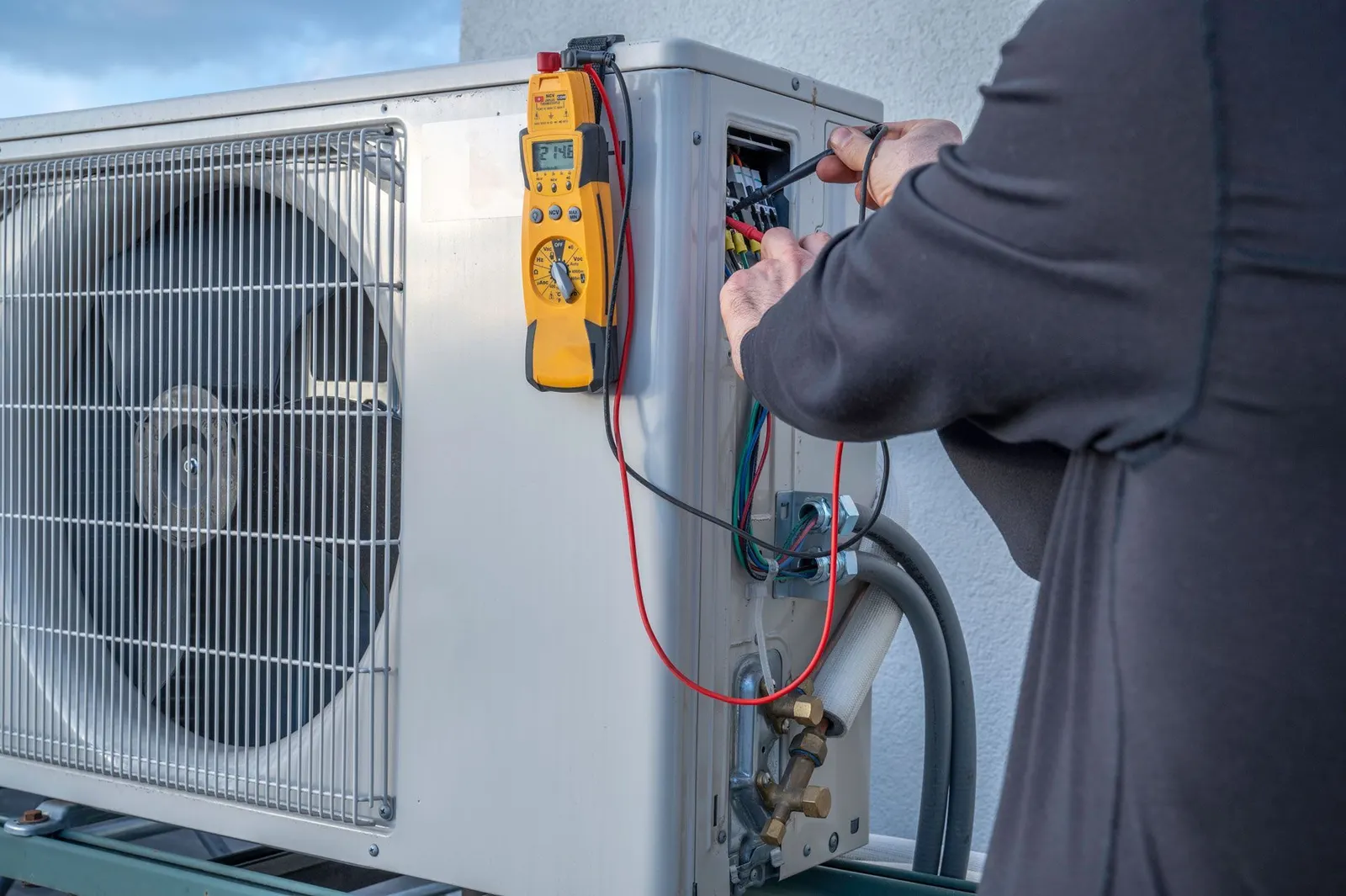
You turn on your heat for the first cold snap, but the system keeps shutting down before the house gets warm. At Comfort Central Inc., one of the most destructive problems we see homeowners face when looking for home maintenance tips and troubleshooting is this rapid on-and-off behavior—known as short cycling. During the November pre-winter heating season, dormant equipment is suddenly called into action. If your furnace or heat pump runs for just three to five minutes and then abruptly cuts out, it is not just failing to heat your home. It is actively damaging its own internal components.
Short cycling is a highly destructive symptom that requires immediate attention. Every time your system forces a startup sequence, it draws massive amounts of electrical current and places physical stress on moving parts. When this happens dozens of times an hour instead of the normal two or three, the wear and tear multiplies exponentially. Homeowners facing this issue must make an immediate decision: determine if the system is simply starved for air due to a clogged filter, or if it has triggered a mechanical safety lockout that requires professional diagnostics from our team.
Ignoring a system that refuses to stay running does not just cause immediate discomfort on a chilly evening. It permanently reduces the overall lifespan of your heating equipment, turning a system that should last decades into a constant source of breakdowns. If your system is constantly shutting down and you suspect it is time for an upgrade, learn more about professional AC installation and replacement.
The Baseline: Average Lifespans for Home Heating Equipment
In our years of serving Williamsport, MD, we tell our customers that before you can understand how a malfunction damages your equipment, you need to know what a normal lifespan looks like. Under optimal conditions, residential forced-air heating systems generally last 15 to 20 years. This is the industry standard benchmark, but it comes with several major caveats. That timeframe assumes the equipment receives regular maintenance, operates with proper airflow, and is sized correctly for the square footage of the home.
Lifespan is not just about calendar years. It is about the accumulation of operational wear and tear over thousands of heating and cooling cycles. Here is how a normal system life cycle progresses:
- The Break-In Phase (Years 1-3): The system is new, highly efficient, and parts are fully lubricated. Wear and tear is minimal as long as airflow remains unrestricted.
- The Stable Phase (Years 4-12): The system operates reliably, though minor components like capacitors or contactors may need replacement. Regular tune-ups keep the major parts functioning smoothly.
- The Aging Phase (Years 13-20+): Major components like the heat exchanger and compressor begin to show cumulative fatigue. Efficiency drops slightly, and the system becomes much more sensitive to skipped maintenance or airflow problems.
The transition from dormant off-season periods to active daily heating puts immense initial stress on the system. When you demand heat for the first time in late fall, the blower motor, ignition sequence, and heat exchanger must all perform perfectly in sync.
Industry Benchmarks vs. Real-World Reality
The Department of Energy and ASHRAE (American Society of Heating, Refrigerating and Air-Conditioning Engineers) provide these 15-to-20-year baselines based on controlled testing. In laboratory conditions, systems run in perfectly clean environments with flawless ductwork. However, our Comfort Central Inc. technicians know that in the real world, conditions often diverge sharply from these benchmarks. Dust buildup, forgotten air filters, and blocked vents force the system to work much harder than it was designed to. When a system is subjected to chronic stress, that 20-year expectation can easily drop to 10 or 12 years, forcing a premature and unexpected replacement.
How Chronic Short Cycling Accelerates Wear and Tear
To understand why turning on and off is so damaging, you have to look at the mechanical mechanics of an HVAC startup. The most stressful and energy-intensive part of any heating or cooling cycle is the moment it turns on. When the thermostat calls for heat, motors must overcome physical inertia, drawing a massive surge of electricity known as inrush current.
The Problem: When a system short cycles, the blower motor and compressor endure five to ten times the normal number of startup sequences per day. Instead of running a long, steady cycle to warm the house, the system constantly starts, stops, and restarts.
The Cause: This chronic starting and stopping is often triggered by overheating. If the system cannot move enough air, the internal temperature spikes, tripping a safety switch that shuts everything down. Once it cools off a few minutes later, the thermostat demands heat again, and the destructive loop repeats. In an area with demanding extremes—like Williamsport's transition from hot, humid summers directly into freezing winters—shared blower components rarely get an off-season. They run almost year-round, making them highly susceptible to wear if they are forced to short cycle.
The Solution: Breaking the cycle requires finding the root cause of the airflow restriction or mechanical failure. Homeowners must address the issue immediately to protect the equipment. Chronic short cycling can shave years off an expected 15-20 year lifespan. In one recent case, our team helped a local homeowner dealing with an aging system last fall and found that constant short cycling had completely worn out the internal components, leading to a full system replacement just as the cold weather hit. If you have ever wondered why your AC cools then stops cooling during the summer, the exact same mechanical stress applies to your heating system in the winter.
The Toll on Blower Motors and Compressors
The electrical and mechanical strain of constant starting and stopping is immense. We often compare this wear to driving a car. A vehicle driven exclusively in stop-and-go city traffic will wear out its brakes, starter, and transmission much faster than a car driven on the open highway, even if the mileage is the same. Residential forced-air heating systems are designed for "highway driving"—long, steady cycles. Short cycling forces them into endless stop-and-go traffic.
Safe Homeowner Troubleshooting: Ruling Out Airflow Restrictions
Before assuming your system is permanently broken, there are safe, actionable steps you can take. Restricted airflow is the leading cause of system overheating, which triggers a protective shutdown. When the furnace cannot push hot air into the home, that heat builds up inside the metal cabinet until a high-limit switch cuts the power to prevent a fire.
During the November pre-winter heating season, our team recommends safely ruling out basic airflow issues with this checklist:
- Inspect and replace the air filter: Check the filter immediately, especially if it has not been changed since the cooling season ended. A filter caked in summer dust and pet dander acts like a solid wall, suffocating the blower motor.
- Verify open vents and registers: Walk through every room in your house to ensure all supply vents and return grilles are fully open. Make sure no heavy furniture, rugs, or curtains are blocking the airflow. Closing vents in unused rooms actually increases pressure inside the ductwork and forces the system to work harder.
- Check thermostat placement and settings: Ensure your thermostat is set to "Heat" and the fan is set to "Auto." Verify that the thermostat is not receiving false readings from a nearby heat source, like a space heater, a sunny window, or a warm kitchen appliance, which could cause it to shut the system off prematurely.
The Air Filter's Role in System Longevity
A clogged filter forces the blower motor to pull harder to circulate air, increasing electrical consumption and internal operating temperatures. Regular filter changes are the single most effective way a homeowner can extend the lifespan of their equipment. Keeping the air path clear prevents the unit from overworking. If you want to ensure your system is breathing properly before winter, scheduling professional AC maintenance and tune-ups can catch airflow issues before they cause a breakdown.
The Danger Zone: Understanding Mechanical Safety Lockouts
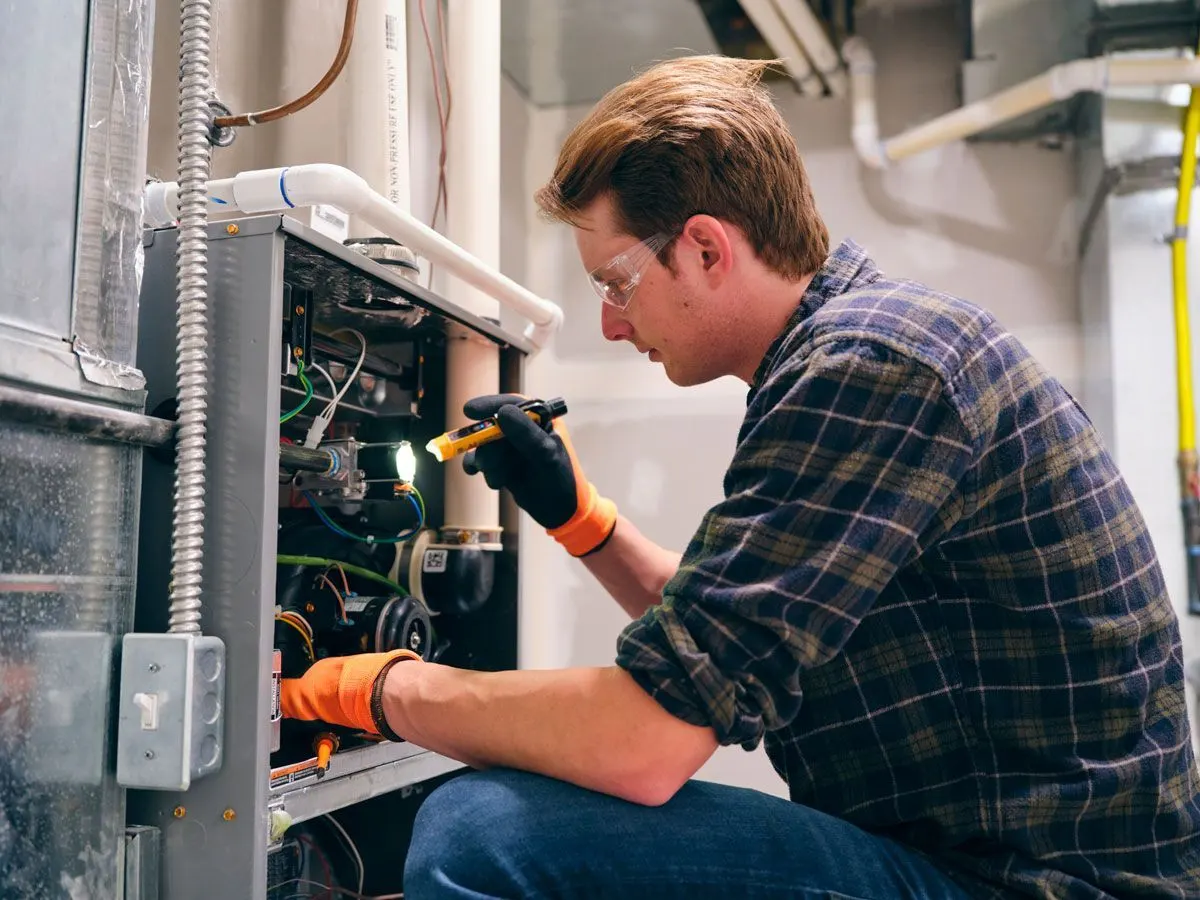
There is a firm boundary where safe homeowner troubleshooting must end and professional intervention begins. If you have changed the filter, opened all the vents, and checked the thermostat, but the system still short cycles, you have likely entered the danger zone of a mechanical safety lockout.
A safety lockout is a built-in protective mechanism engineered into modern heating equipment. The system's control board continuously monitors various sensors during operation. If a sensor detects a dangerous condition—like an overheating cabinet, a gas valve that opened without a flame, or an exhaust flue that is not venting toxic gases—the control board immediately shuts the system down to prevent catastrophic damage, fire, or carbon monoxide leaks.
As we prepare homes for the winter chill, the most common triggers for lockouts we encounter during the November pre-winter heating season include dirty flame sensors, failing high-limit switches, or a malfunctioning draft inducer motor. You must strictly avoid attempting to bypass these safety switches. Never open the sealed furnace cabinet to tinker with electrical components, and do not repeatedly reset a system that continues to lock out. Repeated lockouts indicate a serious underlying mechanical failure that requires licensed diagnostic tools to resolve safely.
When to Stop Troubleshooting
Stop all DIY efforts immediately if you notice any of these symptoms. If the system locks out after three failed ignition attempts, if you smell unusual odors like burning plastic or raw gas, or if you hear strange grinding or banging noises from the cabinet, turn the unit off at the thermostat. Forced-air heating systems utilize high-voltage electricity and combustible gases. Always prioritize safety and call a licensed technician when a system repeatedly protects itself by shutting down.

Evaluating an Aging System: The Repair vs. Replace Framework
When a system suffers from frequent short cycling or continuous lockouts, you eventually face a difficult decision: is it worth repairing, or is it time for a replacement? Making this choice requires an objective framework rather than guesswork.
One of the most important factors is the frequency of repairs. If a system requires multiple professional interventions per season just to stay running, its core components are likely failing. Applying major repair investments to a system past the 12-to-15-year mark often yields diminishing returns. Additionally, older units that constantly short cycle suffer from severe efficiency degradation, consuming significantly more energy to produce less heat.
Working with a team like ours at Comfort Central Inc. that provides an objective, honest diagnostic framework is essential. We prioritize evaluating the actual condition of your aging system over pushing for an immediate, unnecessary replacement. In one recent pre-winter evaluation, we gave a Williamsport homeowner a clear, honest breakdown of their equipment's condition, allowing them to gain clear insight into the lifespan and precise needs of their unit before making a choice.
Objective Criteria for Making the Call
The decision should always be based on objective data like age, repair history, and overall efficiency. If you need a professional assessment to determine the health of your equipment, explore our AC repair services in Williamsport.
| System Condition | Targeted Repair Focus | Replacement Consideration |
|---|---|---|
| Under 10 Years Old | Highly recommended. Usually involves replacing a single failed sensor or clearing an airflow blockage. | Rarely necessary unless the heat exchanger is cracked or the compressor has catastrophic failure. |
| Frequent Breakdowns (Multiple per season) | Short-term fix. Repairs will restore function temporarily but won't stop the cascade of failing parts. | Strongly recommended. Reinvesting repair funds into a new, reliable system offers better long-term value. |
| Over 15 Years Old | Only recommended for very minor, inexpensive parts (like a basic capacitor). | The most logical choice. Upgrading restores efficiency, safety, and provides a fresh warranty. Generous tax credits and utility incentives may also apply to qualifying heat pump installations. |
Frequently Asked Questions About HVAC Lifespans and Short Cycling
Does short cycling ruin a furnace?
Yes, chronic short cycling drastically accelerates wear and tear on a furnace. Our technicians frequently see that the system draws the most power and endures the most physical stress during the startup sequence. When a furnace turns on and off constantly, components like the blower motor, igniter, and heat exchanger are forced to work several times harder than normal. Over time, this constant thermal expansion and mechanical strain will cause major parts to fail prematurely, significantly reducing the lifespan of residential forced-air heating systems.
Why is my heat pump turning off before the house is warm?
Your heat pump is likely shutting off early due to restricted airflow or a thermostat issue. If the air filter is completely clogged, the indoor coil cannot transfer heat effectively, causing internal temperatures or pressures to spike and triggering a safety shutdown. Alternatively, if the thermostat is located near a heat source—like a sunny window or a warm lamp—it may register that the room is warm enough and shut the heat pump off while the rest of the house remains cold.
What is an HVAC safety lockout?
An HVAC safety lockout is a built-in protective mode that shuts your heating system down completely to prevent dangerous conditions. The system's control board monitors various sensors, such as the flame sensor, limit switch, and pressure switch. If it detects a problem—like a cabinet that is overheating or a gas valve that is open without a flame—it cuts the power to prevent fires, equipment damage, or carbon monoxide leaks. A lockout requires a licensed professional to diagnose and safely reset.
Can a dirty air filter cause my heating system to shut off early?
Absolutely. A dirty air filter is one of the most common causes of a heating system shutting off prematurely. When the filter is packed with dust and debris, the blower motor cannot pull enough air through the system. Without adequate airflow to carry the heat away, the heat exchanger overheats rapidly. The system's high-limit switch detects this dangerous temperature spike and shuts the furnace down to prevent a fire hazard.
How long should a normal heating cycle last in cold weather?
In cold weather, a properly sized and fully functioning heating system should run for about 15 to 20 minutes per cycle. It typically completes two to three cycles per hour to maintain a consistent indoor temperature. If your system is running for less than five minutes before shutting down, it is short cycling. If it runs continuously for hours without ever reaching the set temperature, the unit may be undersized, lacking refrigerant, or dealing with severe ductwork leaks.
Securing Your System's Future and Reliability
Understanding why short cycling occurs is the first step in protecting your equipment's longevity. When you hear your system rapidly turning on and off during the November pre-winter heating season, you now know that it is enduring massive mechanical strain. Replacing a dirty filter or unblocking a return vent is a simple, safe step you can take right now to restore proper airflow.
However, ignoring repeated safety lockouts is a costly mistake that can destroy your heat exchanger and blower motor. If your aging system is struggling to maintain consistent cycles despite a clean filter, it is time to seek an objective, professional evaluation. When our Comfort Central Inc. technicians perform a proper diagnostic assessment, we map out the true condition of your equipment, allowing you to make a smart choice about repairs. To learn more about keeping your system running reliably all year long, explore our comprehensive air conditioning services. We are here in Williamsport to provide the clear, actionable explanations and professional diagnostics you need to keep your home comfortable and safe.