
Navigating the Fall HVAC Stress Test: Is It Just Dust or Something Worse?
When the first chilly morning of the September transition hits and your vents emit an unfamiliar burning smell, having reliable home maintenance tips and troubleshooting strategies becomes an immediate priority. You turn on the heat to take the bite out of the air, only to hear strange popping noises and smell what seems like burning dust. The immediate frustration is palpable: is your system failing right as the seasons change? This dilemma is incredibly common during the September transition with cold mornings and warm afternoons, where you might need heating at dawn but rely on your air conditioner by 3 PM. Here at Comfort Central Inc., our dispatch board lights up every fall with Williamsport homeowners experiencing this exact scenario.
For homeowners, the core challenge is distinguishing between normal seasonal burn-off and the early warning signs of a major component failure. A brief odor might just be settled dust, but persistent issues could indicate that your aging system is reaching the end of its functional life. Understanding how seasonal transitions impact your equipment is the first step in diagnosing these early fall quirks. If you are looking to ensure your system is ready for the unpredictable weather ahead, exploring comprehensive Air Conditioning Services can provide the baseline support you need to keep your home comfortable year-round.
The Baseline: Average Life Expectancy for HVAC Systems
Before diving into specific troubleshooting steps, it helps to understand the objective lifespan of your heating and cooling equipment. According to authoritative data from the Department of Energy and ASHRAE, different components have distinct life expectancies under optimal conditions.
National Averages for Heating and Cooling
Central air conditioners and heat pumps typically last between 15 and 20 years. Because these systems handle both the heavy lifting of summer heat and, in the case of heat pumps, winter cold, their compressors endure significant mechanical wear. Furnaces, on the other hand, often boast a slightly longer operational window. Depending on the specific fuel type—such as natural gas or electricity—and the consistency of maintenance, a furnace can typically last anywhere from 15 to 30 years.
Key factors that influence these baseline numbers include:
- Sizing accuracy: Systems that are too large or too small for the home will short-cycle, wearing out components prematurely.
- Installation quality: Proper ductwork design and correct refrigerant charges on day one set the stage for long-term health.
- Filter hygiene: Consistently clean filters reduce static pressure, keeping the blower motor from overworking.
How Local Weather Shifts the Averages
It is crucial to remember that these numbers represent national averages under ideal, well-maintained conditions. Local environment drastically alters these baseline expectations, and our technicians at Comfort Central Inc. see this reality every day. In Williamsport, demanding seasons featuring hot, humid summers and freezing winters require systems to run heavily year-round. This relentless workload often pushes local equipment toward the lower end of those national lifespan averages. When your system rarely gets a true "off" season, the baseline life expectancy naturally shrinks unless rigorous, proactive maintenance is applied.
Why Early Fall Fluctuations Accelerate System Wear
The transition from summer to winter is rarely a smooth glide path. The mechanical stress that occurs when systems are forced to switch between heating and cooling in a 24-hour period is a primary driver of accelerated wear.
The Problem: Daily Temperature Swings
In Williamsport and surrounding Washington County, early fall weather is notoriously unpredictable. You might wake up to frost on the grass, requiring the furnace to kick on, only to see afternoon temperatures climb high enough to make the house stuffy and uncomfortable. This forces your HVAC system to run heating cycles in the early morning and cooling cycles by mid-afternoon.
The Cause: Mechanical and Electrical Strain
This rapid switching creates immense mechanical strain. The physical components of your system—like the heat exchanger, ductwork, and blower motor—are expanding and contracting repeatedly as temperatures fluctuate. Furthermore, the increased cycle counts during unpredictable weather stress aging electrical components. Capacitors and contactors that worked overtime during the peak summer heat are given no time to recover before being thrust into the heating season. Neglected summer wear and tear compounds rapidly when the system is forced into heating mode without a proper transitional tune-up.
The Solution: Pre-Season Preparation
Mitigating this stress requires proactive intervention. By addressing the lingering effects of summer before the deep winter freeze arrives, you can prevent minor electrical fatigue from turning into a complete system failure. For more insights on protecting your equipment during these volatile weather shifts, read our guide on keeping your HVAC emergency-free.
Normal Quirks vs. Lifespan-Ending Symptoms
When you turn your system on during the fall transition, it will likely make noises and produce smells. Providing clear, objective diagnostic criteria helps you distinguish between harmless seasonal startup issues and critical failures.
| Symptom | Likely Cause | Severity Level | Required Action |
|---|---|---|---|
| Brief burning dust smell | Settled dust burning off the heat exchanger | Normal / Low | Monitor; should dissipate in 1-2 hours |
| Minor popping noises | Metal ductwork expanding with temperature changes | Normal / Low | None; normal thermal expansion |
| Persistent electrical odor | Overheating wires or failing blower motor | Critical / High | Turn off system; call a professional |
| Grinding metal noises | Worn bearings or failing compressor components | Critical / High | Turn off system; call a professional |
| Short-cycling | Airflow restriction, failing thermostat, or refrigerant issue | Critical / High | Inspect filter, then call a professional |

When to Wait It Out
Not every odd behavior requires an emergency visit. A brief burning dust smell is incredibly common. Over the summer, dust settles on the furnace burners and heat exchanger. When you ignite the furnace for the first time, this dust simply burns off. This odor should dissipate within the first few hours of operation. Additionally, always ensure your air filters are clean before assuming a larger problem exists; a severely clogged filter can mimic the symptoms of a failing blower motor.
When to Call a Professional
If smells persist beyond a day, or if the system repeatedly fails to reach the thermostat set point, you need expert intervention. One of the most dangerous symptoms is short-cycling—the system turning on and off rapidly without completing a full temperature cycle. Ignoring short-cycling drastically reduces the remaining lifespan of both the compressor and the blower motor, as the system draws massive amounts of electricity during startup. If you notice these warning signs, securing professional AC repair early on can prevent a minor electrical fault from cascading into total system failure.
Honest Diagnostics: The Repair vs. Replace Framework
Facing a malfunctioning HVAC system in the fall can be stressful, but having an objective framework for evaluating an aging system empowers you to make the right decision for your home.
Applying the 5,000 Rule
Industry experts often reference the "5,000 Rule" as a baseline gauge for repair decisions. To use this framework, multiply the age of your equipment by the estimated repair cost. If the resulting number exceeds a certain threshold—usually indicating that the repair costs are disproportionately high compared to the remaining life of the unit—a replacement is likely the more economical choice. Conversely, if the unit is relatively young and the repair is minor, fixing the system makes perfect sense.
Evaluating Long-Term Efficiency
You must also weigh the impact of frequent breakdowns on long-term costs versus the efficiency gains of modern systems. An older unit might technically still run, but if it requires ongoing emergency visits and struggles to maintain temperature, it is draining your energy budget. Modern, high-efficiency systems consume significantly less power, often offsetting their installation costs over time. Furthermore, generic energy rebates or federal tax credits are frequently available for qualifying high-efficiency upgrades, making a transition more accessible. Always verify current programs and eligibility locally with your utility provider or a tax professional.
The Value of Honest Assessments
A fall breakdown does not automatically necessitate a full replacement if the core components remain sound. Just last season, our team at Comfort Central Inc. had a local Williamsport homeowner reach out with concerns about an aging HVAC system that seemed to be struggling during the seasonal transition. Instead of pushing an immediate replacement, our technician thoroughly assessed the equipment and provided an honest breakdown of what the system actually needed to keep running safely. We emphasize this commitment to honest diagnostics, helping you understand exactly what your aging system needs to maximize its remaining lifespan rather than using fall startup issues as an excuse to push premature replacements. If your system is truly at the end of its life, exploring AC installation and replacement options with a trusted advisor ensures you make a confident, pressure-free choice.
Proactive Steps to Maximize Your Remaining HVAC Lifespan
Based on our years of maintaining HVAC systems across Williamsport, you do not have to sit back and wait for your system to fail. Taking actionable, non-DIY steps to maintain the system through the fall transition will significantly extend its functional life.
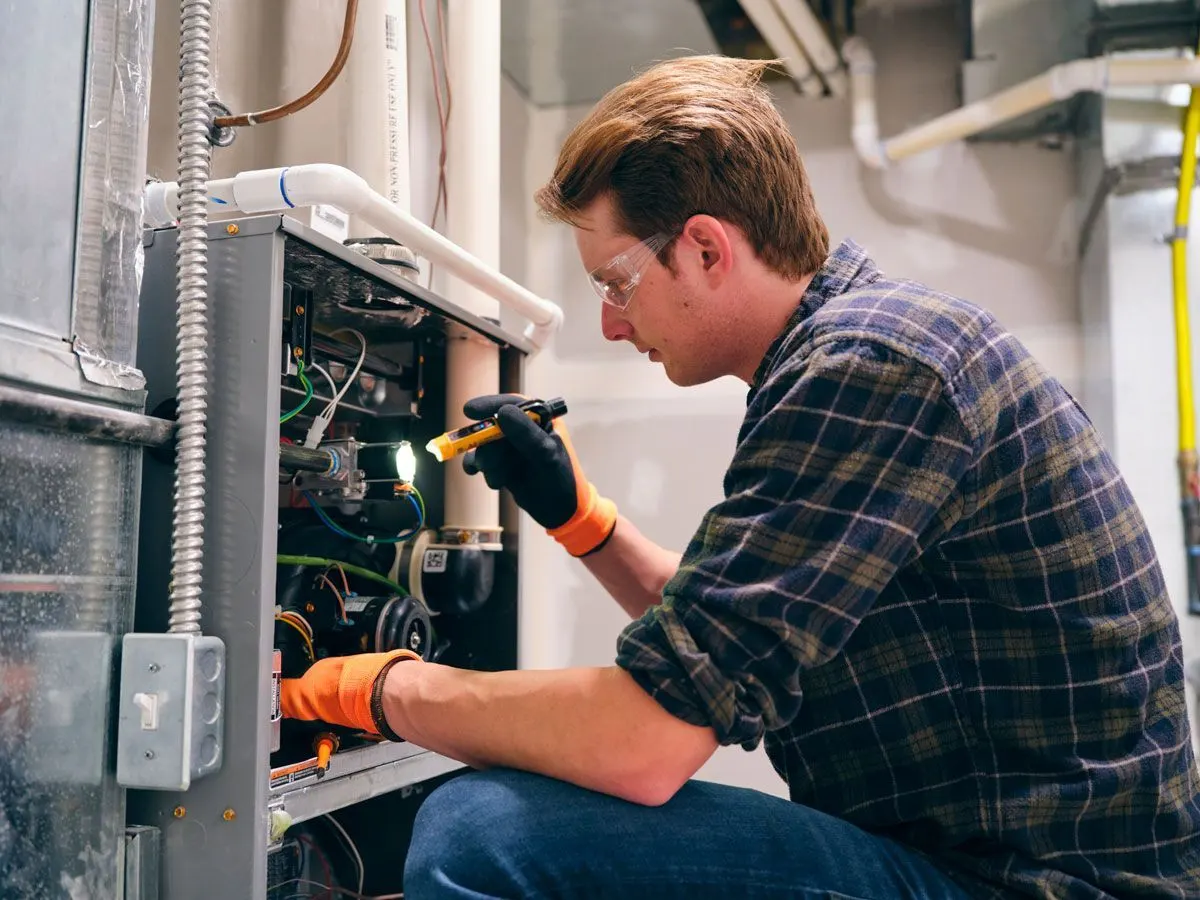
- Schedule bi-annual professional tune-ups: Having a technician inspect your system in the spring and the fall is the single most effective way to mitigate heavy seasonal wear. These visits catch loose electrical connections, test safety switches, and ensure the heat exchanger is uncompromised before the heavy winter workload begins.
- Change air filters consistently: A dirty filter forces the blower motor to work twice as hard to pull air through the system. This airflow restriction leads to overheating and premature motor failure. Check your filter monthly during the transitional seasons and replace it as soon as it looks visibly gray or clogged.
- Clear the outdoor unit of debris: Falling autumn leaves, twigs, and overgrown vegetation can choke the outdoor compressor. Keep a two-foot clearance around the exterior unit to maintain proper airflow. Restricted airflow at the condenser level drastically reduces efficiency and increases operating temperatures, stressing the compressor.
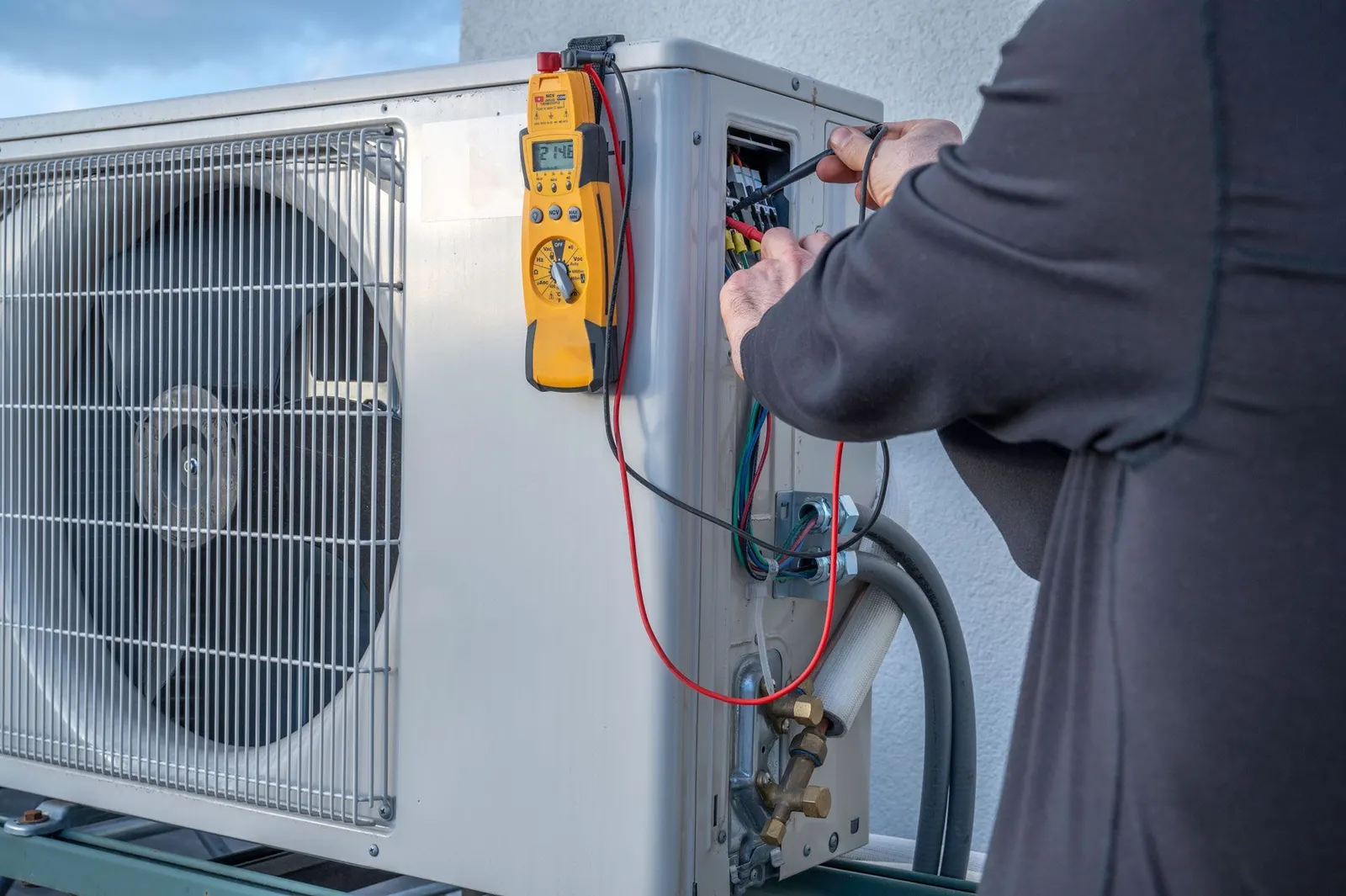
- Invest in routine AC maintenance: A professional assessment before the deep winter can catch minor electrical or mechanical issues early. Technicians have the specialized tools to test capacitor loads and check refrigerant levels—tasks that require licensing and training to perform safely.
Frequently Asked Questions About HVAC Lifespan and Fall Maintenance
What is the average lifespan of an HVAC system?
The average lifespan of a central air conditioner or heat pump is 15 to 20 years, while furnaces typically last 15 to 30 years depending on the fuel type. These averages assume the system receives consistent, professional maintenance and operates under normal conditions. In regions with extreme weather swings, heavy year-round usage can push equipment toward the lower end of these ranges. Proper sizing and initial installation quality also play major roles in determining how long the unit will survive.
How do I know if my HVAC needs replacing?
You know your HVAC needs replacing when repairs become frequent, energy bills spike inexplicably, and the system struggles to maintain a consistent temperature. A good rule of thumb is to weigh the estimated repair cost against the age of the unit; if the repair is exceptionally expensive and the unit is over 15 years old, replacement is usually wiser. Additionally, critical failures like a cracked heat exchanger or a dead compressor in an aging system almost always justify a full replacement.
Is a 20-year-old HVAC still good?
A 20-year-old HVAC system is generally considered to be at or past the end of its expected operational life. While it may still turn on and produce conditioned air, it is likely operating at a severely reduced efficiency compared to modern standards, costing you more in monthly utility bills. Furthermore, finding replacement parts for two-decade-old systems can be difficult and expensive, making preventative upgrades a smarter financial move before a total breakdown occurs.
Why does my heater smell like burning dust in the fall?
Your heater smells like burning dust in the fall because particles of dust, pet dander, and debris settle on the furnace heat exchanger and burners during the dormant summer months. When you ignite the system for the first time in autumn, this settled material burns off, creating a distinct, temporary odor. This is a completely normal seasonal quirk and should naturally dissipate within one to two hours of continuous operation.
Can lack of maintenance ruin an HVAC system?
Yes, a lack of consistent maintenance is one of the fastest ways to ruin an HVAC system. Skipping tune-ups allows minor issues—like a clogged filter, a failing capacitor, or a dirty flame sensor—to compound into catastrophic mechanical failures. Without regular professional cleaning and inspection, systems have to work harder to push air, which accelerates wear and tear on the blower motor and compressor, ultimately shaving years off the equipment's lifespan.
What is the longest lasting HVAC system?
Geothermal heat pumps are widely considered the longest-lasting HVAC systems on the market, with indoor components lasting up to 25 years and underground loop systems lasting 50 years or more. Among traditional setups, high-quality gas furnaces paired with well-maintained central air conditioners tend to offer exceptional longevity. Regardless of the technology, the longest-lasting system is always the one that was correctly sized for the home, installed by licensed professionals, and maintained bi-annually.
Ensure Your System is Ready for the Winter Ahead
Understanding the difference between normal startup quirks and genuine mechanical issues is the key to maintaining peace of mind as the seasons shift. While a brief burning smell on a chilly September morning is usually nothing to worry about, ignoring persistent odors or short-cycling can lead to costly winter breakdowns. We encourage you to seek professional, honest diagnostics to ensure your equipment is safe, efficient, and prepared for the upcoming cold. Taking proactive steps now protects your investment and ensures your home remains comfortable no matter what the weather brings.