
The First Chilly Morning: Why Your Vents Smell Like They're Burning
You switch your thermostat from cooling to heating for the first time this fall, and almost immediately, a harsh burning smell fills the house. Among the most common homeowner questions answered by our team at Comfort Central during this seasonal shift is whether this alarming odor means the entire heating system is on the verge of failure. It is a jarring experience to expect warm, comfortable air and instead be greeted by the scent of something seemingly catching fire inside your ductwork.
While strange smells often cause homeowners to question if their system is dying, not all odors indicate a failing unit. The September pre-heating transition is notorious for producing these sensory alarms. Proper diagnostics are key to understanding the health and remaining years of the equipment. Distinguishing between harmless seasonal dust and serious electrical issues is the first step in protecting your home and your investment. If you are already evaluating the overall condition of an aging system, exploring options for AC installation and replacement can provide a helpful baseline for what to expect.
How Long Do HVACs Last, and Do Weird Smells Mean It's Dying?
When a sudden, strange odor emerges from the vents, the immediate fear is often that the system has reached the end of the line. In our experience servicing homes throughout Williamsport, the baseline expectation for a well-maintained HVAC system is a lifespan of 15 to 20 years. As these complex mechanical systems age, they naturally exhibit more quirks, but a single startup odor during the September pre-heating transition does not automatically mean the unit is destined for the scrap heap.
The variables that dictate lifespan:
- Proper Initial Sizing: Systems installed using precise Manual J and Manual D load calculations operate without short-cycling, reducing wear and tear on critical components.
- Installation Quality: Correct duct sizing and appropriate refrigerant charges from day one set the foundation for decades of reliable performance.
- Preventative Care: Scheduling routine AC maintenance and heating tune-ups ensures that minor issues are resolved before they cascade into major mechanical failures.
These same factors directly affect how efficiently the system handles seasonal transitions. We typically see that a system that has been properly maintained experiences a much milder dust burn-off than one that has been neglected. However, ignoring persistent, acrid smells can lead to catastrophic component failure. If an electrical issue is masked as normal dust burn-off, the resulting damage can significantly shorten the system's life, turning a manageable repair into a premature replacement scenario.
The Science of Summer Dust and Your Heat Exchanger
The Problem: You turn on the heat, and the house smells like a dusty attic that has been left in the sun. This phenomenon causes widespread panic every autumn, yet the underlying mechanism is entirely physical and highly predictable.
The Cause: During the cooling season, the indoor blower runs continuously to circulate conditioned air. Over months of summer cooling cycles, airborne particulates inevitably bypass even high-quality filters. Because the hot, humid Mid-Atlantic summers cause airborne particulates to stick more stubbornly to idle heating components, our technicians frequently see an excessive amount of dust settle directly onto the furnace's heat exchanger. The heat exchanger is a series of metal coils or tubes that separate the combustion process from your breathing air. When the thermostat calls for heat in the fall, these metal components reach incredibly high temperatures for the first time in months. The accumulated layer of organic matter instantly vaporizes.
The Solution: Understanding this process removes the mystery and the panic. The specific scent of organic dust burning off is often described as a dusty, slightly singed smell—similar to a hot hair dryer—but it is distinctly not chemical. This is a normal operational symptom and is not inherently dangerous to the equipment, provided it resolves quickly. Just as it helps to understand why your AC cools then stops cooling during the summer, knowing the mechanics of your heating system prevents unnecessary stress.
Why Idle Components Collect Debris
Even in the cleanest homes, indoor air quality plays a massive role in household dust accumulation. Pet dander, skin cells, textile fibers, and microscopic pollen are constantly circulating. The airflow dynamics during the cooling season dictate that a portion of this debris will bypass the filter. Because the heat exchanger sits idle and cold throughout the summer, condensation and humidity create a slightly tacky surface where these particulates settle and accumulate, setting the stage for the inevitable fall burn-off.
The Critical Benchmark: Normal Burn-Off vs. Danger
While organic dust vaporization is normal, it is vital to establish a strict, actionable timeline to monitor the situation safely. We always advise homeowners to never assume an odor is harmless without verifying it against this standard timeline.
- Establish the baseline: The golden rule of seasonal transitions is that normal dust burn-off is temporary. It should naturally dissipate quickly once the organic material has been fully vaporized from the heat exchanger.
- Monitor the operation: Leave the system running while monitoring the smell closely during this initial window. Do not leave the house or go to sleep while the system is undergoing its first heating cycle of the year.
- Ventilate the space: Open a few windows to help ventilate the harmless organic odors. This cross-breeze will clear the singed-dust smell from the living areas and make it easier to detect if the scent changes from dusty to chemical.
- Watch the clock: The critical proof point is the odor dissipating within 30 to 60 minutes. If the smell persists beyond this timeframe, or if it grows stronger and more acrid, the system must be shut down immediately at the thermostat and the breaker.

Warning Signs: When an Odor Signals Electrical Failure
If the scent coming from the vents does not match the description of singed dust, a much more serious issue is likely occurring. It is critical to differentiate between harmless particulate vaporization and dangerous electrical or component failures that require immediate professional intervention.
The scent of electrical failure: An electrical fire or melting component has a highly distinct, acrid smell. It is often described as melting plastic, pungent ozone, or burning rubber. These smells indicate wiring issues, a failing blower motor, or a burned-up capacitor. These are serious mechanical faults that directly threaten the lifespan of the entire system.
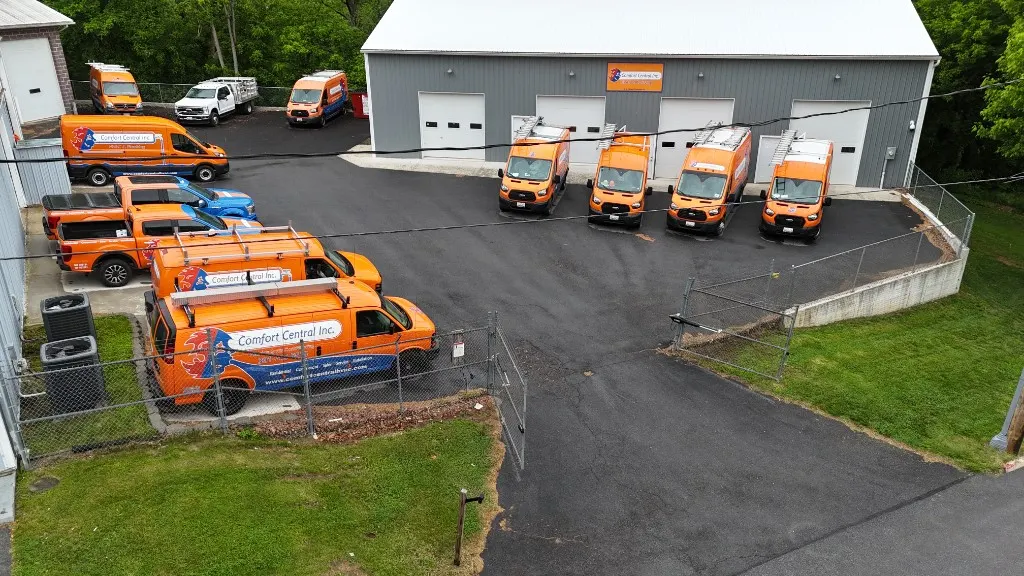
In one instance during a heavy summer demand period, our team responded to a Williamsport homeowner who experienced a burned-up capacitor on their indoor blower, resulting in a sudden system halt. One of our technicians arrived quickly, diagnosed the failing part, and replaced the capacitor from van stock, ensuring the blower was repaired within 30 minutes. Addressing electrical component failures promptly like this can save the broader system from needing a full replacement.
Immediate action required: If you detect these specific chemical smells, or if visible smoke is present, immediately turn off the thermostat and flip the breaker to the HVAC system. Do not wait for the odor dissipating within 30 to 60 minutes rule—chemical smells dictate an instant shutdown.
Common Electrical Culprits in Aging Systems
As HVAC units cross the decade mark, electrical components endure significant wear and tear. Failing blower motors often strain under the first heavy load of the season, overheating their internal windings and producing a sharp, metallic burning smell. Degraded wiring insulation and burned indoor blower capacitors are also frequent culprits, typically emitting a strong melting plastic odor when they fail.
Honest Diagnostics Over Premature Replacements
A common homeowner fear is that scheduling a service call for a burning smell will inevitably lead to a high-pressure sales pitch declaring their 15-year-old system completely dead. This apprehension often causes people to ignore warning signs, which ironically leads to the exact catastrophic failure they were trying to avoid.
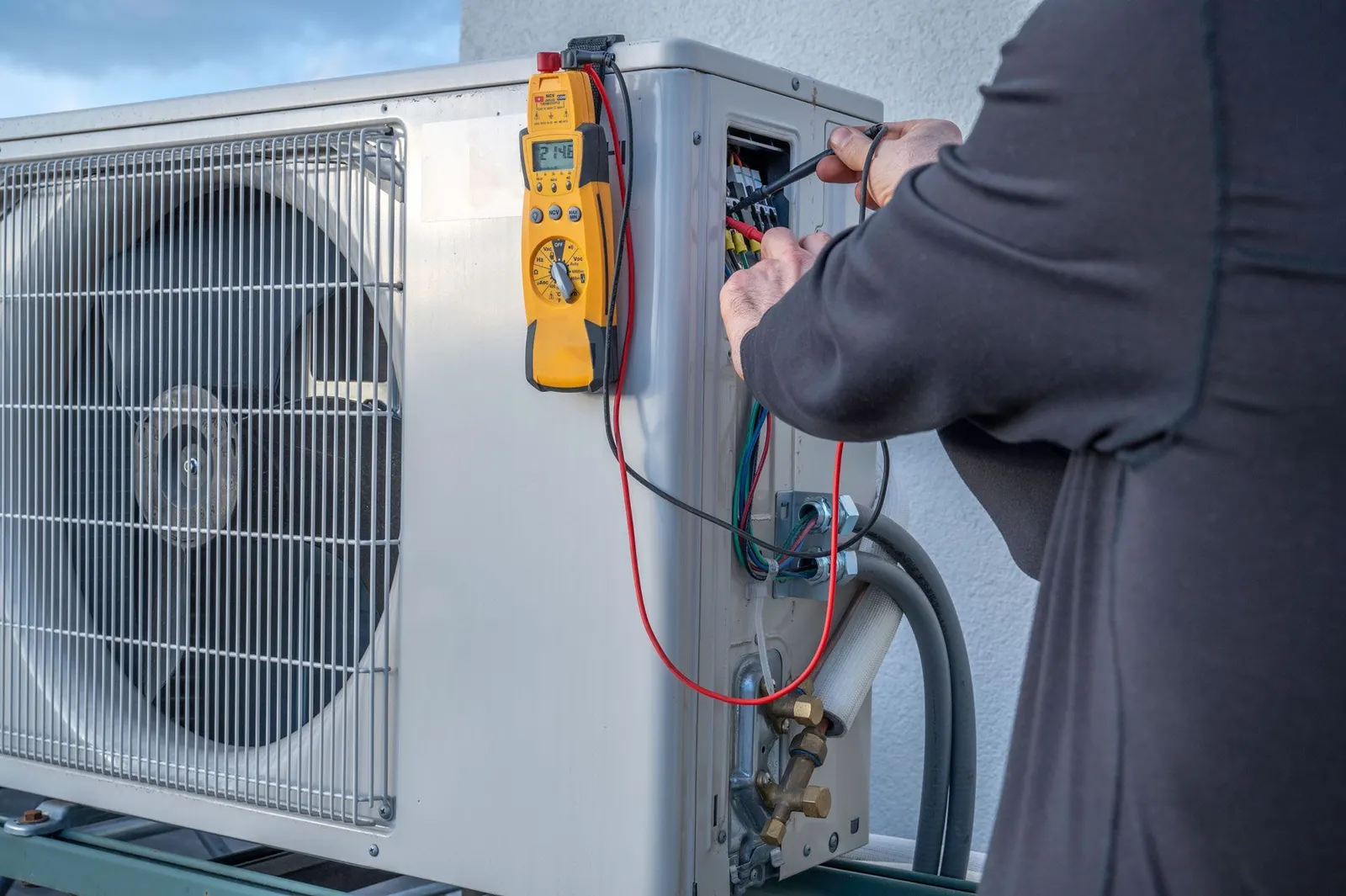
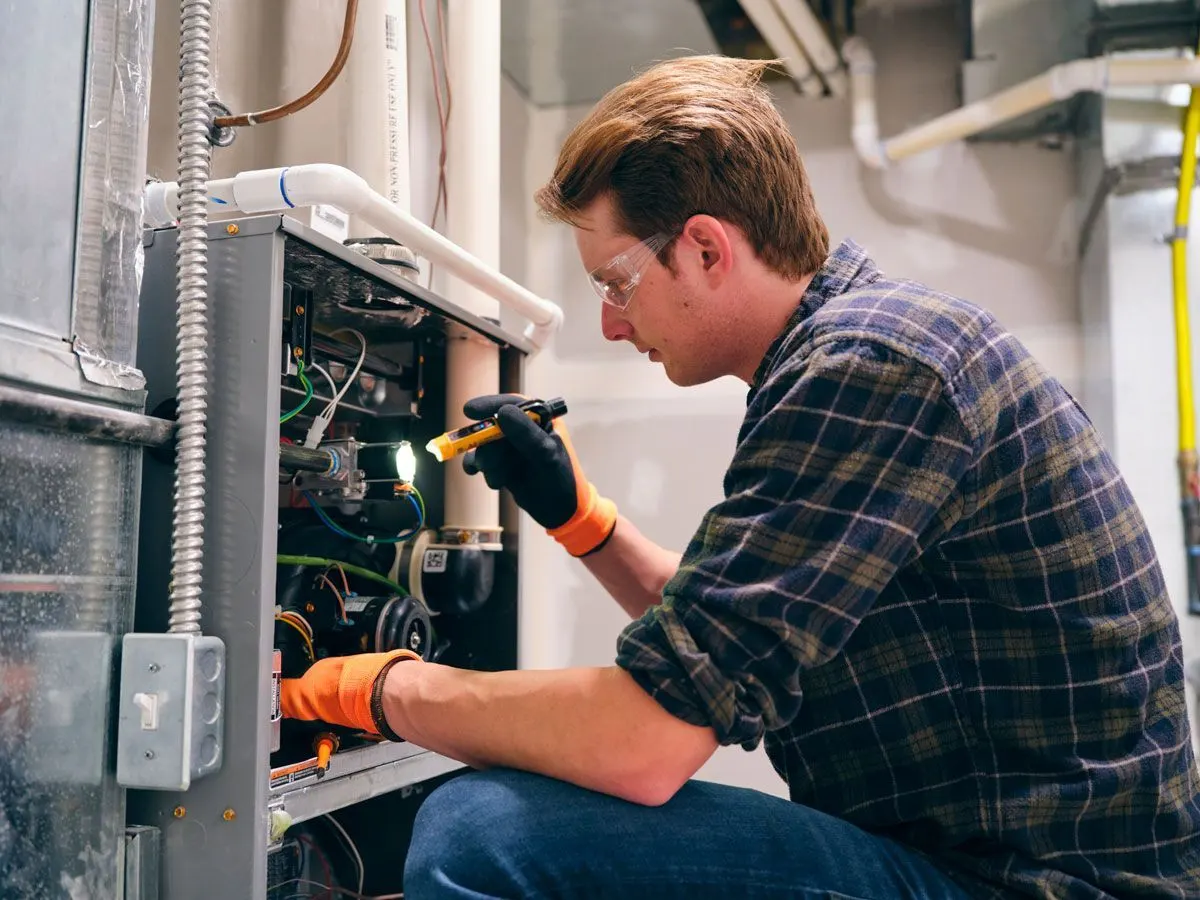
The value of technical diagnostics: Objective, technical diagnostics are required to determine if a simple part replacement can safely extend the unit's life. A professional technician will test the voltage of the blower motor, inspect the electrical contactors for pitting, and thoroughly examine the heat exchanger for hairline cracks. If an electrical issue is discovered, a homeowner must weigh the repair costs against the age of the system.
At Comfort Central, our family values and commitment to the Williamsport and tri-state area mean that we always provide homeowners with an honest repair-vs-replace assessment rather than a scare tactic. Our technicians prioritize safety and system longevity over unnecessary upgrades. Whether a system requires a minor wiring fix or comprehensive HVAC repair in Williamsport, our goal is always to restore safe operation while providing a transparent overview of the equipment's remaining lifespan.
Maximizing HVAC Lifespan Through Pre-Season Care
The best way to reach that optimal 15-to-20-year lifespan mark is through proactive, routine care rather than reactive emergency calls. We know firsthand that the dual-season extremes in Williamsport and the surrounding areas put year-round stress on equipment, making bi-annual maintenance non-negotiable for longevity. Preventing startup issues entirely is always preferable to diagnosing them after the fact.
Essential pre-season maintenance steps:
- Regular Filter Changes: Swapping out the air filter every 30 to 90 days prevents heavy dust buildup from entering the system in the first place, drastically reducing the severity of the September pre-heating transition burn-off.
- Professional Heat Exchanger Cleaning: A technician can safely clean the surface of the heat exchanger before the heating season begins, removing the summer dust layer manually rather than letting it burn.
- Electrical Connection Inspections: A comprehensive tune-up before the weather turns freezing ensures all electrical connections are tight, safe, and free of corrosion, preventing melting wires and ozone smells.
- Blower Motor Lubrication and Cleaning: Maintaining a clean system reduces the aerodynamic workload on the blower motor. A clean motor runs cooler, directly extending its operational life and preventing electrical strain.
Frequently Asked Questions About HVAC Lifespans and Startup Odors
Is it normal for a heater to smell like burning?
Yes, during the first use of the season, it is entirely normal for accumulated dust to burn off the heat exchanger. This organic dust settles on the internal components during the idle summer months. When the furnace ignites for the first time in the fall, that dust vaporizes, creating a temporary dusty or singed odor.
How long does the burning smell last when turning on the heat?
The odor should naturally dissipate within 30 to 60 minutes of the system running. If the smell is strictly organic dust, it will peak shortly after startup and fade steadily as the heat exchanger is cleared. If the smell persists beyond an hour, our team recommends calling for a professional investigation.
What does an electrical fire in a furnace smell like?
It smells acrid, like melting plastic, burning rubber, or ozone, and does not fade over time like organic dust. An electrical odor is sharp and chemical, often irritating the nose and throat. If you detect this specific scent, shut the system down immediately at the breaker.
Is dust burn-off dangerous for my HVAC system?
No, a brief burn-off of organic dust is not harmful, though excessive buildup can reduce efficiency over time. The brief vaporization process does not damage the metal heat exchanger. However, keeping the system clean through regular filter changes minimizes the amount of dust that burns off.
What is the longest lasting HVAC system?
Systems that are properly sized (Manual J/D) and receive bi-annual professional maintenance consistently outlast neglected units, regardless of the brand. A well-maintained system from a reliable manufacturer can comfortably reach 15 to 20 years of service, whereas a poorly installed or ignored system may fail in under a decade.
Protect Your System's Longevity This Fall
While a brief startup odor during the September pre-heating transition is usually a harmless quirk of seasonal change, the overall lifespan of your HVAC depends heavily on how well it is maintained year-round. Never ignore strange smells that persist beyond the normal burn-off window, and do not skip your seasonal check-ups. A proactive approach to system care ensures that minor electrical strains are caught before they become major hazards. Schedule a professional tune-up this fall to guarantee a safe, efficient winter, giving you confidence that your heating system is ready for the cold months ahead.