
The Sticky Reality of End-of-Season AC Struggles
As you work through your seasonal home maintenance checklist, you might notice a frustrating pattern that our team at Comfort Central Inc. sees frequently: your air conditioner runs for just a few minutes, blows some cold air, and then abruptly shuts off, leaving your house feeling heavy and humid. Your thermostat might register a slight drop in temperature, but the indoor atmosphere remains distinctly uncomfortable. This start-and-stop behavior is not just an annoyance; it is a mechanical distress signal indicating that your cooling system is failing to complete its intended cycle.
For comprehensive solutions and expert guidance, explore our air conditioning systems.
When late August heat settles in, the thermal mass of your home absorbs significant solar radiation throughout the day. To counteract this, your cooling equipment must operate efficiently and continuously. If the system is prematurely terminating its cycles, you face a critical decision point: do you push an underperforming unit through the final, grueling weeks of summer, or do you address the underlying issue before it cascades into a total system breakdown? Ignoring the problem often leads to higher utility bills and accelerated wear on expensive components.
This rapid on-and-off behavior is known in the HVAC industry as "short-cycling." It occurs when the system's compressor is forced to shut down before the cooling and dehumidification process is actually finished. While the indoor blower fan might continue to circulate air, the actual heat exchange has stopped. Understanding why this happens requires a closer look at the mechanical thresholds of your equipment and the environmental demands placed upon it.
Understanding the Mechanics of Short-Cycling
To grasp why your system is struggling, it helps to understand what a normal cooling cycle looks like. Under typical summer conditions, a properly sized air conditioner needs to run in continuous cycles of 15 to 20 minutes. This duration is not arbitrary; it is the exact amount of time required for the refrigerant to absorb indoor heat, transport it outside, and allow the evaporator coil to extract excess moisture from the air.
The mechanics of a short cycle: Short-cycling disrupts this delicate balance. Instead of a steady 20-minute run, the compressor might engage for three to five minutes and then suddenly power down. This rapid termination is usually triggered by the system's internal safety switches, which are designed to cut power when they detect abnormal pressure, extreme temperatures, or electrical irregularities. For a deeper dive into these mechanical safeguards, understanding why your AC cools then stops cooling is essential for proactive homeowners.
In our years of serving Williamsport MD, we know firsthand that high humidity levels demand optimal, uninterrupted cycle times to maintain indoor comfort. When the cycle is cut short, the system simply cannot perform its latent cooling function—the removal of airborne water vapor. The compressor shuts off prematurely, the fan continues to blow slightly cooled but highly humid air into your living space, and the indoor environment quickly degrades. Over time, this mechanical failure loop prevents the system from ever reaching a state of equilibrium.

Airflow Restrictions: The First Culprit to Check
When an air conditioner cools briefly and then stops, the most common and homeowner-accessible cause is severely restricted airflow. Your cooling system breathes in warm indoor air, passes it over a freezing-cold evaporator coil, and pushes the newly chilled air back into your rooms. If that airflow is choked off, the cold air becomes trapped inside the air handler.
This trapped cold air causes the internal temperature of the equipment to drop rapidly. Once the sensors detect that the coil is getting dangerously cold, they shut down the compressor to prevent catastrophic damage. By late August, after months of filtering out summer dust, pollen, and pet dander, airflow restrictions are incredibly common.
Safe troubleshooting steps for homeowners:
- Inspect the primary air filter: Locate your return air filter and pull it out. Hold it up to a light source. If you cannot see light passing through the media, the filter is clogged and must be replaced immediately.
- Check all return vents: Walk through your home and ensure that no furniture, rugs, or heavy drapes are blocking the large return grilles. The system needs to pull in enough air to balance the air it pushes out.
- Open supply registers: Closing vents in unused rooms does not save energy; it increases static pressure inside the ductwork, which chokes the blower motor and contributes to short-cycling. Ensure at least 80% of your supply vents are fully open.
- Clear the outdoor unit: Ensure the outdoor condenser is free of tall grass, encroaching bushes, and debris. The system needs a two-foot clearance on all sides to exhaust the heat it removes from your home.
Checking and replacing your air filters is the most critical first step you can take. However, if you have verified that the airflow is completely unobstructed and the system continues to short-cycle, do not attempt DIY electrical or mechanical repairs. The issue likely lies deeper within the system.
| Airflow Condition | System Behavior | Impact on Comfort |
|---|---|---|
| Normal Airflow (Clean Filter) | 15-20 minute continuous cycles | Crisp, dry, and consistently cool air |
| Mild Restriction (Dusty Filter) | Longer run times, reduced output | Slightly warmer rooms, uneven cooling |
| Severe Restriction (Clogged Filter) | 3-5 minute short-cycles, system shutdown | Sticky, humid air and rapid temperature swings |
Frozen Evaporator Coils and Refrigerant Issues
If airflow is not the issue, a frozen evaporator coil is the next mechanical hurdle. It sounds counterintuitive that a block of ice inside your air conditioner would stop it from cooling your home, but ice acts as a powerful insulator. When the indoor coil freezes over, it completely blocks the transfer of heat.
The freezing process: The evaporator coil is filled with ultra-cold chemical refrigerant. When warm indoor air blows across this coil, the refrigerant absorbs the heat and boils into a gas. If there is not enough warm air passing over the coil (due to a clogged filter or a failing blower motor), or if the system is low on refrigerant, the pressure inside the coil drops. This pressure drop causes the temperature to plummet below freezing. The natural condensation on the coil instantly turns to ice.
As the ice builds up, it encases the copper tubing and aluminum fins. The system's safety switches detect the freezing temperatures and immediately cut power to the compressor to protect it from liquid slugging (when liquid refrigerant flows backward into the compressor). The indoor fan continues to run, blowing uncooled air over a block of ice, which is why you feel a brief blast of cold air followed by room-temperature air.
Here in Williamsport MD, where late-summer humidity provides ample moisture for condensation, our technicians frequently see evaporator coils freeze solid in a matter of hours if the system is compromised. Handling refrigerants, diagnosing leaks, and testing pressure levels strictly requires a licensed professional. Refrigerant operates under high pressure and is heavily regulated; attempting to add "Freon" yourself is both dangerous and illegal.
Electrical Strain and Component Fatigue
Air conditioners are heavy-duty machines, but they rely on highly sensitive electrical components to manage their massive power loads. By the time late August arrives, your system has likely endured thousands of startup cycles. This continuous summer operation places an immense cumulative strain on the electrical framework, specifically on capacitors and contactors.
The role of the capacitor: A run capacitor acts like a heavy-duty battery that stores a massive jolt of electricity. When the thermostat calls for cooling, the capacitor releases this energy to kickstart the heavy compressor motor. Over the course of a hot summer, excessive heat and constant use degrade the internal fluids of the capacitor. As it weakens, it struggles to supply enough voltage to keep the compressor running. The compressor attempts to start, overheats due to low voltage, and shuts off on thermal overload—a classic cause of short-cycling.
The role of the contactor: The contactor is a mechanical relay switch that physically snaps shut to send high-voltage power to the outdoor unit. Over time, the electrical arcing caused by this snapping motion pits and burns the metal contacts. If the contactor cannot maintain a solid connection, the power supply to the compressor becomes intermittent, causing it to stutter and shut down prematurely.
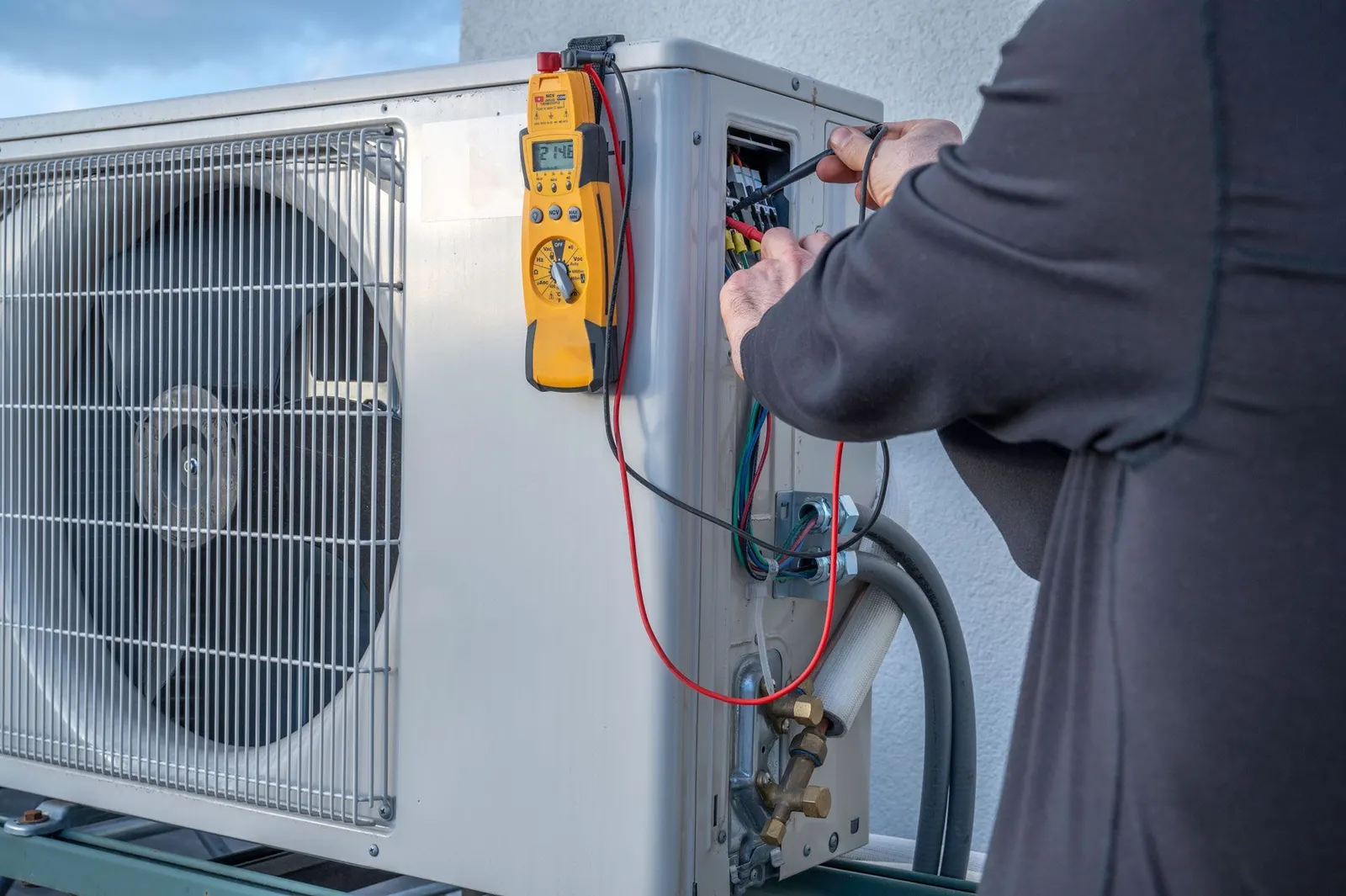
One local homeowner reached out when their outside air unit stopped working entirely during 90-degree weather. After scheduling a same-day service call, a technician found the root cause—severe electrical fatigue—and explained the exact component failure before getting the unit back up and running. If you suspect an electrical failure is forcing your system to short-cycle, securing emergency AC repair is critical. A trained technician can quickly identify a swollen capacitor or a pitted contactor and replace it safely, restoring function before the compressor sustains permanent damage.
The Humidity Factor: Why Short Cycles Leave Your Home Sticky
To fully understand the frustration of short-cycling, we must look at the dual role of modern air conditioning. Our team at Comfort Central Inc. often explains to homeowners that an AC unit is not just a temperature-lowering device; it is a high-capacity dehumidifier. Lowering the temperature is only half the battle when it comes to human comfort.
The problem: When an air conditioner short-cycles, it runs for just enough time to satisfy the temperature setting on the thermostat. If your thermostat is set to 72 degrees, a short-cycling oversized unit might blast enough cold air to hit that number in just five minutes. However, it takes at least 10 to 15 minutes of continuous operation for the evaporator coil to get cold enough to start pulling significant moisture out of the air.
The cause: Because the system shuts off prematurely, the water vapor remains suspended in your indoor air. The thermostat registers the correct temperature, but the relative humidity inside the home remains exceptionally high. This imbalance results in an environment that feels cold but incredibly clammy.
The solution: Restoring the system's ability to run long, steady cycles is the only way to extract that suspended moisture. Williamsport MD experiences high average humidity throughout the summer, making the dehumidification process just as important as the raw cooling power. Properly functioning equipment will slowly and steadily draw indoor air across the cold coil, wringing out the moisture and sending it down the condensate drain line, leaving your living spaces crisp and comfortable.
Repair vs. Replacement: The Value of an Honest Diagnostic
When an air conditioner begins cooling and then abruptly stopping, many homeowners immediately fear the worst. The prospect of a total system failure late in the season is daunting. However, it is crucial to recognize that short-cycling is a symptom, not a death sentence for your equipment. The vast majority of short-cycling causes—clogged filters, worn capacitors, dirty flame sensors, or minor refrigerant leaks—are highly repairable.
The importance of transparency: Navigating these late-season breakdowns requires trust. You need a technician who takes the time to explain the system's issues rather than immediately pushing a sales brochure across the kitchen table. As a local Williamsport company rooted in family values and honest diagnostics, our team at Comfort Central Inc. prioritizes necessary repairs over pushing unnecessary late-season replacements. If a minor component replacement will keep your system running efficiently for another three years, that is exactly what we will recommend.
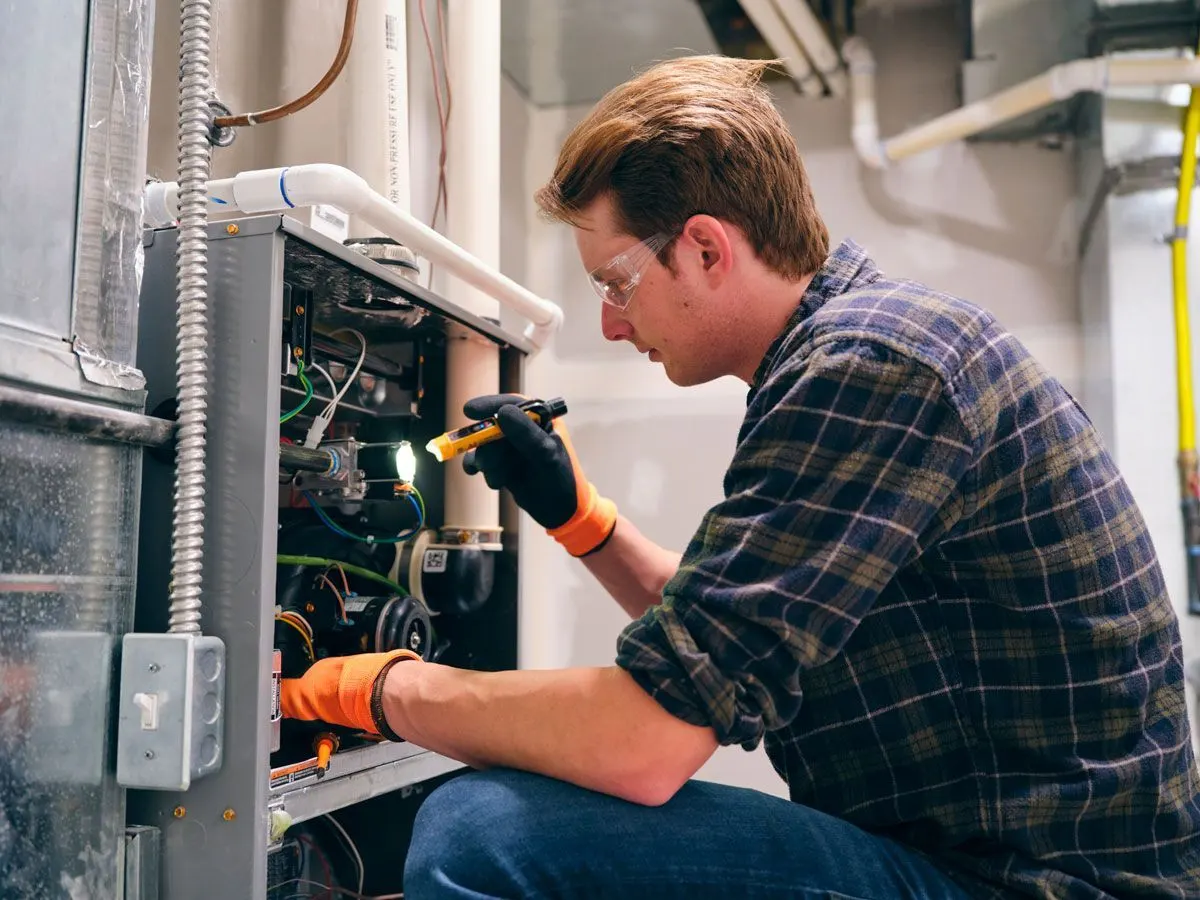
One local customer recently requested an assessment after waking up to a completely unresponsive system. A service tech arrived promptly, diagnosed a simple underlying issue, and fixed it affordably—proving that a thorough evaluation saves money and prevents unnecessary panic. Having a professional perform comprehensive AC inspection and testing ensures that every component is evaluated objectively. A proper diagnostic tests amperage draws, superheat, subcooling, and static pressure to pinpoint the exact reason the system is terminating its cycles early.
Frequently Asked Questions About Intermittent AC Cooling
Why does my AC blow cold air then stop?
This usually indicates short-cycling caused by restricted airflow, a dirty filter, or a frozen evaporator coil. When the system cannot breathe properly, internal sensors detect abnormal temperatures and shut down the compressor to prevent mechanical failure. The fan may continue to run, which is why you feel a brief blast of cold air followed by room-temperature air. Replacing your air filter is the best first step to resolve this.
Why does my AC compressor shut off after a few minutes?
A compressor shutting off rapidly is often a protective measure triggered by overheating, low refrigerant pressure, or a failing electrical capacitor. By late summer, the electrical components that kickstart the compressor endure significant wear and may struggle to maintain the necessary voltage. If the compressor cannot sustain its electrical draw, thermal overload switches will force it to power down to avoid burning out the motor.
How do I fix an AC that stops cooling?
Start by changing the air filter and checking all return and supply vents to ensure they are fully open and unblocked. If the airflow is clear and the system still stops cooling prematurely, a professional diagnostic is required. Do not attempt to reset the breaker repeatedly or handle internal electrical components, as this can cause permanent damage to the compressor.
Why is my house so humid when the AC is running?
The system is likely short-cycling, shutting off before it has time to extract moisture from the indoor air. Air conditioners need to run in continuous 15-to-20-minute cycles to effectively pull water vapor out of the environment. When the cycle is cut short, the temperature may drop slightly, but the humidity remains, leaving the house feeling cold and sticky.
Can a dirty filter cause my AC to turn off and on?
Yes, a clogged filter severely restricts airflow, causing internal components to freeze or overheat, which trips the system's safety switches. The lack of warm indoor air passing over the evaporator coil causes the refrigerant temperature to drop below freezing, turning condensation into a block of ice. Once the safety switch trips, the unit turns off, thaws slightly, and turns back on, creating a continuous loop.
Is short-cycling damaging to my air conditioning system?
Yes, frequent starting and stopping puts excessive wear on the compressor, contactors, and electrical capacitors, potentially leading to premature failure. The most energy-intensive and stressful part of an air conditioner's operation is the startup phase. Forcing the system to start and stop dozens of times an hour accelerates mechanical fatigue and significantly increases your monthly energy consumption.
Restoring Your Home's Comfort Before the Season Ends
Understanding why your AC struggles with humidity and temperature regulation is the first critical step to restoring your indoor comfort. When your system cools briefly and then stops, it is signaling that an underlying airflow, electrical, or refrigerant issue is preventing it from completing a full cycle. Addressing these symptoms in late August is vital to preventing a minor malfunction from turning into a costly compressor failure.
Knowing when to check your filters and when to call a professional protects the longevity of your equipment. If your home feels uncomfortably sticky despite the system running, do not wait for a complete breakdown. Seek an honest evaluation from a professional AC repair service to resolve the issue safely. Getting a clear explanation of why your system is struggling will give you the confidence to restore your home's climate control without risking dangerous DIY repairs.