
The Frustration of an AC That Cools, Then Quits
Your air conditioner is running constantly, but the house still feels uncomfortably warm. You might hear the system kick on, blow a brief burst of cold air, and then shut down almost immediately. Including a thorough review of your cooling system's behavior on your seasonal home maintenance checklist is critical, especially when late-summer August heatwaves push equipment to its absolute limits. When your system struggles to stay running, it often points to a deeper mechanical issue rather than just normal extreme-heat operation.
If you are concerned about the health and reliability of your air conditioning systems, scheduling an end-of-season diagnostic check can prevent minor operational quirks from turning into major breakdowns.
This specific behavior—where the equipment turns on, runs for just a few minutes, and powers down before the indoor environment is actually comfortable—is known in the HVAC industry as "short-cycling." It is one of the most common, yet most misunderstood, cooling problems homeowners face. During the peak heat of late summer, air conditioners have already been running continuously for months. The cumulative wear and tear from this heavy usage frequently manifests as a system that simply cannot complete a full cooling cycle.
The core decision point for homeowners is this: Do you push a strained, short-cycling system through the final weeks of summer and hope it survives until cooler fall weather arrives, or do you schedule an end-of-season professional check? Ignoring the issue often seems like the easier path, but a system that cools and then abruptly quits is actively crying out for help. Understanding the exact symptoms can help you make an informed decision.
| Normal Extreme-Heat Operation | Short-Cycling Malfunction |
|---|---|
| Runs for 15 to 20 minutes at a time. | Shuts down after 3 to 5 minutes of operation. |
| House gradually reaches the thermostat setting. | Thermostat setting is never reached during the heat of the day. |
| Airflow from vents feels consistently cold. | Airflow stops prematurely, leaving rooms stagnant. |
| Indoor humidity feels balanced and comfortable. | Indoor air feels heavy, sticky, and clammy. |
Understanding the Mechanics of Short-Cycling
To understand why an air conditioner cools briefly and then stops, it helps to know how a healthy cooling cycle operates. Under normal conditions, when your thermostat detects that the room temperature has risen above your desired setting, it sends a low-voltage signal to the air conditioner to turn on. A normal, healthy cooling cycle typically lasts between 15 and 20 minutes. This duration allows the equipment to circulate the air throughout the entire house, lower the temperature, and properly condition the environment before shutting down gracefully.
A short cycle, on the other hand, abruptly interrupts this process. The system powers on, but instead of running for the necessary 15 to 20 minutes, it shuts down after just three to five minutes. The thermostat is still calling for cooling, but the system refuses to run. This results in extended cooling cycles failing to reach thermostat set points throughout the afternoon, leaving the home continually warm despite the equipment constantly turning on and off.
Why does the system ignore the thermostat?
- Internal safety switches: Modern air conditioners are equipped with sensors designed to protect the compressor from catastrophic damage. If the system detects overheating, abnormal pressure levels, or electrical faults, it will force an emergency shutdown.
- Physical blockages: Severe airflow restrictions can cause the internal components to freeze or overheat, triggering those same safety mechanisms.
- Electrical interruptions: Failing components may draw too much power, causing internal breakers or thermal overloads to trip temporarily.
This constant on-and-off behavior is the absolute most damaging way an air conditioner can operate. The startup phase of a cooling cycle is when the equipment endures the most physical and electrical stress. When a system short-cycles, it multiplies that stress exponentially. If you want to dive deeper into the root causes of complete system failures, understanding why your AC stopped cooling completely often starts with recognizing these early warning signs of short-cycling.

How Mid-Atlantic Humidity Amplifies the Problem
An air conditioner actually performs two distinct but equally important jobs: it lowers the ambient temperature of the air, and it extracts excess indoor humidity. In the Humid Mid-Atlantic region, particularly around the Williamsport area, that second job is absolutely vital for indoor comfort. High humidity makes the air feel significantly warmer than the actual temperature reading on the thermostat.
The Dehumidification Process:
- Air Circulation: Warm, moist indoor air is pulled through the return vents and passed over the cold indoor evaporator coil.
- Condensation: As the warm air hits the cold coil, the moisture in the air condenses into water droplets, much like water forming on the outside of a cold glass of iced tea.
- Drainage: This water drips into a drain pan and is channeled safely out of the house.
- Cooling: The newly dried, cooled air is pushed back into the living spaces.
Here is where short-cycling becomes a severe comfort issue. The dehumidification process takes time. A system needs to run for at least 10 to 15 minutes continuously before it begins to effectively pull moisture out of the air. When an air conditioner short-cycles and shuts off after just a few minutes, it never gets the chance to extract that humidity.
The resulting environment is highly uncomfortable. During late-summer August stretches of high heat and humidity, a short-cycling AC might leave the home feeling slightly cooler near the vents, but the overall atmosphere remains sticky, heavy, and clammy. This lack of humidity control not only compromises your physical comfort but can also negatively impact indoor air quality, creating an environment where musty odors can thrive.
Late-Summer Culprits: Debris and Airflow Restrictions
When troubleshooting a system that constantly shuts down prematurely, the most common culprits are usually related to cumulative late-summer wear and tear. Months of continuous operation take a toll on the equipment, primarily by restricting the necessary flow of air. Addressing these airflow issues is a core component of routine AC maintenance.
The Impact of a Clogged Filter
The simplest and most frequent cause of short-cycling is a severely dirty air filter. Over the course of the spring and summer, the filter traps dust, pet dander, pollen, and other airborne particulates. By the time late-summer August arrives, a filter that hasn't been changed can become entirely choked with debris.
When the filter is clogged, the blower motor struggles to pull enough warm indoor air over the indoor evaporator coil. This disrupts the delicate heat exchange process. Without a constant flow of warm air, the indoor coil becomes too cold, causing the system to malfunction and eventually triggering a safety shutdown to prevent the blower motor from burning out due to overexertion.
Outdoor Condenser Blockages
The outdoor unit (the condenser) has the crucial job of exhausting the heat that was removed from your home into the outside air. To do this efficiently, it requires unobstructed airflow through its exterior metal fins.
Common late-summer outdoor blockages include:
- Grass clippings: Accumulated from months of summer lawn mowing.
- Cottonwood and pollen: Sticky organic matter that clings to the condenser fins.
- Dust and dirt: Baked onto the unit during dry, hot spells.
- Overgrown vegetation: Shrubs or weeds that have grown too close to the unit over the summer.
When the outdoor coil is blanketed in this debris, it acts like an insulating sweater. The system cannot release the heat it has collected. As a result, the internal temperature of the compressor spikes rapidly. To save itself from melting down, the compressor's thermal overload switch trips, shutting the system off completely. Once the compressor cools down, it will try to start again, repeating the damaging short-cycle loop.
Frozen Evaporator Coils and Refrigerant Issues
If airflow restrictions are not the primary issue, the next most common cause of short-cycling involves the refrigerant cycle itself. The indoor evaporator coil relies on a very specific balance of airflow and refrigerant pressure to absorb heat. When that balance is thrown off, the coil can drop below the freezing point.
The Freezing and Thawing Cycle:
Whether caused by a completely blocked air filter, a failing blower motor, or a slow refrigerant leak that has lowered the system's pressure, the result is the same: the condensation on the indoor coil freezes into solid ice. As the ice builds up, it entirely blocks the flow of air through the system.
Once the coil is encased in ice, the system can no longer cool the home, and it will shut down. As the system sits idle, the ambient warmth of the house slowly melts the ice. Once thawed, the thermostat calls for cooling again, the system turns on, and the freezing process starts all over. This exact cycle is why homeowners experience extended cooling cycles failing to reach thermostat set points as the system constantly interrupts itself.
A critical warning: If you discover that your indoor coil or the copper refrigerant lines outside are covered in ice, turn the system off immediately by switching the thermostat to "Fan Only." Never attempt to chip, scrape, or melt the ice off the coils with sharp tools or heat guns. The aluminum fins and copper tubing are highly delicate, and puncturing them will release the refrigerant, turning a manageable repair into a highly expensive major component replacement.
The Hidden Electrical Strain on Your Compressor
The mechanical annoyance of a warm house is only half the problem when dealing with short-cycling. The hidden danger lies in the severe electrical and thermal strain placed on the system's most vital components.
Air conditioners require a massive surge of electricity to start the compressor—often drawing three to five times more power during the first second of operation than they do while running continuously. This startup phase generates a significant amount of heat within the electrical components. In a normal cycle, the long run-time allows the system to stabilize and cool itself down. In a short-cycling scenario, the constant starting and stopping never gives the components a chance to rest.
This relentless electrical demand places immense stress on the run capacitor, a component that acts much like a battery to give the compressor the jolt of energy it needs to start. A burned-out capacitor is one of the most frequent consequences of this late-summer electrical stress. Furthermore, the compressor itself takes a beating. Ignoring this strain during late-summer August heatwaves often leads to a catastrophic compressor failure the following spring, right when you turn the system on for the first hot day of the new year.
Thorough diagnostics are essential to stop this cycle. In one instance, a homeowner experienced ongoing problems with their AC unit constantly struggling to perform. A professional technician repeatedly evaluated the system, making necessary adjustments until the AC issues were eventually resolved, proving that persistent, underlying electrical or mechanical strains require diligent attention to fix permanently.
When to Call a Professional for Honest Diagnostics
Knowing when a problem is a simple fix and when it requires professional intervention can save you significant time and frustration. There are a few safe, basic checks every homeowner should perform before picking up the phone.
| Safe to Check Yourself | Requires a Professional Technician |
|---|---|
| Replacing a dirty or clogged indoor air filter. | Checking and adjusting chemical refrigerant levels. |
| Ensuring all indoor supply and return vents are fully open and unblocked by furniture. | Testing high-voltage electrical components like capacitors and contactors. |
| Gently clearing loose leaves and debris away from the exterior of the outdoor unit. | Thawing frozen coils and repairing delicate refrigerant leaks. |
| Checking the thermostat batteries and settings. | Diagnosing internal compressor faults or blower motor failures. |
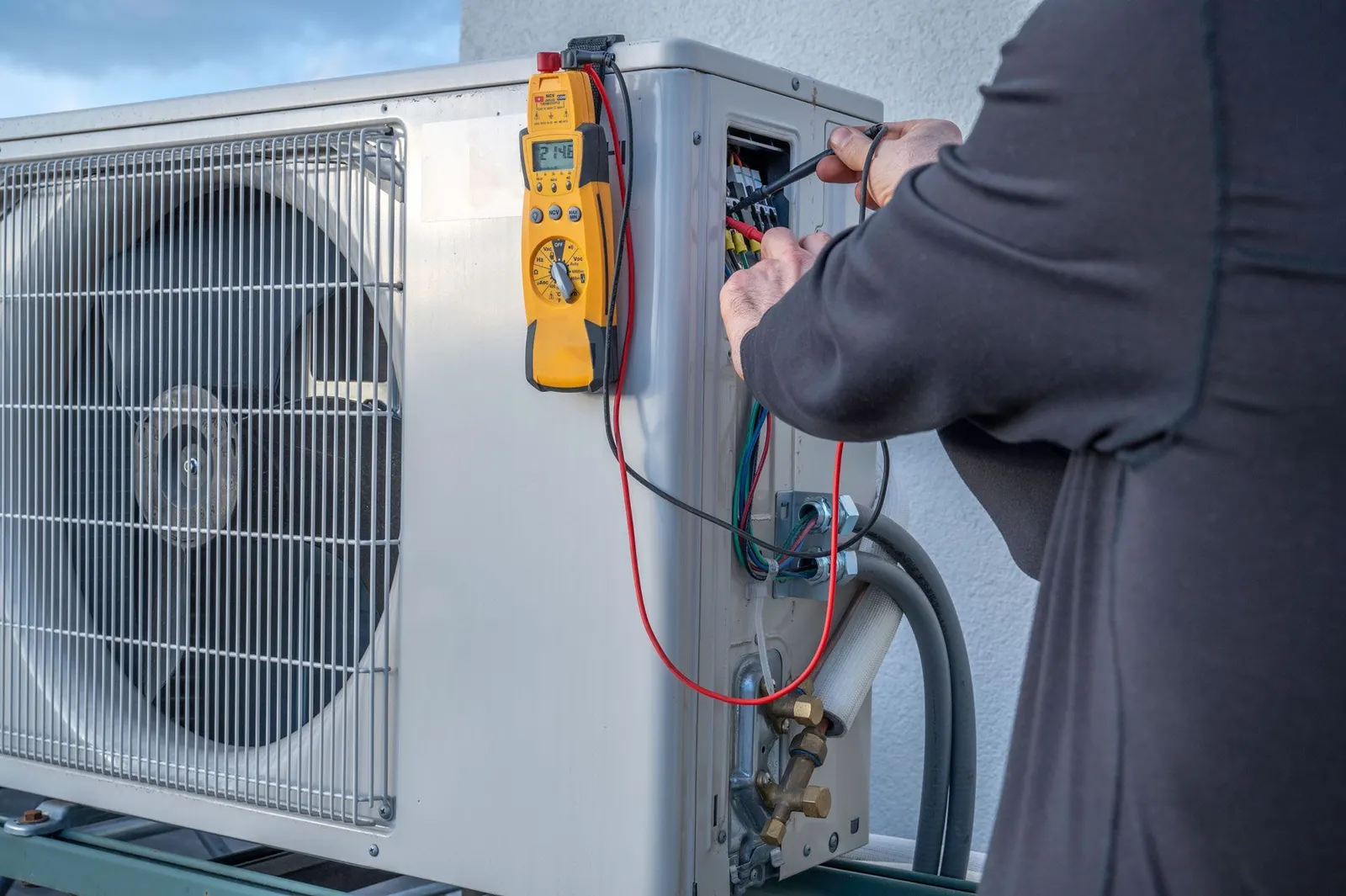
When the safe DIY checks do not resolve the short-cycling, it is time to call for professional help. Because short-cycling can be caused by anything from a simple failing sensor to a major compressor issue, an accurate diagnosis is critical. Checking refrigerant levels, testing capacitors under load, and safely unfreezing coils require specialized professional diagnostic tools and industry training.
This is where Comfort Central Inc.'s family values and commitment to transparent, honest home repairs make a difference. Homeowners need an accurate diagnosis that identifies the exact root cause of the short-cycling, rather than facing an unnecessary up-sell. A thorough, honest explanation of the issue helps avoid premature equipment replacements. For example, during a crunched-for-time fall situation, one customer faced a challenging HVAC issue that required quick answers. Technicians arrived within an hour, and the owner personally followed up to ensure the urgent issue was addressed quickly and effectively, highlighting the value of responsive, transparent service.
If a professional determines that the system's core components are failing due to age and cumulative damage, they can guide you through your options for AC installation and replacement, ensuring you have all the facts before making a major decision. The goal is always to restore extended cooling cycles failing to reach thermostat set points back to normal, efficient operation.
Frequently Asked Questions About AC Short-Cycling
Why does my AC turn off before reaching the set temperature?
Your air conditioner turns off prematurely because an internal safety switch has been triggered, overriding the thermostat. This is usually caused by restricted airflow, an overheating compressor, or a failing electrical component. The system shuts down to prevent catastrophic damage to the blower motor or compressor. Once the system cools down or resets, it will try to start again, repeating the cycle.
Why is my AC struggling to maintain temperature in late summer?
Late-summer struggles are often the result of cumulative wear and tear from months of heavy operation. Air filters become heavily clogged with summer dust and pollen, and the outdoor condenser coil often gets blanketed in grass clippings and debris. This restricted airflow forces the system to work harder, reducing its cooling capacity and causing it to short-cycle before the house is fully cooled.
Can a dirty filter cause AC to stop cooling?
Yes, a severely dirty air filter is one of the most common reasons an AC stops cooling. The clogged filter blocks warm indoor air from reaching the cold evaporator coil. Without that vital airflow, the coil can drop below freezing and encase itself in ice, completely stopping the cooling process and forcing the system to shut down.
How do I fix my AC from short cycling?
Start by replacing your indoor air filter and ensuring all room vents are fully open and unblocked. Next, check the outdoor unit and gently remove any visible debris, leaves, or tall grass restricting airflow around the metal fins. If these basic maintenance steps do not resolve the short-cycling, you must call a professional to diagnose potential electrical faults, refrigerant leaks, or internal compressor issues.
Does high humidity make AC short-cycling worse?
High humidity makes the effects of short-cycling feel much worse inside the home. An air conditioner needs to run continuously for at least 15 minutes to effectively extract moisture from the indoor air. When the system short-cycles and shuts off after just a few minutes, it leaves the home feeling sticky, heavy, and uncomfortable, even if the temperature drops slightly.
Is it safe to keep running an air conditioner that short-cycles?
No, it is not safe for the equipment. Allowing an air conditioner to continually short-cycle places immense electrical and thermal strain on the compressor and the run capacitor. Ignoring this constant starting and stopping can quickly turn a minor, inexpensive repair into a catastrophic compressor failure that requires a complete system replacement.
Secure Your System Before the Season Ends
Understanding why your system struggles is the first and most important step to restoring reliable comfort to your home. Identifying the difference between a system that is simply working hard during normal extreme-heat operation and one that is actively malfunctioning due to short-cycling is critical for protecting your investment. The late-summer August heat takes a toll on every mechanical component, and ignoring the warning signs only guarantees a larger problem down the road.
Do not wait for a complete breakdown to take action. Encourage a healthier, longer lifespan for your equipment by scheduling an end-of-season diagnostic check to resolve short-cycling before it causes permanent damage. If your system is constantly starting and stopping, reach out for professional AC repair service to get an honest assessment and get your home back to a comfortable, balanced temperature.