
Recognizing the Signs of a Short-Cycling System
Your air conditioning system kicks on, delivers a brief blast of cold air, and then abruptly shuts down long before the house actually feels comfortable. When dealing with this frustrating pattern, tapping into local service expertise and area tips can help you determine whether you are facing a minor airflow issue or a major mechanical failure. This rapid on-and-off behavior is not just an annoyance; it is a mechanical symptom indicating that your system cannot complete a full, healthy cooling cycle.
To understand the foundation of proper home cooling, it helps to learn more about how air conditioning systems are designed to operate under heavy seasonal loads. Industry professionals refer to this premature shutdown sequence as "short-cycling." When an air conditioner short-cycles, it fails to run long enough to properly condition the air, leaving your living spaces unevenly cooled and your equipment under severe mechanical stress.
The immediate decision point: Homeowners are quickly faced with a critical decision when short-cycling begins. You must determine if the system merely needs a basic airflow correction, such as a filter change, or if a major internal component like a compressor is actively failing. Making this distinction becomes especially urgent in late August, as the transition to the heating season approaches and you need reliable climate control for the remaining hot weeks.
Why timing matters: Ignoring a short-cycling unit often leads to compounding damage. An air conditioner that turns on and off every five minutes is enduring extreme electrical and mechanical wear. Addressing these cycles early prevents a relatively simple fix from cascading into a total system breakdown.
The Mechanics Behind Brief Cooling Cycles
Proper home cooling is not instantaneous. It requires extended, steady run times to effectively remove heat and transfer it outside. When a system is healthy, the thermostat communicates seamlessly with the control board, sustaining operation until the indoor environment matches your desired set temperature.
The problem of premature shutdowns: A normal, healthy cooling cycle typically lasts between 15 and 20 minutes, depending on the outdoor temperature and the home's insulation. This duration allows the refrigerant to circulate fully, absorbing heat from the indoor air and releasing it outdoors. Conversely, a short cycle terminates in under 10 minutes. These abbreviated runs prevent the system from stabilizing indoor temperatures, resulting in constant temperature swings and a noticeably uncomfortable environment in Williamsport MD.
The underlying cause: Short-cycling is almost always triggered by a safety mechanism or a fundamental mismatch in system operation. The thermostat may be reading a false temperature, the internal sensors may detect a dangerous pressure drop, or electrical components may be overheating and forcing a shutdown to prevent a fire hazard. When the system shuts down prematurely, the cooling process is physically interrupted before the heavy lifting is finished.
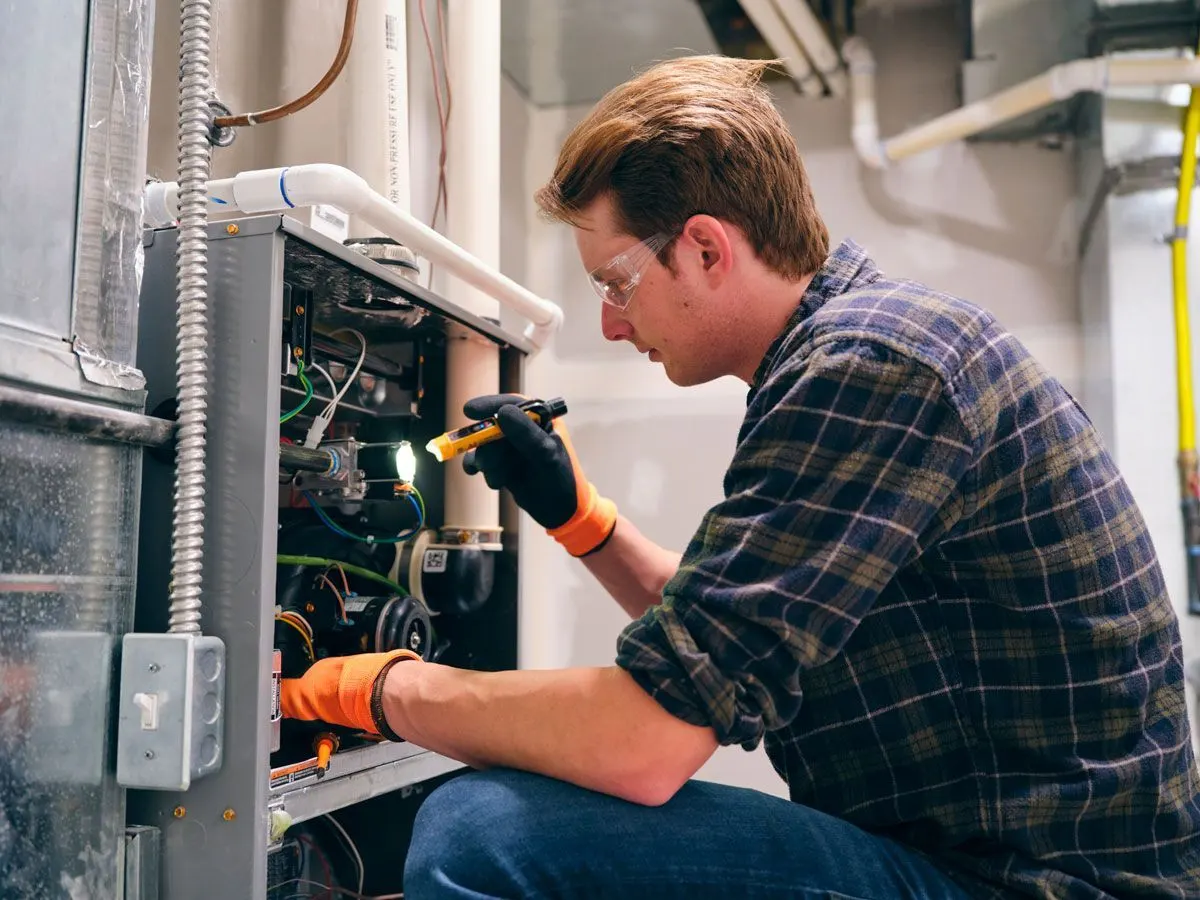
The professional solution: Diagnosing the exact mechanical failure requires specialized tools to test electrical loads and refrigerant pressures. If your system cannot sustain a normal 15-to-20-minute run time, scheduling professional AC repair is the safest way to identify which sensor, switch, or component is forcing the premature shutdown.
Why Short-Cycling Leaves Your Home Cold but Clammy
Air conditioning systems perform two distinct jobs simultaneously: they lower the air temperature (sensible cooling) and they remove moisture from the air (latent cooling). When a system short-cycles, it completely fails at the second job, which is why your home may feel cold but uncomfortably damp.
Understanding latent heat removal: Moisture extraction takes time. As warm indoor air blows across the freezing cold evaporator coil, humidity condenses into water droplets, which then drain away. If the air conditioner only runs for five to eight minutes, it cools the air just enough to satisfy the thermostat superficially, but it shuts off long before it can extract meaningful amounts of humidity. The coil simply does not have enough time to pull moisture out of the air.
The impact of extreme late-summer humidity: In the Mid-Atlantic region, the extreme late-summer humidity significantly increases the latent cooling load on your HVAC system. During late August, the outdoor air is thick with moisture. When this humid air infiltrates the home and the AC short-cycles, moisture accumulates indoors rapidly. You are left with a stagnant, clammy environment where the air feels heavy, even if the thermometer reads 70 degrees.
Ideal indoor conditions: The Environmental Protection Agency (EPA) guidelines state that ideal indoor relative humidity should remain between 30 and 50 percent for optimal comfort and health. When short-cycling prevents proper dehumidification, indoor humidity can easily spike above 60 percent, encouraging mold growth, exacerbating allergies, and making the home feel sticky and unpleasant.

Airflow Restrictions and Frozen Evaporator Coils
One of the most common, and often most easily correctable, causes of an air conditioner that cools briefly and then stops is severely restricted airflow. The physics of air conditioning require a constant, unobstructed volume of warm indoor air to flow over the indoor evaporator coil.
The problem of trapped cold air: When return air filters become severely clogged with dust, pet dander, and debris, the blower motor cannot pull enough warm air through the system. Consequently, the cold air generated by the system becomes trapped inside the air handler. Without warm air to absorb the cooling energy, the temperature of the evaporator coil plummets rapidly.
The freezing cause: This chain reaction causes the normal condensation on the evaporator coil to freeze solid. The ice buildup acts as an incredibly effective insulator, further blocking airflow and preventing any heat transfer. As the ice thickens, internal safety sensors detect the abnormal temperature drop and shut down the compressor prematurely to prevent the system from destroying itself.
The diagnostic solution: Before assuming a catastrophic compressor failure, it is crucial to inspect all airflow pathways. Checking the air filter, ensuring all supply and return vents are fully open, and verifying that furniture is not blocking airflow are critical first steps. For recurring airflow or freezing issues in Williamsport MD, prioritizing routine AC maintenance and tune-ups ensures that blower motors are calibrated and coils remain clean, preventing this freezing cycle from starting in the first place.
Cumulative Electrical Stress on Capacitors and Compressors
By the time late summer arrives, your air conditioning system has likely logged hundreds of hours of continuous operation. This end-of-season wear and tear leads to cumulative electrical stress that frequently interrupts cooling cycles.
The burden of thermal stress: Electrical components, particularly those housed in the outdoor condenser, endure massive thermal and operational stress after running continuously through summer heat waves. The constant starting and stopping under high ambient temperatures degrades the internal materials of electrical parts, making late August a prime time for component failure.
The critical role of the run capacitor: The run capacitor acts as a vital energy reservoir, providing the necessary electrical boost to sustain the compressor's operation. When a capacitor begins to fail due to heat degradation, it loses its ability to deliver a consistent electrical charge.
The chain reaction of failure: A failing capacitor forces the compressor to work exponentially harder to maintain operation. The compressor begins to draw excessive amperage and rapidly overheats. To protect the motor windings from melting, an internal thermal overload switch trips, instantly shutting off the compressor. When the thermal overload trips, the system stops cooling entirely until the compressor physically cools down—which can take hours. We frequently see the consequences of this electrical wear. For example, in situations involving ongoing AC problems that require repeated service calls, prompt intervention is necessary. By consistently responding quickly to fix the AC issues, technicians can replace degrading electrical components before they cause permanent compressor damage, ensuring the customer is satisfied with the service and the system is protected.
Refrigerant Pressures and Safety Switch Activations
Modern air conditioning systems are equipped with internal safety mechanisms designed to deliberately stop the AC from cooling to prevent permanent, irreversible damage to the compressor. Understanding these safety switches helps explain why your unit might abruptly stop.
- Low-Pressure Safety Switch Activation: The low-pressure switch monitors the refrigerant circuit to ensure there is enough pressure to carry the refrigerant and the lubricating oil back to the compressor. If your system develops a refrigerant leak, the pressure drops significantly. The switch detects this drop and shuts the system off to prevent the compressor from running dry and seizing up.
- High-Pressure Safety Switch Activation: Conversely, the high-pressure switch protects against over-pressurization. If the outdoor condenser coil is blanketed in dirt, or if the outdoor fan motor fails, the system cannot release heat. Pressure builds rapidly inside the compressor. The high-pressure switch activates to shut the system down before a rupture occurs.
- The Oversized System Loop: Sometimes, the issue is not a leak or a dirty coil, but the size of the equipment itself. An oversized AC system will blast a home in Williamsport MD with too much cold air too quickly. It satisfies the thermostat rapidly, shutting down before dehumidification occurs, creating a continuous, inefficient loop of short cycles.
- The Danger of Bypassing Safeties: These switches are vital sentinels. Bypassing or ignoring these safety switches, or repeatedly resetting a breaker when a unit short-cycles, almost always leads to total compressor failure. The system is shutting down for a reason, and that reason must be diagnosed.
Honest Diagnostics: Finding the Root Cause
When an air conditioner cools briefly and then stops, resolving the issue requires a professional diagnostic process that emphasizes technical evaluation over high-pressure sales tactics. Guesswork is not an option when dealing with complex mechanical and electrical systems.
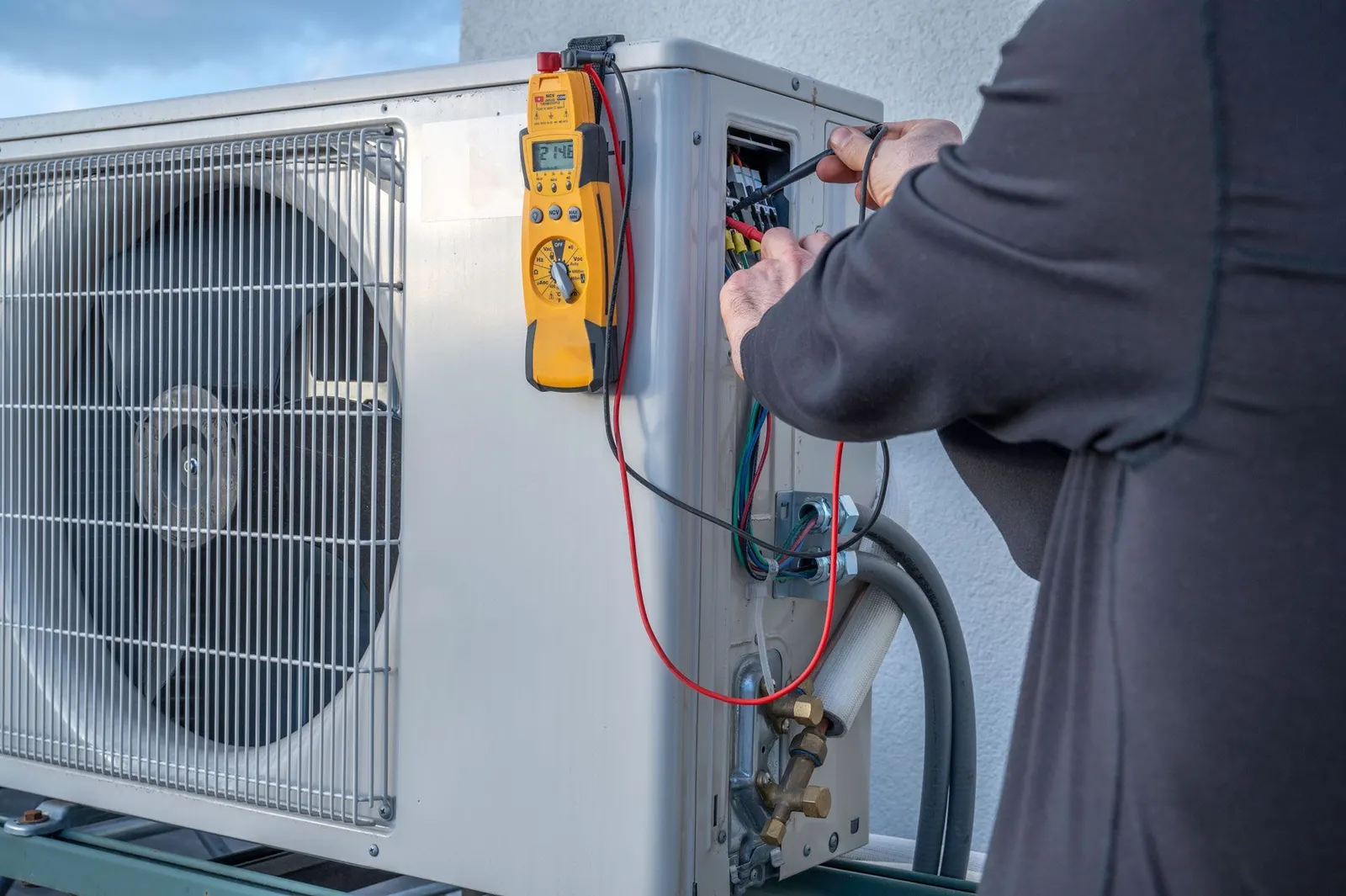
Evaluating specific metrics: Technicians do not simply look at a unit and guess the problem. They evaluate specific, measurable metrics. This includes using a multimeter to measure the exact compressor amp draw, testing the microfarad reading of the capacitors, and utilizing digital gauges to evaluate the superheat and subcooling of the refrigerant pressures. These precise measurements isolate the exact point of failure.
Isolating the failure point: The goal of a proper diagnostic visit is to find the root cause rather than making assumptions based on surface symptoms. A system that shuts down after five minutes could have a bad thermostat wire, a failing blower motor, or a grounded compressor. Transparent communication during this process is essential so the homeowner understands exactly what is failing and why.
Commitment to transparent service: Comfort Central Inc. is committed to honest diagnostics and family values. Technicians focus on accurate, root-cause evaluation rather than immediately pushing for a system replacement. Many short-cycling issues in late August stem from minor, replaceable components—like a $20 contactor or a clogged drain line switch—rather than end-of-life failures. A recent customer needed to understand a complex HVAC issue and their available options. The technician spent significant time explaining the system's workings and transparently outlining all options, processes, and potential paths forward, ensuring the homeowner felt informed and confident in their decision-making process. For this level of thorough evaluation, seeking AC repair in Williamsport ensures you receive an objective assessment.
Navigating the Repair vs. Replacement Decision
Once the diagnostic evaluation is complete, homeowners must synthesize the information into an objective decision-making framework. Deciding whether to repair a short-cycling unit or replace it entirely depends on the nature of the failure, the age of the equipment, and the overall condition of the system in Williamsport MD.
Evaluating the criteria: A repair is almost always the most logical step when the short-cycling is caused by failed capacitors, dirty evaporator coils, or minor electrical faults. However, when short-cycling indicates a fatal flaw—such as a grounded compressor, severe internal acid buildup from electrical burnouts, or a system that is fundamentally improperly sized for the home's cooling load—replacement becomes the more prudent financial choice.
Weighing age and condition: Evaluating the system's age alongside the required repair provides clarity. A minor repair on a ten-year-old system is standard maintenance, but replacing a compressor on a system that uses phased-out refrigerant is generally not recommended. Homeowners are encouraged to weigh these factors systematically before the heating season begins.
| Diagnostic Finding | Impact on System | Typical Recommendation |
|---|---|---|
| Failed Run Capacitor | Compressor overheats and trips thermal overload | Standard Repair |
| Clogged Air Filter / Dirty Coil | Coil freezes, blocking airflow entirely | Standard Repair / Maintenance |
| Grounded or Seized Compressor | Total mechanical failure of the outdoor unit | Major Repair or Replacement |
| Severely Oversized Equipment | Permanent short-cycling, impossible to dehumidify | System Replacement |
When to Repair
Repairing the system is highly recommended when the root cause involves peripheral components rather than the core refrigeration cycle. Common repair scenarios include:
- Airflow restrictions and dirty filters: Easily resolved by replacing filters and professionally cleaning the blower wheel and coils.
- Electrical component replacement: Swapping out degraded capacitors, pitted contactors, or faulty relays restores normal operation quickly.
- Minor refrigerant top-offs and leak seals: If a small, accessible leak is found in a relatively new system, sealing it and restoring the charge is a standard procedure.
When to Consider Replacement
Replacement becomes the better long-term investment when the short-cycling is a symptom of catastrophic failure or fundamental design flaws. Consider replacing when:
- Compressor failure on an older system: If the heart of the system fails on a unit over ten years old, the cost-to-benefit ratio shifts toward replacement.
- System is improperly sized: If the unit is too large for the home's cooling load, no amount of repair will stop it from short-cycling.
- Frequent, compounding breakdowns: If you are paying for multiple repairs every season, the equipment is signaling the end of its lifespan. For a deeper dive into these metrics, reviewing AC troubleshooting benchmarks and replacement criteria can provide further clarity.
Frequently Asked Questions About Interrupted Cooling
Why does my central air blow cold then stop?
Your central air likely blows cold and then stops due to a process called short-cycling, which happens when internal safeties or electrical overloads interrupt the cooling cycle. Common triggers include severely clogged air filters causing the evaporator coil to freeze, or a failing run capacitor causing the compressor to overheat. When the system detects these dangerous conditions, it abruptly shuts off to prevent permanent damage to the equipment.
Does short cycling cause high indoor humidity?
Yes, short-cycling is a primary cause of high indoor humidity during late August heat waves. An air conditioner must run for extended periods (typically 15 to 20 minutes) to pull enough warm air across the cold evaporator coil to extract moisture. When the system shuts down after only a few minutes, it lowers the temperature slightly but leaves the humidity behind, resulting in a cold, clammy feeling inside the home.
How do professionals diagnose a failing compressor?
Professionals diagnose a failing compressor by measuring specific electrical and mechanical metrics rather than just observing symptoms. Technicians use multimeters to check if the compressor is drawing excessive amperage (Locked Rotor Amps) upon startup, and they test the motor windings for electrical shorts to ground. They also use specialized gauges to monitor refrigerant pressures, ensuring the compressor is successfully pumping refrigerant through the system.
Why does my AC turn off before reaching the set temperature?
An AC unit turns off before reaching the set temperature when a safety switch is activated or the thermostat malfunctions. If the system has a refrigerant leak, a low-pressure switch will trip; if the condenser is blocked, a high-pressure switch will trip. Additionally, if the unit is oversized for the home, it may cool the area immediately around the thermostat too quickly, tricking the system into shutting down prematurely.
Can a dirty filter cause an AC to stop cooling?
Absolutely. A severely dirty air filter restricts the volume of warm air flowing into the air handler, trapping cold air inside the system. This trapped cold air causes the evaporator coil to drop below freezing, turning ambient moisture into a solid block of ice over the coil. Once frozen, the system cannot absorb heat, and safety sensors will force the unit to shut down to prevent the compressor from failing.
What should I check before calling a technician for an AC that stops cooling?
Before calling for professional service, homeowners should perform a few basic, non-technical checks. Verify that the thermostat is set to "cool" and has fresh batteries, and ensure that your air filter is completely clean and unobstructed. Additionally, check that all supply and return vents in the home are open and not blocked by rugs or furniture, and ensure the outdoor condenser unit is free of leaves and debris.
Restoring Consistent Comfort to Your Home
Understanding the mechanical causes of short-cycling empowers homeowners to make informed, confident decisions about their cooling systems. Whether the issue stems from a simple airflow restriction, a degraded capacitor, or a tripped safety switch, recognizing that an abbreviated cooling cycle is a cry for help is the first step toward a solution. Ignoring the problem only leads to higher energy bills, uncomfortably high indoor humidity, and the risk of total compressor failure.
Reiterating the importance of prompt action, addressing these interruptions early in Williamsport MD restores proper dehumidification and protects your equipment from cumulative end-of-season wear. If your system is struggling to complete a full cycle, seeking a professional, honest evaluation will uncover the root cause. By prioritizing transparent diagnostics, you can restore consistent, reliable comfort to your home long before the weather shifts.