
Battling Late-Summer AC Fatigue When Your System Cools Then Stops
Here at Comfort Central Inc., we know that as August closes in and families prepare for the back-to-school transition, finding reliable local service expertise and area tips becomes critical when your air conditioner starts running constantly but shuts off before the house actually feels cool. This frustrating behavior is not just an annoyance; it is a clear signal that your cooling system is struggling under the weight of late-summer August cooling fatigue. You hear the compressor kick on, you feel a brief blast of cold air, and just as the room begins to find relief, the system powers down prematurely. This rapid on-and-off cycle leaves your home feeling sticky, warm, and distinctly uncomfortable.
If you need immediate help with your air conditioning systems, our professional AC repair service team is ready to restore your comfort.
In the HVAC industry, this precise behavior is known as short-cycling. Our technicians typically see this as one of the most common issues homeowners face as the cooling season drags on. The core challenge is determining whether your system is simply suffering from neglected end-of-season maintenance—like a heavily soiled filter—or if it requires immediate professional intervention for a failing mechanical component. Making the right call early can save your equipment from catastrophic failure.
Understanding the Mechanics of AC Short-Cycling
To understand why short-cycling is so destructive, you first need to understand how a healthy cooling cycle operates. In our experience servicing homes throughout the Williamsport MD area, a properly functioning air conditioner should run for roughly 15 to 20 minutes per cycle. This duration allows the system to achieve a steady state, evenly cooling the air and removing excess moisture. When a system short-cycles, it shuts down in under 10 minutes, often turning right back on a few minutes later.
The Toll on Your Compressor
Your air conditioner's compressor is the heart of the system, and it requires an enormous surge of electrical power to start up—often three to five times the energy it takes to keep running. When a system short-cycles, the compressor is forced to endure this massive electrical startup surge over and over again. This rapid cycling places immense mechanical and electrical strain on the internal components.
A pattern we see often is that short-cycling is rarely an isolated event; it is almost always a symptom of an underlying issue. As the season progresses, cumulative system fatigue peaks. Minor airflow restrictions or slight electrical imbalances that your system could power through in June suddenly become overwhelming by late August.
Comparing Cooling Cycles
| Cycle Type | Average Duration | Energy Efficiency | System Impact |
|---|---|---|---|
| Normal Cycle | 15–20 minutes | High (steady state achieved) | Minimal wear and tear |
| Short-Cycling | Under 10 minutes | Very Low (constant startup surges) | Severe strain on compressor and capacitors |

Why Short-Cycling Ruins Indoor Humidity Control
One of the most immediate and uncomfortable consequences of short-cycling is the total loss of indoor humidity control. An air conditioning unit does not just lower the temperature; it must run long enough to pull ambient humidity out of the indoor air. The indoor evaporator coil gets very cold, causing moisture in the air to condense on the coil and drain away outside.
The Problem with Brief Cycles
We constantly remind our customers that Maryland's hot, humid Mid-Atlantic late summers require consistent, full AC cycles to properly dehumidify homes. When a system short-cycles, the evaporator coil never has enough time to extract that moisture. The thermostat might register a temporary drop in temperature, satisfying the sensor and shutting the system off, but the heavy, humid air remains trapped inside.
This leaves your home feeling sticky, clammy, and warm, even if the thermostat reads 72 degrees. It is a classic sign of late-summer August cooling fatigue. If you are constantly adjusting the thermostat down because the house feels swampy, your system is likely failing to complete a full latent cooling cycle.
The Solution to Poor Dehumidification
Restoring proper cycle times is the only way to fix this humidity imbalance. A compromised cycle that fails to manage moisture forces the homeowner to run the system at an even lower temperature, which only accelerates the wear and tear on the equipment. Addressing the root cause of the short-cycling with professional AC repair in Williamsport ensures the system runs long enough to wring the moisture out of the air, restoring true comfort.
Safe Homeowner Troubleshooting for End-of-Season AC Issues
Before assuming your air conditioner has suffered a catastrophic failure, our team recommends several safe, actionable troubleshooting steps you can take. End-of-season issues are frequently tied to basic airflow restrictions that build up over months of continuous use.
According to U.S. Department of Energy data, replacing a dirty, clogged filter can lower your air conditioner's energy consumption by 5 to 15 percent. More importantly, we've found it can instantly resolve airflow-related short-cycling. When air cannot flow freely over the indoor coil, the system overheats or freezes, triggering safety switches that abruptly end the cycle.
Your Safe Troubleshooting Checklist
- Check and replace the air filter: By August, filters in the Williamsport MD area are often heavily soiled with dust, pollen, and pet dander. Pull the filter out and hold it up to a light. If you cannot see light passing through it, replace it immediately.
- Inspect thermostat placement and settings: Ensure your thermostat is set to "Cool" and the fan is on "Auto." Check that no lamps, electronics, or direct sunlight are artificially heating the thermostat casing, which can cause the system to cycle erratically.
- Clear supply and return vents: Walk through your home and ensure that rugs, furniture, or curtains are not blocking the air vents. Closing vents in unused rooms actually increases static pressure and can force the system to short-cycle.
- Check the outdoor unit for debris: Ensure the outdoor condenser is free of tall grass, leaves, and yard debris. It needs at least two feet of clearance on all sides to properly exhaust heat.
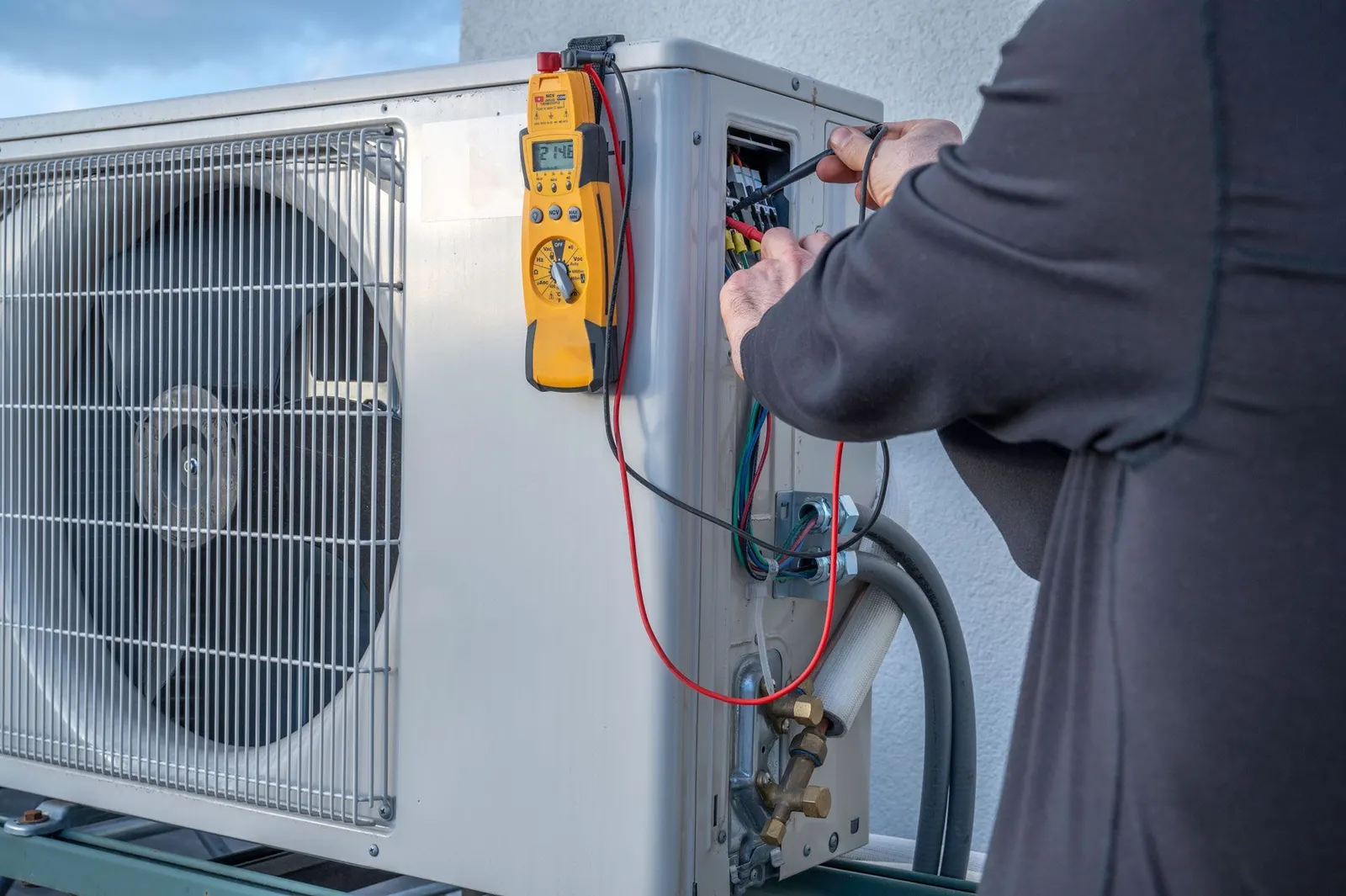
A strict warning on safety: Never attempt any DIY steps involving electrical testing, opening the equipment cabinet, or handling refrigerant. These tasks require specialized licensing and training. Touching high-voltage capacitors or mishandling pressurized refrigerant can result in severe injury or permanent damage to the equipment.
When to Call a Professional for Complex Mechanical Failures
If you have replaced the air filter and checked your vents but the system continues to cool and then stop, you are likely dealing with a complex mechanical failure that requires licensed intervention. Ignoring these signs during peak late-summer August cooling fatigue can turn a minor repair into a major replacement.
Frozen Evaporator Coils
A frozen indoor evaporator coil is a very common cause of sudden cooling loss. This happens due to severe airflow restriction or low refrigerant levels. The system cools initially, but as ice builds up on the coil, it completely blocks the air from passing through. The system will run, but only warm air will come out of the vents. Eventually, the safety controls will shut the system down.
Electrical and Refrigerant Failures
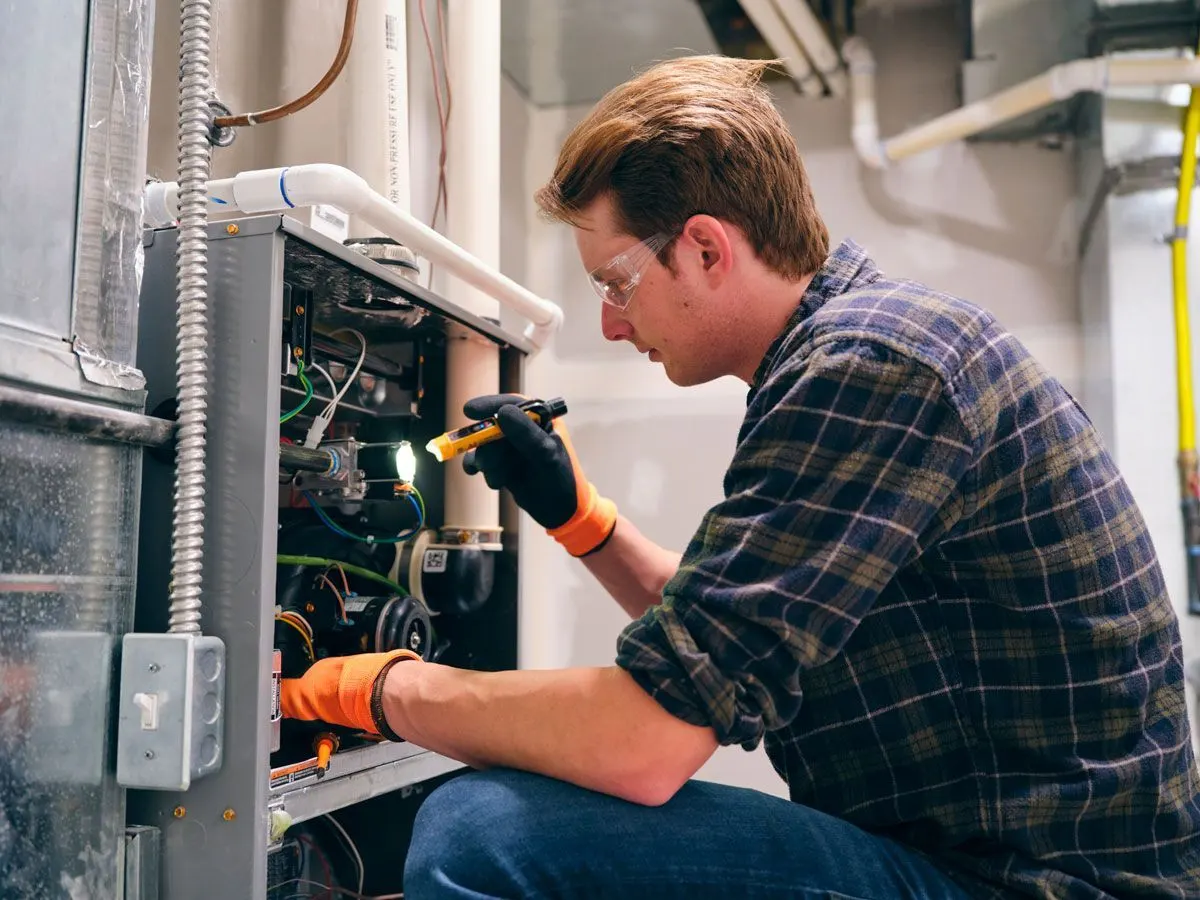
Malfunctioning indoor blower capacitors or failing compressors frequently interrupt the cooling cycle. A capacitor acts like a heavy-duty battery, giving the motors the jolt of energy they need to start. When a capacitor degrades, the motor struggles to turn, overheats, and shuts off on a thermal overload safety switch.
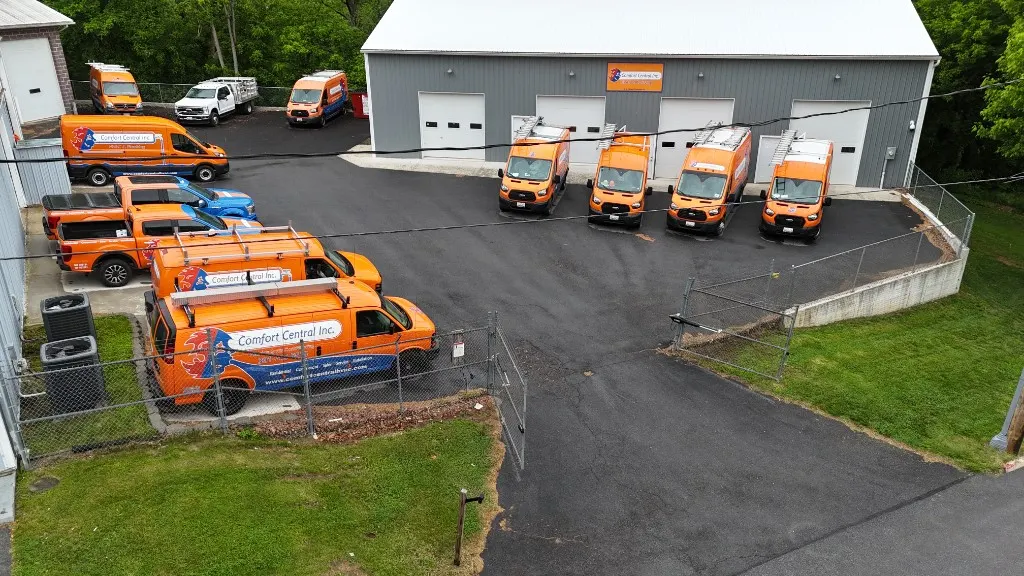
Just last August, our Comfort Central team responded to a local homeowner experiencing a blower capacitor failure on a hot summer afternoon. One of our technicians arrived quickly, had the right part in stock on the truck, and completed the repair professionally in under 30 minutes, restoring the cooling cycle without delay.
Refrigerant leaks are another serious culprit. If the system is low on refrigerant, it loses pressure and trips a low-pressure safety switch, causing the short-cycle. Only a licensed technician can legally and safely handle refrigerant levels, locate the leak, and perform an emergency AC repair. Prompt service is critical to prevent a failing component from destroying the entire compressor.
Honest Diagnostics: Avoiding Unnecessary Late-Season Replacements
It is incredibly stressful when an air conditioner stops mid-cycle, especially late in the season. A common homeowner fear is that this sudden shutdown means the entire unit is dead and requires a massive investment. However, in our years of local service, this is rarely the case.
Many short-cycling issues in the Williamsport MD area are resolved with simple, affordable repairs. Replacing a frayed wire, swapping out a degraded run capacitor, or clearing a blocked condensate drain line can completely resolve the issue. At Comfort Central Inc., our core philosophy is rooted in family values, meaning we prioritize honest diagnostics to ensure our Williamsport neighbors aren't pushed into unnecessary replacements when a simple repair will do.
In another instance during the fall transition, a customer was crunched for time with a challenging system issue. Our technicians arrived within an hour, the owner personally followed up, and the complex issue was resolved quickly through honest troubleshooting, without any high-pressure sales tactics.
Transparent explanations from your technician are vital. You deserve to understand exactly what component is failing, why it failed, and what your options are. If your system is aging, our honest assessment will help you weigh the repair against troubleshooting benchmarks and replacement criteria, giving you the information you need to make the right decision for your home without pressure. Also, keep in mind that generic federal tax credits and local utility incentive programs may apply to qualifying high-efficiency installations if replacement becomes your best option; be sure to consult a tax professional or your utility provider to verify current programs.
Frequently Asked Questions About AC Systems That Cool Then Stop
Why does my AC run for 10 minutes then shut off?
This rapid on-and-off behavior is called short-cycling. It prevents the home from fully cooling or dehumidifying. Common causes our team sees include:
- Dirty, clogged air filters blocking airflow.
- An oversized AC unit that cools the space too quickly.
- Malfunctioning thermostats giving incorrect temperature readings.
- Late-summer August cooling fatigue straining older parts.
How do I fix an AC that stops cooling?
Start by replacing the air filter and checking the thermostat settings to ensure they are correct. If the issue persists after these basic checks, a professional must inspect the system for frozen coils, electrical issues, or refrigerant leaks, as these require specialized tools and licensing to repair safely.
Why is my AC blowing cold air then warm air?
This often indicates a frozen evaporator coil or a slow refrigerant leak. The system initially cools the air until the indoor coil freezes over entirely. Once the ice blocks the airflow, the system can no longer remove heat, causing warm air to circulate through your vents.
What causes an AC compressor to turn off?
Compressors turn off when internal safety switches trip due to overheating, electrical surges, or low refrigerant pressure. A failing run capacitor can also cause the compressor to drop out prematurely because it lacks the electrical support needed to maintain operation under heavy load.
Can an oversized AC unit cause short-cycling?
Yes, an oversized unit cools the air too quickly and shuts off before it can remove humidity from the home. This results in a clammy, sticky indoor environment and causes excessive wear on the compressor due to the constant starting and stopping.
Restore Your Home's Comfort Before Summer Ends
Late-season fatigue shouldn't leave your home uncomfortable or force you to endure a sticky, humid indoor climate. While short-cycling is a clear sign of system distress, it doesn't automatically mean your equipment is at the end of its life. By checking your filters and keeping your vents clear, you can rule out the simplest causes.
If basic maintenance doesn't resolve the issue, it is time to schedule a professional inspection. Getting the right local service expertise and area tips ensures your system is evaluated honestly and repaired accurately. If you are dealing with a system that cools and then suddenly stops in the Williamsport MD area, reaching out to our experienced team at Comfort Central Inc. for transparent, expert service is the fastest way to protect your equipment and restore your home's comfort before the season ends.