
The Frustration of an Air Conditioner That Cools Then Stops
The thermostat reads 78°F, but the air coming from the vents just shut off again—leaving your house sticky and uncomfortable. When weighing repair and replacement options comparisons for homeowners, our team at Comfort Central Inc. knows that evaluating this specific pattern of cooling and abrupt stopping is critical. You hear the compressor kick on, feel a brief wave of cold air, and then everything powers down long before the room reaches your desired temperature. This mechanical symptom is known in the HVAC industry as "short-cycling."
During the heavy demands of August end-of-season cooling, our technicians see firsthand that short-cycling is one of the most common signs that a system is mechanically struggling. Instead of running a smooth, continuous cycle to condition the air, the equipment starts and stops in rapid bursts. This constant interruption leaves you uncomfortable and forces you to make a difficult decision: is this a minor component failure that requires a quick fix, or is it a sign of severe mechanical fatigue pointing toward a full system replacement?
Evaluating this performance decline requires looking past generic advice. You need to understand exactly what is happening inside your air conditioning systems. By establishing a neutral, symptom-based framework, we help our Williamsport customers make a technically sound choice based on mechanical reliability rather than rushing into a decision out of frustration.
Understanding Short-Cycling: Why Your System Shuts Down Early
To understand why your system shuts down prematurely, we often explain to homeowners how a healthy cooling cycle operates. A standard cycle typically runs for 15 to 20 minutes. This duration is necessary to achieve two distinct goals: lowering the ambient temperature (sensible cooling) and extracting moisture from the air (latent cooling). When aging central air conditioning units begin to short-cycle, they interrupt this delicate balance.
Here is what our technicians observe when a system short-cycles instead of running a full operation:
- The initial start-up: The thermostat signals the system to turn on. The compressor draws a massive surge of electricity to start pumping refrigerant.
- The premature shutdown: Within just five to ten minutes, a safety sensor, electrical fault, or airflow restriction forces the system to power down completely.
- The humidity failure: Because the cycle was so brief, the evaporator coil never had enough time to condense and drain the moisture from your indoor air. The temperature might drop a degree or two, but the house feels damp and clammy.
- The rapid restart: Because the house is still warm and humid, the thermostat immediately calls for cooling again, repeating the damaging cycle.
In our years of servicing HVAC equipment, we have seen how this frequent starting and stopping is incredibly destructive. The compressor sustains its heaviest mechanical wear and draws the most power during the first few seconds of start-up. When a system cycles on and off six times an hour instead of two or three, that mechanical degradation accelerates rapidly. Over time, these incomplete cycles place immense strain on the motors and electrical components. If you need to restore proper cycle lengths, reaching out to our team for professional AC repair is the safest way to prevent further damage to the compressor.
Common Mechanical Triggers Behind Short-Cycling
An air conditioner cools and then stops because an internal mechanism is forcing it to shut down. These safety shutoffs are designed to protect the equipment from catastrophic failure. Diagnosing the exact cause requires a licensed professional, as the underlying triggers involve high-voltage electricity and pressurized chemicals. During August end-of-season cooling, our crews typically encounter three primary mechanical faults driving this behavior.
Airflow Restrictions and Overheating
Your cooling system requires a massive, continuous volume of air moving across the indoor evaporator coil. If that airflow is restricted by a severely clogged air filter, blocked return vents, or crushed ductwork, the system cannot breathe. Without enough warm indoor air blowing across the cold coil, the internal temperature drops too low, causing the coil to freeze into a block of ice. Once the system detects this freezing or the blower motor overheats from the strain, safety switches immediately kill the power.
Electrical Component Degradation
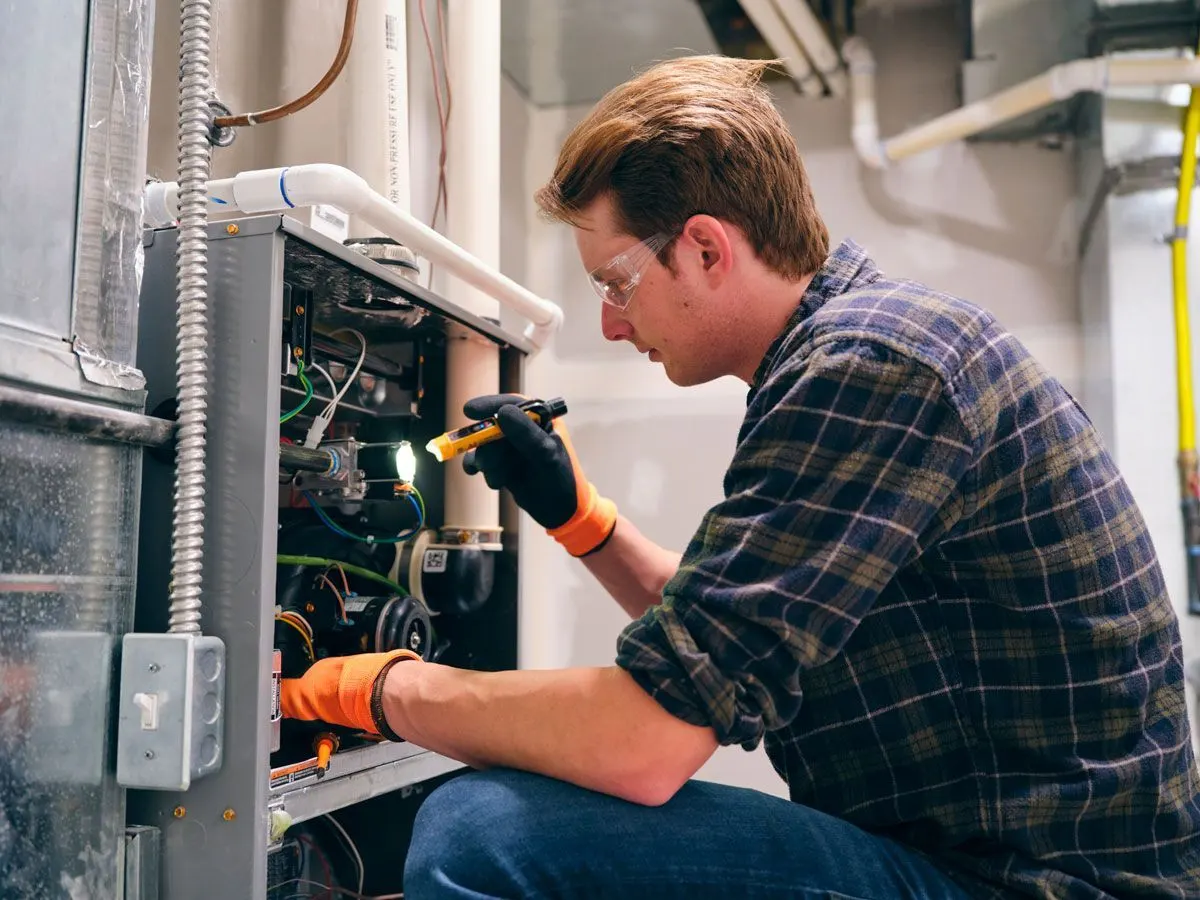
Air conditioners rely on capacitors to deliver the high-voltage jolt needed to start the compressor and fan motors. Contactors act as the mechanical switches that allow electricity to flow. When these electrical components begin to fail, they can intermittently drop the electrical connection. One of our Williamsport customers recently experienced a similar rapid-shutoff issue during the winter when their 3-year-old heat pump suffered from a faulty pressure switch wire that kept grounding out. A Comfort Central Inc. technician pinpointed the electrical fault in just 10 minutes and replaced the wire. Whether it is a winter heat pump or a summer AC, electrical degradation causes erratic, unpredictable shutoffs. You might also notice strange AC noises like buzzing or clicking right before the system stops.
Refrigerant Cycle Interruptions
Your system uses a precise charge of refrigerant to absorb heat. If a leak develops and the refrigerant level drops, the pressure inside the copper lines changes drastically. Low refrigerant often causes the indoor coil to freeze solid, which triggers a low-pressure safety switch to shut the compressor down. The system rests, the ice melts, and the cycle repeats. Because handling refrigerant requires EPA certification, diagnosing these pressure issues is strictly a job for our qualified HVAC professionals.
How Mid-Atlantic Heat Accelerates End-of-Summer Fatigue
The environment your equipment operates in plays a massive role in its lifespan. Throughout the Mid-Atlantic region—and particularly right here in Maryland—summers are characterized by a punishing combination of high heat and heavy humidity. This specific climate places maximum strain on aging central air conditioning units.
By the time late August arrives, your system has likely been running continuously for months. This cumulative wear and tear takes a toll on moving parts. Bearings lose their lubrication, electrical contacts become pitted, and coils accumulate dust. When ambient outdoor temperatures push into the upper 90s, our maintenance teams frequently find that these fatigued, aging components are pushed to their absolute operational limits.
The Mid-Atlantic humidity adds another layer of stress. Heavy, moisture-laden air requires a cooling system to run longer, uninterrupted cycles just to extract the latent heat (humidity) before it can effectively lower the sensible heat (temperature). If an older unit is already fatigued, this demand for longer run times often causes overheating, leading directly to short-cycling. The system simply lacks the endurance to finish the job.
This is precisely why late summer is the most common time for safety shutoffs to trigger. The equipment is exhausted, the ambient heat prevents the outdoor condenser from effectively releasing heat, and the components finally trip their safety limits. Scheduling comprehensive AC inspection and testing with our team during this high-stress period reveals exactly how much fatigue the system has accumulated over the season.
Evaluating System Health: A Non-Financial Performance Checklist
When aging central air conditioning units begin to short-cycle frequently, many homeowners are pushed toward the generic "5000 rule" (multiplying the repair cost by the age of the equipment). However, a truly objective diagnostic focuses purely on mechanical performance indicators. As a local Williamsport company rooted in family values, Comfort Central Inc. believes in providing honest home repairs—ensuring you receive an objective, symptom-based framework rather than an immediate push for a full system replacement.
One local customer with an aging HVAC system reached out to our team for an assessment this past spring. Our technician provided a completely honest, upfront evaluation of the mechanical realities, allowing the homeowner to understand exactly what needed to be done without any aggressive sales tactics. You can evaluate your own system's health using this non-financial checklist we share with our clients:
- Frequency of safety shutoffs: Track how often the system cools and then stops. An isolated event might be a dirty filter. If the system short-cycles multiple times a day throughout the late summer, it indicates severe, systemic fatigue.
- Indoor humidity control: Pay attention to how your home feels, not just the temperature on the thermostat. If the house consistently feels damp, sticky, or clammy, the system is failing its latent cooling responsibilities.
- Compressor start-up strain: Listen to the outdoor unit when it turns on. A healthy compressor starts smoothly. A failing compressor will grind, shudder, or dim the lights in your house before shutting down a few minutes later.
- Evaporator coil condition: Check the indoor unit for signs of heavy condensation, rust, or ice accumulation. A physically degraded coil often points to a refrigerant leak that cannot be permanently patched.
Using this checklist helps you determine if a repair will be a technically sound long-term fix or just a temporary band-aid. Regular routine AC maintenance performed by our experts is the best way to keep track of these indicators before they result in a complete breakdown.

Frequently Asked Questions About AC Short-Cycling
When dealing with August end-of-season cooling issues, having clear, accurate answers is essential for making informed decisions about your home's comfort.
Why does my AC run for 10 minutes then shut off?
This specific timing often points to an oversized AC unit or a severely restricted airflow issue. If a system is too large for the square footage of the house, it cools the immediate area around the thermostat far too quickly and shuts down before dehumidifying the rest of the home. Alternatively, if the air filter is completely clogged, the internal components will overheat and trip a safety switch at roughly the ten-minute mark. Both scenarios prevent the system from completing a healthy, standard cycle.
How do professionals fix an AC that stops cooling?
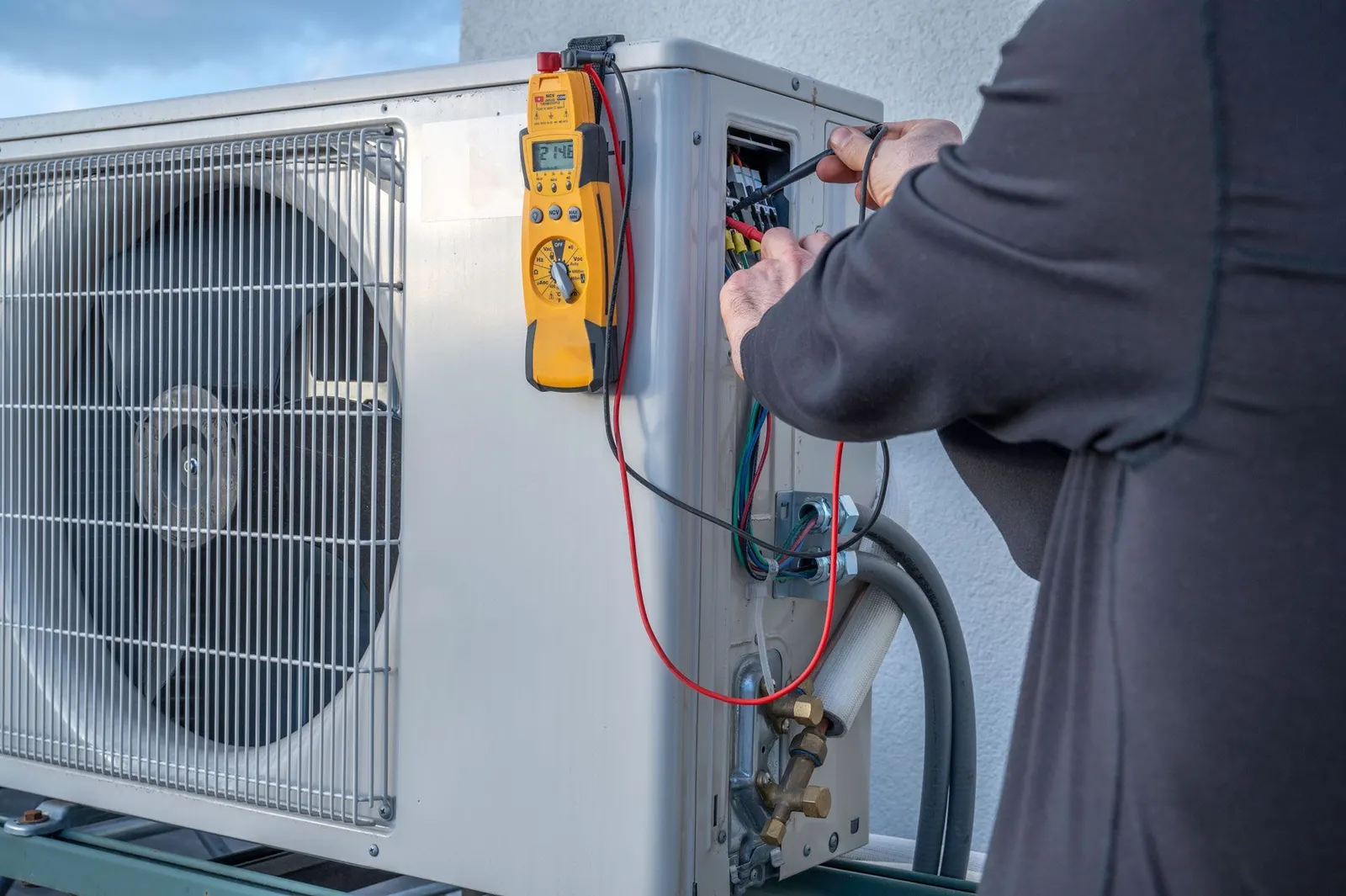
Our technicians start by measuring electrical draw, testing capacitor strength, and checking refrigerant pressures with specialized gauges. Once the exact point of failure is identified, repairs can range from simply replacing a swollen capacitor to deep-cleaning a frozen evaporator coil. If the issue is tied to refrigerant, we locate the leak, seal the copper line, and recharge the system to the manufacturer's exact specifications.
Why is my AC blowing cold air then warm air?
This symptom usually indicates a frozen evaporator coil or a compressor that is overheating and shutting down while the indoor fan keeps running. When the outdoor compressor trips its thermal overload switch and stops pumping refrigerant, the indoor blower motor continues to push air through the ductwork. Because the air is no longer passing over a cold coil, the vents begin blowing unconditioned, warm air into your living spaces.
Is AC short-cycling dangerous for the system?
Yes, it places extreme mechanical stress on the compressor and electrical components. The start-up phase requires the highest surge of electricity and creates the most friction on internal bearings. Continuous short-cycling multiplies this wear and tear exponentially, which can lead to premature compressor failure. Since the compressor is typically the most expensive component in the entire system, allowing short-cycling to continue untreated is highly risky.
Is short-cycling a definitive sign I need a new AC?
Not always; on our daily service calls, we find that many causes, like a bad capacitor, a failing contactor, or a dirty air filter, are easily and affordably repairable. However, if short-cycling occurs frequently in an older system during peak heat, it is a strong indicator of severe mechanical fatigue. A professional evaluation is required to determine if the system is simply suffering from a minor electrical fault or if the core components are failing beyond repair.
How does high humidity affect an air conditioner's cycle length?
High humidity increases the latent heat load, requiring the AC to run significantly longer to extract moisture from the indoor air. The system must condense this water vapor into liquid and drain it away before the home truly feels comfortable. If the system short-cycles, it fails to remove this moisture, resulting in a damp, heavy indoor environment even if the thermostat shows a slight drop in temperature.
Get an Honest Assessment for Your Cooling System
Understanding why your system cools and then stops is the first critical step to restoring your indoor comfort. When aging central air conditioning units begin to fail, guesswork only leads to more frustration. Another homeowner in our Williamsport service area recently experienced ongoing AC problems requiring multiple service visits, but the persistence and quick response from a dedicated Comfort Central Inc. technician finally isolated the underlying mechanical fault. That level of thoroughness is exactly what you need.
You deserve a clear, non-financial checklist of performance indicators to help you determine if a repair is a temporary band-aid or a technically sound long-term fix. Seek out an objective, symptom-based evaluation of your equipment. By consulting with our local experts for honest diagnostics, you can address the root cause of the short-cycling and ensure your home remains comfortable through the rest of the season.