
Why Does My AC Blow Cold Air for a While, Then Stop?
Is your AC actually broken — or just struggling to keep up? Here at Comfort Central Inc., it is one of the most frustrating experiences we see homeowners face during the peak of summer. You hear the system kick on, you feel a brief blast of cold air from the vents, and then the cooling abruptly stops. The fan might keep running, but it only pushes warm, sticky air through your home. If you are trying to get common homeowner questions answered about your cooling system, this specific symptom is right at the top of the list we receive from residents in the Williamsport area.
This cycle leaves your house feeling uncomfortable, failing to dehumidify effectively. It is a classic sign of "short-cycling," a mechanical symptom that often points to cumulative end-of-season wear. As August late-summer humidity sets in, systems that ran perfectly in June suddenly start to stumble under the continuous workload. The decision you face now is determining whether this is a simple maintenance issue you can check yourself, or a complex mechanical failure that requires a licensed professional. If you need dedicated air conditioning services, understanding the root cause is the first step toward restoring your home's comfort.
Understanding Short-Cycling: Fan Operation vs. Compressor Cooling
To understand why your system is behaving this way, our technicians often explain to customers how a central air conditioner actually works. Your system is split into two main halves: the indoor air handler (which contains the blower fan and evaporator coil) and the outdoor condensing unit (which houses the compressor and condenser coil). These two halves must work in perfect harmony. When they fall out of sync, you experience the exact symptoms of short-cycling in the Williamsport MD area.
What Exactly is Short-Cycling?
A normal, healthy cooling cycle typically lasts between 15 and 20 minutes. This duration allows the equipment to effectively lower the indoor temperature while also running long enough to pull excess moisture out of the air. Short-cycling occurs when the system runs for only a few minutes before abruptly turning off. The equipment never completes a full cycle. Over time, this rapid on-and-off behavior puts immense strain on the motors and electrical components. In our experience, ignoring short-cycling can lead to premature compressor failure, spiked energy bills, and a severely degraded lifespan for your equipment.
Why is the Fan Running but Not Cooling?
Many homeowners call us confused when they hear air blowing from the vents, but the air is warm. The indoor fan circulating air is a completely separate function from the outdoor compressor removing heat. Your thermostat commands the indoor fan to run to circulate air, but a built-in safety switch may have disabled the outdoor compressor to protect it from damage. This results in the indoor fan blowing unconditioned, humid air back into your living spaces. The fan is doing its job, but the heavy lifting of heat removal has stopped.
Common Culprit #1: Late-Summer Airflow Restrictions
The most frequent and easily fixable cause of short-cycling we encounter is severely restricted airflow. When your system was serviced in the spring, the air filter was likely clean and fresh. However, by the time August late-summer humidity arrives, that same filter has logged hundreds of hours of operation. It has trapped dust, pet dander, pollen, and airborne debris for months. Filters that were clean in June often become heavily restricted by August, choking the system of the air it needs to breathe.
When airflow is restricted, the cold air produced by the evaporator coil gets trapped inside the indoor unit. The temperature inside the air handler drops rapidly, which can cause the system's internal safety sensors to trip and shut the outdoor compressor down to prevent freezing. This is why the system cools briefly and then stops.
Safe Homeowner Checks for Airflow:
- Locate your air filter: Check the return air grille or the slot near your indoor air handler.
- Inspect for blockage: Pull the filter out and hold it up to a light source. If you cannot see light passing through the media, the filter is clogged.
- Replace with the correct size: Insert a new, clean filter, ensuring the airflow arrows point toward the equipment.
- Check your supply vents: Ensure rugs, furniture, or curtains are not blocking the registers in your rooms.
According to the US Department of Energy, replacing a dirty, clogged filter with a clean one can lower your air conditioner's energy consumption by 5% to 15%. Staying on top of routine AC maintenance and tune-ups is the easiest way to prevent this specific type of short-cycling.
Common Culprit #2: Frozen Evaporator Coils
If poor airflow is left unaddressed, our team frequently sees it lead to a much more severe problem: a frozen evaporator coil. Air conditioners do not just cool the air; they also remove moisture. In the Williamsport MD area, high humidity indexes mean your system is working double-duty as a heavy dehumidifier. As warm, moist air passes over the freezing cold indoor coil, condensation forms.
If there is not enough warm air blowing across that coil (due to a clogged filter or blocked vents), that condensation freezes. The ice starts as a thin layer of frost and quickly builds into a solid block of ice. The symptom you experience is distinct: the unit cools your home until the ice blocks the internal airflow entirely, at which point it stops cooling while the fan continues to blow warm air.
Important Warning: Never attempt to scrape the ice off the coils with a tool. The copper or aluminum fins are delicate, and puncturing them will result in a catastrophic refrigerant leak. Instead, turn the thermostat to "Off" and switch the fan setting to "On." This allows warm indoor air to slowly melt the ice over several hours.
We often see how complex these issues can be when they go beyond a simple filter change. For example, our Comfort Central Inc. team recently helped a family with ongoing AC problems that required multiple service calls to track down a persistent recurring issue. It takes a dedicated team to continue addressing these ongoing problems until the root cause—like a hidden refrigerant leak causing the coil to freeze repeatedly—is fully resolved with professional gauges and diagnostic tools.
Common Culprit #3: Thermostat Miscalibration
Before assuming a major mechanical failure, it is crucial to rule out simple control issues. The thermostat acts as the brain of your entire cooling system. If the brain is sending the wrong signals, the equipment will behave erratically. If a thermostat misreads the room temperature, it will shut the system off prematurely, causing it to cool briefly and then stop.
During periods of August late-summer humidity, small environmental factors can heavily influence how your thermostat reads the room. If the thermostat thinks the house is cool, it will shut the outdoor compressor off.
- Direct sunlight: If the sun shifts during the late afternoon and shines directly onto the thermostat casing, the sensor will read a falsely high temperature, causing the system to run constantly. Conversely, if a nearby vent blows cold air directly onto the thermostat, it will read a falsely low temperature and shut off prematurely.
- Dying batteries: Many thermostats rely on AA or AAA batteries to maintain their relays. As batteries lose their charge, the thermostat can send weak or intermittent signals to the control board, causing the system to drop the cooling call abruptly.
- Smart thermostat safety lockouts: Modern smart thermostats have built-in safety features. If they detect a power fluctuation or an anomaly in the system's electrical draw, they may trigger a temporary shutdown to protect the equipment.
Always check your thermostat placement, replace the batteries if they are more than a year old, and ensure the device is firmly seated on its wall plate before calling for a repair.
Common Culprit #4: Electrical Faults and Compressor Overload
If the filter is clean, the coils are thawed, and the thermostat is functioning, the short-cycling is likely rooted in an electrical fault or a compressor issue. Over a long, hot summer in the Williamsport MD area, we see electrical components degrade due to constant heat and heavy usage.
The most common electrical failure is a degrading capacitor. Capacitors act like large batteries that deliver a massive jolt of electricity to start the heavy motors in your system (both the indoor blower motor and the outdoor compressor). When a capacitor weakens, the motor struggles to start, draws too much amperage, and overheats.
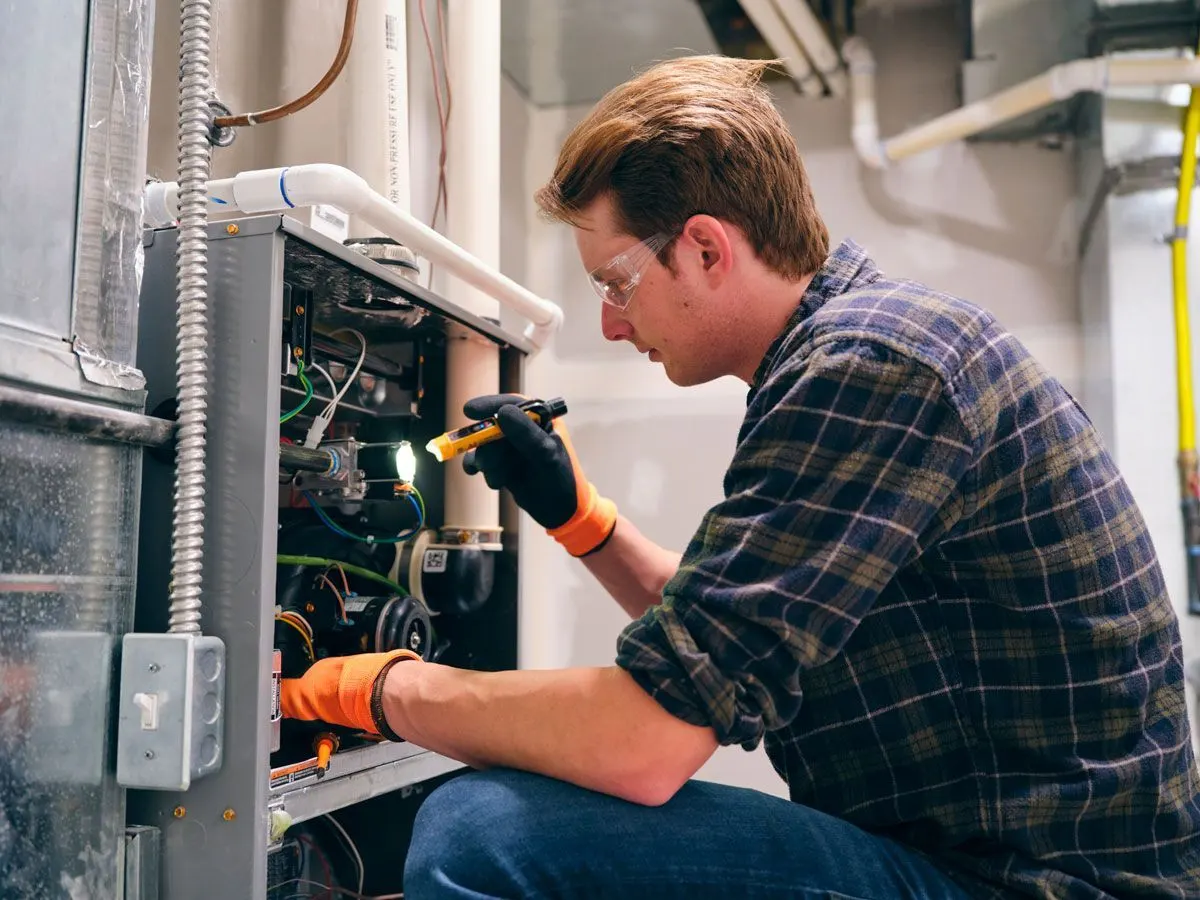
During a recent late-summer heatwave, one of our technicians responded to a customer's system that suddenly stopped pushing air entirely. The capacitor on their indoor blower had burned up. Our technician arrived quickly, had the necessary part in stock on the truck, and completed the repair within 30 minutes, getting the system back online safely. Dealing with capacitors and high-voltage components requires a licensed professional, as these parts can hold a lethal charge even when the power is turned off.
Another major culprit is compressor thermal overload. The outdoor compressor is a heavy-duty pump that moves refrigerant. If it overheats—due to dirty outdoor condenser coils, a failing fan motor, or low refrigerant—it has an internal safety switch that shuts it off to prevent permanent melting of its internal windings. It will only turn back on once it cools down, resulting in the "cools then stops" symptom. Sudden electrical shutdowns are often accompanied by unusual sounds, making decoding weird AC noises an important part of catching problems early.
Honest Diagnostics: When to Call a Professional
Knowing when to handle a problem yourself and when to call a professional can save you time, stress, and unnecessary diagnostic fees. As a homeowner, your safe maintenance boundaries include inspecting the air filter, checking the thermostat batteries, and ensuring all interior vents are open and unblocked. If you perform these checks and the system still short-cycles, it is time to call an expert.
Clear red flags that necessitate a professional include recurring ice on the indoor coils, hissing sounds near the equipment (which indicates a high-pressure refrigerant leak), or an outdoor compressor that repeatedly trips your home's electrical breaker.
This is where our commitment to honest diagnostics comes into play. A trustworthy technician from Comfort Central Inc. will explain exactly why professional tools are needed without pushing for an immediate system replacement. For example, during a recent tune-up, one of our technicians thoroughly assessed a customer's aging AC system. Instead of pushing an immediate replacement, our technician explained exactly what needed to be done, ensuring the customer received honest advice about the aging system's needs and options.
| Symptom / Check | DIY Homeowner Action | Professional Technician Action |
|---|---|---|
| Dirty Air Filter | Pull out the old filter, check for light pass-through, and install a new one. | Measure static pressure drops across the return ductwork to ensure proper airflow. |
| Thermostat Issues | Replace AA/AAA batteries and check for direct sunlight on the casing. | Test control wire voltage and calibrate temperature swings at the main board. |
| Frozen Indoor Coils | Turn the system off, turn the fan on, and let the ice melt naturally. | Attach specialized gauges to check refrigerant subcooling and superheat levels. |
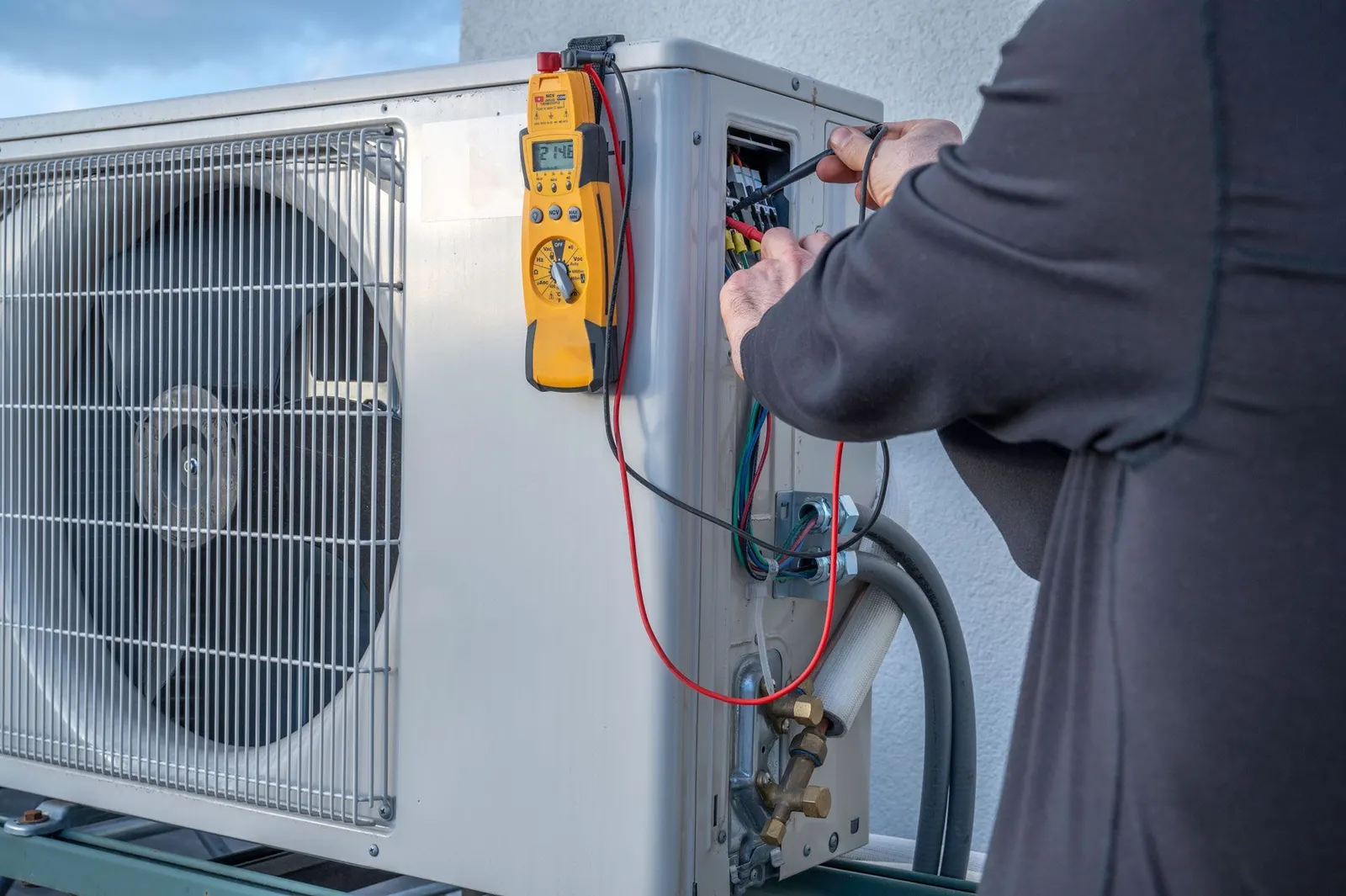
| Electrical Malfunctions | Check the main home breaker panel for a tripped switch. | Safely discharge and test high-voltage capacitors and contactors with a multimeter. |
If you are facing complex symptoms in the August late-summer humidity, scheduling an emergency AC repair in Williamsport ensures a licensed expert correctly identifies the root cause.

Frequently Asked Questions About AC Short-Cycling
Why does my AC blow cold air for a while then stop?
This is known as short-cycling, often caused by restricted airflow, a frozen evaporator coil, or a compressor overheating and shutting down prematurely. When the system detects a safety risk, such as extreme internal temperatures or abnormal pressure, it cuts power to the cooling components while leaving the fan running. Identifying whether the issue is a clogged filter or a failing outdoor motor is the first step in resolving the problem.
What causes an AC compressor to turn off?
Compressors turn off due to thermal overload, tripped electrical breakers, failing capacitors, or low refrigerant levels triggering a low-pressure safety switch. The compressor is the most expensive part of your system, so it is heavily protected by sensors. If it gets too hot, draws too much electrical current, or lacks the refrigerant needed to keep itself cool, it will shut down to prevent catastrophic failure.
Why is my AC running but not lowering the humidity?
If the indoor fan is running but the outdoor compressor has shut down, the system will circulate warm air without extracting moisture, leaving the home humid. Air conditioning systems remove humidity by passing warm air over a freezing cold coil, causing condensation to form and drain away. If the compressor is off, that coil warms up, and the dehumidification process stops completely, even though you still hear air blowing.
How do I fix an AC that stops cooling?
Start by replacing a dirty air filter and checking the thermostat. If the issue persists, a licensed professional is needed to check refrigerant levels and electrical components. Homeowners should never attempt to handle high-voltage wiring or tap into the closed refrigerant loop. Clearing away outdoor debris and changing the indoor filter are the safest and most effective initial steps you can take.
Can a bad thermostat cause an AC to stop cooling?
Yes, a miscalibrated thermostat or one with dying batteries can send incorrect signals to the AC, causing it to shut down before the room reaches the desired temperature. If the thermostat is located near a heat source, a drafty window, or in direct sunlight, it will read the ambient temperature incorrectly. This "ghost reading" will force the equipment to behave erratically, turning on and off at random intervals.
Schedule Your Honest AC Diagnostic Today
Dealing with a system that cools briefly and then gives up is incredibly frustrating, especially when the August late-summer humidity is at its peak. While a dirty filter is a quick and easy fix, persistent short-cycling requires expert attention to prevent further damage to your expensive compressor. Ignoring the warning signs often leads to complete system failure right when you need cooling the most.
At Comfort Central Inc., we are committed to providing a professionally-guided, honest assessment of your equipment. We believe in finding the actual root cause of the problem rather than pushing for unnecessary upgrades. If your system is struggling to keep up, encourage the cooling relief your home deserves. Reach out to schedule a professional AC repair service today, and let our team ensure your home stays comfortable, dry, and cool through the rest of the season.