
Sudden Furnace Shutdowns: Diagnosing Exterior Vent Blockages
The wind is howling, the snow is piling up against the side of your house, and suddenly, the rooms start feeling uncomfortably chilly. You check the thermostat only to realize your heating system has completely stopped running. If you are dealing with pvc exhaust pipe freezing, you are certainly not alone. Losing heat during a severe weather event causes immediate concern for any homeowner, often leading to panic about catastrophic mechanical failures and expensive replacements.
However, a sudden shutdown does not always mean your equipment is broken. Often, it is actually an external safety trigger doing exactly what it was designed to do. When you face this situation, recognizing the signs of an obstructed exhaust pipe can save you time, prevent unnecessary stress, and help you determine whether the issue can be safely managed outside. If you need professional help right away, you can always reach out for emergency HVAC repair to restore your home's comfort.
During unpredictable November early winter snowstorms, many properties get caught off guard. Understanding when a problem is a simple snowdrift blockage versus when it requires an emergency diagnostic visit is the first step toward getting your home warm again. Let's break down exactly why this happens, how your system protects itself, and what you can safely do about it.
The Science Behind High-Efficiency Furnace Venting
To understand why your heating system is vulnerable to exterior freezing, you have to look at how modern equipment operates. If your home relies on high-efficiency (90%+) condensing furnaces with side-wall PVC venting, the rules of exhaust and ventilation are very different from older, traditional systems.
Why Condensing Furnaces Use PVC
Traditional furnaces, typically rated around 80% AFUE (Annual Fuel Utilization Efficiency), vent hot exhaust gases vertically through metal flues that go up through your roof. Because these gases are incredibly hot, they travel quickly and require heavy-duty metal piping to safely exit the home.
Modern condensing units are built differently. They extract so much heat from the combustion gases to warm your home that by the time the exhaust is ready to leave the system, it is actually quite cool. Because the exhaust temperature is so low, it can safely travel horizontally through standard plastic PVC piping out the side of your house.
| Furnace Type | Venting Material | Exhaust Temperature | Venting Direction |
|---|---|---|---|
| Standard (80% AFUE) | Metal Flue | Very High | Vertical (Through Roof) |
| High-Efficiency (90%+ AFUE) | PVC Plastic | Relatively Low | Horizontal (Side Wall) |
This high-efficiency heat extraction process is fantastic for reducing your energy consumption, but it creates a specific byproduct: significant condensation. The chemical makeup of these exhaust gases includes a large amount of water vapor, which is slightly acidic. Plastic PVC resists this corrosive moisture far better than metal ever could, making it the perfect material for the job.
The Condensation and Freezing Risk
The very feature that makes your furnace efficient is what creates the freezing risk. As the moisture-laden exhaust air travels through the PVC pipe toward the exterior of your home, it carries water droplets with it. When this warm, wet air finally hits sub-freezing outdoor temperatures at the end of the pipe, the condensation can rapidly turn to ice.
If the weather is cold enough, this ice begins to build up around the rim of the pipe. Over hours or days, the opening becomes narrower and narrower until it is completely choked off. This critical intersection—where warm exhaust meets freezing outside air—requires careful monitoring during the coldest months of the year.
How Severe Winter Storms Compromise Your Exhaust Pipes
While standard condensation freezing is a gradual process, severe weather events can block your vents in a matter of hours. Low-clearance sidewall vents are particularly vulnerable to accumulating snow, and early season storms often catch properties unprepared, especially if summer vegetation hasn't been cleared away from the exterior walls.
When a storm hits and you suddenly lose heat, reaching out for emergency HVAC repair in Williamsport is a smart move, but understanding the environmental factors at play can help you explain the situation clearly to your technician.
The Threat of Heavy Snowdrifts
Wind patterns play a massive role in how snow accumulates around your foundation. Even if only a few inches of snow fall from the sky, heavy winds can push massive drifts against the side of your house. Because high-efficiency PVC vents are often installed just a foot or two above the ground, wind-blown snowdrifts can quickly bury the exhaust pipes before you even realize there is a danger.
During November early winter snowstorms, the snow is often wet, heavy, and dense. This type of snow packs tightly against the side of the house and the vent openings, creating a solid wall that exhaust gases simply cannot penetrate. A low-clearance vent can be completely submerged in less than an hour of high winds.
Ice Buildup from Freezing Rain
The Mid-Atlantic winter weather reality often features a volatile mix of freezing rain, sleet, and heavy snow. This combination creates dense snowdrifts topped with solid ice caps that are much harder to clear than dry, powdery snow.
Freezing rain is particularly dangerous for sidewall vents. As the rain falls and immediately freezes on contact, it can create an impenetrable ice cap directly over the vent screen or the pipe opening. Unlike loose snow, this solid ice forms a complete seal. Removing this type of blockage requires extreme care, as hacking at the ice can easily shatter the cold, brittle PVC pipe underneath.
The Mechanical Sequence of a Pressure Switch Lockout
When your exterior vent gets blocked by snow or ice, your furnace does not just slowly fade away—it actively shuts itself down. This is a deliberate, engineered response designed to keep your home safe. High-efficiency (90%+) condensing furnaces with side-wall PVC venting rely on a highly specific sequence of operations to ignite safely.
Detecting Airflow Restrictions
Before your furnace ever attempts to light the burner, it runs through a safety checklist. The very first step involves the draft inducer motor. This small blower turns on to push residual gases out of the heat exchanger and create a steady flow of air through the PVC exhaust pipe.
As the inducer motor runs, it creates a specific vacuum pressure inside the system. A specialized component called the pressure switch constantly monitors this airflow. The pressure switch is connected to the inducer via a small rubber hose, and it physically measures whether the exhaust gases are flowing freely out of the house.
The Safety Trip and System Shutdown
When the exterior PVC pipe is blocked by a snowdrift, the exhaust gases have nowhere to go. They back up into the pipe, which instantly alters the internal air pressure inside the furnace cabinet. Here is the exact mechanical sequence that follows:
- The Inducer Motor Starts: The thermostat calls for heat, and the small motor powers up to clear the venting.
- The Pressure Switch Reads the Vacuum: The switch attempts to verify that the vent is clear.
- Improper Pressure Detected: Because the pipe is blocked by snow, the required vacuum is never achieved.
- The Safety Trip: The pressure switch refuses to close its electrical circuit.
- The Lockout: The furnace control board detects the open circuit, immediately cuts power to the ignition process, and goes into a hard safety lockout.
During this lockout, you might notice that your main blower fan continues running, circulating cold air throughout the house. This is a secondary safety feature designed to cool down the heat exchanger, but it often confuses homeowners into thinking the heater is broken, when in reality, the burner has simply been disabled for safety.

Carbon Monoxide Risks and Built-In Protections
It is incredibly frustrating to lose heat during a freezing winter night, but the pressure switch lockout is not a nuisance—it is a life-saving protective feature. Without proper venting, the combustion gases generated by your furnace have nowhere to go but back into your home.
The most dangerous component of these exhaust gases is carbon monoxide (CO). Carbon monoxide is an odorless, colorless, and tasteless gas that poses severe health risks to humans and pets. Because high-efficiency (90%+) condensing furnaces with side-wall PVC venting process fuel so thoroughly, they still produce CO, which absolutely must be vented outdoors.
The pressure switch lockout serves as your primary defense against carbon monoxide poisoning. By shutting down the ignition sequence before the burner even lights, the system ensures that no dangerous gases are ever produced while the vent is blocked. Understanding this system empowers you to respect the lockout rather than attempting to force the system to run.
This is why a commitment to safety-first diagnostics is so important. A proper diagnostic approach always prioritizes household safety over quick fixes during severe cold snaps. If your system is locked out, it is protecting you. When you require Hagerstown emergency HVAC services, a professional technician will always verify that the venting is clear and safe before attempting to reset the equipment.
Safe Exterior Snow Clearing Guidelines for Homeowners
If your furnace stops running during November early winter snowstorms, the very first thing you should do is check the exterior of your home. By safely clearing away snow and ice, you can often restore proper airflow and allow the system to reset itself. However, you must handle the PVC pipes carefully to avoid causing permanent damage.
If you are unsure of your next steps, reviewing what to do when your gas furnace stops working during a cold snap is a great way to stay informed.
Locating the Exterior Vents
First, you need to find the pipes. High-efficiency systems typically have two PVC pipes running side-by-side on the exterior of the home. One is the intake pipe, which pulls fresh air in for combustion, and the other is the exhaust pipe, which pushes the gases out. They are commonly placed a foot or two above the foundation line, often pointing slightly downward to allow condensation to drip out.
Proper Clearing Techniques
When you locate the pipes, you may find them completely buried in a snowdrift. Follow these guidelines to clear them safely:
- Use your hands or a soft brush: Gently sweep the snow away from the opening of both pipes.
- Never use sharp tools: Do not use metal shovels, ice picks, or hammers to break ice off the plastic pipe. PVC becomes incredibly brittle in sub-freezing temperatures and will easily crack or shatter upon impact.
- Clear a wide perimeter: Ensure a clearance area of at least three feet around the vent for proper airflow. This prevents nearby snow from drifting back over the pipe during the night.
- Check inside the pipe: Look closely at the opening with a flashlight. Sometimes, ice forms a ring just inside the lip of the pipe that needs to be gently melted or brushed away.
| Safe Clearing Tools | Dangerous Clearing Tools (Do Not Use) |
|---|---|
| Soft bristle snow brush | Metal snow shovels |
| Heavy winter gloves (hands) | Hammers or mallets |
| Warm (not boiling) water for melting | Ice picks or screwdrivers |
| Plastic hand trowel (used gently) | Blowtorches or open flames |
When to Stop Troubleshooting and Call a Professional
While clearing the exterior vents is a perfectly safe task for a homeowner, there is a hard line where DIY troubleshooting must stop. High-efficiency (90%+) condensing furnaces with side-wall PVC venting are complex, electronically controlled machines. If clearing the exterior vent does not restore function after you cycle the power at the thermostat, the issue requires professional attention.
Identifying Internal Component Failures
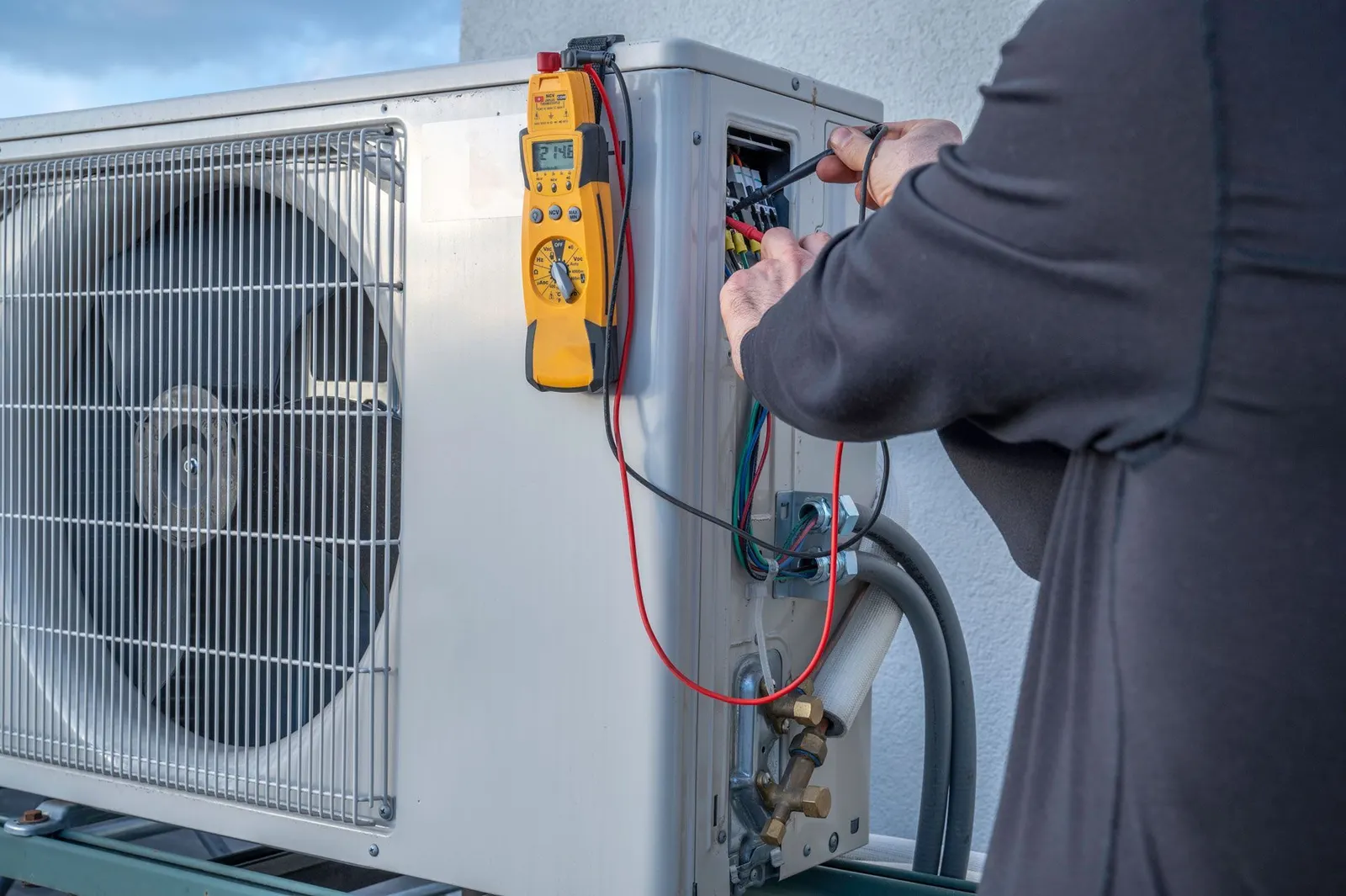
A persistent lockout could indicate that the problem goes far beyond a simple snow blockage. If the vent is completely clear outside but the furnace still refuses to ignite, you might be dealing with a failed pressure switch, a blocked internal condensate drain line, or a burned-out inducer motor. The complexity of modern condensing furnace diagnostics means that tracing the electrical fault requires specialized multimeters and training.
The Dangers of Opening the Furnace Cabinet
Homeowners should never open the furnace cabinet to bypass safety switches, alter internal wiring, or attempt to force the system to run. Bypassing a pressure switch is incredibly dangerous and can immediately fill your home with carbon monoxide.
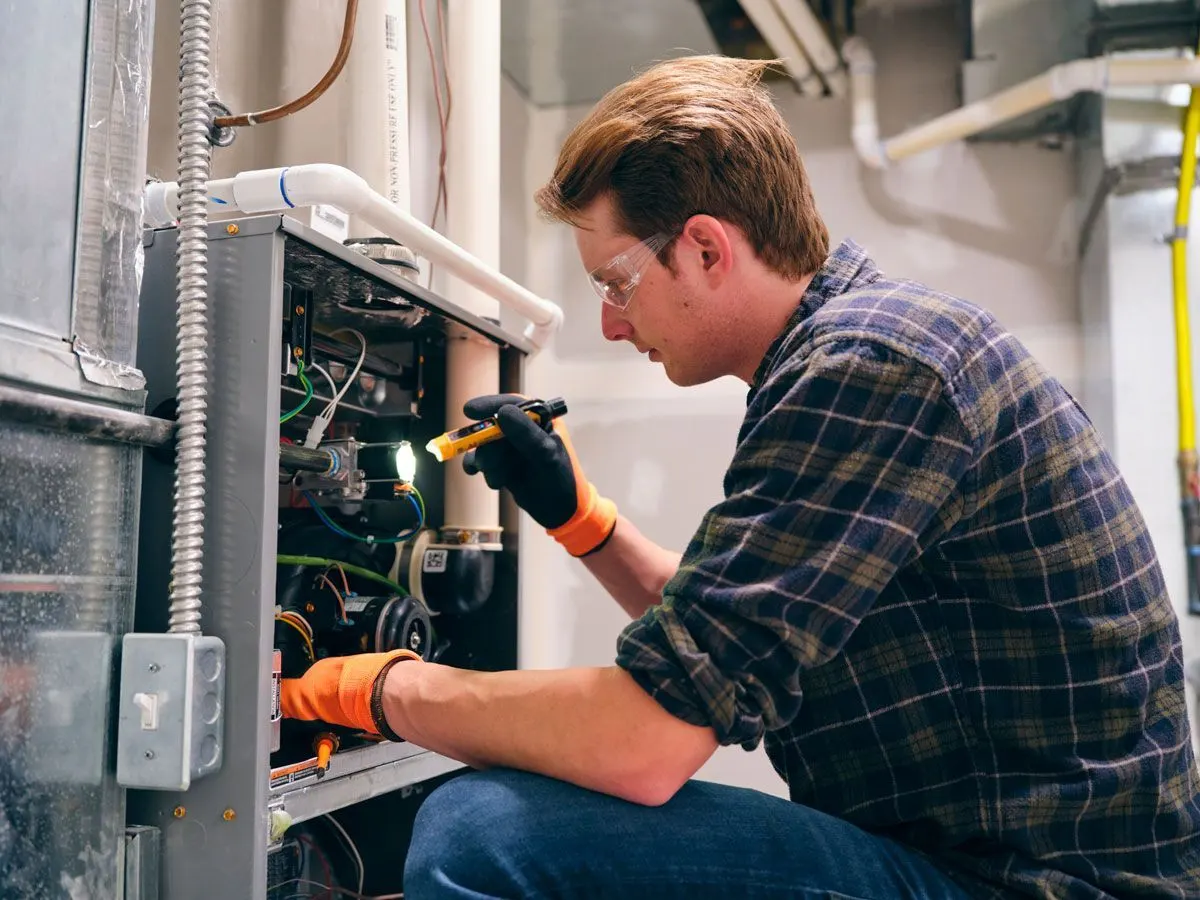
Furthermore, opening the cabinet and tampering with the internal components poses a severe risk of electrical shock and will almost certainly void your manufacturer's warranty. Resetting internal safeties, testing the sequence of operations, and replacing faulty pressure switches is exclusively a job for licensed professionals. Technicians have the exact diagnostic tools required to safely test the system and restore your heat without compromising your family's safety.
Ensuring Reliable Heating Through the Next Cold Snap
Staying proactive about your exterior vent clearance is the best way to keep your heating system running smoothly all winter long. When November early winter snowstorms are in the forecast, take a few minutes to check your PVC pipes and clear away any encroaching snowdrifts before you go to sleep. A little bit of prevention goes a long way toward maintaining a warm, comfortable home.
Understanding how your safety lockouts work provides peace of mind during severe weather. You no longer have to panic when the system shuts down, knowing that it is actively protecting you from harmful gases. Always keep your vents clear, respect the built-in safety features, and if you ever suspect an internal mechanical failure, it is always best to lean on professional expertise to get your system back online safely and efficiently.
Frequently Asked Questions
Why is my furnace exhaust pipe freezing?
High-efficiency furnaces extract so much heat from combustion that the exhaust gases are cool and full of moisture. As this wet air travels through the PVC pipe and hits sub-freezing outdoor temperatures, the condensation can rapidly turn to ice. Over time, this ice builds up and restricts the airflow.
What happens if snow covers my furnace vent?
If snow covers your exterior vent, the exhaust gases cannot escape the pipe, which alters the internal air pressure of the system. The furnace's pressure switch will detect this lack of airflow and immediately trip a safety lockout. This cuts power to the ignition to prevent dangerous gases from backing up into your home.
Will a blocked exhaust pipe stop a furnace from running?
Yes, a blocked exhaust pipe will absolutely stop a modern furnace from running. The system is engineered to shut down completely if the venting is obstructed. This is a critical safety feature designed to prevent carbon monoxide poisoning.
How do I safely keep my PVC exhaust pipe from freezing?
The best way to prevent freezing is to maintain a clear perimeter of at least three feet around the exterior pipes. Keep snowdrifts shoveled away, trim back summer vegetation, and gently brush away any ice buildup during winter storms using a soft brush or your hands.
Can I reset my furnace after clearing snow from the vent?
Once you have safely cleared the snow and ice from the exterior PVC pipes, you can typically reset the furnace by turning the thermostat off and back on, or by toggling the main power switch next to the unit. If the system still refuses to start after a reset, you should leave it off and call a licensed professional for a diagnostic check.