
The Frustration of an Air Conditioner That Quits Too Soon
The September early fall transition brings unpredictable weather to the mid-Atlantic, with warm, sticky afternoons quickly giving way to chilly evenings. At Comfort Central Inc., we've found that navigating these temperature swings effectively often requires local service expertise and area tips to ensure your home remains consistently comfortable without overworking your equipment. One of the most frustrating issues our technicians encounter during this seasonal shift is an air conditioner that turns on, blows cold air for just a few minutes, and abruptly shuts off long before the house actually feels cool.
This rapid on-and-off behavior is known in the HVAC industry as "short-cycling." It is a mechanical symptom indicating that your system is shutting down defensively or receiving incorrect signals from its controls. When the weather begins to cool down in early fall, the cooling load on your house drops, which can make this erratic behavior even more noticeable.
At this time of year, you face a critical decision point. When the house feels uncomfortable because the AC is acting up, the temptation is to simply turn the system off and flip the thermostat to "heat" on the first chilly night. However, ignoring a short-cycling issue now sets the stage for major component failures later. Whether you have a dedicated central air conditioner or a heat pump, those mechanical issues do not disappear when the seasons change. Addressing the root cause of erratic cooling cycles is the only way our team recommends to protect your air conditioning systems from long-term damage.
What It Means When Your System Short-Cycles
To understand why an air conditioner cooling and then stopping is so harmful, you have to look at how the machinery is designed to operate. An HVAC system is not like a lightbulb that you can flick on and off without consequence. The start-up phase of a cooling cycle requires an enormous surge of electricity to get the heavy compressor motor turning and to pressurize the refrigerant. This initial surge draws the most power and causes the most mechanical wear and tear on the entire system.
When a system short-cycles, it is forced to endure this grueling start-up phase over and over again, sometimes dozens of times an hour. If left unaddressed, this relentless stopping and starting will overheat the electrical components, degrade the contactors, and eventually lead to premature compressor failure. As the fluctuating cooling loads during mild early fall weather in Williamsport MD trick the system into running shorter cycles, the strain on your equipment multiplies. If you stand near your indoor or outdoor unit, our technicians always advise you to listen for strange AC noises during these abrupt stops, such as hard clanking, grinding, or loud humming, which strongly indicate severe mechanical distress.
The Anatomy of a Normal Cooling Cycle
A healthy air conditioner operates in long, steady, and predictable rhythms. By comparing a normal cycle to a short cycle, the mechanical deficit becomes clear:
| Cycle Characteristic | Normal Cooling Cycle | Short-Cycling System |
|---|---|---|
| Duration | 15 to 20 minutes per cycle | 5 to 10 minutes (or less) |
| Temperature Control | Even, consistent cooling throughout the home | Cold spots near vents, warm rooms elsewhere |
| Component Stress | Minimal; system reaches steady operating state | Extreme; constant electrical surges on start-up |
| Energy Consumption | Efficient and balanced | Highly wasteful due to repeated start-up spikes |
The Hidden Cost: High Humidity and Sticky Indoor Air
Air conditioners are tasked with two distinct but equally important jobs: they must lower the ambient air temperature, and they must remove latent moisture from the indoor environment. The dehumidification process takes time. As warm indoor air blows across the freezing cold evaporator coil, the moisture in the air condenses into water droplets, drips into a drain pan, and is safely routed outside your home.
When an AC cools then stops cooling prematurely, it simply does not run long enough for that condensation process to happen effectively. The system might run just long enough to drop the air temperature a few degrees, but the moisture remains trapped inside. The Environmental Protection Agency (EPA) recommends keeping indoor humidity levels between 30 and 50 percent for optimal health, comfort, and protection against mold growth. Achieving this target is physically impossible if your unit is short-cycling.
This issue becomes particularly glaring during the September early fall transition. Mid-Atlantic high humidity often persists well into September, even as the ambient temperature begins to drop. If your system short-cycles, it traps this thick summer moisture indoors just as the weather cools, leaving your home feeling sticky, cold, and clammy rather than crisp and comfortable.
Recently, our team at Comfort Central Inc. helped a Williamsport homeowner who reached out needing to understand their HVAC system issues after noticing their house felt uncomfortably damp despite the AC running. Our technicians spent significant time explaining the problem and all options transparently, detailing how short, erratic cooling cycles fail to remove moisture from the air. By taking the time to explain the relationship between cycle runtimes and indoor humidity, we ensured the customer felt informed and confident in their decision-making process moving forward.
Safe Homeowner Checks for Erratic Cooling
If you notice your system turning on and off too rapidly, there are several safe, non-technical troubleshooting steps you can take before calling a professional. Often, the system is simply shutting down to protect itself from an airflow restriction or a false temperature reading. Here is what our team recommends you check in your Williamsport MD home:
- Inspect and replace dirty air filters: This is the single most common cause of erratic system behavior. A clogged air filter acts like a wall, starving the blower motor of air. Without enough warm air moving over the indoor coil, the coil drops below freezing and turns into a block of ice. The system's safety switches detect this and shut the cooling cycle down. Check your filter monthly, especially after a long summer of heavy use.
- Verify your thermostat settings and environment: Your thermostat is the brain of your HVAC system. If it is located in direct sunlight, near a heat-generating appliance, or directly above a supply vent, it will read the room temperature incorrectly. It might think the room has reached the target temperature in just five minutes and shut the system down prematurely. Ensure the thermostat is set to "cool" (or "auto" during the fall transition) and that the fan is set to "auto" rather than "on."
- Clear all supply and return vents: Walk through every room in your house and ensure that no furniture, heavy curtains, or area rugs are blocking the vents. It is a common myth that closing vents in unused rooms saves energy. In reality, modern central air systems are balanced for the whole house. Closing vents increases static pressure inside the ductwork, which makes the blower motor work harder and can trigger a short-cycle shutdown.
- Check the outdoor condenser unit for debris: The large metal box outside your home needs at least two feet of clear space around it to exhaust the heat it removes from your house. Late-summer grass clippings, fallen leaves, and overgrown bushes can choke the condenser fins. If the unit cannot expel heat, the compressor overheats and the system's thermal overload switch will shut it down instantly to prevent a fire.

When to Rely on Honest Professional Diagnostics
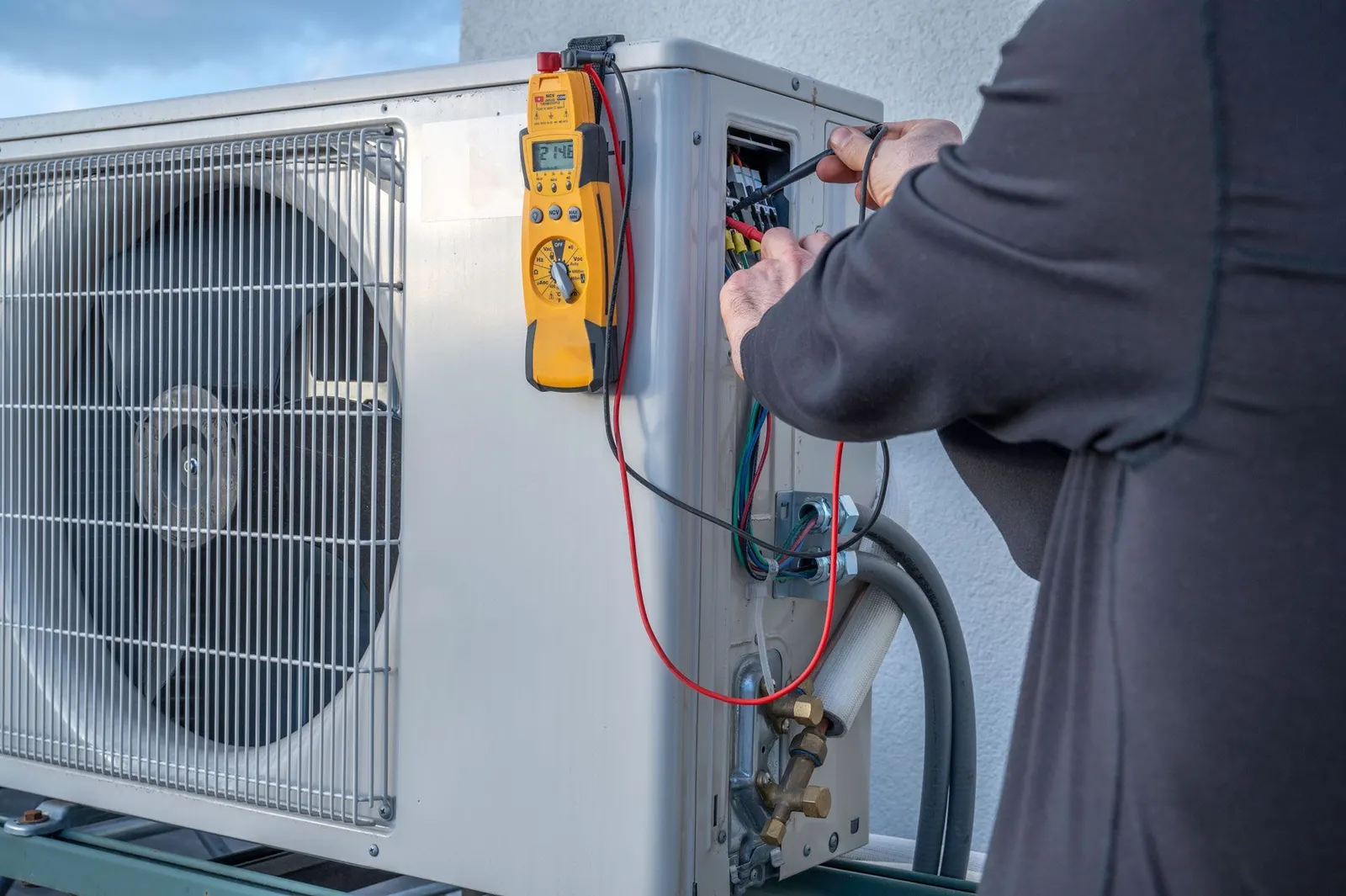
If you have changed the filter, checked the vents, and verified the thermostat but the system continues to start and stop rapidly, the issue is mechanical. At this stage, attempting to fix the system yourself is dangerous and can void your manufacturer warranty. You need a licensed technician with the right tools to measure electrical draws, test airflow static pressure, and check refrigerant levels.
One primary culprit for persistent short-cycling our team frequently sees is a loss of refrigerant. Air conditioners do not consume refrigerant like a car consumes gas; it circulates in a closed loop. If the level is low, there is a leak somewhere in the copper lines or coils. Low refrigerant causes the pressure inside the system to drop to unsafe levels. To protect the compressor from sucking in air and destroying itself, a "low-pressure switch" trips, stopping the cooling cycle abruptly. The system waits a few minutes, pressure equalizes, it tries to start again, and the switch trips again. This creates a relentless short-cycling loop.
Another common cause is an oversized air conditioning unit. If your AC has too much cooling capacity for the square footage of your home, it will blast the rooms with cold air, satisfying the thermostat in just a few minutes. However, because it ran for such a short time, the walls, floors, and furniture remain warm. Ten minutes later, that heat radiates back into the room, and the AC has to turn on again. Correcting an oversized system requires a professional load calculation.
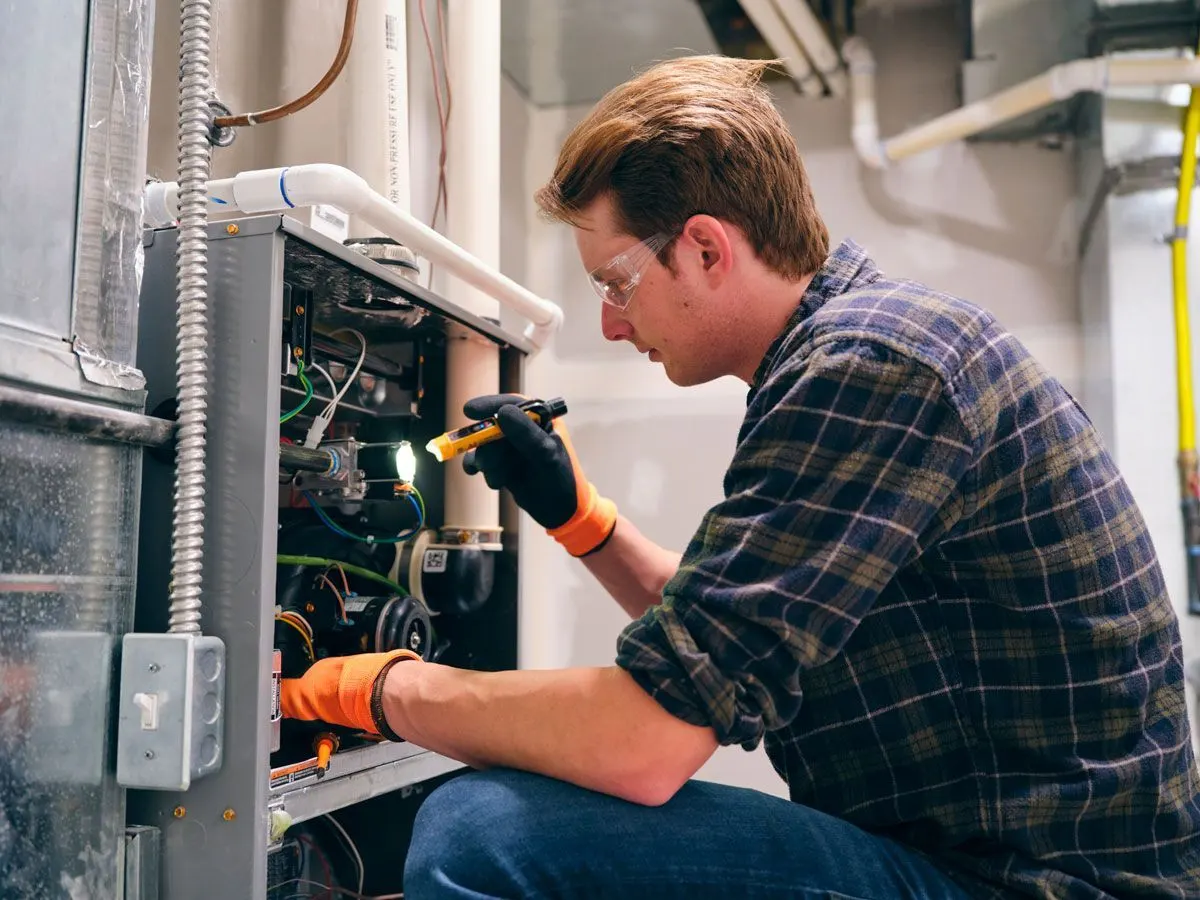
During a recent cooling season, our team responded to a homeowner experiencing sudden, erratic system shutdowns. One of our technicians arrived quickly and, rather than assuming the worst, discovered that a simple capacitor on the indoor blower had burned up. Because our technicians carry the right parts, the blower was fixed in under 30 minutes, restoring proper airflow and stopping the short-cycling. This highlights the importance of working with a company like Comfort Central Inc., rooted in family values and honest diagnostics. We will thoroughly investigate root causes like sensors, capacitors, or airflow restrictions rather than using a short-cycling symptom as an excuse to push a full system replacement before winter. When you need accurate answers, reaching out for professional AC repair service is the smartest move.
The Danger of Ignoring the Problem
Allowing a short-cycling condition to continue is one of the fastest ways to destroy an HVAC system. The constant influx of high-amperage electricity stresses the run capacitors, pits the contactor relays, and overheats the compressor windings. What might start as a simple airflow restriction or a failing sensor can quickly escalate into a burned-out compressor, turning a minor repair into a major, costly system failure.
Fixing Cooling Issues Before the Heating Season Begins
As the September early fall transition takes hold, many homeowners are tempted to simply ignore lingering late-season AC issues. If the air conditioner is short-cycling, the common logic is, "I'll just turn it off soon and switch to heat anyway. I'll deal with the AC next spring." Our team knows this is a critical mistake, especially for homes equipped with heat pump systems.
A heat pump uses the exact same mechanical components—the compressor, the coils, the blower motor, and the refrigerant—for both heating and cooling. The only difference is a reversing valve that changes the direction of the refrigerant flow. If your system is short-cycling in September because of a dirty blower wheel, a failing capacitor, or a refrigerant leak, that exact same issue will cause a total heating failure in November. The mechanical stress does not reset just because you changed the mode on your thermostat.
Even if you have a separate furnace and air conditioner, they share the same indoor blower motor and ductwork. In our years of serving the Williamsport area, we've found that a comprehensive pre-heating season tune-up addresses these lingering cooling issues while simultaneously prepping the combustion side of your heating system for winter. Scheduling routine AC maintenance and fall heating prep ensures that your equipment is thoroughly cleaned, tested, and calibrated. Resolving erratic cycles now prevents emergency breakdowns on the first freezing night of the year.
Frequently Asked Questions About Erratic AC Cooling
Why does my AC blow cold air for a while then stop?
When an AC blows cold air briefly and then shuts down, it is usually entering a short-cycle. This happens when the system's internal safety switches detect a problem, such as an overheating compressor or a frozen evaporator coil, and cut the power to prevent damage. It can also occur if the thermostat is getting a false reading and incorrectly signaling that the room has reached the target temperature. Checking your air filter and thermostat placement is the best first step.
What causes an AC to short cycle during mild weather?
During mild early fall weather, the cooling load on your house is significantly reduced compared to peak summer. If your AC is slightly oversized for your home, it will cool the space far too quickly on a mild day and shut off abruptly. Additionally, mild weather can cause the indoor coil to freeze faster if there is a slight airflow restriction, prompting the system's low-pressure switch to trigger a shutdown.
Why does my AC shut off before reaching the set temperature?
If the AC shuts down before the room actually reaches the temperature set on the thermostat, the system is likely tripping a thermal or pressure safety switch. A clogged air filter, a failing blower motor, or a refrigerant leak can cause the internal pressure to drop or the components to overheat. The system shuts down defensively to save the compressor, regardless of what the thermostat is demanding.
How do I fix an AC that stops cooling?
Start by replacing your indoor air filter, ensuring all room vents are open, and clearing any leaves or debris away from the outdoor condenser unit. If the thermostat is set correctly and the filter is clean but the system still stops cooling prematurely, the issue requires professional tools. A licensed technician must safely check the refrigerant charge, test electrical components like capacitors, and measure duct static pressure.
Can short-cycling damage my compressor before winter?
Yes, short-cycling is incredibly damaging to your compressor. The start-up phase of a cooling cycle draws the most electrical current and puts the highest mechanical torque on the compressor motor. Forcing the compressor to start and stop dozens of times an hour causes it to overheat, which degrades the internal windings and can lead to a complete motor burnout before the heating season even begins.
Ensure Your Comfort with Reliable Fall HVAC Preparation
Don't let a short-cycling air conditioner ruin your indoor comfort or risk the long-term health of your HVAC system. Dealing with sticky indoor humidity and unpredictable temperature swings is frustrating enough without worrying about whether your equipment is damaging itself every time it turns on. Taking action during the early fall transition ensures your home is ready for whatever the weather brings, whether it is a late-season heat wave or an early winter freeze.
If you have checked your filters and vents but are still experiencing erratic, short cooling cycles, it is time to have the system professionally evaluated. A thorough diagnostic check by our team will isolate the root cause, restore proper cycle times, and give you the confidence that your system will perform reliably. Reach out for AC repair in Williamsport today to secure a comfortable, efficient home environment for the seasons ahead.