
The Frustration of an Air Conditioner That Cools Then Stops Cooling
Your thermostat reads 78 degrees, but you set it to 72. Suddenly, the system kicks on, and a wave of relief washes over you as cold air flows through the vents. But less than five minutes later, the system abruptly shuts down. The house is still warm, the air feels heavy, and you are left wondering why your AC cools then stops cooling before the job is done. This specific symptom is a glaring warning sign that your cooling system is struggling to sustain normal operation.
To restore consistent comfort and protect your equipment, learning more about professional air conditioning services is the right next step.
In the HVAC industry, this rapid on-and-off behavior is known as "short-cycling." While the air coming out of the vents might feel appropriately cold for those brief few minutes, the underlying mechanical failure putting an abrupt halt to the cycle puts the entire system at significant risk. Short-cycling is not a quirk that will resolve itself; it is an active distress signal from your equipment.
This issue becomes particularly urgent during the demanding August late-summer cooling season. After months of continuous heavy operation, components are fatigued. When an air conditioner begins to short-cycle during these peak heat periods, the compressor is forced to start and stop repeatedly. This constant starting draws massive amounts of electrical current, rapidly overheating the compressor motor. If left unaddressed, a system that cools briefly and then shuts down is on a fast track toward catastrophic, irreversible compressor failure.
Understanding the Mechanics: What Is Short-Cycling?
The problem: Homeowners often assume that if cold air is coming out of the vents, the air conditioner is fundamentally fine. However, the length of the cooling cycle is just as important as the temperature of the air. When a system fails to run long enough to condition the space, it creates a cascade of mechanical and comfort problems.
The cause: A healthy, properly sized air conditioning system should run in continuous cycles of roughly 15 to 20 minutes. This duration allows the equipment to reach its peak operating efficiency, stabilize refrigerant pressures, and effectively circulate the conditioned air throughout every room in the house. Short-cycling occurs when the system powers on but shuts down in under 10 minutes, long before the thermostat reaches its set temperature.
Starting an air conditioning compressor requires an immense surge of electrical power—often six to seven times the energy required to keep it running. When a system short-cycles, it subjects the compressor, capacitors, and contactors to this massive power surge repeatedly. Months of this continuous heavy operation lead to severe electrical and mechanical fatigue. If you start noticing odd sounds accompanying these rapid shutdowns, understanding what strange AC noises mean for your system's health can provide early clues about which components are straining under the load.
The solution: Stabilizing the system requires identifying exactly why the cycle is being interrupted. Below is a quick comparison of how a normal cycle differs from a damaging short cycle:
| Operational Metric | Normal Cooling Cycle | Short-Cycling System |
|---|---|---|
| Cycle Duration | 15 to 20 minutes | Under 10 minutes |
| Electrical Strain | Low (steady running current) | Extremely High (constant startup surges) |
| Temperature Control | Even throughout the home | Hot and cold spots in different rooms |
| System Wear and Tear | Standard, expected wear | Accelerated compressor and capacitor fatigue |
The Hidden Impact on Indoor Comfort and Dehumidification
Temperature control is only half of an air conditioner's job. The other half—which is arguably more important for human comfort—is dehumidification. With high relative humidity being a constant factor in Mid-Atlantic summers, the dehumidification function of an AC unit is absolutely critical for indoor comfort in Williamsport MD residential areas.
When warm, moist indoor air is pulled through your return vents, it passes over the freezing cold evaporator coil. As the air hits this cold surface, the moisture in the air condenses into water droplets, drips into a drain pan, and is channeled outside your home. This process requires time. The system must run continuously for at least 15 minutes to move enough volume of air over the coil to extract a meaningful amount of indoor moisture.
When an air conditioner short-cycles, it simply does not run long enough to perform this vital extraction process. The system might run for five minutes, dropping the ambient temperature by a degree or two, but leaving all the moisture suspended in the air. The result is a home that feels sticky, clammy, and deeply uncomfortable, even if the thermostat reads a relatively cool number.
Persistent high indoor humidity creates secondary problems that go beyond physical discomfort. When a short-cycling system fails to dry out the indoor air during the August late-summer cooling season, the excess moisture can lead to poor indoor air quality. Condensation can begin to form on windows, wood flooring can swell, and damp environments become breeding grounds for mold and mildew within the ductwork. Fixing a short-cycling unit is not just about protecting the machinery; it is about restoring the healthy, dry air your home needs.
Common Culprits Behind Sudden Cooling Failures
When a cooling cycle abruptly halts, it is rarely a random glitch. Modern air conditioners are equipped with internal safety switches designed to cut the power when they detect conditions that could destroy the compressor. Understanding what triggers these safety shutdowns provides a clear, objective breakdown of why an AC unit might fail suddenly.
1. Airflow Restrictions and Dirty Filters
The most frequent and easily preventable cause of short-cycling is a severe lack of airflow. Your air conditioner requires a specific, constant volume of air moving through the system to transfer heat effectively. Over the summer months, dust, pet dander, and airborne debris accumulate rapidly.
When an air filter becomes heavily clogged, it acts like a wall, choking off the air supply to the blower motor. The system has to work twice as hard to pull air through the restriction, causing the blower motor to overheat. Once the internal temperature of the motor reaches a critical threshold, a thermal overload switch trips, shutting the system down to prevent a fire or permanent motor burnout. After the motor cools off, it tries to start again, repeating the short cycle.
2. Frozen Evaporator Coils
It sounds contradictory, but ice inside your air conditioner is a sign of a severe problem, not a sign that it is cooling well. The evaporator coil gets extremely cold during normal operation. If airflow is restricted by a dirty filter, or if the system is low on refrigerant due to a leak, the coil drops below the freezing point of water.
The natural condensation that forms on the coil instantly freezes into a block of solid ice. This ice acts as a thick layer of insulation, preventing the refrigerant inside the coils from absorbing any heat from your home's air. The compressor continues to pump refrigerant, but without heat absorption, liquid refrigerant can flow backward into the compressor—a fatal event called "liquid slugging." To prevent this, low-pressure safety switches detect the freezing conditions and shut the system down prematurely.
3. Electrical Component Fatigue
Air conditioners rely on a complex network of electrical components to sequence the cooling cycle. Capacitors store the massive electrical charge needed to jump-start the motors, while contactors act as heavy-duty switches that allow high-voltage power to flow to the compressor. Over a long, hot summer, these components undergo intense thermal stress.
When a capacitor begins to fail, it cannot deliver the necessary voltage to keep the compressor running, causing the motor to stall and shut down after just a few minutes. Wiring issues can also trigger rapid shutdowns. For example, during a routine service call, a technician discovered a three-year-old heat pump that was short-cycling simply because a pressure switch wire was rubbing against the suction line, creating a short circuit that triggered repeated safety shutdowns. Electrical safety sensors will immediately halt the cycle if voltage irregularities are detected, protecting the larger, more expensive components from catastrophic damage.

When Cumulative Wear Requires Professional Diagnostics
There is a distinct boundary between basic homeowner upkeep and the need for licensed professional intervention. Checking your thermostat settings, ensuring your supply and return vents are fully open, and replacing a dirty air filter are all safe, highly recommended homeowner tasks. However, if you have replaced the filter and the system continues to short-cycle, the problem has moved beyond simple maintenance.
Ignoring a short-cycling unit is incredibly risky. The longer a system is allowed to rapidly start and stop, the closer the compressor gets to complete burnout. Diagnosing internal electrical faults or refrigerant pressure imbalances requires specialized technical expertise and tools that are not available to the average homeowner. Sometimes, systems exhibit ongoing AC problems that require persistent, professional troubleshooting to fully resolve the root cause rather than just treating the symptom.
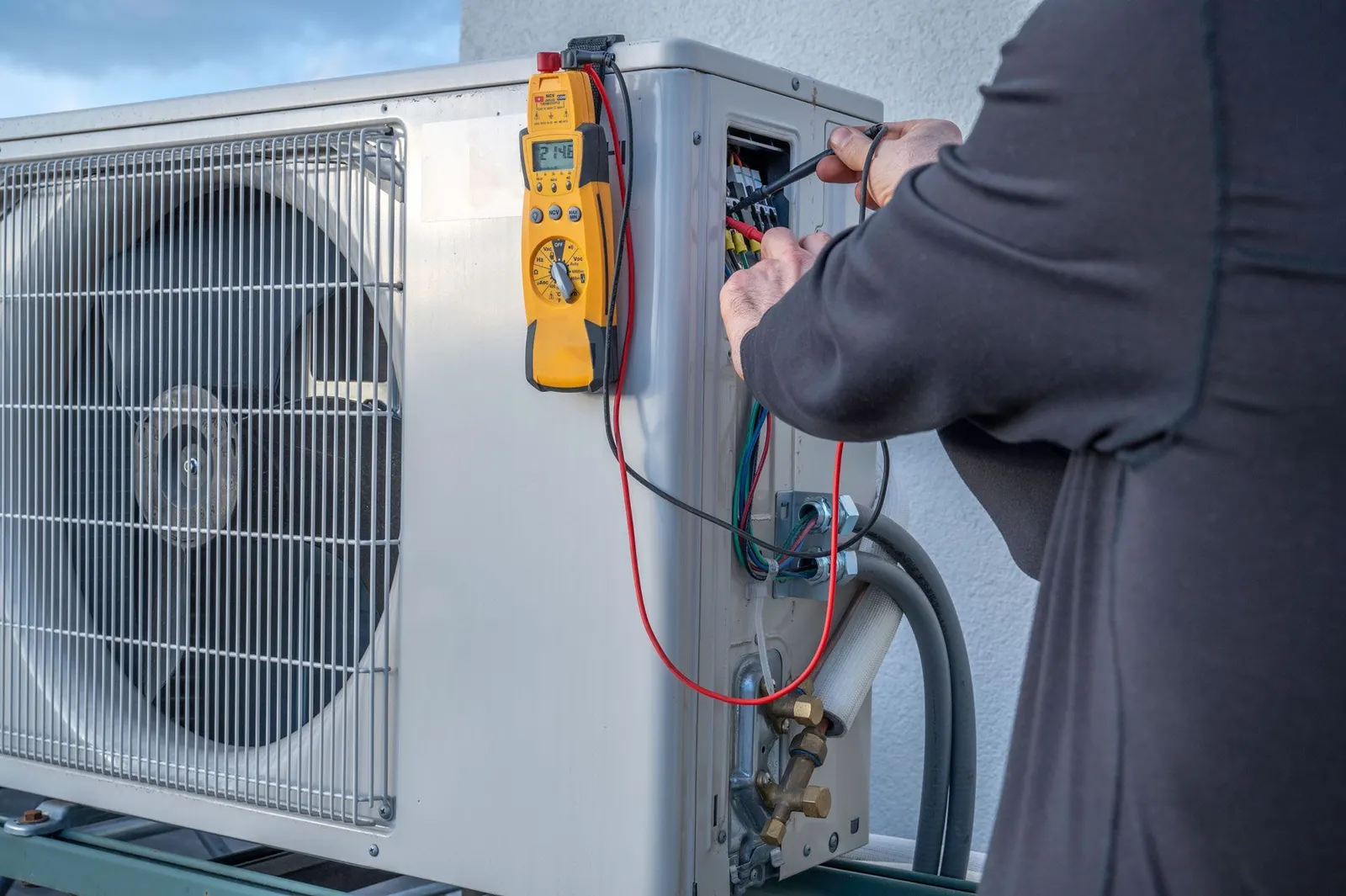
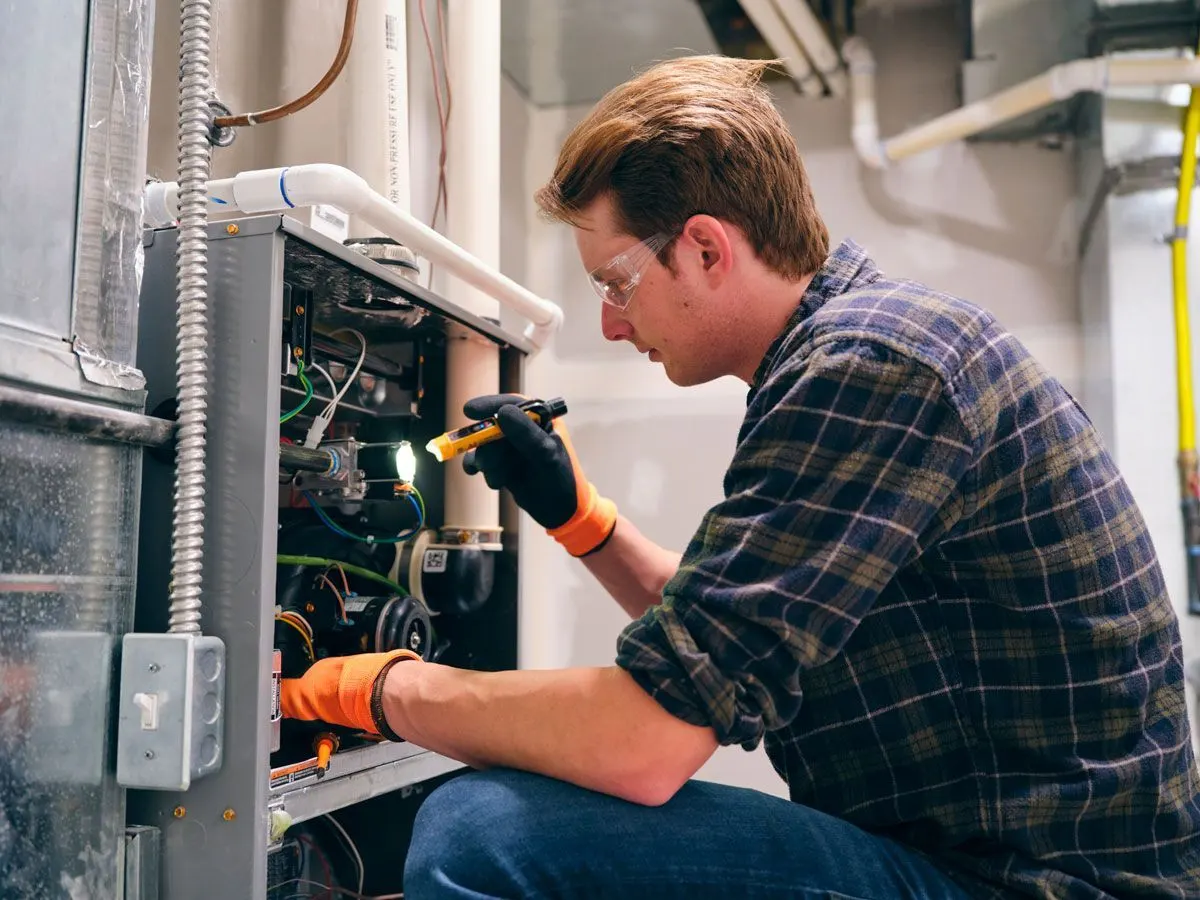
A licensed technician uses precision diagnostic tools to uncover exactly why the cycle is failing. They utilize digital manifold gauges to measure the exact superheat and subcooling temperatures of the refrigerant, determining if a microscopic leak is causing a pressure drop. They use specialized multimeters to test the microfarad readings on capacitors and check the amp draw of the compressor motor under load. By scheduling professional AC inspection and testing, you ensure that these critical metrics are evaluated accurately.
Early intervention is the key to saving a struggling system in Williamsport MD residential areas. Catching a weak capacitor or a failing contactor early means a relatively straightforward repair. Allowing that same weak component to continue short-cycling the system for weeks will eventually destroy the compressor, turning a minor electrical fault into a total system failure.
The Value of Honest Diagnostics Over Unnecessary Upsells
Unfortunately, the symptom of short-cycling is sometimes used by less scrupulous service providers to pressure homeowners into premature system replacements. Because a short-cycling system is visibly struggling and failing to cool the home, it is easy for high-pressure sales technicians to claim the entire unit is "dead" and must be replaced immediately before the summer ends.
This is where a family-values approach to repair makes a profound difference. A thorough, objective diagnostic process should evaluate the true health of the system, not just look for an excuse to sell a new one. Honest troubleshooting involves isolating the specific component that is triggering the shutdown. If a safety switch is tripping because of a clogged condensate drain line or a worn-out run capacitor, the system does not need to be replaced—it simply needs the right fix.
In one instance, technicians spent significant time with a homeowner who was completely unfamiliar with how their HVAC system operated. Instead of rushing to a conclusion, the technicians transparently explained the specific electrical issues causing the short-cycling, walked through the diagnostic readings, and presented all viable repair options so the customer felt fully informed and respected.
Understanding all available options before making a major financial decision is your right as a homeowner. A comprehensive assessment should leave you with clear answers: exactly what component failed, why it failed, and what it will take to restore the system to peak efficiency. Honest diagnostics prioritize extending the life of your current equipment in Williamsport MD residential areas whenever safely possible.
Preventative Steps to Stabilize Your System
As the August late-summer cooling season winds down, stabilizing your system is critical not just for finishing the summer comfortably, but for ensuring a smooth transition into the heating season. Proactive care extends the lifespan of the compressor, improves overall energy efficiency, and stops short-cycling before it starts.
Incorporating a thorough seasonal home maintenance checklist into your routine is the best defense against cumulative wear and tear. Here are the actionable steps to keep your system stable:
- Enforce a strict filter schedule: Check your air filter every 30 days, especially during peak summer usage. A clean filter is the single most effective way to prevent airflow restrictions and overheating.
- Clear the outdoor perimeter: Ensure there is at least two feet of clear space around your outdoor condenser unit. Trim back late-summer vegetation, tall grass, and bushes that block the exhaust fan.
- Monitor cycle lengths: Pay attention to how long your system runs. If you notice cycles consistently dropping below 10 minutes, document the behavior and call for diagnostics before the compressor overheats.
- Keep supply and return vents open: Never close vents in unused rooms. Closing vents increases static pressure inside the ductwork, forcing the blower motor to work harder and increasing the risk of short-cycling.
- Establish professional health checks: Do not wait for a breakdown to have a professional evaluate the system. Scheduling routine AC maintenance allows technicians to tighten electrical connections, measure capacitor health, and clear condensate lines before minor wear turns into a major shutdown.
Frequently Asked Questions
Why does my AC turn on for 5 minutes then shut off?
This rapid on-and-off behavior is called short-cycling, and it usually indicates a safety mechanism has been triggered to protect the compressor. The most common causes are severely clogged air filters, low refrigerant levels causing the coils to freeze, or failing electrical capacitors that cannot sustain the motor's power needs. It requires prompt attention to prevent permanent motor damage.
How do I fix a short cycling AC?
The first and only DIY step is to check and replace your indoor air filter, as severe airflow restriction is a primary cause of short-cycling. If a new filter does not resolve the issue, you must call a licensed technician. Fixing internal issues like refrigerant leaks, faulty pressure switches, or degraded electrical contactors requires specialized diagnostic tools and professional training.
Why is my AC running but not cooling the house?
If the system is running but the air feels warm, the unit is likely failing to absorb heat due to a frozen evaporator coil or a loss of refrigerant. Alternatively, if the system is short-cycling, it simply isn't running long enough to circulate conditioned air throughout the home or remove indoor humidity, leaving the house feeling warm and sticky.
What causes an air conditioner to stop cooling suddenly?
Sudden cooling failures are typically electrical or airflow-related. A tripped circuit breaker, a blown fuse in the disconnect box, a failed run capacitor, or a thermal overload switch shutting down an overheating blower motor will all cause an immediate halt to the cooling cycle. These safety shutdowns prevent catastrophic equipment failure.
Can a short-cycling AC increase my summer energy bills?
Yes, significantly. Air conditioners consume the most electricity during the initial startup phase when the compressor kicks on. When a system short-cycles, it is constantly stuck in this high-energy startup phase without ever reaching the efficient, steady-state running phase, which causes a sharp spike in energy consumption.
Is it safe to leave a short-cycling AC running overnight?
No, it is highly recommended to turn the system off at the thermostat if it is short-cycling. Allowing the unit to rapidly start and stop for hours unattended places immense thermal and electrical stress on the compressor. Turning it off prevents a relatively minor electrical repair from turning into a complete compressor burnout overnight.
Restore Your Cooling Consistency Before Summer Ends
Dealing with an air conditioner that teases you with cold air only to shut down minutes later is incredibly frustrating, especially during the heavy heat of late summer. Recognizing short-cycling as a critical warning sign rather than a minor annoyance is the first step in protecting your home's comfort. By relying on honest, objective diagnostics, you can pinpoint the exact cause of the cumulative fatigue and secure the right professional AC repair to keep your system running smoothly through the transition to fall.