
The September Switch: Overcoming Early Fall Heating Surprises
You turn on the thermostat on that first chilly night, expecting warm air, but instead, you get a blast of cold air or a strange burning smell. Before that first cold snap hits, completing a comprehensive seasonal home maintenance checklist is the single best way to prevent unexpected transition failures. The anxiety of testing a heating system after months of dormancy is a common experience for homeowners. When a furnace or heat pump sits idle throughout the hot summer months, the initial start-up in early fall often reveals hidden wear and tear.
The September pre-heating transition marks a critical window for your home's comfort system. During this period, homeowners frequently encounter immediate symptoms of transition stress. These can range from minor annoyances, like a lingering burning dust odor, to significant mechanical failures, such as a heat pump that outright refuses to switch out of cooling mode. When these symptoms appear, you face a core decision point: proactively addressing these minor transition issues now, or risking a total system failure during the first hard winter freeze when local technicians are booked solid.
How you handle this seasonal shift directly impacts the overall lifespan of your equipment. Ignoring early warning signs forces the system to work harder, accelerating mechanical degradation. By taking proactive steps, you ensure that your equipment runs efficiently and reliably. If you are concerned about the transition and want to ensure your air conditioning systems and heating equipment are fully prepared, scheduling a professional assessment is the safest route to peace of mind.
How Long Do HVACs Last? Baseline Lifespans by Equipment Type
When planning for the future of your home's comfort, understanding the baseline lifespans of different HVAC components is essential. Not all systems age at the same rate, and the type of equipment you rely on dictates how many years of reliable service you can expect. These baseline numbers assume that the equipment was properly sized at installation, receives regular preventative maintenance, and undergoes prompt repairs when issues arise.
Average Lifespan of a Central Air Conditioner
A standard central air conditioning unit typically lasts between 12 and 15 years. Because these units are primarily tasked with cooling the home during the summer months, they get a period of rest during the winter. However, their longevity heavily depends on keeping the condenser coils clean, changing indoor air filters regularly, and ensuring the compressor does not overwork due to restricted airflow.
Expected Longevity of a Furnace
Gas or electric furnaces often boast a longer lifespan, generally ranging from 15 to 20 years. Furnaces benefit from being housed indoors, protected from the harsh outdoor elements. Their primary enemy is a cracked heat exchanger or a failing blower motor, both of which are often the result of chronic poor airflow caused by neglected filter changes over several heating seasons.
The Unique Lifecycle of a Heat Pump
Heat pumps usually have a slightly shorter lifespan of 10 to 15 years. Unlike standalone ACs or furnaces, a heat pump operates year-round, providing cooling in the summer and heating in the winter. This continuous, 12-month duty cycle means the internal components endure double the mechanical wear.
| HVAC Equipment Type | Average Lifespan | Key Longevity Factors |
|---|---|---|
| Central Air Conditioner | 12 - 15 Years | Clean condenser coils, proper refrigerant charge, unrestricted airflow. |
| Gas or Electric Furnace | 15 - 20 Years | Indoor protection, intact heat exchanger, regular blower motor maintenance. |
| Heat Pump | 10 - 15 Years | Year-round operation requires bi-annual maintenance and prompt defrost cycle repairs. |
When a system nears the end of these expected ranges, proactive planning becomes necessary. Aging units lose their efficiency and become prone to sudden breakdowns. Exploring options for AC installation and replacement before the unit completely fails allows you to make an informed, unhurried decision about upgrading to a more efficient model.
The Mechanical Stress of Shifting from Cooling to Heating
The transition from summer cooling to fall heating is not just a matter of flipping a switch on the thermostat; it involves a complex mechanical shift inside the equipment. Understanding what happens under the hood highlights exactly why early fall maintenance is so critical.
The Problem: Heat Pumps Failing to Switch Modes
One of the most common early fall issues is a heat pump that continues to blow cold air even when the thermostat is set to heat. This leaves the home uncomfortably cold and forces the system to run continuously without reaching the desired temperature.
The Cause: Reversing Valve Strain and Summer Buildup
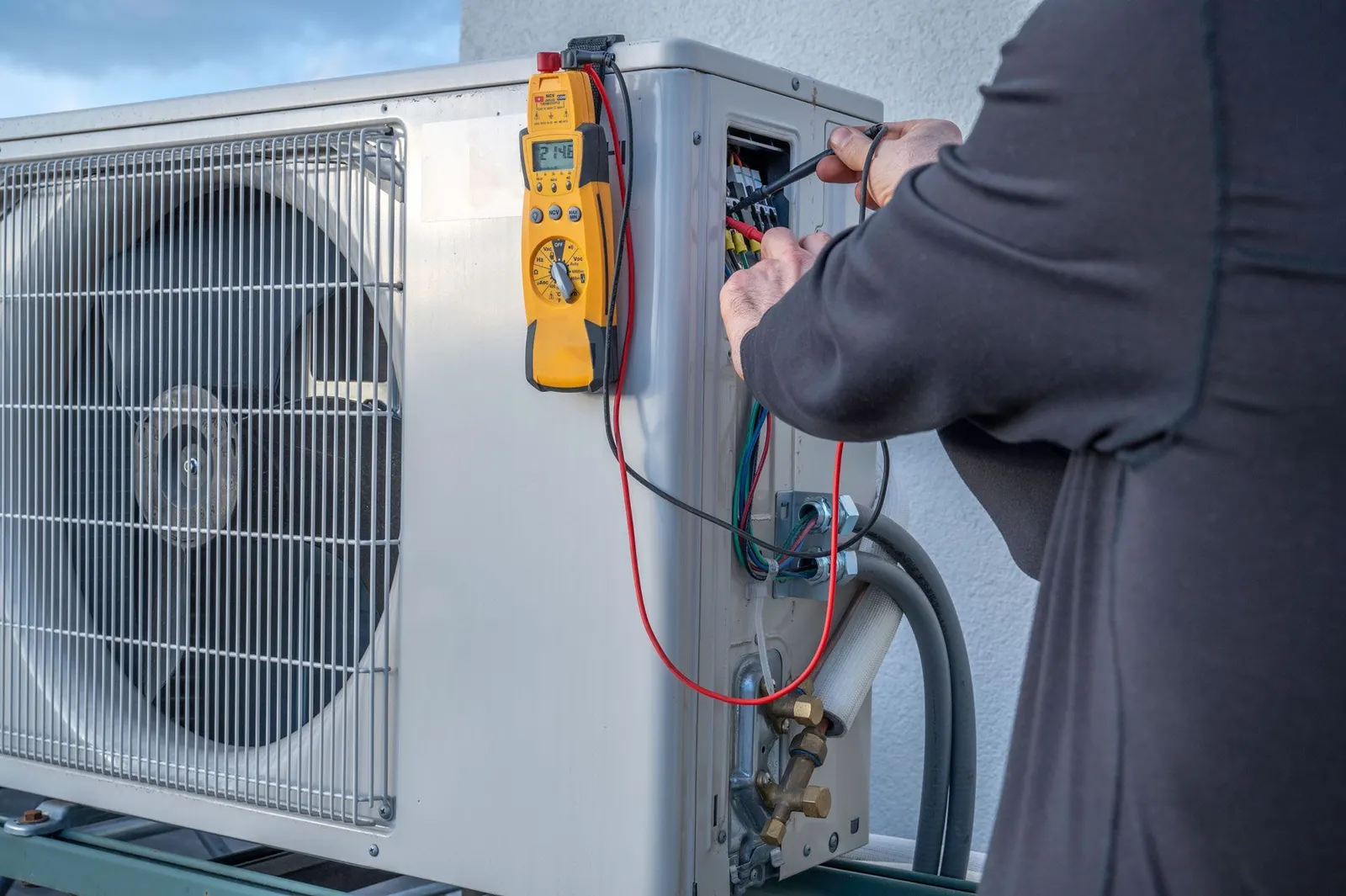
In a heat pump, the reversing valve is the crucial component responsible for changing the direction of the refrigerant flow, which switches the system from cooling to heating. After operating exclusively in cooling mode for months, the mechanical slide inside the reversing valve can become sticky or fully stuck. Furthermore, heavy summer use often leaves blower components and evaporator coils caked in dust and debris. This buildup restricts airflow, forcing the blower motor to work harder and reducing the overall heating efficiency of the system. In Williamsport MD, the demanding Mid-Atlantic climate exacerbates this issue. The transition from hot, humid summers to freezing winters puts heavy year-round reliance on these systems, and early fall humidity combined with rapid temperature swings can severely disrupt the system's defrost cycles.
The Solution: Proactive Transition Maintenance
Connecting this mechanical stress directly to accelerated wear and tear makes the solution clear: the system requires intervention before the heavy lifting of winter begins. Having a licensed technician inspect the reversing valve, clean the coils, and calibrate the defrost controls ensures the equipment can handle the shifting weather. Ignoring these mechanical stressors directly reduces the overall equipment lifespan, turning a simple maintenance need into a costly mid-winter breakdown.
Your Pre-Heating Seasonal Home Maintenance Checklist
Preparing a home for the colder months involves a mix of DIY-friendly tasks and professional interventions. Following a structured checklist ensures that nothing is overlooked, protecting both your indoor comfort and the mechanical integrity of your heating system.
- Replace HVAC air filters: This is the single most important step a homeowner can take. A dirty filter restricts airflow, forcing the blower motor to work harder and increasing the risk of the system overheating. Installing a fresh filter ensures proper airflow before the heavy heating season begins, improving indoor air quality and system efficiency.
- Clean gutters and downspouts: While it may seem unrelated to heating, clogged gutters lead to water spilling over the sides of the house. This water intrusion can pool around outdoor heat pump units or seep into basements and crawlspaces, introducing excess moisture that can rust ductwork or damage indoor air handlers.
- Seal windows and doors against drafts: Inspect the weatherstripping around all exterior doors and re-caulk drafty windows. Drafts introduce cold air into the home, artificially inflating the heating load. By sealing the building envelope, you reduce the strain on your HVAC system, allowing it to heat the home with shorter, more efficient cycles.
- Test smoke and carbon monoxide detectors: This is a critical safety step, especially in homes utilizing natural gas, propane, or oil furnaces. As heating systems fire up for the first time, the risk of carbon monoxide leaks increases if a heat exchanger is cracked. Ensure all detectors have fresh batteries and respond correctly to the test button.
- Clear debris from around the outdoor unit: Over the summer and early fall, tall grass, fallen leaves, and overgrown shrubs can encroach on the outdoor AC condenser or heat pump. Clear a two-foot perimeter around the unit to ensure unrestricted airflow, which is vital for the system to exchange heat efficiently.
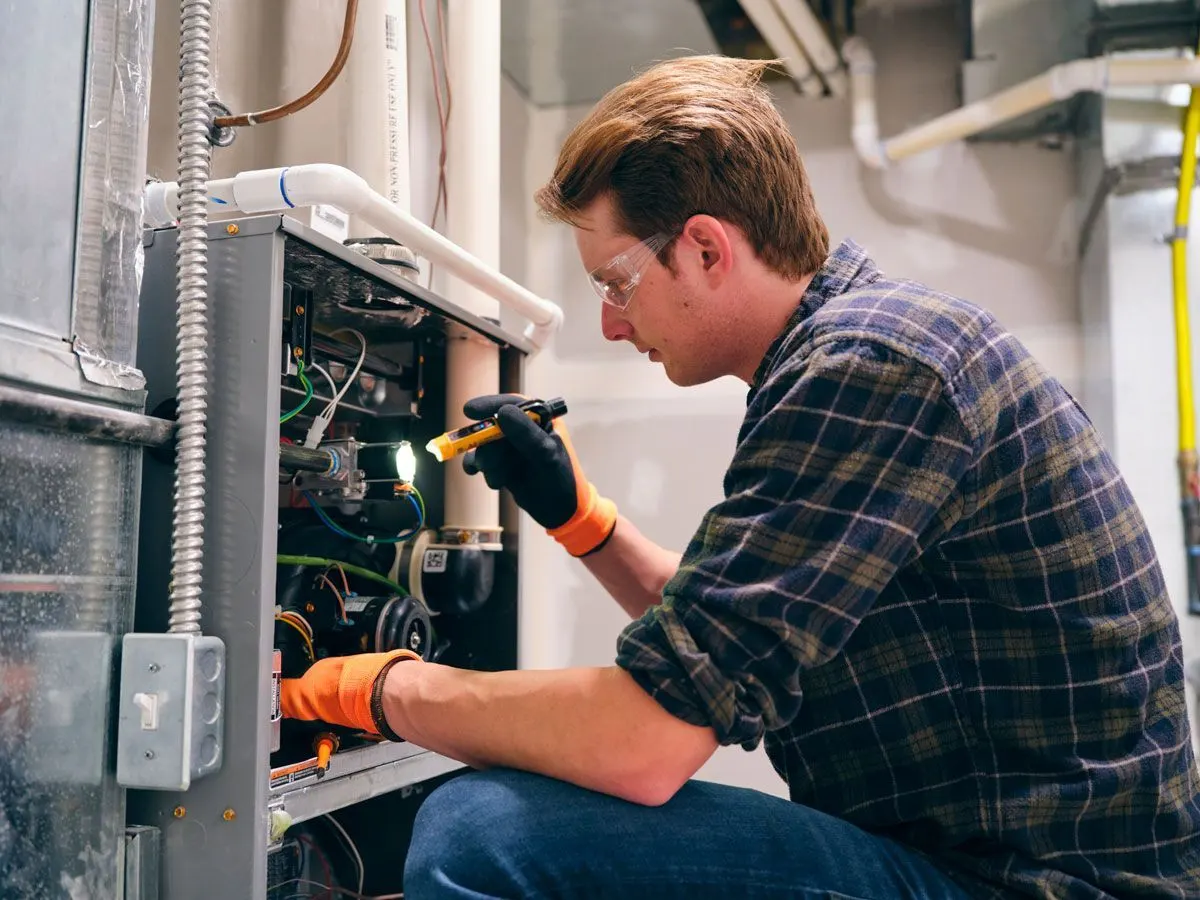
While these steps are highly effective for general preparation, they do not replace the need for professional oversight. Scheduling routine AC maintenance and a thorough heating inspection ensures that the internal electrical and mechanical components are verified safe for winter operation.

Diagnosing Early Fall Warnings: Burning Odors and Mode Failures
When the heating system kicks on for the first time in months, it frequently communicates its condition through distinct smells and operational behaviors. Knowing how to interpret these early fall warnings can save you from a major mechanical disaster later in the year.
The Normal "Burning Dust" Smell
It is incredibly common for a heater to emit a burning smell when turned on for the first time in September or October. Over the summer, dust, pet dander, and airborne particles settle on the furnace's heat exchanger or the heat pump's heating strips. When the system fires up, these particles are instantly incinerated, producing a distinct burning dust odor. In most cases, this smell is harmless and should dissipate entirely within 30 to 60 minutes of operation.
When a Burning Odor Requires Immediate Attention
While burning dust is normal, other odors are clear warning signs. If the burning smell persists for more than a few hours, or if it carries a sharp, acrid, or electrical ozone scent, turn the system off immediately. Electrical odors often indicate a failing blower motor, melting wire insulation, or a failing capacitor. These are serious fire hazards that require immediate professional diagnosis.
Heat Pump Mode Failures
Another frequent early fall warning is a heat pump that remains stuck in cooling mode. As mentioned earlier, this is typically traced back to a faulty reversing valve or a failing solenoid coil. However, it can also stem from a thermostat communication error where the low-voltage signal is not reaching the outdoor unit. Because diagnosing these specific electrical and refrigerant components involves high voltage and pressurized gases, it requires professional diagnosis rather than DIY tampering. Catching these symptoms early in the fall prevents emergency breakdowns in the dead of winter. For a deeper understanding of these symptoms, reviewing a comprehensive guide on troubleshooting common HVAC problems and evaluating lifespan can provide further clarity.
Honest Diagnostics: Deciding Between a Tune-Up and a Replacement
As HVAC systems age, homeowners inevitably face a difficult decision: continue investing in repairs or bite the bullet and replace the unit. Making this choice requires objective evaluation rather than guesswork.
Industry professionals often utilize objective metrics, such as the "5,000 Rule," to help homeowners decide whether to repair or replace an aging HVAC system. The concept is straightforward: multiply the age of the equipment by the estimated cost of the repair. If the resulting number exceeds a certain threshold, replacing the system is generally the more financially sound decision. Alternatively, if a repair costs roughly half the price of a brand-new, highly efficient system, replacement is usually recommended to avoid sinking funds into a failing machine.
This is where the value of a comprehensive fall assessment becomes clear. A thorough inspection identifies failing components before they cause cascading damage to other parts of the system. Receiving an honest, upfront assessment of the system's true condition—without high-pressure sales tactics—allows you to plan appropriately. For instance, one homeowner needed a complete HVAC system installation during a busy spring season. Thanks to an honest assessment of their failing equipment, they were able to avoid pouring money into endless repairs, and a professional crew successfully installed the full HVAC system within six days, restoring total comfort fast.
When evaluating your options, it is also worth noting that generic federal tax credits and local utility incentives may be available for upgrading to high-efficiency systems before winter arrives. A trustworthy technician will present all these facts, empowering you to make the right choice for your home. If your system is showing signs of deep wear, investing in professional AC repair and a thorough diagnostic check is the first step toward long-term reliability.
Frequently Asked Questions About HVAC Lifespans and Fall Prep
What should be on a fall home maintenance checklist?
A complete fall home maintenance checklist should include replacing your HVAC air filters, sealing drafts around windows and doors, and testing all smoke and carbon monoxide detectors. Additionally, it is vital to clear debris away from your outdoor heat pump or AC unit. Finally, scheduling a professional heating tune-up ensures the internal components are clean, calibrated, and ready for the winter workload.
How do I prepare my HVAC system for winter?
Prepare your HVAC system for winter by first ensuring the perimeter around the outdoor unit is free of leaves, branches, and tall grass to allow for proper airflow. Inside, change your air filter to prevent airflow restrictions that strain the blower motor. Most importantly, have a licensed technician inspect the heat exchanger for cracks or verify that the heat pump's reversing valve shifts smoothly into heating mode.
How long do HVACs last with regular maintenance?
With consistent, professional maintenance, a central air conditioner or heat pump can last between 12 and 15 years, while a gas or electric furnace can often reach 15 to 20 years of reliable service. Regular maintenance keeps internal components clean and reduces mechanical friction. Conversely, neglected systems often suffer from restricted airflow and overheating, causing them to fail much earlier than their expected lifespan.
Why is my heat pump stuck in cooling mode?
A heat pump stuck in cooling mode is most commonly caused by a stuck or failing reversing valve, which is the component responsible for changing the direction of the refrigerant flow. Another frequent culprit is a communication issue within the thermostat, preventing the correct signal from reaching the outdoor unit. Because these issues involve complex electrical and mechanical systems, they require a professional technician to diagnose and repair safely.
Does preventative maintenance actually save money?
Yes, routine preventative maintenance directly translates to financial savings by optimizing how the equipment operates. According to data from the Department of Energy, regular maintenance can improve an HVAC system's energy efficiency by up to 15 percent. Furthermore, catching minor wear and tear during a scheduled tune-up prevents those small issues from turning into expensive, catastrophic breakdowns during peak winter weather.
Protect Your System's Longevity Before the First Winter Freeze
An early fall transition check is the absolute best defense against premature system failure. The shift from cooling to heating places immense mechanical stress on your equipment, and addressing minor wear-and-tear now ensures a comfortable, efficient, and stress-free winter. By completing a thorough seasonal home maintenance checklist, you take control of your indoor air quality and protect the significant investment you have made in your home's comfort. Do not wait for the first freezing night to discover that your heater is struggling. Explore professional assessment options today to gain total peace of mind, knowing your system is primed and ready to handle whatever the winter weather brings.