
Navigating Unpredictable Temperature Swings Without Stressing Your System
The calendar might say it is time for autumn, but when your house feels like mid-summer by afternoon and winter by midnight, finding reliable home maintenance tips and troubleshooting becomes your top priority. Here at Comfort Central Inc., our team knows that early fall brings some of the most unpredictable weather of the year, particularly during the September transition. You might find yourself sweating through a humid afternoon, only to wake up shivering because the overnight temperatures plummeted. This erratic weather pattern does more than just make your family uncomfortable—it places a massive amount of stress on your home comfort equipment.
Many homeowners do not realize that the way they manage their climate control during these seasonal shifts directly impacts the overall longevity of their equipment. When you force a system to rapidly adapt to wild temperature swings without proper preparation, you significantly increase the risk of a sudden furnace failure right when the first true cold snap hits. Navigating this transition smoothly is the key to protecting your investment and ensuring your equipment reaches its maximum expected lifespan.
If you want to keep your home comfortable without overburdening your equipment, understanding the fundamentals of air conditioning and heating transitions is essential.
Average Lifespan Benchmarks for Heating and Cooling Equipment
One of the most common questions our technicians hear from homeowners is exactly how long they can expect their equipment to survive. The answer depends heavily on the type of unit, the climate it operates in, and the level of care it receives. According to benchmarks established by the Department of Energy (DOE) and ENERGY STAR, different components have distinct life expectancies.
Air conditioners and heat pumps typically last between 10 and 15 years. Furnaces generally have a slightly longer functional lifespan, often lasting 15 to 20 years. However, in our experience, these benchmarks are not guarantees. They are averages based on the assumption that the equipment receives proper, professional upkeep year after year. Reaching the higher end of these ranges requires proactive care, not just reactive repairs when something breaks down.
If you are planning for the future of your home, understanding these timelines helps you make informed decisions about AC installation and replacement before an emergency forces your hand.
| System Type | Average Lifespan | Primary Wear Factors |
|---|---|---|
| Central Air Conditioner | 10 to 15 Years | Outdoor weather exposure, compressor strain, dirty coils |
| Heat Pump | 10 to 15 Years | Year-round continuous operation, reversing valve wear |
| Gas or Electric Furnace | 15 to 20 Years | Cracked heat exchangers, blower motor fatigue, ignition issues |
Why Heat Pumps and ACs Differ from Furnaces
You might wonder why a furnace tends to outlast an air conditioner or a heat pump. The primary reason comes down to workload and environment. Heat pumps operate year-round, providing both cooling in the summer and heating in the winter. This continuous operation means they accumulate mechanical wear much faster than a seasonal furnace that sits dormant for half the year.
Furthermore, furnaces are usually installed indoors—tucked safely away in basements, utility closets, or attics. They are shielded from rain, snow, ice, and direct sunlight. Outdoor condenser units, on the other hand, face the brunt of the elements day in and day out, which accelerates the degradation of their exterior components and internal electrical connections.

How Intense Year-Round Demand Accelerates System Wear
Location plays a massive role in how long your equipment will actually last. With the humid summers regularly giving way to freezing winters in Williamsport MD, your system faces a relentless dual-season demand. In our years of servicing local homes, we've seen firsthand how this minimal off-season rest takes a toll on equipment.
The toll of high humidity: During the summer, your air conditioner works overtime not just to lower the temperature, but to extract heavy moisture from the indoor air. This constant dehumidification process puts extra strain on the compressor and the condensate drainage system. If the system never gets a break, the internal components run hot for months on end.
The impact of freeze-thaw cycles: As late fall approaches, outdoor units are subjected to freezing overnight temperatures followed by rapid morning thaws. These cycles cause condensation to freeze and melt repeatedly on the outdoor coils and fan blades. Over time, this constant expansion and contraction can weaken metal components and loosen electrical connections.
Because of these regional climate realities, our team stresses that proactive care is absolutely essential if you want to hit that 15-year mark. A unit in Williamsport MD works significantly harder than a unit in a temperate coastal city, meaning you cannot afford to skip annual tune-ups if you want to protect your investment.
The Hidden Dangers of Switching Back and Forth From Heat to AC
One of the most common habits our technicians observe during the early fall or September transition is constantly adjusting the thermostat. It is incredibly tempting to blast the air conditioning during a hot afternoon, only to flip the switch over to heating the same night when the temperature drops. While this might keep you comfortable in the moment, it is highly destructive to your equipment.
The Problem: Rapidly switching between cooling and heating modes forces the system to abruptly halt one mechanical process and initiate a completely different one. This erratic operation prevents the system from settling into a steady, efficient rhythm.
The Cause: When you bounce back and forth, you place immense stress on the reversing valve (if you have a heat pump) and the heat exchanger (if you have a furnace). Furthermore, this habit frequently leads to short-cycling, where the compressor is forced to turn on and off in rapid succession without completing a full cycle. This is a primary reason why your AC cools then stops cooling effectively.
The Solution: Establish a transition strategy. Instead of manually flipping the system back and forth every twelve hours, rely on smart thermostat settings and dress in layers during the transitional weeks to minimize the workload on your aging components.
Understanding Short-Cycling
Short-cycling occurs when your heating or cooling unit turns off prematurely, only to turn right back on a few minutes later. A healthy system should run in steady cycles of 15 to 20 minutes to properly condition the air and manage humidity. When the system short-cycles, it uses a massive amount of electricity to start up, but never runs long enough to achieve peak efficiency. This constant starting and stopping wears out contactors, capacitors, and blower motors long before their time.
Smart Thermostat Strategies for the Seasonal Shift
Managing your indoor climate during unpredictable weather does not require constant manual intervention. In fact, the less you touch the thermostat, the better it is for your equipment. By utilizing the built-in features of a modern programmable or smart thermostat, you can maintain comfort while protecting your unit from unnecessary wear during the early fall or September transition.
- Set a comfortable deadband: A deadband is a temperature range where neither the heating nor the cooling system engages. For example, you might set your cooling to kick on at 76 degrees and your heating to kick on at 68 degrees. The 8-degree gap in the middle is the deadband. This ensures that a slight breeze or a momentary sunbeam doesn't cause the system to constantly fight itself.
- Avoid drastic manual temperature swings: When you come home to a warm house, do not drop the thermostat to 60 degrees thinking it will cool the house faster. It will not. It only forces the compressor to run continuously at maximum capacity. Set it to your actual desired temperature and let it work steadily.
- Use auto-changeover features carefully: Many modern thermostats have an "auto" mode that switches between heat and cool automatically. While convenient, you must ensure your deadband is wide enough (at least 5 to 7 degrees) so the system isn't flipping from AC to heat every time a cloud passes over the sun.
- Maintain stable indoor temperatures: Keeping your home at a relatively stable baseline temperature reduces the workload on aging equipment. The deeper the temperature setback you use while away at work, the harder the system has to work to recover when you return.
Evaluating an Aging System: When to Repair vs. Replace
As your equipment approaches the 10-to-15-year mark, you will eventually face a critical decision point: should you keep repairing it, or is it time to upgrade? Making this decision requires an honest evaluation of the unit's performance, history, and overall condition.
There are several clear signs that a system is nearing the end of its functional life. You might notice frequent breakdowns, uneven temperatures from room to room, or strange grinding and rattling noises that never used to happen. You may also see a steady, unexplained climb in your monthly energy bills as the aging compressor loses its efficiency.
However, age alone is not the only factor. A unit that has received meticulous annual maintenance might easily outlast a newer unit that has been completely neglected. This is why a professional evaluation is so valuable. Recently, our team at Comfort Central Inc. visited a Williamsport MD homeowner to perform routine servicing on their aging furnace and heat pump system. Our technician provided professional, competent work, servicing the system to a high standard rather than immediately pushing for a new unit. Working with our family-rooted company means you get an honest diagnostic focused on extending the life of your current setup whenever safely possible.
Before you make a major decision, scheduling a professional AC inspection can give you the objective data you need about the health of your internal components.
The 5000 Rule for HVAC Repairs
When trying to decide if a repair is worthwhile, our professionals often reference the "5000 Rule" as a helpful guideline. To use this rule, you simply multiply the age of your equipment in years by the estimated cost of the necessary repair. If the resulting number exceeds five thousand, replacement is usually the more economical choice in the long run. If the number is lower, a repair makes sense. While this is a great rule of thumb, our technicians' professional insight regarding the specific part that failed is still crucial.
Preventing Winter Emergencies with Pre-Season Maintenance
The transition from cooling to heating is the most vulnerable time for your equipment. The leading causes of premature failure are dirt, long-term neglect, and improper operation. Letting a system sit idle for months and then suddenly demanding it to perform flawlessly in freezing weather is a recipe for disaster.
The Problem: Many homeowners skip fall maintenance, assuming that because the furnace worked fine last February, it will work perfectly this November. This often leads to catastrophic breakdowns on the first truly freezing night of the year.
The Cause: Dust and debris settle on the burners, heat exchangers, and flame sensors during the summer. Electrical connections can loosen due to the vibrations of the blower motor. If these issues are not caught early, a minor layer of dirt can cause the furnace to overheat and shut down entirely.
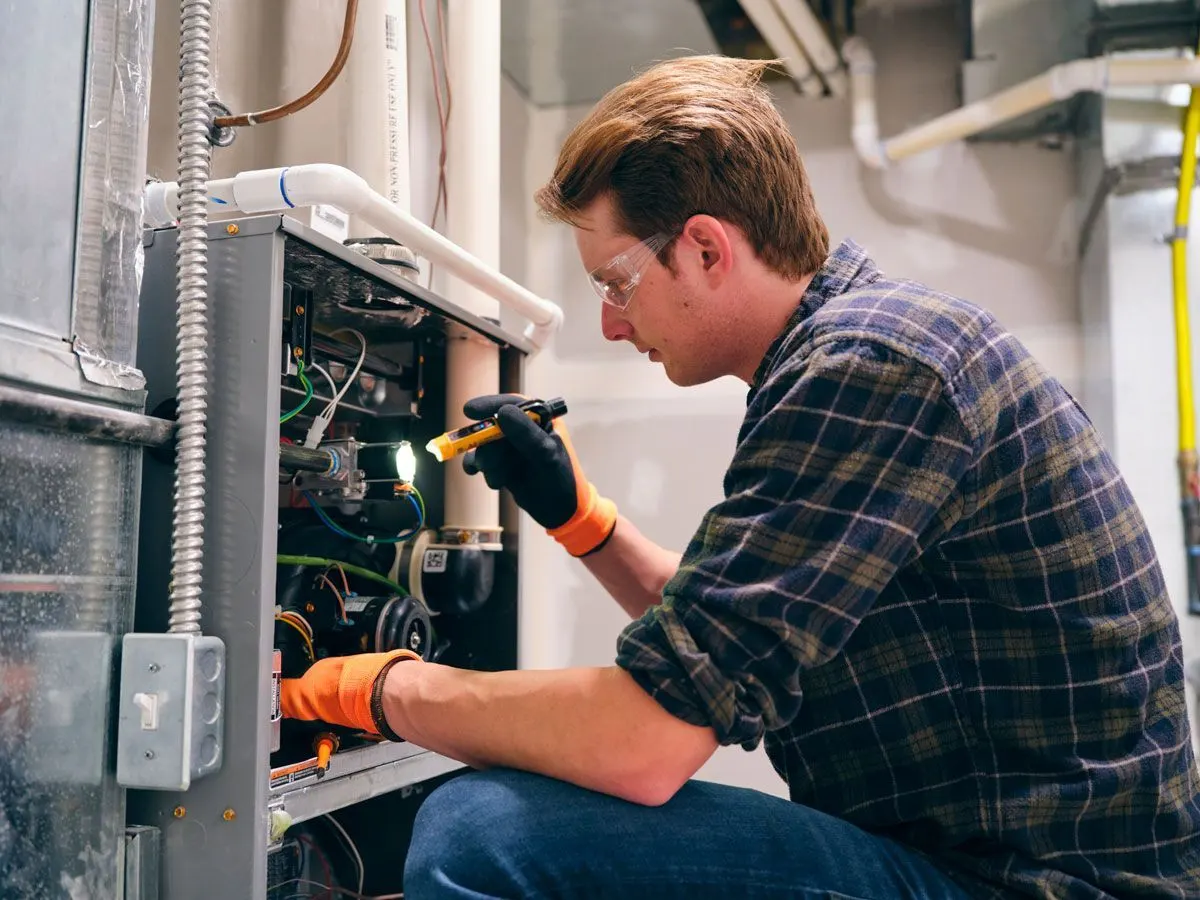
The Solution: Bringing in a licensed expert from Comfort Central Inc. for a comprehensive pre-season inspection is the only way to ensure the unit is safe to operate. Just recently, our team helped another local customer assess their aging HVAC system as the weather began to change. Our technician thoroughly inspected the unit and provided an honest, upfront explanation of what needed to be done to prepare for winter. This kind of routine AC maintenance and heating preparation catches minor wear and tear before it escalates.
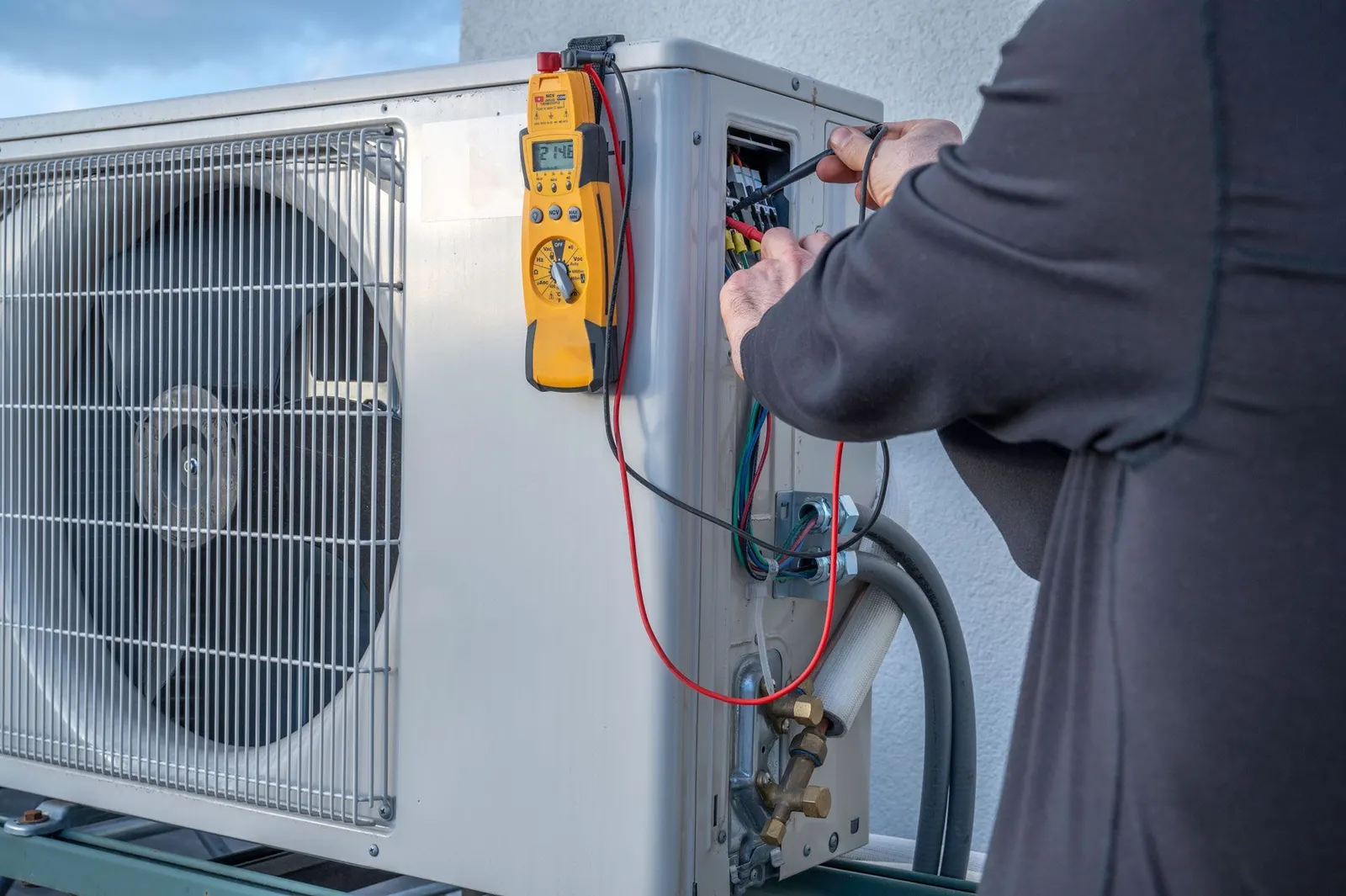
During a professional tune-up, the technician will check all electrical connections, inspect the heat exchanger for dangerous microscopic cracks, and calibrate the thermostat. These specific tasks require specialized tools and training, and should never be attempted as a DIY project due to the risks of carbon monoxide exposure and high-voltage electrical shocks.
Protect Your Investment and Ensure Seasonal Comfort With Home Maintenance Tips and Troubleshooting
While heating and cooling systems have expected lifespans, it is your proactive care that ultimately determines if they reach them. Navigating the unpredictable Williamsport MD weather requires a careful balance of smart thermostat management and timely professional intervention from a team you trust.
By avoiding drastic temperature swings, understanding the dangers of short-cycling, and relying on honest evaluations from our experienced technicians at Comfort Central Inc., you can significantly extend the life of your equipment. Do not wait for the first freezing night to find out if your furnace is up to the task. Use these home maintenance tips and troubleshooting strategies to prepare your home now, and schedule a pre-season evaluation with us to ensure your family enjoys seamless, uninterrupted comfort all winter long.
Frequently Asked Questions
How often should an HVAC system be replaced?
Most central air conditioners and heat pumps need replacement every 10 to 15 years, while furnaces generally last 15 to 20 years. However, this timeline heavily depends on how well the system has been maintained. If your equipment requires frequent, expensive repairs before hitting these benchmarks, early replacement might be more cost-effective.
What is the life expectancy of a heat pump compared to a furnace?
A heat pump typically lasts 10 to 15 years, which is shorter than a furnace's 15 to 20-year lifespan. This difference exists because a heat pump operates year-round to provide both heating and cooling, whereas a furnace only runs during the colder months. The continuous mechanical strain on a heat pump naturally accelerates its wear and tear.
How can I extend the life of my HVAC system?
The most effective way to extend your system's life is through routine, professional maintenance twice a year. Additionally, regularly changing your air filters, keeping the outdoor unit clear of debris, and using a programmable thermostat to reduce unnecessary strain all contribute to long-term longevity. Avoiding drastic manual temperature adjustments also helps protect the compressor.
Is it bad to switch back and forth from heat to AC during the fall?
Yes, rapidly switching between heating and cooling modes places significant mechanical stress on your system. It can cause short-cycling, which forces the compressor to work overtime and prevents the unit from running efficiently. It is better to set a wide temperature deadband on your thermostat and allow the house to adjust naturally.
What specific maintenance extends furnace lifespan?
Professional inspections of the heat exchanger, cleaning of the burner assembly, and testing of the ignition system are critical for extending a furnace's life. Technicians also tighten electrical connections and lubricate moving parts to reduce friction. These specialized tasks prevent overheating and ensure the system operates safely throughout the winter.
Why do unpredictable fall temperatures stress aging HVAC components?
Wild temperature swings force the system to constantly turn on and off to maintain a strict indoor climate. This frequent starting and stopping draws heavy electrical currents and wears down contactors, capacitors, and blower motors. Aging components are already fatigued, making them much more susceptible to failure under this erratic workload.