
Surviving the Shift: When Summer Heat Meets Chilly Autumn Nights
The September early fall transition is officially here, and executing a proper seasonal home maintenance checklist is the absolute best way to protect your heating and cooling equipment. During this time of year, our team at Comfort Central Inc. sees your home comfort system undergo a unique type of mechanical stress. You might rely on your air conditioner to battle the lingering afternoon heat, only to switch your thermostat over to heating mode to combat those crisp, 45-degree autumn nights. This constant toggling between cooling and heating forces your system to work overtime, shifting operational modes rapidly and putting immense pressure on aging components.
If you are already noticing signs of failure, exploring your options for AC installation and replacement can help you stay ahead of the weather before a minor issue becomes a total breakdown.
The risk of waiting: A pattern we see often is that most homeowners do not realize the early fall transition is when minor summer wear-and-tear silently escalates into major winter breakdowns. Waiting for an emergency failure on the first freezing night of the year leaves you scrambling for service when technicians are at their busiest. Proactive seasonal maintenance is the single biggest factor in maximizing your system's longevity, ensuring that it operates efficiently and reliably no matter how wildly the outdoor temperatures swing.
The Baseline: How Long Do HVAC Systems Actually Last?
Homeowners in Williamsport frequently ask our technicians about the life expectancy of their climate control systems, hoping for a single, definitive number. The truth is that lifespan varies significantly based on equipment type, usage patterns, and, most importantly, maintenance history. According to data from the Department of Energy (DOE) and the American Society of Heating, Refrigerating and Air-Conditioning Engineers (ASHRAE), well-maintained systems follow a fairly predictable lifecycle. However, in our daily fieldwork, we see that an aging system may technically continue to run while losing up to 5 percent of its operating efficiency each year if it does not receive routine care.
| System Type | Average Lifespan | Primary Wear Factors |
|---|---|---|
| Air Conditioners | 10 to 15 Years | Summer heat loads, clogged filters, outdoor debris accumulation. |
| Furnaces | 15 to 20 Years | Ignition cycling, cracked heat exchangers, restricted airflow. |
| Heat Pumps | Around 15 Years | Year-round continuous operation, reversing valve fatigue, defrost cycling. |
Air Conditioners and Furnaces
In our experience, traditional split systems feature two distinct units that age at different rates. Air conditioners generally last between 10 and 15 years because they endure brutal summer conditions, battling high humidity and intense UV exposure on the outdoor condenser. Furnaces, which are safely housed indoors away from the weather, typically last slightly longer, averaging 15 to 20 years. Because these components share the same indoor blower motor and ductwork, a failure in one can severely impact the performance of the other, making whole-system maintenance vital.
The Unique Workload of Heat Pumps
Unlike separate air conditioners and furnaces, a heat pump operates 12 months a year, providing both cooling in the summer and heating in the winter. Because they never get an off-season, they endure a unique, continuous workload. To reach their expected 15-year lifespan, we highly recommend stricter biannual maintenance for heat pumps. Without proactive check-ups in both the spring and the fall, the reversing valve and compressor endure excessive strain, which can drastically shorten the life of the equipment.

Why the September Early Fall Transition Accelerates Wear and Tear
The Problem: As summer fades, the weather pattern introduces a frustrating challenge for mechanical equipment: thermal expansion and contraction. When temperatures soar during the afternoon and plummet after sunset, the metal components inside your HVAC system expand and contract repeatedly. This constant shifting loosens electrical connections, stresses refrigerant lines, and forces moving parts out of optimal alignment.
The Cause: Running an unmaintained system during these temperature swings forces the compressor and blower motor to work significantly harder. If your air filter is clogged from a long summer of filtering pollen and dust, the blower motor must pull harder to circulate air. When the system shifts into heating mode, that same restricted airflow causes the heat exchanger to run hotter than intended, accelerating metal fatigue. This is exactly why your AC cools then stops cooling unexpectedly during unpredictable autumn weather.
The Solution: Recognizing the September early fall transition as a critical window for intervention changes everything. By addressing the minor wear-and-tear accumulated over the summer before the deep freeze arrives, you prevent small calibration issues from turning into catastrophic winter breakdowns. Proactive care stabilizes the system, tightens connections, and ensures all safety switches are fully operational before the heavy heating load begins.
Your Essential Seasonal Home Maintenance Checklist
Preparing your home for the colder months requires a strategic approach. We always remind our customers that a comprehensive seasonal home maintenance checklist includes both simple tasks you can handle yourself and complex diagnostics that require a licensed professional. As windows close tightly for the season, addressing indoor air quality (IAQ) becomes just as critical as temperature control, preventing dust and allergens from circulating endlessly through your living spaces.
Homeowner-Safe Preparations
There are several critical steps you can take today to protect your equipment and improve your home's airflow. These tasks require no special tools and serve as the first line of defense against premature system failure.
- Replace your air filters: Check your filters monthly and replace them at least every 90 days. A clean filter reduces strain on the blower motor and improves indoor air quality.
- Clear outdoor debris: Remove fallen leaves, branches, and overgrown vegetation from around your outdoor condenser unit. Ensure there is at least two feet of clearance on all sides for proper airflow.
- Unblock indoor vents: Walk through every room and ensure that rugs, furniture, or heavy curtains are not blocking your supply and return registers.
- Check thermostat settings: Verify that your thermostat is programmed correctly for your fall schedule, and replace the batteries if you haven't done so in the last year.
When to Call for Professional Maintenance
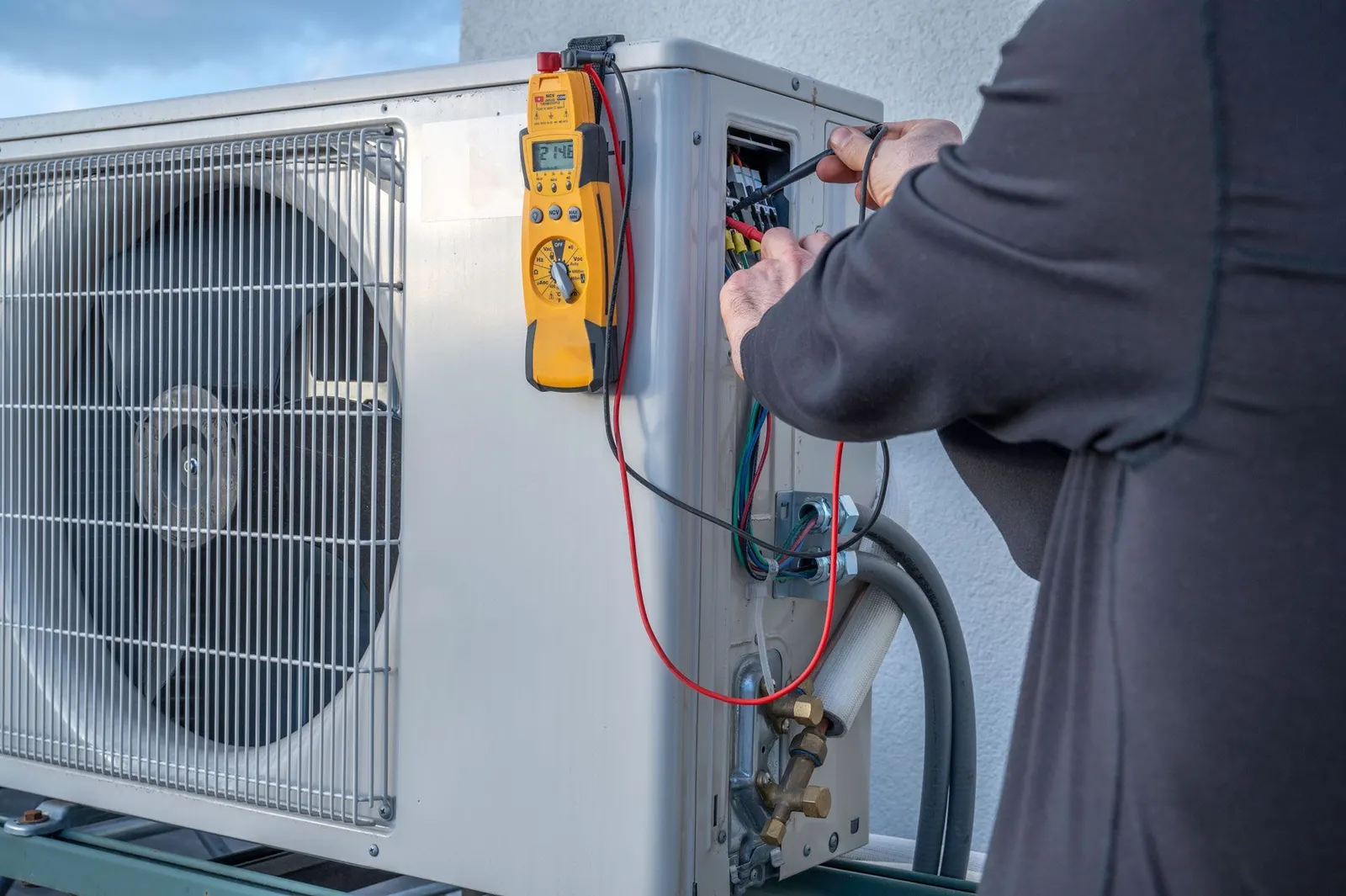
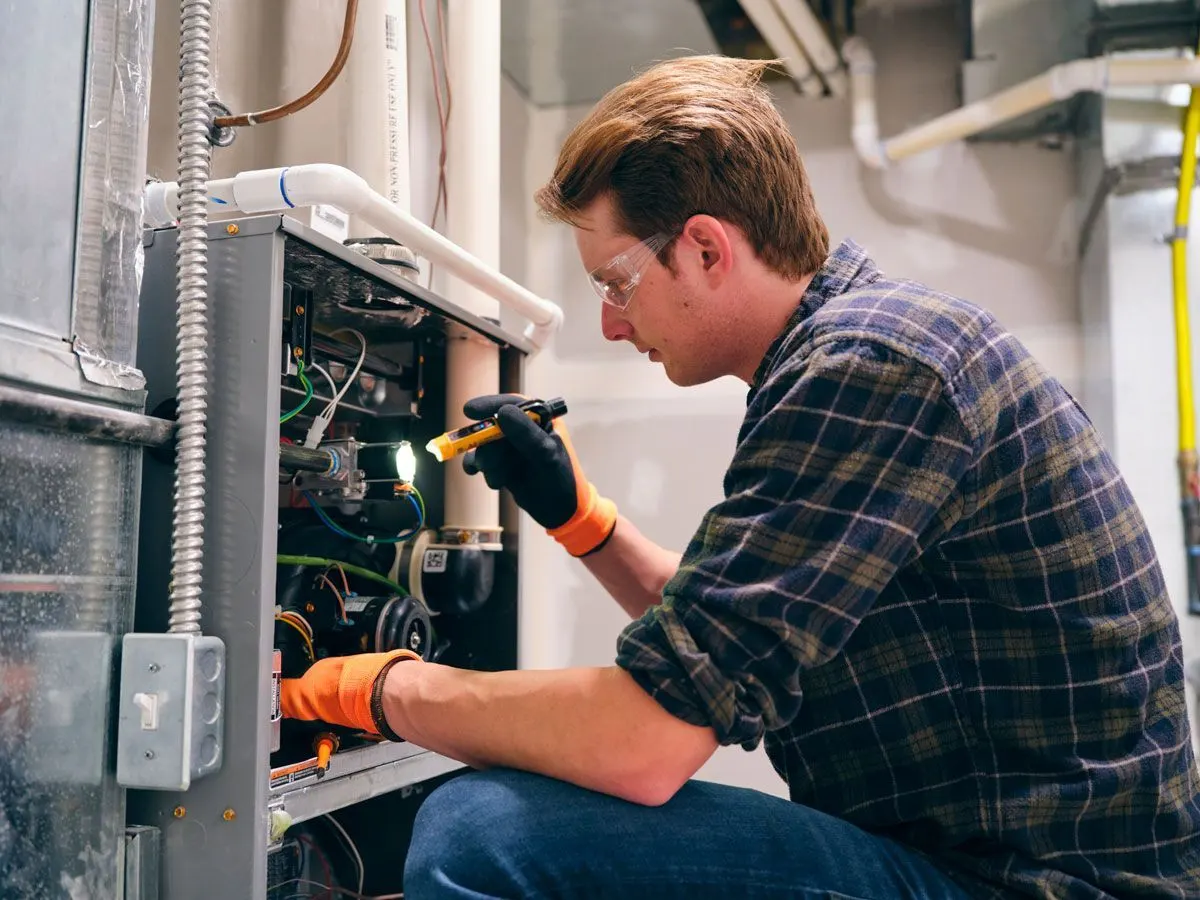
While basic checks are incredibly helpful, a professional pre-heating tune-up is required to maintain up to 95 percent of your equipment's original efficiency. A licensed technician handles the highly technical and potentially dangerous aspects of system care. This includes checking high-voltage electrical connections, testing critical safety switches, measuring gas pressure, and calibrating the system specifically for winter operation. Scheduling routine AC maintenance and heating prep ensures your system operates safely and efficiently all season long.
Repair vs. Replace: Making the Right Call for an Aging System
As equipment ages, homeowners inevitably face the difficult decision of whether to keep investing in older machinery or upgrade to a modern system. Establishing trust through honest diagnostics is critical here. At Comfort Central Inc., our core values dictate that we prioritize extending your current unit's life whenever it is safe and viable, rather than immediately pushing for a new installation. If a repair makes sense for your home and your budget, that is exactly what we will recommend.
Applying the 5,000 Rule: A helpful baseline for decision-making is the "5,000 Rule." To use this guideline, multiply the estimated cost of the repair by the age of the equipment. If the resulting number exceeds 5,000, replacing the unit is generally the more economical choice. For example, a major repair on a 12-year-old system often crosses this threshold, signaling that it is time to consider an upgrade.
Efficiency drops over time: Systems that are 15 or more years old often suffer from significant efficiency degradation. Continuous patchwork repairs on an outdated unit can cost you more in monthly energy bills and repeated service calls than the investment in a new, high-efficiency model. A proper, honest assessment provides clarity on an aging unit's true condition, preventing surprise mid-winter failures.
One local Williamsport homeowner recently reached out to our team during a brutal summer heatwave when their older unit finally failed beyond repair. After a thorough assessment, they required a new HVAC system installation. Because they received excellent service, expertise, and professionalism from our technicians throughout the installation process, they were extremely happy with their seamless transition to a more reliable, efficient system. If you find yourself in a similar situation, exploring HVAC replacement in Williamsport can provide lasting peace of mind.
Defending Against Regional Climate Stress
National average lifespans for heating and cooling equipment are just that—averages. They often fail to account for the severe regional extremes we experience in Williamsport MD and the surrounding Washington County. Our team at Comfort Central Inc. knows that our distinct four-season weather demands year-round resilience from your HVAC equipment, punishing systems that are not properly calibrated for the local climate.
The Mid-Atlantic challenge: The transition from high summer humidity to freezing winters creates severe thermal stress on outdoor HVAC components. During the summer, your system battles thick moisture in the air, which forces the condenser to work harder to remove latent heat. Just a few months later, that same outdoor unit must survive freezing precipitation and icy winds. If your system is not specifically prepared for these localized extremes, its lifespan will fall drastically short of the manufacturer's estimates. Securing professional AC repair and preventative maintenance ensures your equipment is fortified against the unique demands of our regional weather.
Common Questions About HVAC Lifespan and Fall Preparation
How often should an HVAC system be replaced?
Most HVAC systems should be replaced every 15 to 20 years, depending on the type of equipment and how well it has been maintained. Air conditioners and heat pumps generally lean toward the 10- to 15-year mark due to heavy outdoor exposure, while indoor furnaces can last closer to 20 years. If your system requires frequent repairs, struggles to maintain temperature, or causes your energy bills to spike, it may be time for a replacement regardless of its exact age.
Is a 20-year-old HVAC system still good?
A 20-year-old HVAC system is operating well beyond its expected lifespan and is likely highly inefficient by modern standards. Even if the unit technically still runs, it is practically guaranteed to be consuming far more energy than a newer model, costing you extra money every month. Furthermore, parts for two-decade-old systems are often obsolete and difficult to source, meaning a breakdown in the dead of winter could leave you without heat for days while waiting for a specialized component.
What is the most expensive part to replace on an HVAC?
The compressor is generally the most expensive component to replace on an air conditioner or heat pump, while the heat exchanger is the most costly part of a furnace. Because these parts are the "heart" of their respective systems, their failure often signals the end of the equipment's viable life. In many cases, the labor and parts required to replace a compressor or heat exchanger on an older unit make investing in a brand-new system the more logical financial decision.
How do I know if my HVAC is dying?
Signs of a dying HVAC system include strange grinding or squealing noises, weak airflow from your vents, and the inability to reach the temperature set on your thermostat. You might also notice a sudden, unexplained increase in your utility bills, indicating that the system is working twice as hard to produce the same amount of comfort. If you find yourself calling for repairs multiple times a year, the system is likely nearing the end of its operational life.
When should I schedule fall HVAC maintenance?
Our team recommends that the ideal time to schedule fall HVAC maintenance is between late August and early October, right before the heavy heating season begins. Booking your tune-up during this early fall transition ensures your system is clean, calibrated, and safe to operate before the first freezing night hits. It also allows you to secure an appointment easily before technicians book up with emergency no-heat calls in November and December.
Can a seasonal tune-up really extend the life of my furnace?
Yes, a seasonal tune-up is proven to significantly extend the life of a furnace. Routine maintenance prevents minor issues—like a dirty flame sensor or a slightly misaligned blower belt—from forcing the system to overwork and overheat. By keeping the internal components clean and properly lubricated, a tune-up minimizes the daily mechanical wear and tear that leads to early system death.
Take Control of Your System's Future Before Winter Arrives
Proactive transition care is the ultimate key to maximizing your HVAC lifespan. As the temperatures continue to drop across the region, taking the time to prepare your equipment ensures that you will not be caught off guard by a sudden freeze. The peace of mind that comes from knowing your heating system is clean, safe, and ready for the upcoming winter is invaluable.
Whether you need a routine check-up, an honest assessment of an aging unit, or guidance on improving your indoor air quality, the time to act is now. Follow your seasonal home maintenance checklist closely, handle the tasks you can safely manage, and reach out to our trusted professionals at Comfort Central Inc. to handle the rest before the harsh winter weather settles in.