
Navigating the September Transition: What Changing Weather Means for Your HVAC System
Your thermostat says it is cooling, but the house feels sticky, and by tomorrow night, you might need the heat—a frustrating scenario that makes reliable home maintenance tips and troubleshooting essential for local homeowners. The September early fall transition brings massive temperature swings that test the limits of your home comfort equipment. During the day, your air conditioner works hard to remove lingering atmospheric moisture, and by nightfall, your heating components are suddenly called into action. For our team at Comfort Central Inc., we see firsthand how this rapid switching between cooling and heating modes places immense mechanical stress on your entire system.
For residents in our Williamsport MD service area, the transition from hot, humid summers to freezing winters creates a unique set of challenges. Heavy summer humidity leaves cooling systems vulnerable, often coating internal components with moisture and dust just as the cold snaps begin to arrive. How a system is treated during this critical shoulder season directly impacts its overall lifespan. Ignoring the accumulated wear and tear from August can lead to unexpected breakdowns in November.
Before relying on your furnace or heat pump for the long winter ahead, it is vital to understand the condition of your equipment. Safely testing the heating components and addressing lingering cooling issues early on is the smartest way to protect your investment. If you are looking for professional assistance to navigate this transition, exploring our Air Conditioning Services is a great place to start.
How Long Do HVACs Last? Average Lifespans by Equipment Type
One of the most common questions our technicians hear from homeowners is exactly how many years they can expect their heating and cooling equipment to survive. According to data from the Department of Energy, equipment longevity depends heavily on the type of system, the frequency of use, and the consistency of professional upkeep. While regional climate stress plays a major role, understanding the baseline expectations can help you plan for the future.
- Central Air Conditioners: Generally last 15 to 20 years with proper, consistent maintenance.
- Furnaces: Typically last 15 to 20 years, often outlasting AC units slightly due to fewer weather-exposed components.
- Heat Pumps: Usually last 10 to 15 years because they operate year-round for both heating and cooling.
- Efficiency Retention: Regular preventative maintenance helps equipment maintain up to 95% of its original efficiency over its lifetime.
These figures represent averages under optimal conditions. In our experience across the Williamsport MD area, actual longevity is heavily dependent on how well the system is protected against regional climate stress. Skipping annual checkups forces the system to work harder, which accelerates mechanical degradation and shortens these lifespans significantly.
Central Air Conditioners and Furnaces
When properly sized and installed, central air conditioners and furnaces are built for endurance. You can expect 15 to 20 years of reliable service if the system receives regular filter changes and professional tune-ups. Furnaces often have a slight edge in longevity because they are housed indoors, protected from rain, snow, and debris. Air conditioners, conversely, have outdoor condenser units that face the elements constantly, making them more susceptible to environmental wear.
Heat Pumps and Year-Round Wear
Because heat pumps handle both cooling in the summer and heating in the winter, they never truly get an off-season. This continuous operation across all four seasons explains why their average lifespan is shorter, typically hovering between 10 and 15 years. To reach their maximum potential and hit that 15-year mark, we highly recommend heat pumps receive twice-a-year checkups—once before the summer heat and once before the winter freeze.
| Equipment Type | Average Lifespan | Primary Stress Factors | Recommended Maintenance |
|---|---|---|---|
| Central Air Conditioner | 15 - 20 Years | Outdoor elements, summer humidity, clogged coils | Annually (Spring) |
| Gas or Electric Furnace | 15 - 20 Years | Dust buildup, cracked heat exchangers, airflow restrictions | Annually (Fall) |
| Heat Pump | 10 - 15 Years | Continuous year-round operation, reversing valve wear | Bi-Annually (Spring & Fall) |

The Mid-Atlantic Climate Factor: Summer Humidity Meets Winter Freezes
The specific regional climate of Maryland creates unique wear-and-tear that our Comfort Central Inc. team sees impacting system lifespans every day. Understanding this environmental toll is critical for proactive homecare. Heavy summer moisture forces cooling components to work overtime. The system doesn't just lower the temperature; it has to extract gallons of water from the indoor air. This heavy lifting stresses capacitors, blower motors, and electrical relays.
As the cooling season winds down, the risk of condensation lines clogging or freezing increases if they are not cleared before the winter transition. A clogged drain line can cause water to back up into the indoor unit, leading to extensive water damage or electrical shorts. If you have ever wondered Why Your AC Cools Then Stops Cooling, lingering moisture and stressed capacitors from a harsh summer are often the culprits.
The Toll of High Summer Humidity
A pattern we see often is moisture accumulation having a compounding effect on electrical components. When high humidity persists, dust and dirt inside the unit turn into a thick sludge that coats the evaporator coils. This restricts airflow and causes persistent issues that surface right at the end of the cooling season. We recently helped a local homeowner who experienced ongoing AC problems needing repeated service during the hot weather. It took a dedicated deep-clean of the evaporator coil by our technicians to finally resolve the lingering issues, which stemmed directly from this cumulative seasonal wear.
Surviving the Unpredictable Shoulder Season
The mechanical stress of rapid temperature swings in early fall cannot be overstated. When a system is forced to short-cycle between heating and cooling in a single week, the internal reversing valves and blower motors endure significant strain. Skipping fall prep accelerates mechanical decline because the system enters the dry, freezing winter carrying the unaddressed burdens of the humid summer.
Safe Fall Troubleshooting: Testing Your Heating System
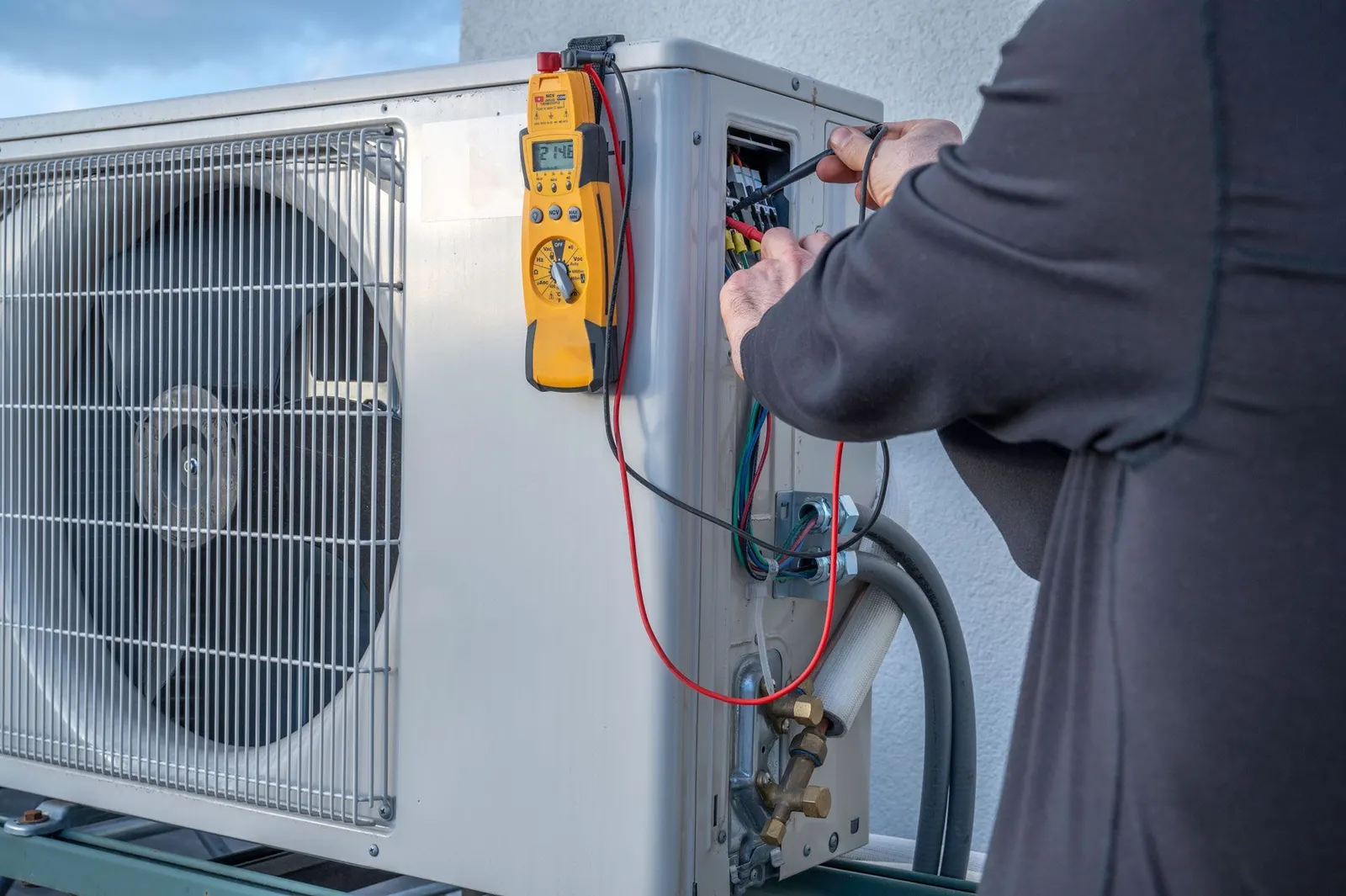
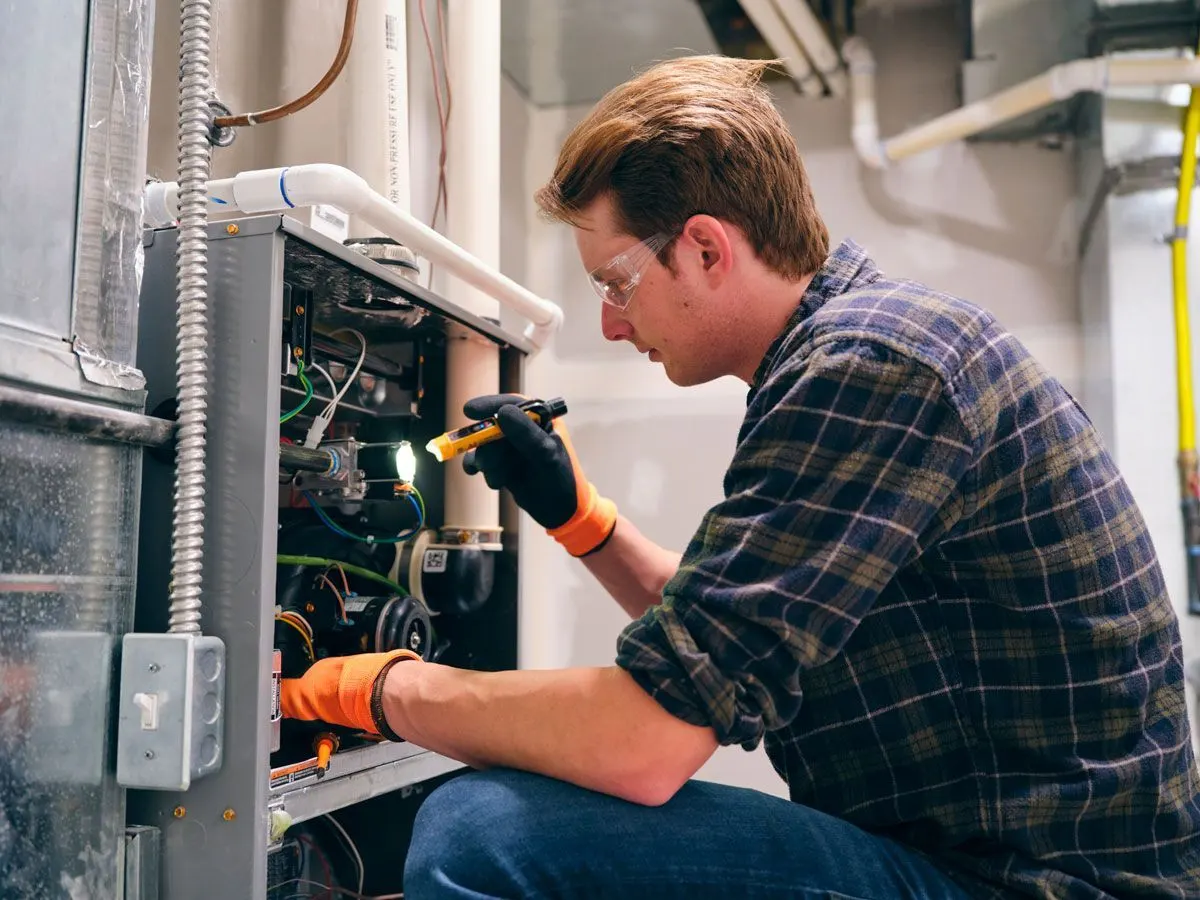
Before the first true cold snap hits the Williamsport MD area, we highly recommend testing your heating system. However, safety must always come first. There are several non-DIY diagnostic steps you can take to ensure your system is ready, without risking electrical shock or voiding your warranty. Opening cabinets, handling internal wiring, or attempting to repair gas lines is strictly for our licensed professionals.
During a recent fall service call for a three-year-old heat pump, one of our technicians quickly diagnosed a pressure switch wire that was touching the suction line. Safe home maintenance tips and troubleshooting means noticing when the system isn't running right and letting our professional team handle the internal repairs to ensure the unit is competently restored. If you notice any major red flags during your initial test, prompt AC Repair Service or heating repair is the safest next step.
Step 1: Thermostat Configuration and Initial Run
- Clear the area: Ensure all vents and registers are open and unobstructed by furniture or rugs.
- Set the mode: Switch your thermostat from "Cool" to "Heat."
- Adjust the temperature: Set the thermostat just a few degrees above the current room temperature to prompt the system to cycle on.
- Observe the startup: Listen for the system to engage and feel for warm airflow at the registers within a few minutes.
Step 2: Observing Odors and Sounds
- Monitor for smells: A brief burning dust smell is completely normal the first time a furnace runs in the fall. Dust settles on the heat exchanger over the summer and burns off harmlessly. However, persistent electrical odors, ozone smells, or the scent of melting plastic require immediate professional attention from our team.
- Listen for mechanical strain: Pay attention to unusual sounds. Banging, loud rattling, or high-pitched squealing often indicate worn belts, loose parts, or failing blower motors.
- Check the outdoor unit: If you have a heat pump, ensure the outdoor unit is clear of fallen leaves and debris, and listen for smooth operation.
Honest Diagnostics: Maximizing Your Current System's Longevity
Reaching the upper limit of a system's 15-to-20-year lifespan requires more than just changing filters; it requires a partnership with a trustworthy technician. The HVAC industry is sometimes plagued by high-pressure sales tactics that urge homeowners to replace equipment at the first sign of trouble. However, at Comfort Central Inc., true family values in this business mean prioritizing honest diagnostics—focusing on repairing viable systems and maximizing the lifespan of your current equipment.
A comprehensive pre-season tune-up is the cornerstone of this approach. When our professionals evaluate your system, they do much more than a visual inspection. They clean the condenser and evaporator coils to restore optimal heat transfer. They check refrigerant levels to ensure the compressor isn't being overworked. They also test all safety switches, tighten electrical connections, and calibrate the thermostat for precise operation.
Consistent, professional care is the most cost-effective way to manage home comfort. By catching minor friction points before they escalate into major mechanical failures, you extend the life of the unit and keep your monthly energy bills predictable. If you want to ensure your system is treated with integrity, scheduling routine AC Maintenance and Tune-Ups is the best defense against premature replacement.
Recognizing the Signs: When Repair Is No Longer the Answer
Even with perfect maintenance, every mechanical system our team services eventually reaches the end of its functional life. Knowing how to objectively evaluate your aging equipment can save you from sinking money into a failing unit. When frequent, compounding breakdowns begin to disrupt your comfort, the overall cost-effectiveness of repairing the system drops dramatically.
When an older system fails completely, replacement becomes the logical step. For example, when we recently helped a local resident replace their aging central AC unit, our professional crew ensured the new installation was handled efficiently and optimized for Maryland's unpredictable falls. Recognizing these signs early allows you to plan your upgrade rather than making a rushed decision during an emergency.
Evaluating Repair Costs vs. Replacement
- The 50% Rule: A common industry benchmark we share with our customers states that if the cost of a repair exceeds 50% of the value of the remaining life of the system, replacement is the wiser investment.
- Frequency of Breakdowns: If you are calling for service multiple times a year, those diagnostic fees and minor repair costs add up quickly, signaling that the core components are wearing out.
- Rising Energy Bills: A steady, unexplained increase in your monthly utility costs often indicates a permanent loss of mechanical efficiency that tune-ups can no longer reverse.
Safety and Efficiency Considerations
- Carbon Monoxide Risks: Operating gas furnaces past their 20-year mark increases the risk of a cracked heat exchanger, which can allow dangerous carbon monoxide to leak into your home.
- Modern Efficiency: Upgrading to high-efficiency technology provides vastly improved humidity control and quieter operation.
- Incentives and Rebates: Modern units may qualify for general energy rebates or federal tax credits. We always advise checking with your local utility provider or a tax professional to see what incentives apply to high-efficiency upgrades.
Preparing Your Home for the Heating Season
Navigating the summer-to-winter transition carefully is the absolute key to maximizing your system's lifespan. The heavy humidity of a Maryland summer leaves its mark on your equipment, and the unpredictable temperature swings of the September early fall transition only add to the mechanical strain. By taking the time to safely test your heating components and addressing lingering wear and tear, you set your home up for reliable comfort all winter long.
Professional support from Comfort Central Inc. eliminates the guesswork and safety risks associated with fall preparation. Whether you need a comprehensive tune-up to squeeze a few more years out of your current unit, or you are realizing it is finally time to upgrade, our expert guidance makes all the difference. If your system is showing its age and you want to explore your options, looking into professional AC Installation and Replacement ensures your home is fully prepared for whatever the changing seasons bring. Staying proactive with reliable home maintenance tips and troubleshooting strategies will always be your best defense against unexpected breakdowns.
Frequently Asked Questions
How can I extend the life of my HVAC system?
Our team recommends consistent, professional preventative maintenance as the most effective way to extend your system's lifespan. Changing your air filters every 30 to 90 days prevents airflow restrictions that overwork the blower motor. Additionally, scheduling bi-annual tune-ups ensures that minor issues like loose wiring or low refrigerant are corrected before they cause major mechanical failures.
When should I turn on my furnace for the first time in fall?
Our technicians suggest testing your furnace during the early fall transition, ideally on a mild September day before the first freezing night arrives. Testing it early allows you to safely observe the startup cycle and check for any unusual odors or sounds. If a repair is needed, you will have plenty of time to schedule a technician before the peak winter rush begins.
How long does an HVAC system last?
In our experience, central air conditioners and furnaces last between 15 and 20 years when properly maintained. Heat pumps typically have a slightly shorter lifespan of 10 to 15 years because they operate continuously year-round for both heating and cooling. Regional climate factors and the frequency of professional tune-ups heavily influence these averages.
Is a 20-year-old furnace safe to operate?
A 20-year-old furnace can be safe to operate only if it has been rigorously maintained and recently inspected by a licensed professional. However, our team stresses that systems of this age carry a much higher risk of developing a cracked heat exchanger, which can leak hazardous carbon monoxide. Annual safety inspections are absolutely mandatory for equipment nearing the two-decade mark.
Can a central AC unit last 25 years in Maryland?
While it is mechanically possible for a central AC unit to reach 25 years, it is exceedingly rare in our Williamsport service area due to the high summer humidity. The continuous strain of dehumidifying heavy summer air accelerates wear on the compressor and capacitors. Even if a unit survives that long, its efficiency will have degraded significantly, making it very expensive to operate.
Why do heat pumps have a shorter average lifespan than furnaces?
Heat pumps have a shorter average lifespan simply because they do double duty, providing both air conditioning in the summer and heating in the winter. Unlike a furnace, which sits dormant for half the year, a heat pump's compressor and reversing valve are subjected to continuous mechanical wear 365 days a year.